Newsletters


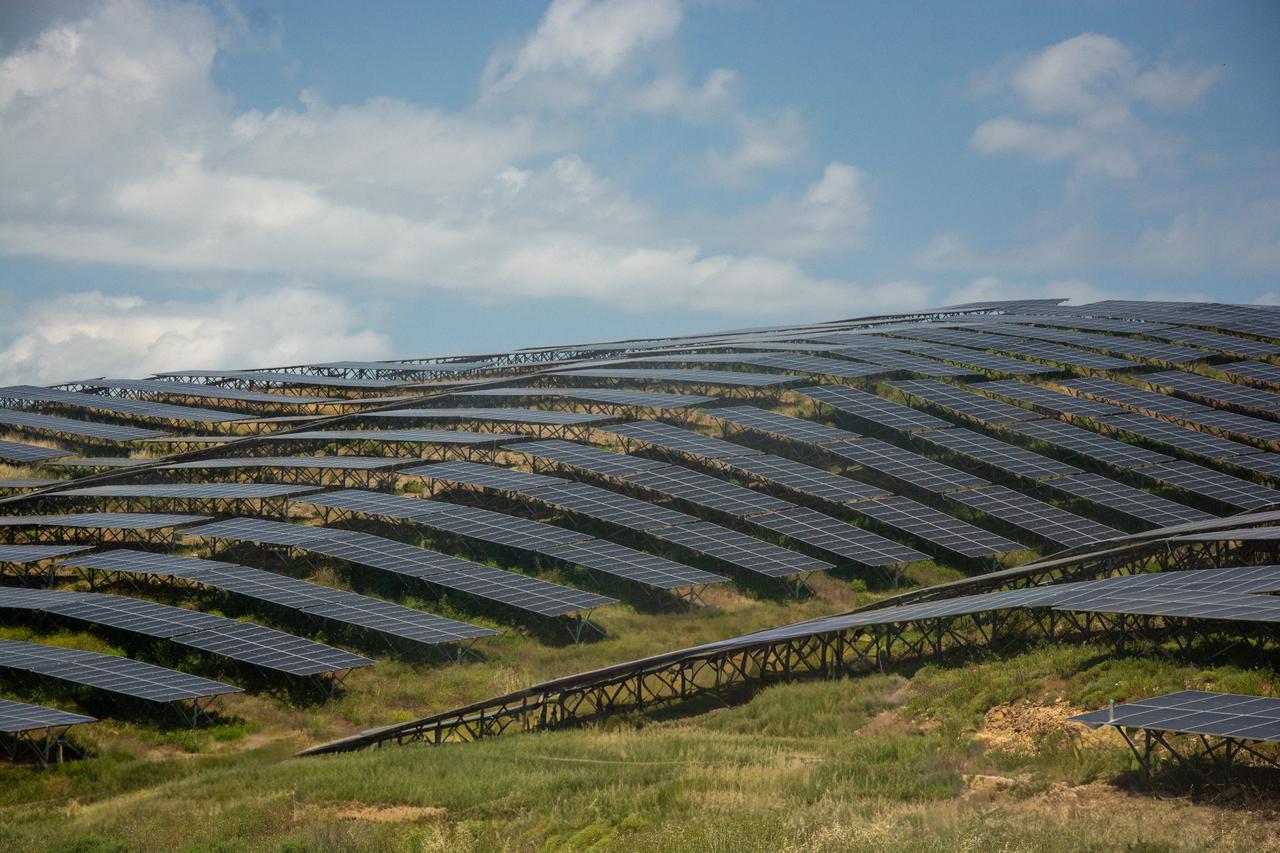


Türkiye ranked ninth worldwide in renewable energy supply in 2025 after a sharp increase in solar power generation, according to the latest Statistical Review of World Energy released by the Energy Institute in partnership with Ember and in collaboration with Kearney and KPMG.
The report showed Türkiye's renewable energy supply reached 1.03 exajoules (EJ) last year. Solar power generation rose 44% from 2024, lifting its share of the country's electricity output above 10% and making it the fastest-growing renewable energy source in Türkiye.
According to Türkiye's Energy and Natural Resources Ministry, renewable energy capacity reached 76.3 gigawatts (GW) by the end of 2025, while solar capacity exceeded 25 GW, accounting for more than one-fifth of total installed electricity capacity.
The review found that renewables became the largest contributor to growth globally in total energy supply outside recession periods for the first time, with solar accounting for 71% of that increase.
Global energy demand kept rising in 2025, with total energy supply (TES) increasing 1.7% and every major energy source reaching a record high for the second consecutive year. At the same time, solar generation climbed 30% worldwide and battery capacity expanded 66%, underscoring the rapid growth of clean energy technologies.
Electricity demand also continued to outpace broader energy consumption, rising 3% as electric vehicles, data centers, and artificial intelligence drove additional power use.
For the first time, all new electricity demand was met by low-carbon sources, allowing renewables and hydropower to overtake coal as the world's largest source of electricity generation while fossil fuel-based generation declined overall.
China recorded the fastest growth in electricity demand among major economies at more than 5%, adding an amount of electricity consumption equivalent to Germany's annual use in a single year. Electricity demand in the United States rose 3%, in line with the global average.
The review also introduced data on electricity consumption by data centers for the first time, estimating global demand at 788 terawatt-hours (TWh) in 2025, with 40% of the total coming from the United States.
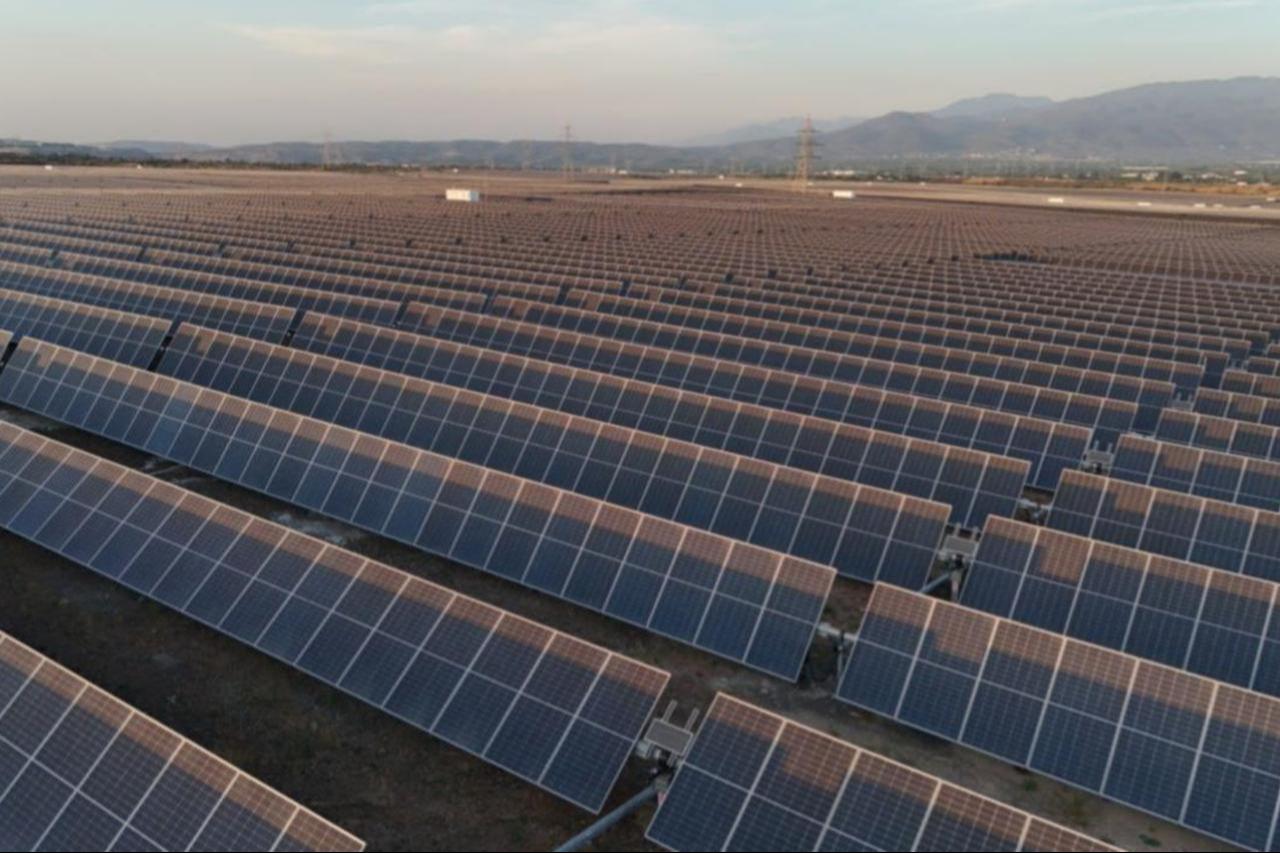

The findings suggest the global energy transition is gathering pace, although rising demand continues to keep every major energy source in use.
Energy Institute Chief Executive Nick Wayth described the latest data as evidence that the energy system has reached a pivotal moment, with low-carbon electricity making historic gains while emissions continue to rise.
"The world is at a pivotal moment in its energy transition journey. While demand has reached historic highs, the accelerated deployment of renewables is beginning to reshape electricity systems at scale. Yet the pace of overall change remains uneven, and global emissions continue to rise," Wayth said.
Energy Institute President Andy Brown said energy security, affordability and sustainability continue to shape policy decisions, making reliable data increasingly important as countries pursue different energy pathways.
Ember Interim Managing Director Aditya Lolla argued that the expansion of renewable energy is being driven as much by economics and energy security as by climate policy.
"The energy transition is no longer driven solely by climate ambition. Increasingly, economics, industrial competitiveness, energy security and technological innovation are shaping the decisions countries make," Lolla said.


 Set as preferred source
 Set as preferred source


 1 min read
 1 min read