Newsletters




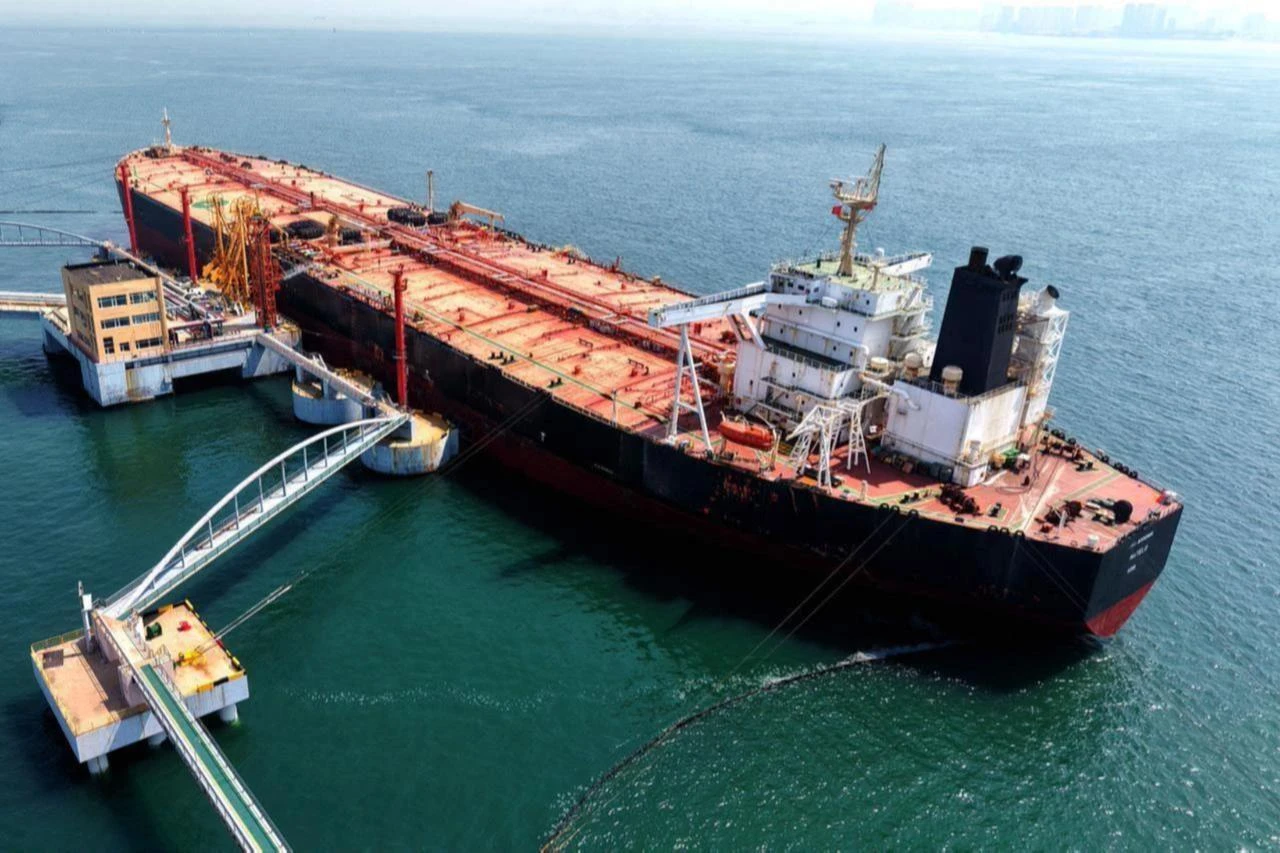
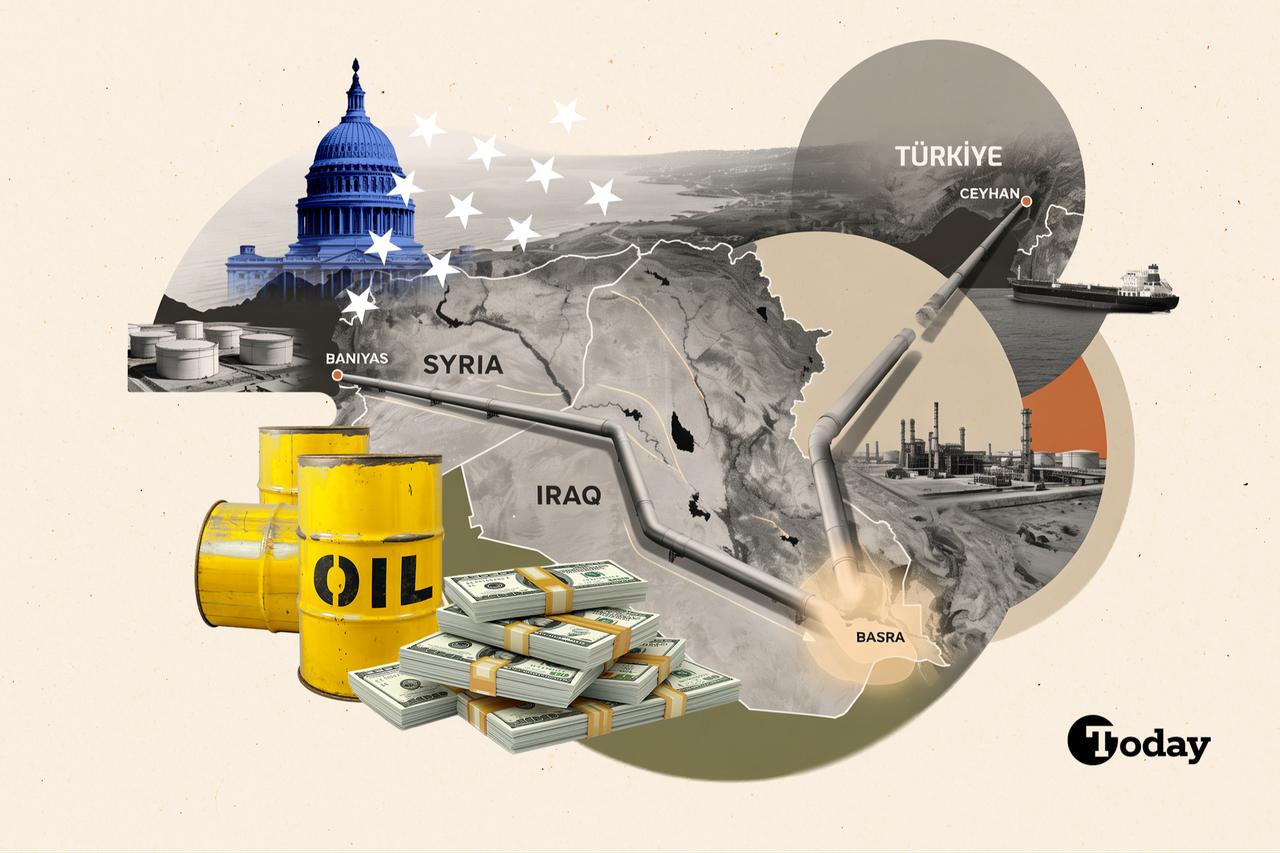
Oil exports from northern Iraq to Türkiye's Mediterranean port of Ceyhan are expected to continue despite the expiration of a decades-old pipeline agreement, as Ankara and Baghdad press ahead with negotiations on a new deal, reports said.
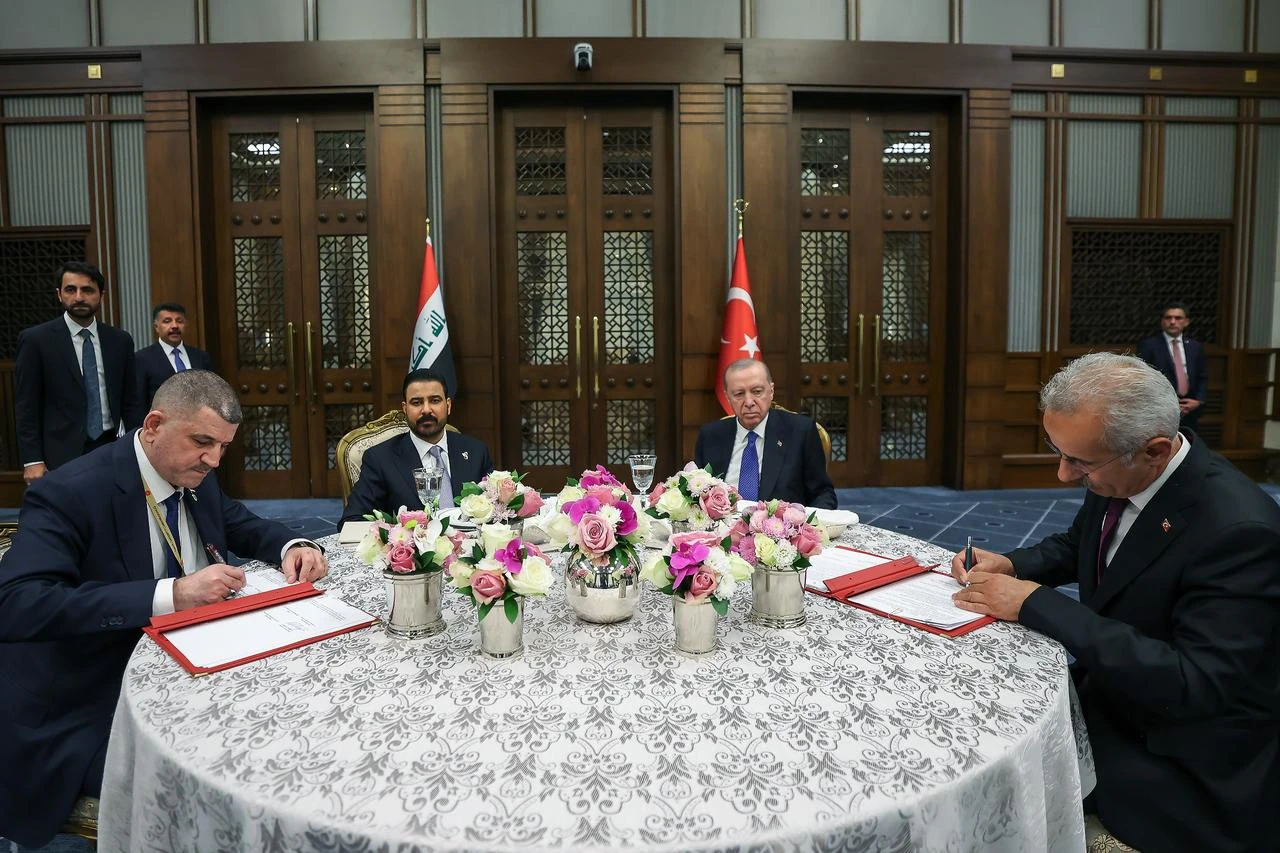
The 53-year bilateral agreement expired on Monday, and Iraqi Prime Minister Ali al-Zaidi and President Recep Tayyip Erdogan did not sign the expected one-year interim deal during talks in Ankara on Tuesday.
However, officials from both countries reportedly agreed to keep crude flowing while negotiations continue toward a broader agreement.
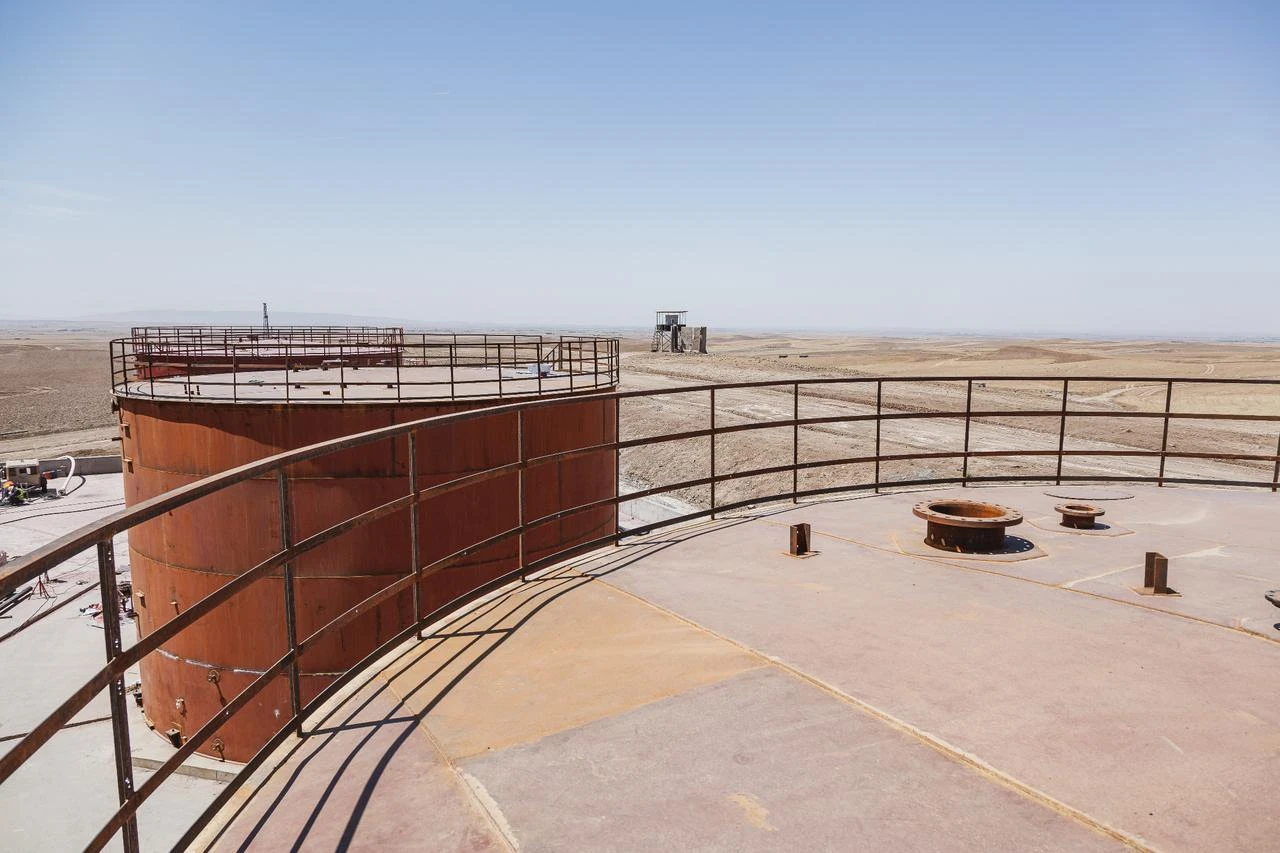
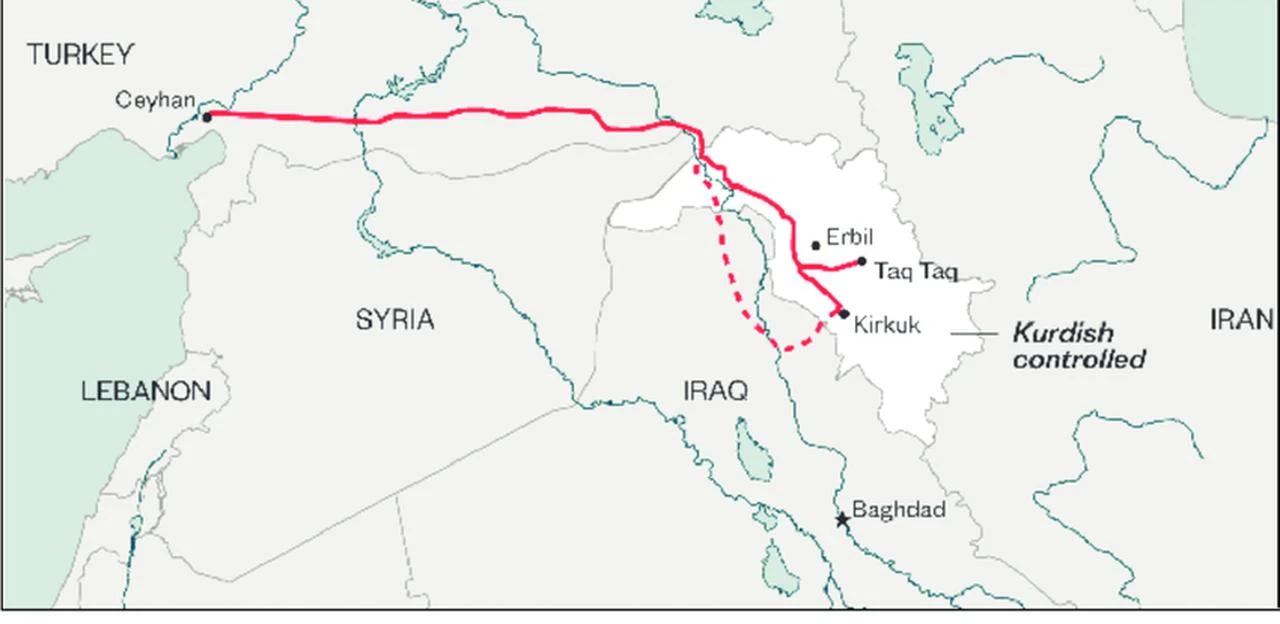
One Turkish official told Reuters the Kirkuk-Ceyhan pipeline, Baghdad's only operational crude export line, will remain in service. Any eventual agreement is expected to be backdated to July 27, the date the previous accord expired, Bloomberg suggested.
Earlier in July, an Iraqi delegation visiting Ankara held talks with Turkish officials, with the two sides reaching an understanding on a one-year interim agreement to keep oil flowing while negotiating a broader deal.
Energy and Natural Resources Minister Alparslan Bayraktar later confirmed the development, adding that oil flow via the pipeline may rise to 750,000 barrels per day (bpd) during the extension, up from current levels around 200,000 bpd.

Speaking alongside Zaidi in Ankara on Tuesday, President Recep Tayyip Erdogan said Türkiye aims to sign a comprehensive energy cooperation agreement with Iraq "as soon as possible."
He also revealed that Zaidi had proposed supplying Türkiye with 1 million barrels of Iraqi crude per day under the planned framework, while the two countries signed three cooperation agreements and finalized TPAO's acquisition of a 15% stake in BP Energy Company of Kirkuk Limited.
Türkiye decided last year not to renew the decades-old agreement, arguing that years of arbitration disputes and shifting regional energy dynamics called for a broader deal.
During the Iran conflict, Bayraktar also floated a proposal to extend the pipeline to Iraq's Basra region and eventually Kuwait, increasing its capacity first to 1.5 million barrels per day and later to 2.5 million bpd to provide an alternative export route bypassing the Strait of Hormuz.


 Set as preferred source
 Set as preferred source


 2 min read
 1 min read