Newsletters




Iraq and Türkiye are expected to sign an interim protocol to ensure the continuation of Iraqi oil exports before concluding a new bilateral pipeline agreement, following high-level talks in Ankara this week, Iraq's Foreign Ministry said on Friday.
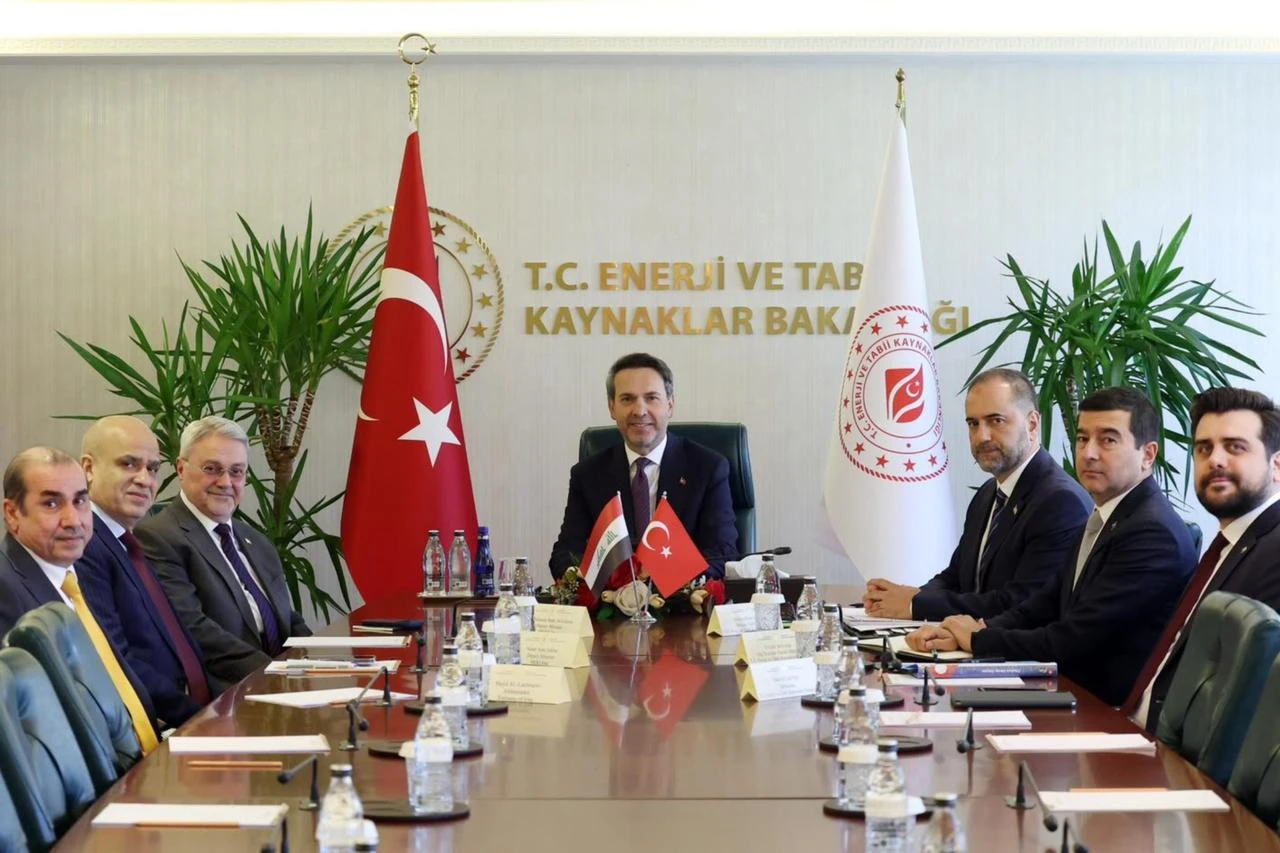
An Iraqi delegation led by officials from the foreign and oil ministries visited the Turkish capital on Wednesday and Thursday to discuss the future of the Iraq-Türkiye pipeline agreement and prospects for broader cooperation in oil exports and the energy sector, according to the ministry.
The Iraqi delegation, comprising Foreign Ministry Undersecretary Mohammed Hussein Bahr Al-Uloom, Oil Ministry Undersecretary Nasir Al-Hindawi and Ambassador Majid Al-Lajmawi, met Turkish Energy and Natural Resources Minister Alparslan Bayraktar to discuss ways to deepen energy cooperation and ensure uninterrupted Iraqi oil exports in line with the interests of both countries.
The two sides agreed to continue technical, legal, and coordination efforts, with the Iraqi Foreign Ministry saying the next phase is expected to bring the signing of an executive protocol to guarantee the continuation of Iraqi oil exports, including crude from northern Iraq.
The ministry noted that the protocol would serve as a transitional arrangement, paving the way for a new pipeline agreement between Baghdad and Ankara within one year of the current agreement's expiration.
The current Türkiye-Iraq Crude Oil Pipeline Agreement, signed in 1973 and governing crude shipments through the Kirkuk-Ceyhan pipeline, is due to expire on July 27 after more than five decades in force.
Earlier this month, Baghdad formally requested a one-year extension to allow more time to negotiate a replacement agreement.
Ankara, however, reportedly rejected the proposal, arguing the decades-old accord no longer reflected current commercial and legal realities after years of international arbitration and prolonged underutilization of the pipeline.
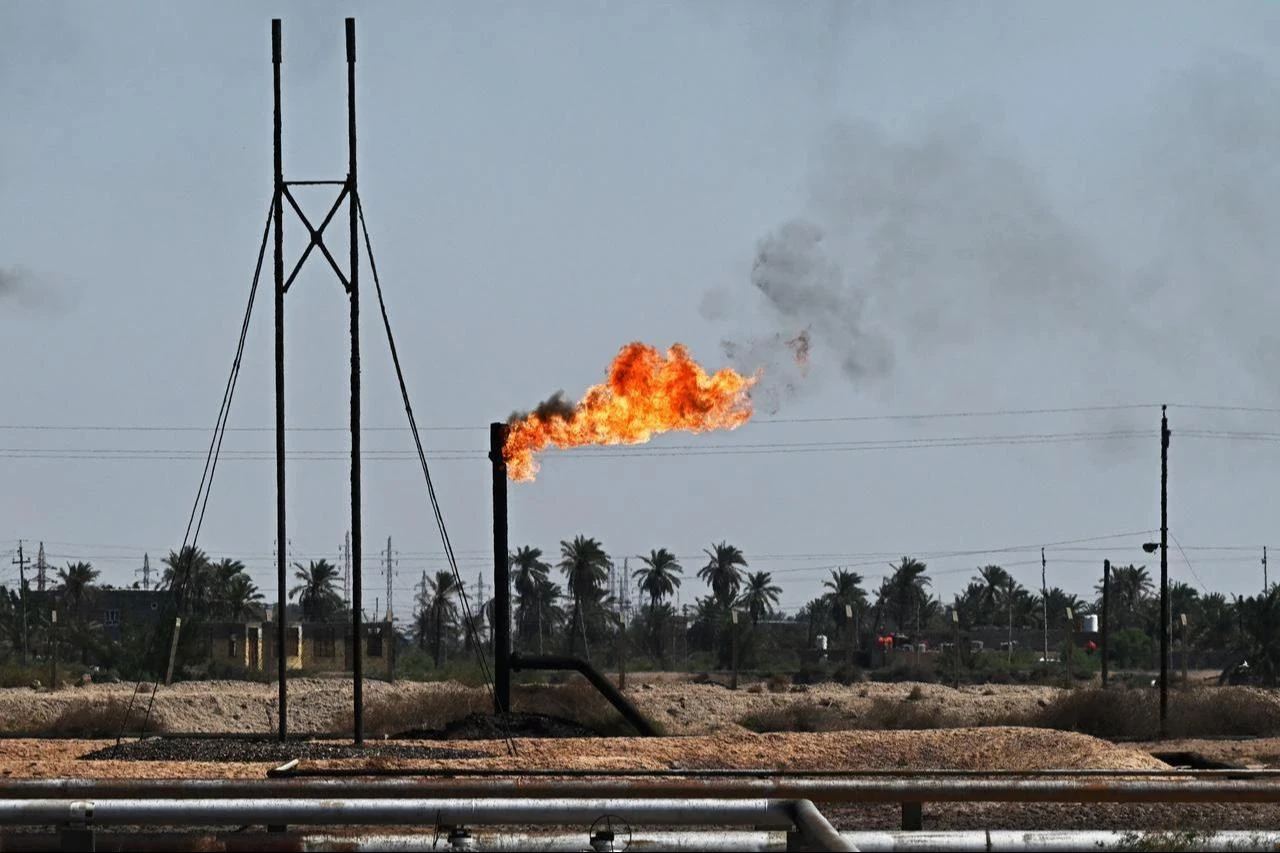

Oil flows through the pipeline were suspended for about two and a half years after an arbitration tribunal ordered Türkiye to pay Baghdad $1.5 billion in damages over unauthorized Kurdish oil exports between 2014 and 2018.
Exports from northern Iraq's oil fields resumed late last year, while a second arbitration case covering shipments from 2018 onward, along with enforcement proceedings in a U.S. court, remains unresolved.
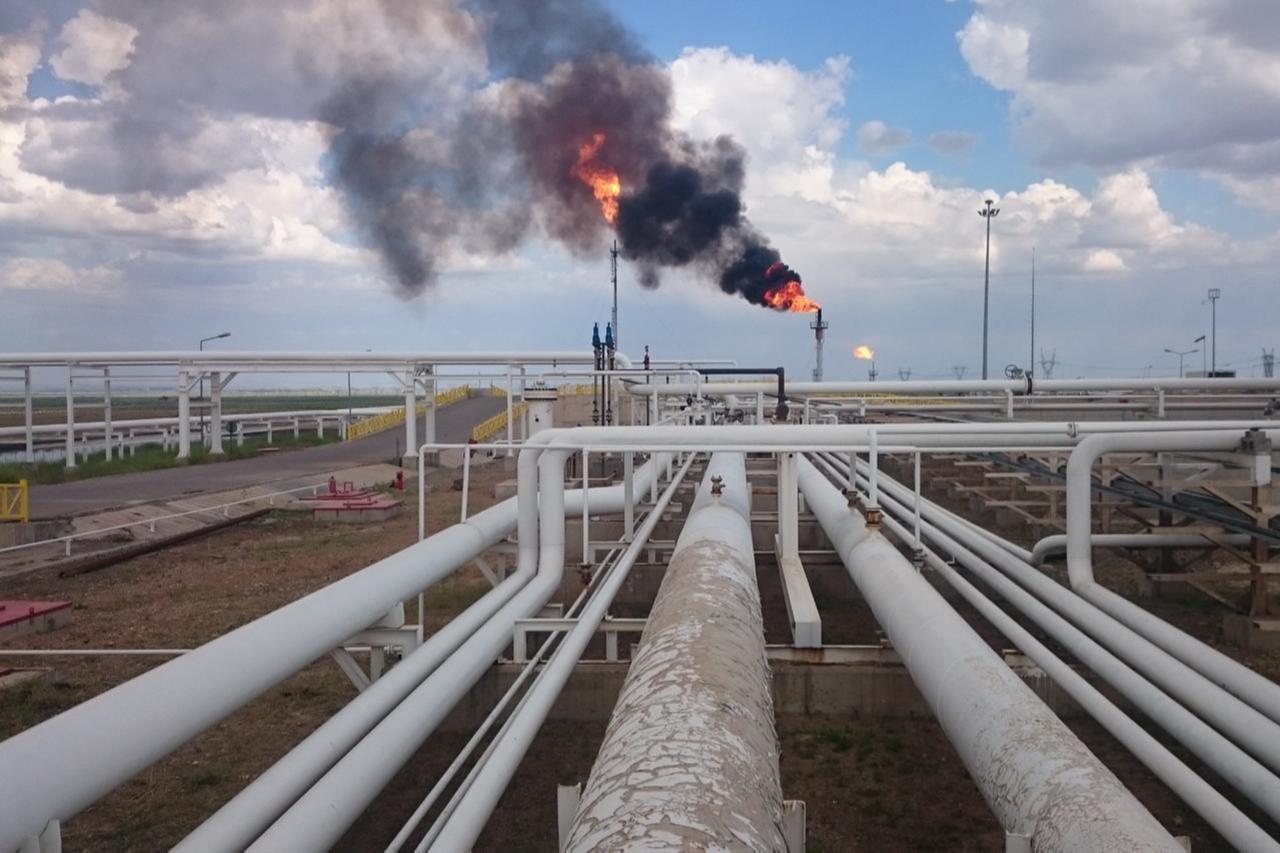
Rather than extending the existing treaty, Türkiye has pushed for a new agreement aimed at maximizing the use of the 970-kilometer (603-mile) Kirkuk-Ceyhan pipeline, which consists of two parallel lines with a combined capacity of nearly 1.5 million barrels per day.
The route links oil fields controlled by the Iraqi government and the Kurdish authorities to Türkiye's Mediterranean export terminal at Ceyhan, providing direct access to international markets.
The renewed focus on the northern export route comes after Baghdad reached an agreement with the Kurdish Regional Government in March, allowing federal crude from the Kirkuk oilfields to be exported through the region's pipeline network to Türkiye's Ceyhan terminal.
Under the deal, Iraq resumed exports at an initial rate of 170,000 barrels per day, with flows expected to rise to 250,000 bpd in the first phase. Iraqi authorities later announced plans in June to increase throughput to 770,000 bpd within about two and a half months.
Turkish officials have also proposed expanding broader energy cooperation, including extending the pipeline farther south into Iraq to connect with Basra, the country's largest oil-producing region.


 Set as preferred source
 Set as preferred source


 2 min read
 1 min read