Newsletters


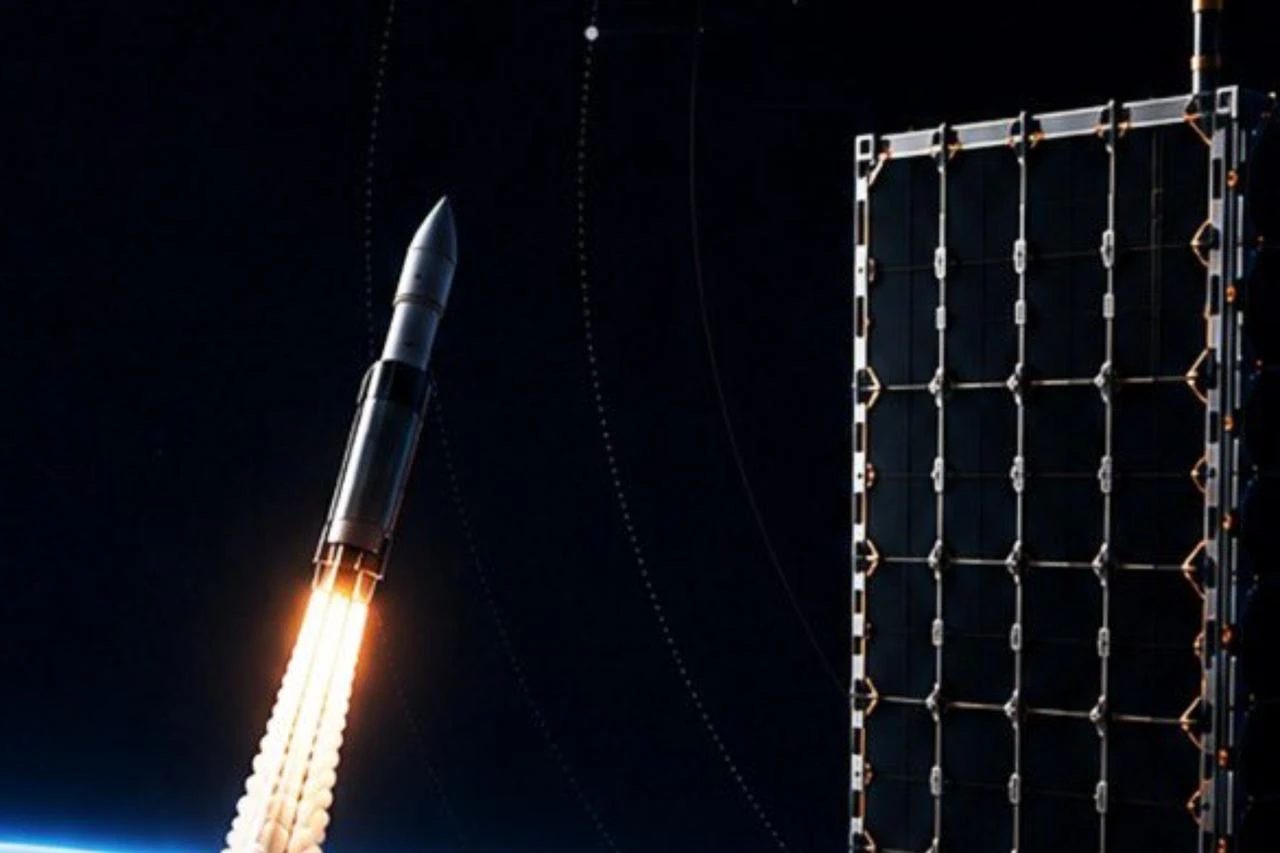


Türkiye’s domestically developed Rubidium Atomic Frequency Standard was successfully launched into space aboard SpaceX’s Transporter-17 mission, and the first signal from the spacecraft has been received, Industry and Technology Minister Mehmet Fatih Kacir said.
The atomic clock, developed as part of Türkiye’s National Space Program, is considered a critical technology for the country’s planned regional positioning and timing system.
“The Rubidium Atomic Clock, which is critical for the regional positioning and timing system included among the strategic goals of our National Space Program, was successfully launched into space as part of SpaceX’s Transporter-17 mission,” Kacir said in a written statement. “The first signal from the spacecraft was also successfully received.”
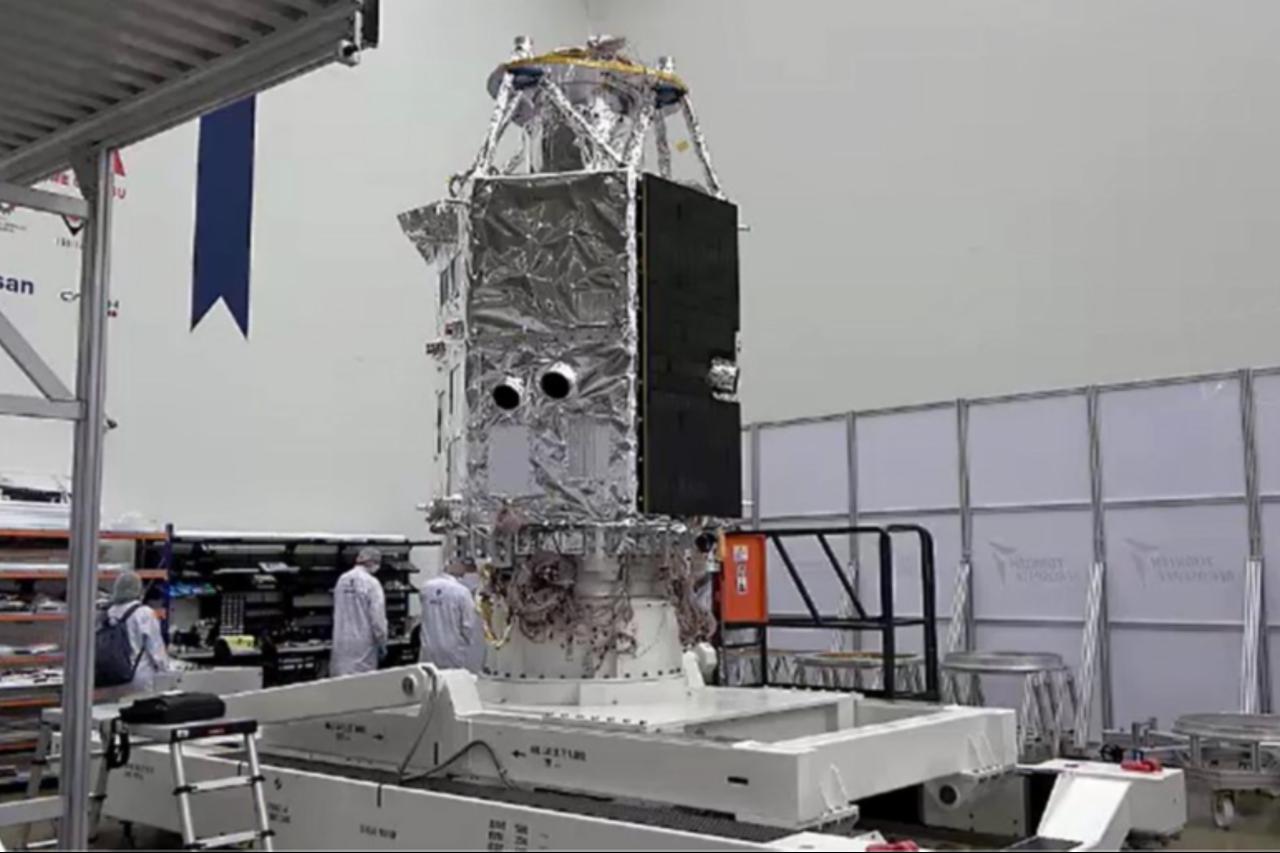
The Rubidium Atomic Clock will be validated in the space environment aboard a cube satellite.
Kacir said the project represents an important step toward developing Türkiye’s domestic capabilities in space-based timing and frequency technologies.
The clock was developed under the leadership of the Türkiye Space Agency, with the TUBITAK National Metrology Institute serving as the main contractor and TUBITAK Space and ITUNOVA contributing to the project.
Kacir described the mission as a milestone for future studies and said the technology would contribute to several critical areas, including communications, navigation, scientific research and satellite systems.


Atomic clocks measure time with extremely high precision by using the fixed oscillation frequencies associated with transitions between the energy levels of atoms and electrons as a reference.
Kacir said a rubidium atom oscillates between different energy levels 6 billion 834 million 682 thousand 610 times per second.
The domestically developed clock uses these highly stable oscillations to provide the precise timing and frequency measurements required by satellite and positioning systems.

Kacir said data obtained from the space mission would provide valuable experience for the development of high-precision atomic clocks that could be used in future satellite systems, communications infrastructure, navigation applications and scientific space missions.
“The data to be obtained will provide valuable gains for high-precision atomic clock technologies that can be used in future satellite systems, communications infrastructure, navigation applications and scientific space missions,” he said.
Kacir congratulated those who contributed to the project, describing it as an important demonstration of Türkiye’s vision to develop domestic technologies within its space ecosystem.
Kacir said the successful completion of the SpaceX Transporter-17 mission would place Türkiye among the countries possessing atomic clock technology validated in space.
The technology had previously been obtained from abroad, but the project will allow it to be developed through domestic resources.
“This critical technology, which has until now been supplied from abroad, will be developed through national capabilities,” Kacir said.
He added that domestic production would provide cost and supply advantages for satellite manufacturers while reducing Türkiye’s dependence on foreign sources.
Kacir said the engineering, testing and operational experience gained through the project would also strengthen Türkiye’s ability to develop next-generation satellite systems and space technologies.
The space-based validation process will allow the performance of the Rubidium Atomic Clock to be assessed under actual space conditions.
The results are expected to support Türkiye’s work on its regional positioning and timing system, one of the strategic objectives included in the National Space Program.


 Set as preferred source
 Set as preferred source


 1 min read

 1 min read