Newsletters




Türkiye's manufacturing sector showed its strongest performance in more than two years in May, with factory activity stabilizing after months of weakness and output returning to growth.
The Istanbul Chamber of Industry's (ISO) Manufacturing Purchasing Managers' Index (PMI) climbed to 49.8 in May from 45.7 a month earlier, reaching its highest reading since March 2024 and moving within touching distance of the 50-point threshold that separates expansion from contraction.
The latest improvement followed a difficult start to 2026, when manufacturers grappled with weak demand, rising costs and fallout from the war in the Middle East. April marked the sector's weakest month in more than a year and a half, but May data pointed to a notable shift in momentum.
A key driver behind the stronger PMI reading was the return of production growth. Manufacturers increased output in May after April's sharp slowdown, with companies reporting improving conditions in overseas markets.
Export orders expanded during the month, ending a stretch of nearly two years of contraction. The recovery in foreign demand helped lift production, although it was not enough to push total new orders back into growth territory.
Many firms continued to report subdued customer demand, attributing softer order books to uncertainty, higher prices and the ongoing Iran war. Employment levels also continued to edge lower. However, the pace of job cuts eased considerably and was the slowest recorded so far this year.
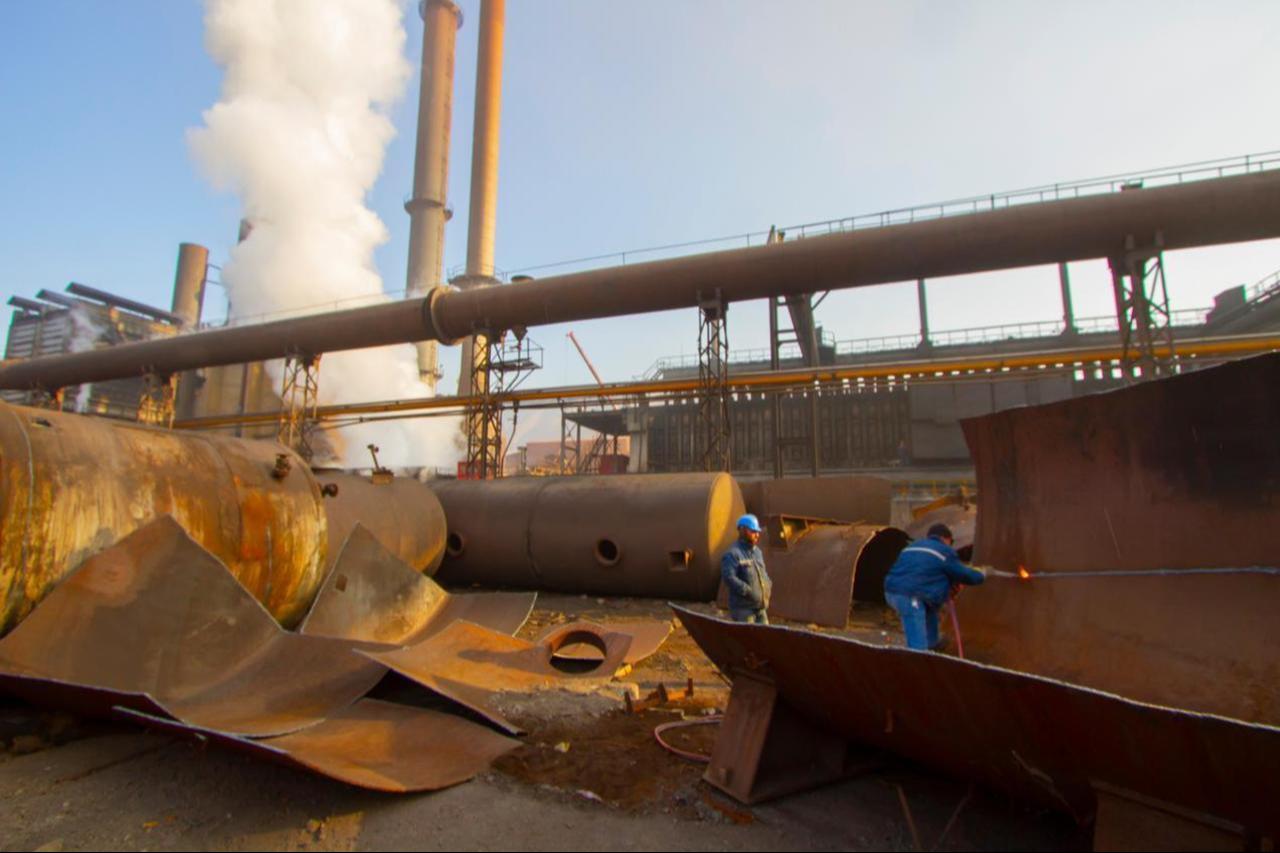

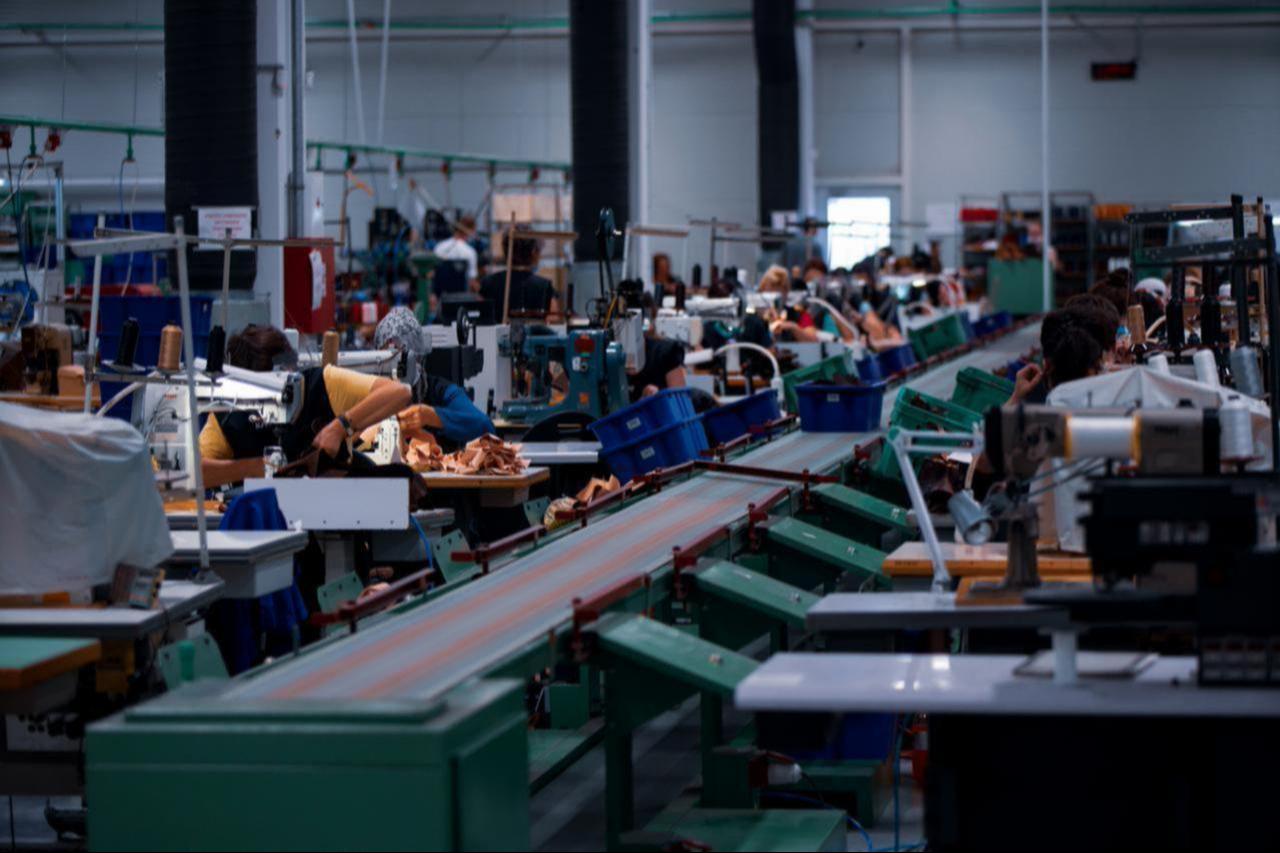
Beneath the headline improvement, conditions varied sharply among manufacturing industries. Clothing and leather products remained the standout performer, extending output growth for a second straight month and becoming the only sector to record production increases in both April and May. At the other end of the spectrum, textile producers experienced the steepest slowdown in activity.
Export demand remained uneven, with growth in foreign orders limited to the chemicals, plastics, and rubber sectors and clothing and leather goods.
Manufacturers continued to face challenges beyond demand conditions. Supplier delivery times lengthened across most sectors during May, reflecting ongoing disruptions in supply chains.
Delays were particularly pronounced in chemicals, plastics and rubber, where supplier performance deteriorated at the fastest pace since early 2024.
At the same time, some companies appeared to be building precautionary inventories. Purchasing activity showed signs of stabilizing in several industries, and firms increased efforts to secure inputs amid concerns over potential supply disruptions. Despite those efforts, stock levels rose in only one sector—clothing and leather products.
Andrew Harker, economics director at S&P Global Market Intelligence, described May as a more encouraging month for Turkish manufacturers, noting that renewed growth in exports helped support a modest increase in production.
Part of the rise in purchasing activity, however, reflected attempts by firms to build safety stocks against disruptions linked to the conflict in the Middle East, he noted.
"Given the continued sharp rises in input costs and delays across supply chains, it remains uncertain whether the expansion seen in May will prove sustainable," Harker said.
He added that whether total new orders follow exports back into growth territory will be a key indicator for the sector's performance in the months ahead.


 Set as preferred source
 Set as preferred source


 1 min read
 1 min read