Newsletters


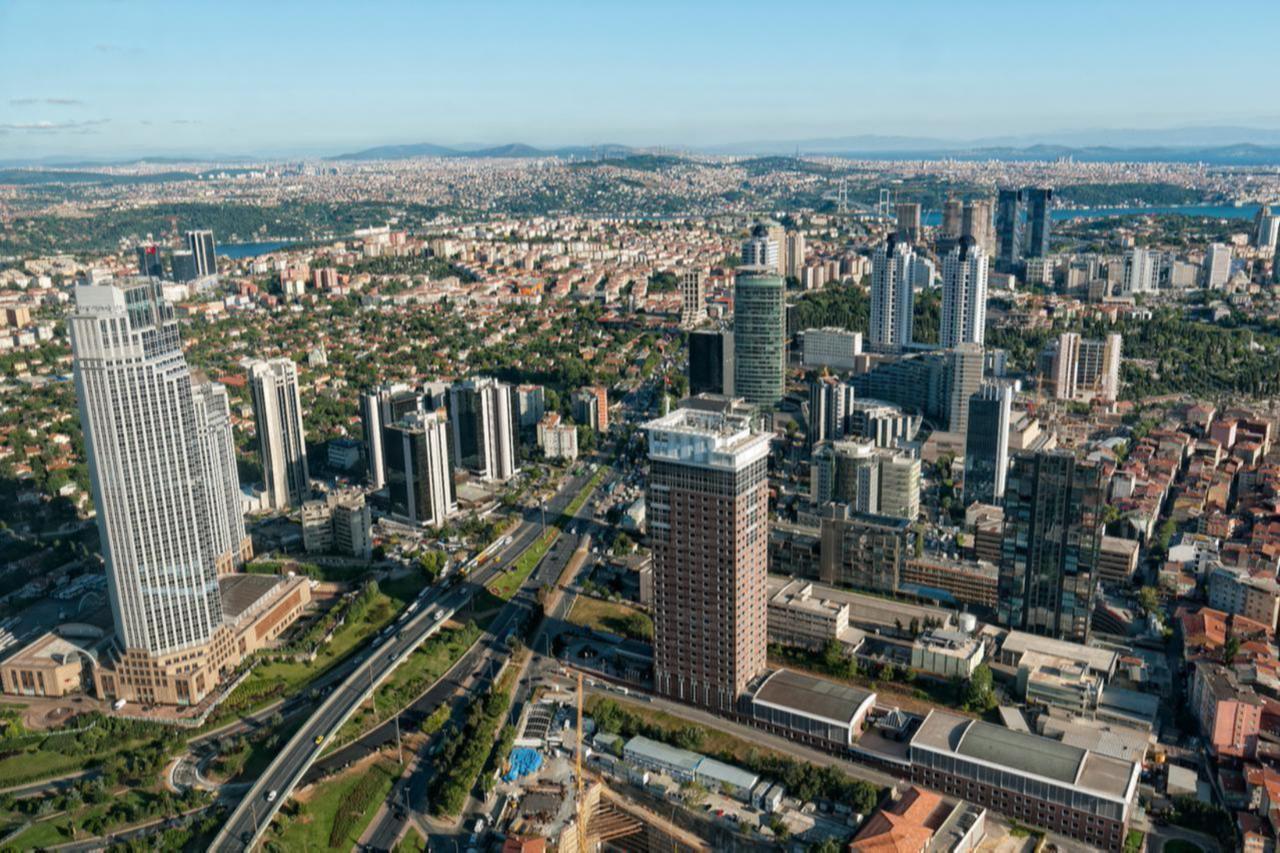


Türkiye’s economic growth eased to 2.5% in the first quarter of 2026 as a steep drop in exports weighed on activity, official data showed Monday, while analysts pointed to the fallout from the Iran war as a growing risk to the broader economic outlook.
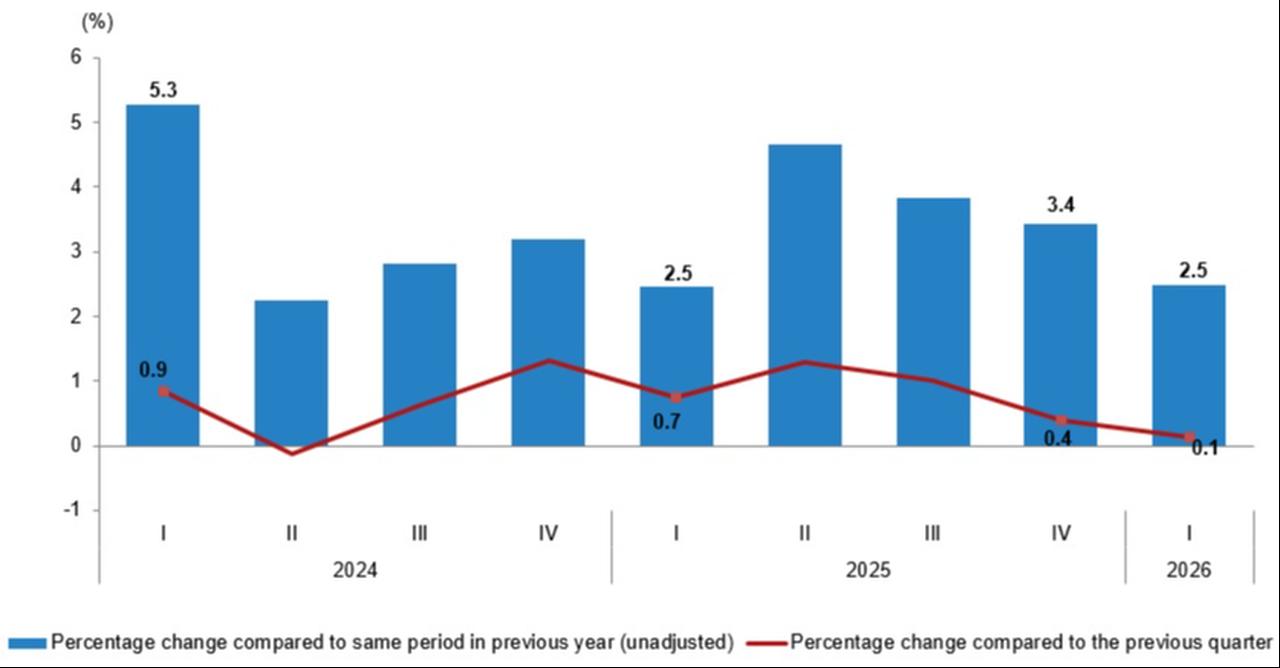
Gross domestic product (GDP) expanded 2.5% year-over-year in the January-March period, slowing from 3.4% in the previous quarter and falling short of market expectations of 2.7%. The economy edged up just 0.1% from the previous quarter, indicating a marked loss of momentum at the start of the year.
Foreign trade emerged as the main weakness during the quarter. Exports of goods and services fell 12.7% compared with the same period last year, while imports declined 2%.
Domestic demand, however, continued to support economic activity. Household consumption expenditure rose 4.8% year-over-year, government consumption increased 2.1%, and gross fixed capital formation advanced 3%.
Among major sectors, information and communication posted the strongest performance, with value added rising 9.5% from a year earlier. Other service activities grew 5.2%, while agriculture, forestry and fishing expanded 4.6%. In contrast, the industrial sector contracted 0.8% during the quarter.
TurkStat data also showed compensation of employees increased 35.9% year-over-year in the first quarter, while net operating surplus and mixed income rose 34.4%.
The share of employee compensation in gross value added remained unchanged at 42.7%, while the share of net operating surplus and mixed income slipped to 35.8% from 36.3% a year earlier.
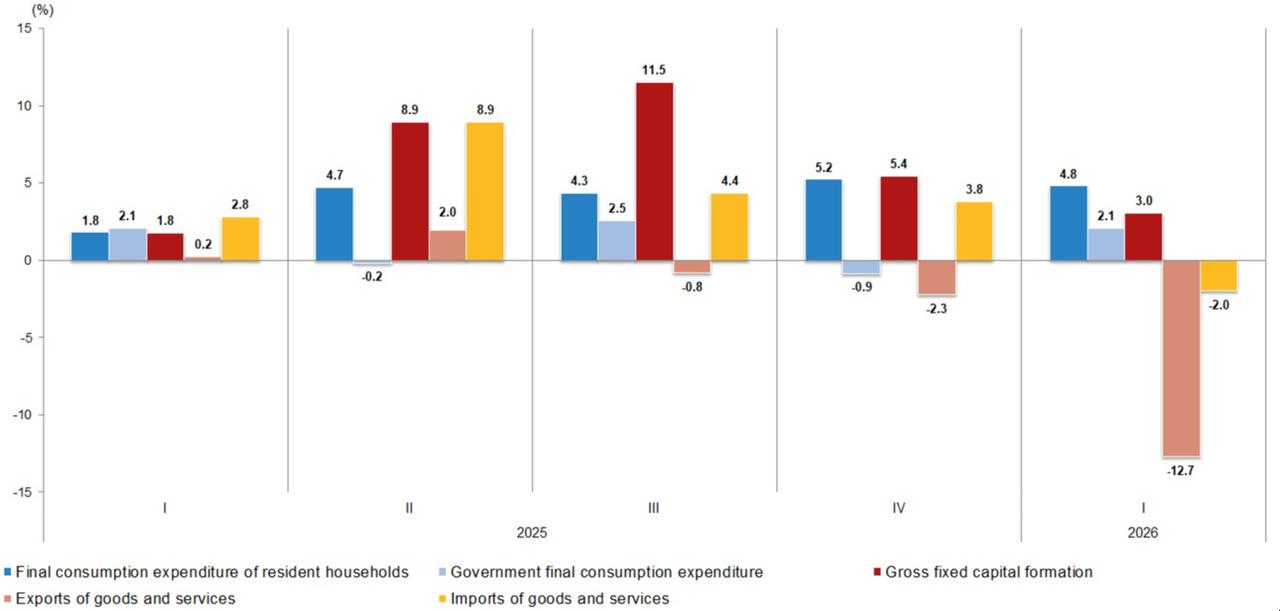

The growth figures highlighted a widening gap between resilient consumer demand and a weakening external sector, with exports posting their sharpest decline in years while industrial activity slipped into contraction.
Local brokerage Alnus Yatirim said the sharp 12.7% decline in exports during the first quarter likely reflected the impact of the Iran war alongside weakening industrial activity, warning that those pressures could become more pronounced across the economy in the months ahead.
"We are likely to observe the effects of the war more closely across many sectors, particularly industry, in the second quarter," the brokerage said.
While weaker trade weighed on growth, household consumption remained resilient in the first quarter, supported by wage increases. Looking ahead, the firm expects consumer spending to lose some momentum, though exports could show a modest recovery from first-quarter levels.
Still, the brokerage said economic activity could regain momentum later in the year if regional tensions ease and geopolitical risks stabilize by the end of the second quarter.
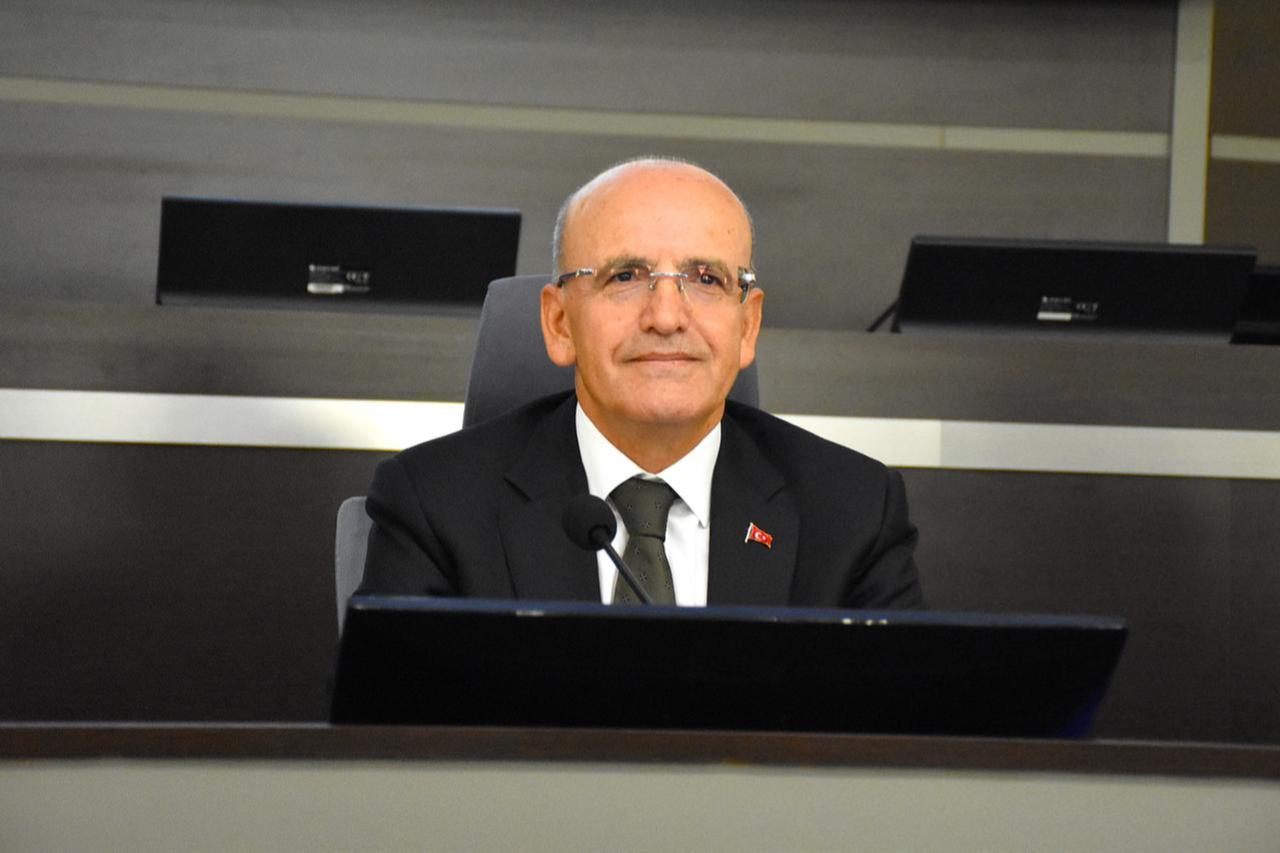
Treasury and Finance Minister Mehmet Simsek described the first-quarter growth figures as evidence of the economy's resilience amid global uncertainty and regional tensions. He noted that Türkiye has maintained uninterrupted growth for 23 consecutive quarters despite multiple shocks.
Simsek said annualized national income exceeded $1.6 trillion, while weak external demand and sluggish conditions in key export markets weighed on growth during the January-March period.
He attributed the contraction in industrial output to global economic conditions and calendar effects, while noting that agriculture rebounded 4.6% after being hit by frost and drought last year and is expected to support growth throughout 2026.
The minister also emphasized the impact of higher commodity prices and weaker global demand, which pushed the annual current account deficit to $39.7 billion, equivalent to 2.4% of gross domestic product.
While rising energy costs have temporarily slowed the disinflation process, Simsek said the government's commitment to restoring price stability and maintaining fiscal discipline remains unchanged.
"We are going through a period in which the short-term effects of the war in our nearby region are being felt," Simsek said. "While taking the necessary steps to limit these effects and support our real sector, we are maintaining a disciplined stance in the budget."
He added that shifts in global production and trade dynamics present medium-term opportunities for Türkiye, citing the country's strategic location and strong manufacturing base.
Simsek pledged to continue policies aimed at strengthening macroeconomic stability, boosting high-value-added production and exports, and supporting sustainable growth.


 Set as preferred source
 Set as preferred source


 1 min read
 1 min read