Newsletters


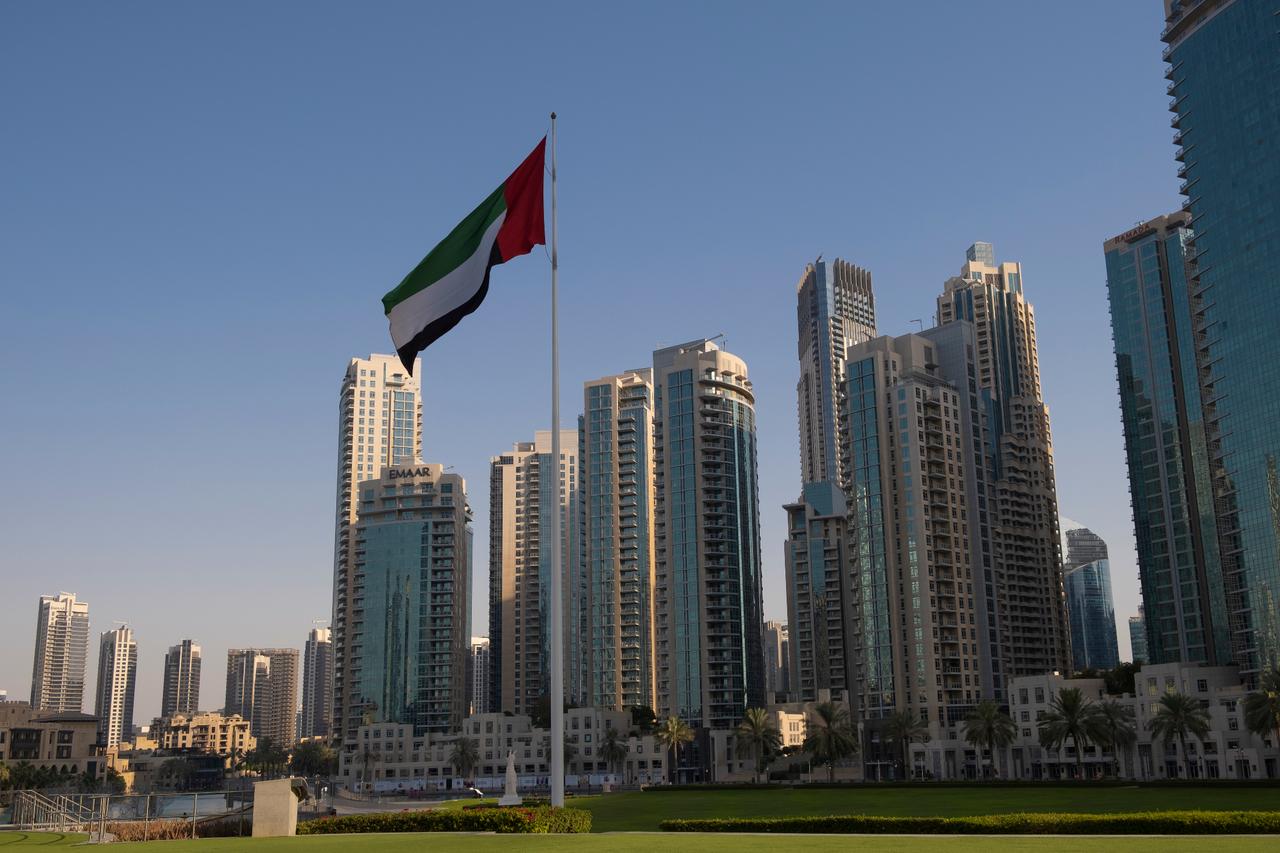


The United Arab Emirates is set to cancel residence permits for thousands of Iranian nationals, according to Iranian media reports, with the move said to be tied to a long-term leasehold system that allows extended residency through property ownership.
The reported policy centers on a 99-year leasehold arrangement, a property model in which foreign nationals can secure long-term usage rights to real estate without full freehold ownership.
In practice, such arrangements have been used in parts of the UAE to support extended residency eligibility, including for investors and property buyers.
Under this framework, some Iranian nationals had obtained residency permits linked to real estate holdings or long-term investment structures.
Reports now suggest these permits are among those being canceled, including cases involving individuals holding long-duration residency status.
Some Reddit threads posted by individuals indicate that many discovered their residence permits had been revoked while outside the country, preventing their return.
The cancellations reportedly extend to various categories of residency, including permits tied to employment, family sponsorship, and long-term investment schemes.
Individuals said their residency status was terminated despite holding long-term permits linked to property or investment arrangements. In several cases, non-Iranian family members were still able to re-enter the UAE.
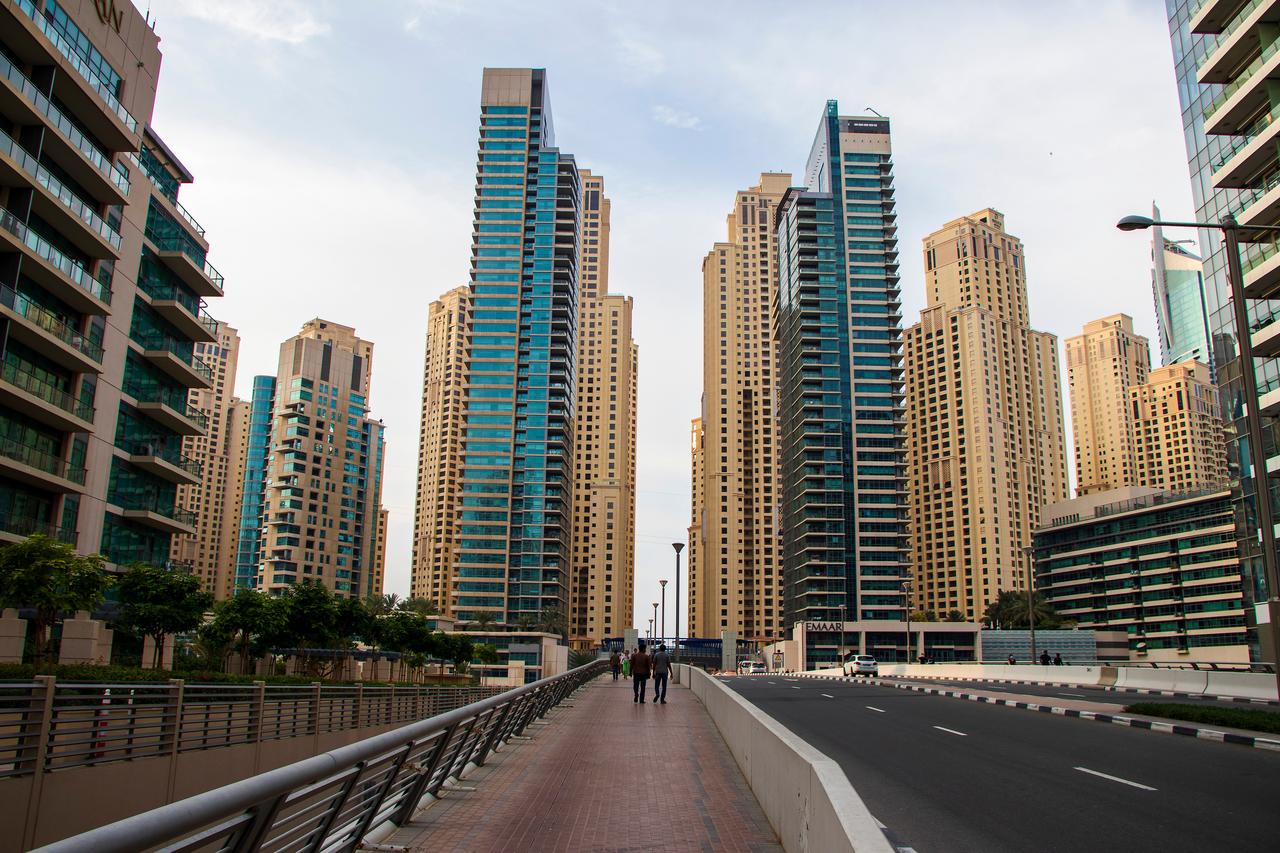

No official statement has been issued by UAE authorities confirming the scope or legal basis of the reported cancellations.
The reported visa revocations come alongside wider restrictions affecting Iranian-linked entities in the UAE.
Several institutions, including schools, a hospital, a cultural association, a university branch, and a mosque, have seen operations suspended.
Staff connected to these institutions have also been affected, with some losing their residency permits. At least five Iranian schools have closed, and student records have been returned to families.
 Breaking News, Direct to You.
 Follow Türkiye Today on WhatsApp
for real-time updates and key insights from Türkiye and beyond.
Follow Türkiye Today on WhatsApp
for real-time updates and key insights from Türkiye and beyond.
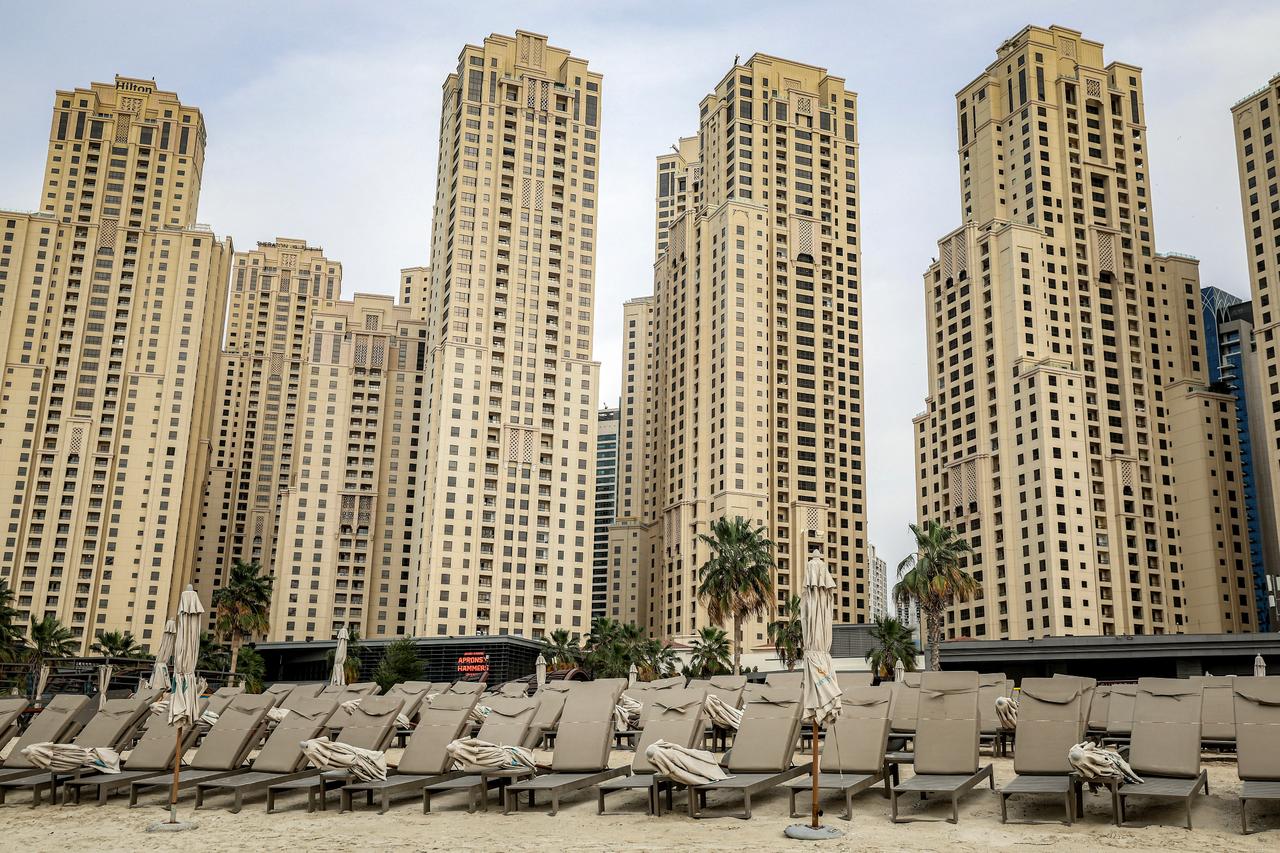
Iranian nationals are among the top foreign investors in Dubai’s real estate market, using it as a hub for investment and asset protection, with holdings in the billions and Iranian media reporting figures as high as $530 billion.
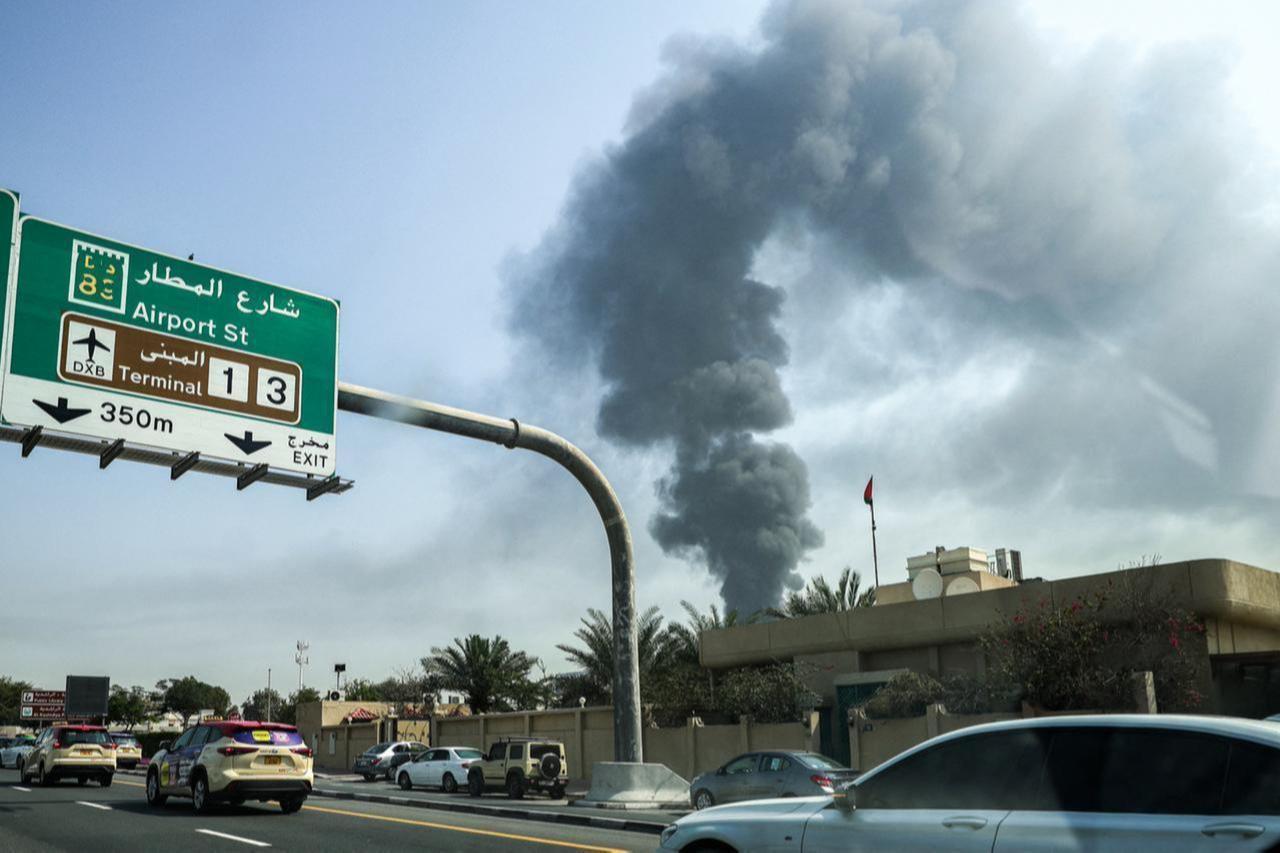
The developments follow a sharp escalation in regional tensions after joint U.S.-Israeli strikes on Iran, which were followed by Iranian attacks targeting countries in the region, including the UAE.
According to official figures, Iran launched 393 ballistic and cruise missiles and 1,835 drones toward the UAE, resulting in at least 10 deaths and 171 injuries.
Senior UAE officials have recently taken a more direct tone. Foreign Minister Abdullah bin Zayed Al Nahyan described Iran as "terrorist," while President Mohamed bin Zayed Al Nahyan referred to the country as an "enemy."
Despite widespread reports, the lack of official confirmation has left many residents uncertain about their legal status.
Some believe the measures may be temporary and linked to security concerns during the ongoing conflict.
The Iranian expatriate population in the UAE is estimated at between 500,000 and 800,000, suggesting the potential scale of the impact could be significant.
For now, individuals affected by the reported cancellations remain unable to return, with no clear timeline for resolution.


 Set as preferred source
 Set as preferred source


 1 min read
 1 min read