Newsletters


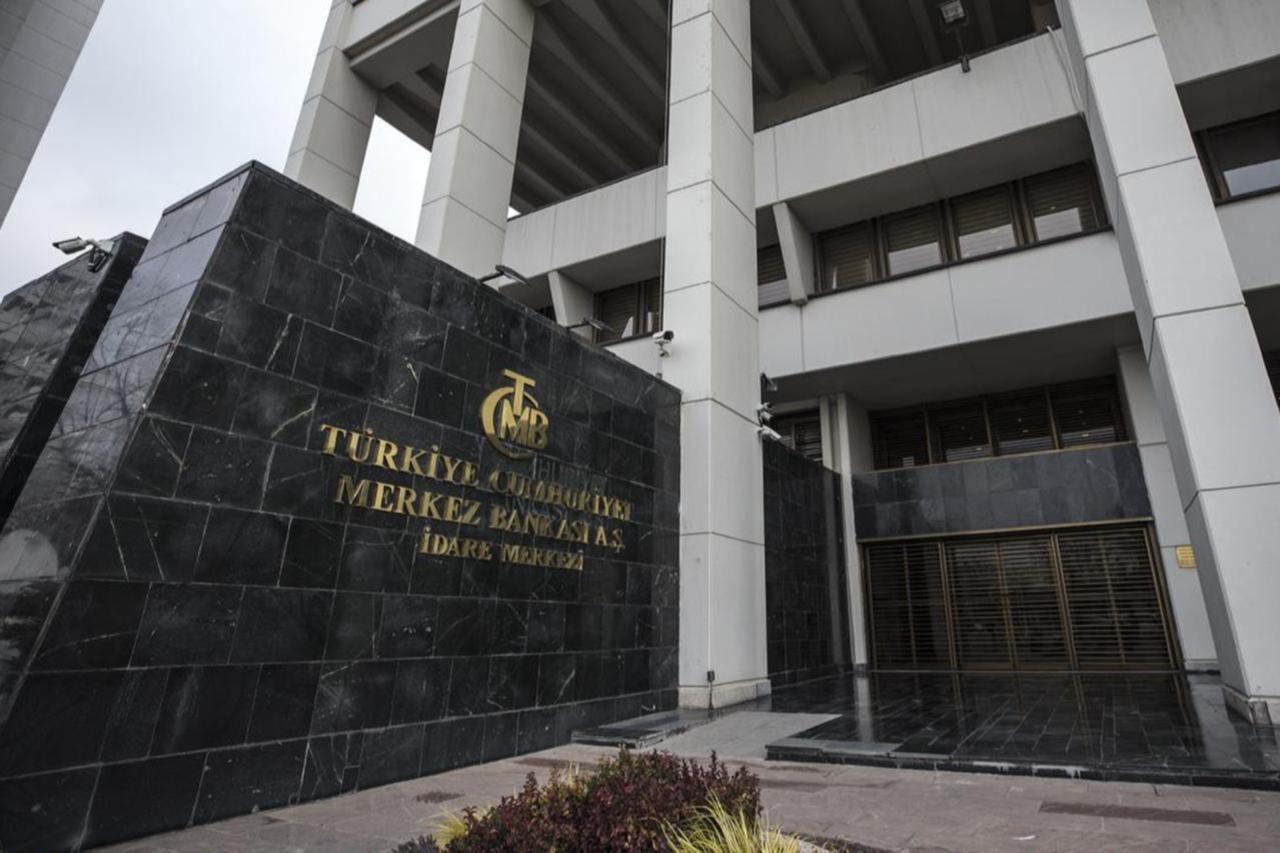


German lender Deutsche Bank expects Türkiye could restart its rate-cutting cycle in July with a 100-basis-point cut, tying the timing to a potential easing of pressure from the Iran war and its impact on inflation and markets.
The Central Bank of the Republic of Türkiye (CBRT) is likely to keep its policy rate unchanged at 37% at the upcoming Monetary Policy Committee meeting tomorrow, April 22, maintaining a cautious stance for now, the bank said in a note.
Policymakers are likely to keep steering effective funding costs toward 40% through liquidity operations, maintaining tight conditions without formally raising the policy rate. Banks were pushed toward overnight borrowing after the outbreak of the war, and that framework has remained in place.
The central bank kept its policy rate unchanged at the March meeting, pausing the easing cycle while citing ongoing geopolitical tensions and inflation risks.
A recent ceasefire has helped ease pressure on reserves and lifted risk appetite, but the broader macro outlook still carries uncertainty, Deutsche Bank's report said.
High energy prices, a deteriorating current account balance, persistent geopolitical risks and worsening inflation expectations continue to weigh on policy decisions.
At the same time, slower domestic activity, limited demand for foreign currency and a recovery in reserves reduce the immediate need for a rate hike, creating a more balanced but still fragile picture.
The bank added that a more formal tightening step, raising the policy rate to 40% and normalizing the funding structure, cannot be ruled out if inflation expectations deteriorate further.
For 2026, Deutsche Bank revised its year-end policy rate forecast slightly higher to 34% from 33.5%.
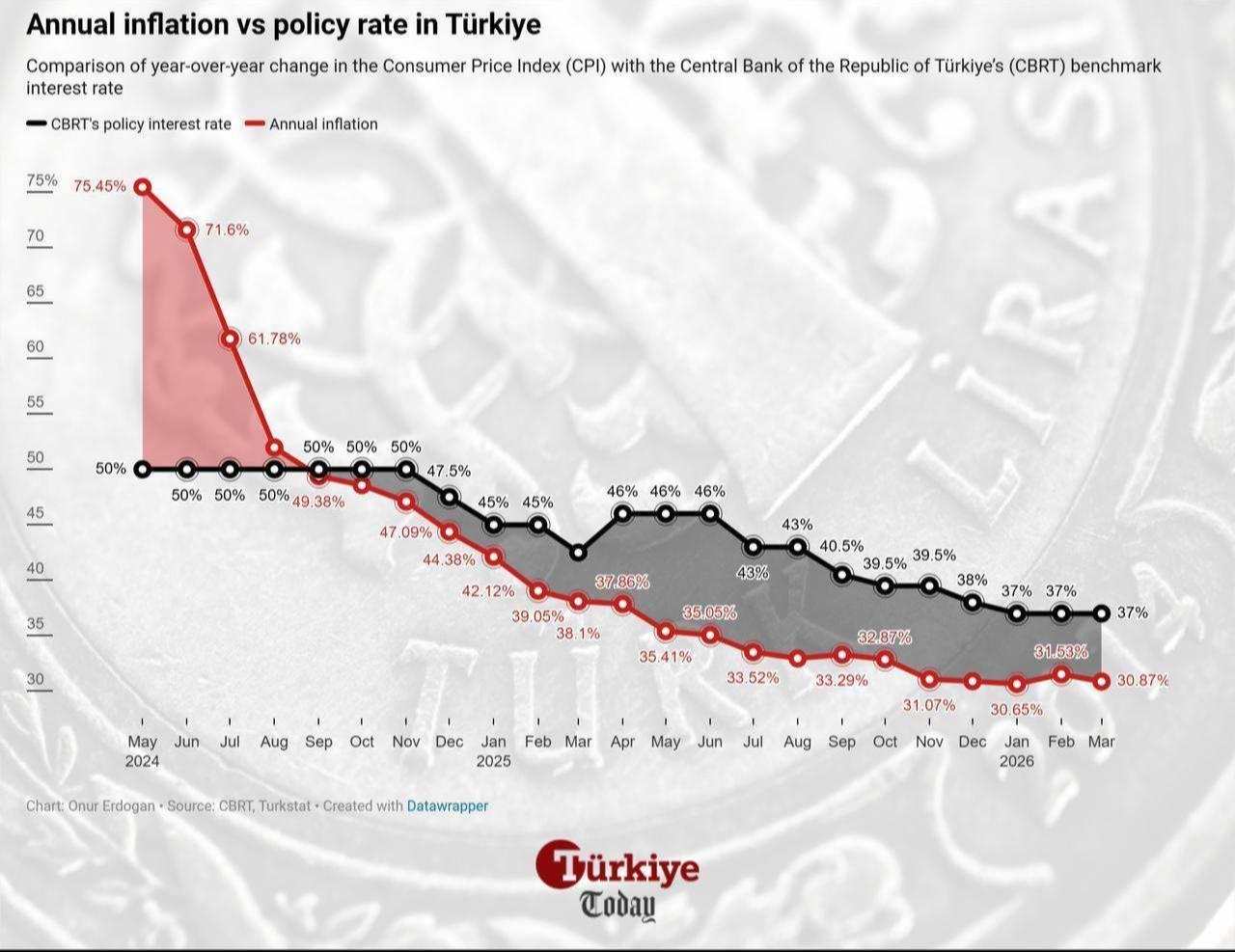

Separately, U.S. investment bank Citigroup assessed that inflation in Türkiye may remain elevated for longer, adding that a complementary rate hike may be needed to reinforce credibility amid a faster depreciation of the Turkish lira.
The central bank has allowed the lira to depreciate at a slower pace than inflation, effectively resulting in a real appreciation of the currency, the bank recalled on its note.
It also pointed out that officials do not see the lira as a major competitiveness barrier for tourism or exports, suggesting no significant shift in the current policy stance focused on stabilizing the currency.
Recent signals pointing to easing tensions in the Middle East support a more measured policy step, the bank added. It also expects the central bank to revise its inflation forecast in May, in its second inflation report of the year, once there is greater clarity on the duration of the conflict.
In its first inflation report in February, the central bank raised its inflation projection range to 15%-21% from 13%-19%, while keeping its 16% interim target unchanged.


 Set as preferred source
 Set as preferred source


 1 min read
 1 min read