Newsletters


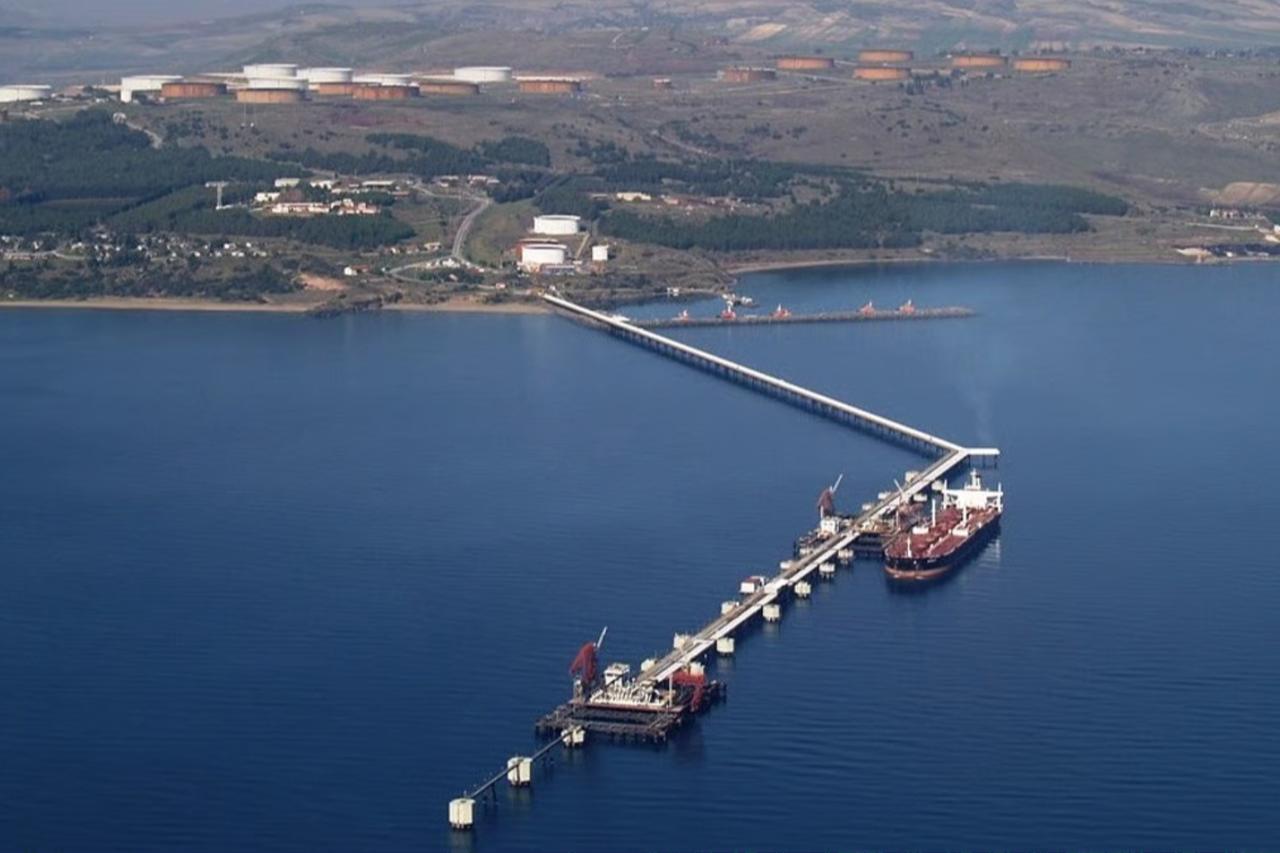


Türkiye has gained an advantage in rerouting oil and gas flows away from the Strait of Hormuz through proposed projects such as a Basra-Ceyhan pipeline and the expansion of the Baku-Tbilisi-Ceyhan (BTC) line, the head of the International Energy Agency said.
"Türkiye’s advantage is that the oil and gas arriving there can be transported both to the Mediterranean and to Europe," Fatih Birol said, pointing to the country’s role as an alternative transit hub, particularly after the Iran conflict.
Since the war began on Feb. 28, disruptions in the Strait of Hormuz have tilted the global energy markets, with oil and gas prices nearly doubling as shipments through the waterway effectively halted due to Iran's restrictions and heightened security risks.
Earlier in the conflict, Turkish Energy Minister Alparslan Bayraktar again raised a proposal to extend the existing Ceyhan-Kirkuk oil pipeline toward Iraq’s Basra, where a large share of the country’s exports is handled.
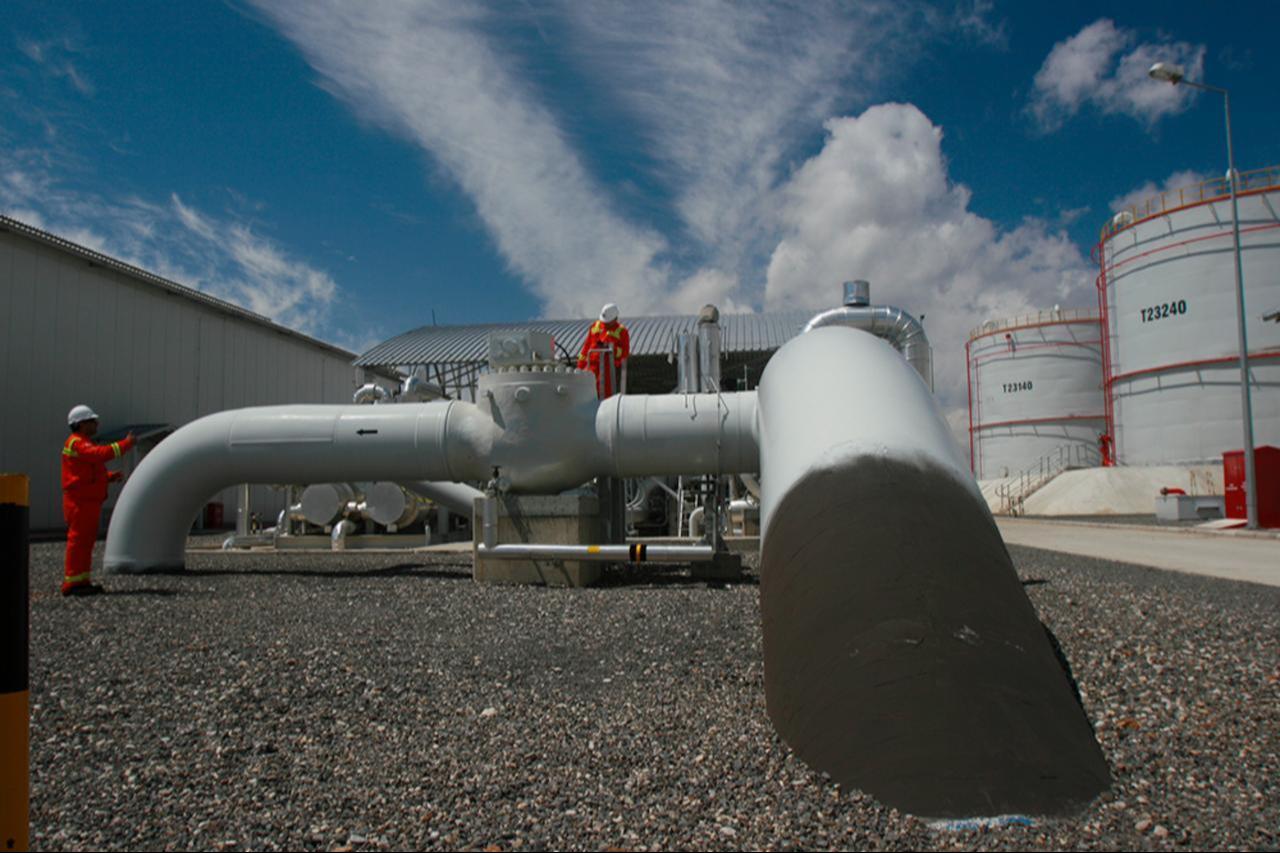
The pipeline has a capacity of 1.5 million barrels per day but currently carries around 450,000 barrels per day, as the section linking Baghdad’s Kirkuk oil fields remains impaired.
The BTC pipeline, a major crude oil export route carrying the Caspian oil from Azerbaijan to Türkiye’s Mediterranean coast, has a capacity of around 1.2 million barrels per day, making it one of the key arteries linking the Caspian energy resources to global markets.
The line terminates at the Ceyhan port on Türkiye’s Mediterranean coast, where crude is loaded onto tankers for shipment to European and global markets, offering an alternative export route that bypasses chokepoints such as the Strait of Hormuz.

Global oil supply has plunged by 13 million barrels per day due to disruptions in Hormuz, against a demand of around 100 million barrels, while natural gas supply has dropped by roughly 100 billion cubic meters, according to the IEA. More than 200 oil and petroleum product tankers, along with 10 liquified natural gas (LNG) vessels, are currently loaded and waiting in the Gulf for passage.
"When we look at both, we are facing a crisis bigger than the sum of previous energy crises," Birol said, reiterating earlier warnings that the world economy’s reliance on a narrow chokepoint like Hormuz is unsustainable, noting that a prolonged closure could effectively paralyze economic activity.
The disruption extends beyond oil and gas, hitting critical commodities such as fertilizers, sulfur, helium, and petrochemical products, raising concerns across global supply chains.
The conflict has damaged 84 energy facilities across the Middle East, including oil fields, refineries and LNG terminals, with 34 assessed as "seriously and very seriously damaged," Birol noted.
"Even if the Strait of Hormuz opens immediately in a safe and convincing way, to expect oil and natural gas supply to return to pre-war levels would be optimistic," he explained. "We must all be prepared for a volatile oil market in the coming months."
A reopening of the Strait of Hormuz could allow these volumes to reach markets and provide temporary relief. However, sustained recovery depends on ensuring the route remains reliably open, enabling insurers to cover shipments and trade flows to resume, he highlighted.
High prices pose significant risks for developing economies, potentially accelerating inflation and widening external imbalances. "My biggest concern is that this situation creates a risk of a debt spiral for many countries," he warned.


 Set as preferred source
 Set as preferred source


 1 min read
 1 min read