Sign in
 Newsletters




Türkiye plans to push domestic oil production above 160,000 barrels per day in 2027, as new discoveries and expanded drilling operations are expected to generate $5.6 billion in annual savings by reducing the country's current account deficit.
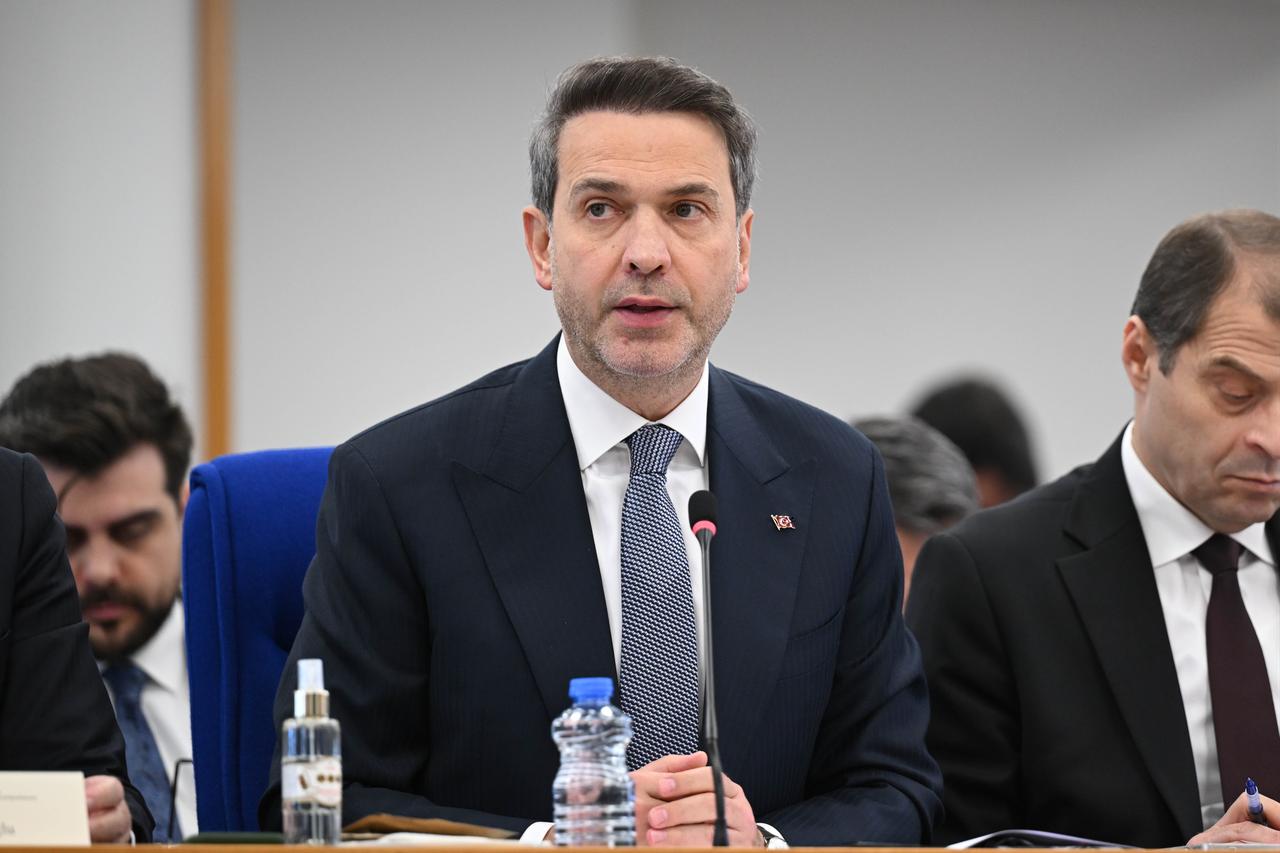
Energy and Natural Resources Minister Alparslan Bayraktar gave the figures during a presentation on his ministry's 2027 budget before Parliament's Planning and Budget Committee.
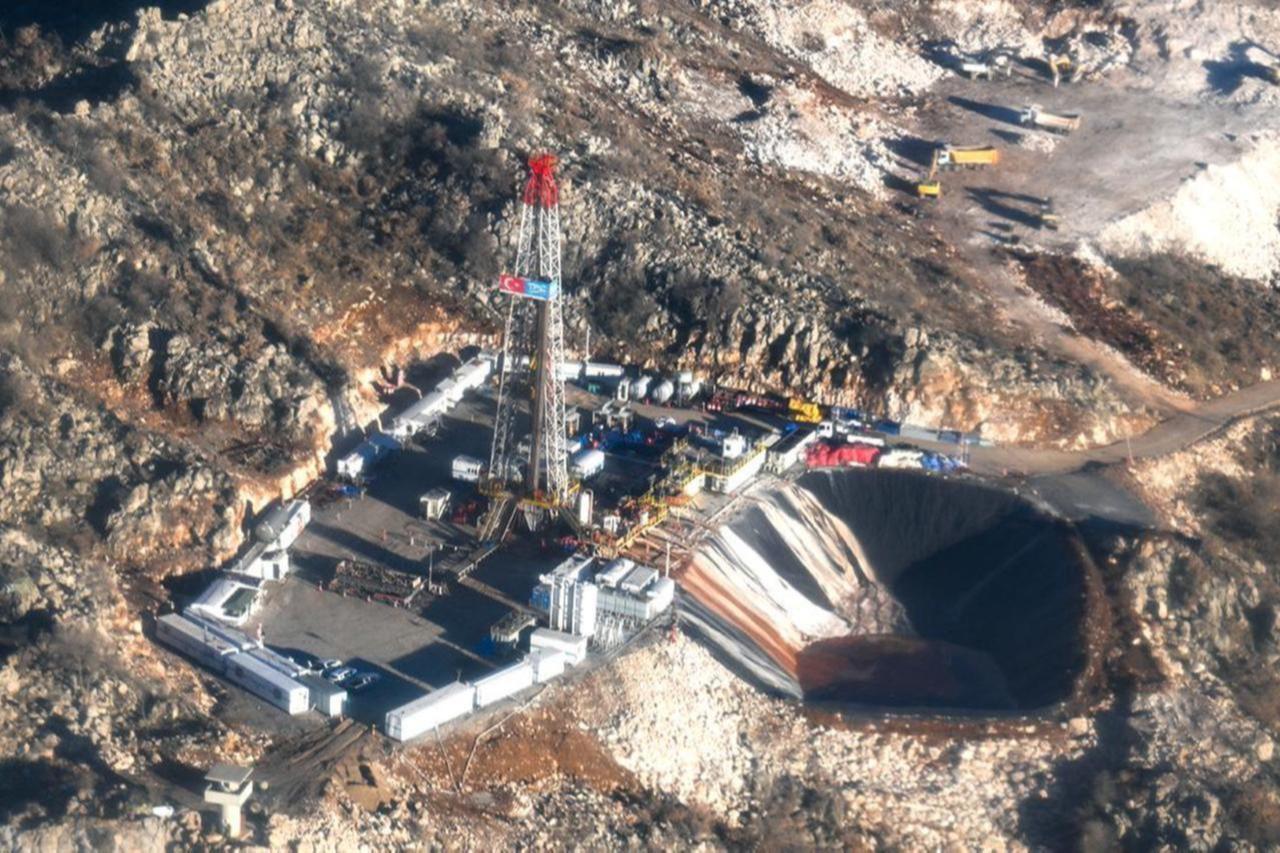
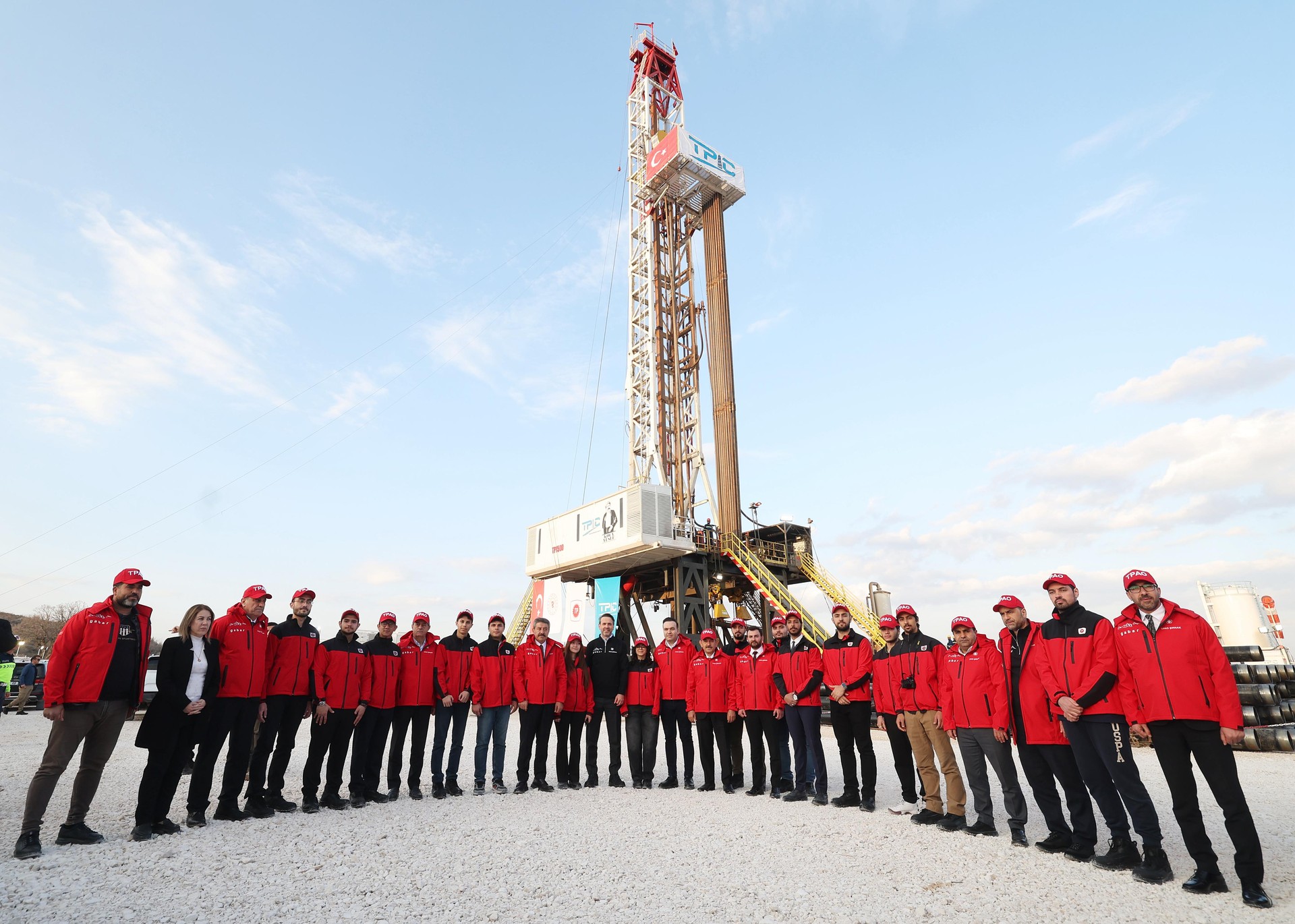
Türkiye's Gabar oil field in southeastern Sirnak province has already surpassed 84,000 barrels per day in production, while exploration in the Gaziler and Cardakli fields has uncovered an additional 135 million barrels of reserves, according to Bayraktar.
Beyond the latest discoveries, Ankara is looking to scale up the operations of state-owned Turkish Petroleum Corporation (TPAO), with a target of reaching 1.7 million barrels of combined oil and natural gas production per day by 2040.
Türkiye is also expanding its exploration footprint overseas. The Cagri Bey drilling vessel continues operations in Somali waters, while the Oruc Reis research vessel has started seismic surveys in Pakistan.
Bayraktar also outlined several international partnerships, including participation in a strategically important oil production field in Iraq's Kirkuk region, a 33% stake in exploration activities in Bulgaria's Black Sea exclusive economic zone and exploration and production rights at two fields in Hungary.
Ankara has also signed agreements with Libya, Syria and Oman to pursue exploration and production activities.
Meanwhile, an agreement signed in August extended the operating period of the Iraq-Türkiye Crude Oil Pipeline by one year. Türkiye also wants to develop the planned Development Road project with Iraq into an energy corridor carrying oil, natural gas and electricity alongside transport infrastructure.
On natural gas, Türkiye plans to double production at the Sakarya Gas Field in the Black Sea following the deployment of its first floating production platform, Osman Gazi.
The platform houses 21 separate units and is designed to operate as an offshore industrial facility. Ankara aims to supply natural gas from the field to 8 million households in 2027 and 17 million households in 2028.
The government also plans to bring 1.5 billion cubic meters of renewable gas into the economy annually through biomethane production from organic waste, following the introduction of the necessary legislation.
Türkiye intends to raise its daily LNG regasification capacity from 161 million cubic meters to more than 200 million cubic meters. Underground gas storage capacity at the Silivri and Salt Lake facilities is also expected to increase from 6.8 billion cubic meters to 17.6 billion cubic meters.

The production targets form part of the government's broader National Energy 2040 vision, which envisages $500 billion in public and private sector investment over the next 14 years.
Under the plan, Türkiye aims to raise the share of domestic energy production to 92%, increase renewable installed capacity to 77% and lift the electrification rate to 36%.
The government also targets annual electricity consumption of 7,500 kilowatt-hours per capita and a 40% reduction in emissions. The investments are expected to create 108,000 permanent direct jobs in the energy sector alone.
Meanwhile, Türkiye plans to expand its mining industry, with Bayraktar pointing to rising exports and new investment in strategic minerals.
Mining exports reached $6.1 billion in the first 10 months of 2026, compared with $6.2 billion throughout 2025. The government expects full-year exports to exceed $7 billion, setting a new record.
Türkiye also aims to become the world's fifth-largest producer of rare earth oxides by 2030, with annual output reaching 10,000 tons through the development of separation and purification technologies at the Beylikova deposit in Eskisehir.
Gold production, meanwhile, has risen from 1.4 tons annually in 2001 to around 42 tons, with cumulative output reaching 550 tons over the past 24 years. Ankara targets annual production of 100 tons to address a $13 billion foreign trade deficit in the sector.
Bayraktar also outlined the cost of government measures to shield households from rising energy prices.
Türkiye provided ₺655 billion in electricity and natural gas subsidies last year and expects the figure to exceed ₺1 trillion ($19.8 billion) in 2026. The state currently covers around 55% of household electricity bills and 64% of natural gas bills.
Separately, the fuel price sliding-scale mechanism has delivered approximately ₺400 billion in support since its introduction.
Direct assistance programs have also reached millions of households. Since 2019, 3.5 million households have received ₺40.2 billion in electricity consumption support, while 718,000 households have benefited from ₺4.4 billion in natural gas assistance since 2022.


 Set as preferred source
 Set as preferred source


 1 min read
 1 min read