Newsletters


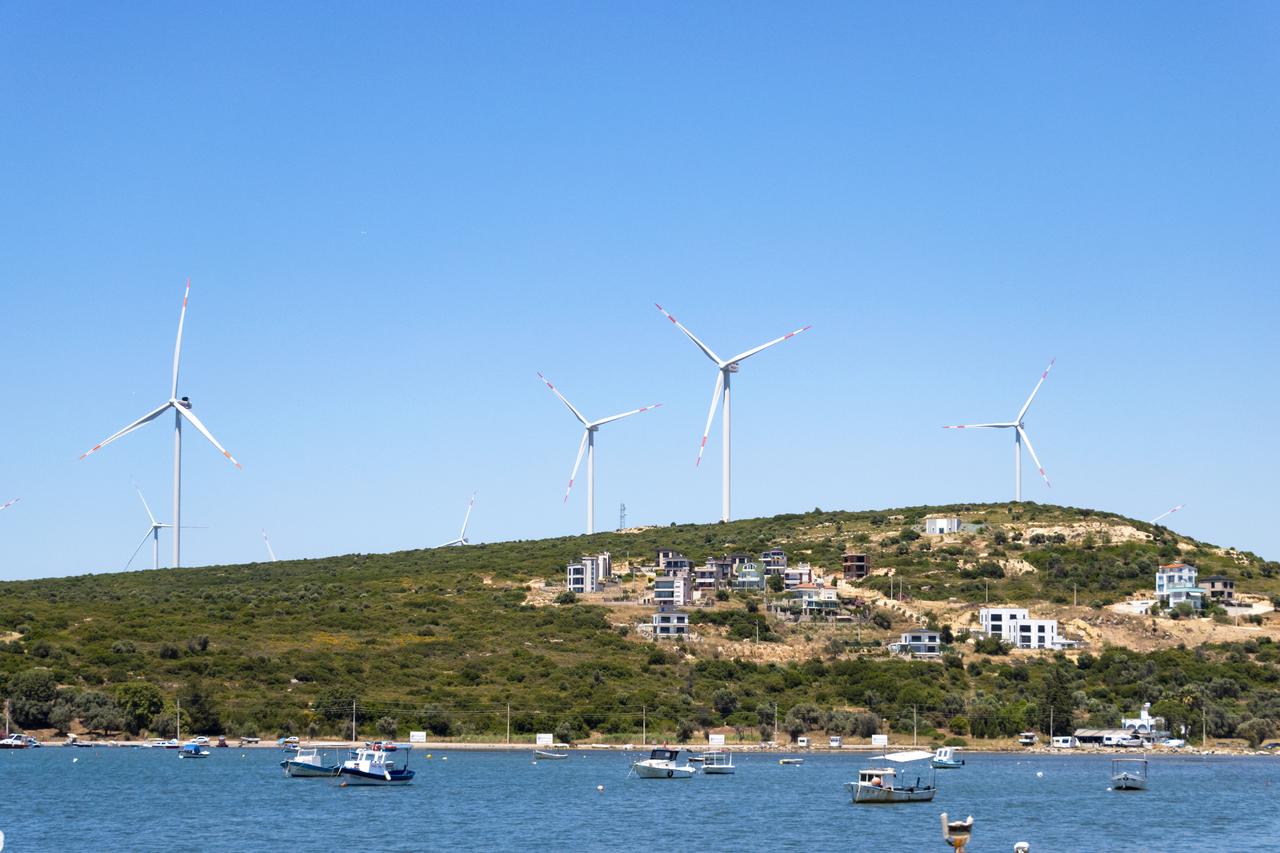


Türkiye plans to invest about $200 billion by 2035 to expand renewable energy, develop nuclear power, and modernize its electricity grid, the Presidential Investment and Finance Office's Energy Sector Report shows.
The report highlighted that Türkiye aims to raise its combined installed wind and solar capacity to 120 gigawatts by 2035.
Reaching that goal requires adding 8 to 9 gigawatts of new capacity each year, while total financing needs for the energy transition, including nuclear energy, are estimated at about $200 billion.
About $80 billion of the investment is expected to go toward improving system flexibility, modernizing the grid, and expanding transmission, distribution, and other grid infrastructure, the report says.
Türkiye enters the transition with renewables accounting for 62% of installed electricity capacity in 2025, with hydropower at 32.3 GW, solar at 25.6 GW, and wind at 14.8 GW. Solar capacity rose by 5,380 MW in 2025 and accounted for 10.5% of electricity generation, while wind capacity increased by 1,909 MW and supplied 11.1% of generation.
Renewables accounted for 43.4% of electricity generation in 2025, when total generation reached 356 TWh, the report indicated. Electricity demand reached 359 TWh, with projections of 455 TWh and 510 TWh, while Türkiye accounted for about 30% of Europe's total electricity demand growth that year.
Battery storage is also drawing strong interest, with 372 pre-licensed solar projects totaling 14.3 GWh and 252 wind projects totaling 19.7 GWh as of early 2026.
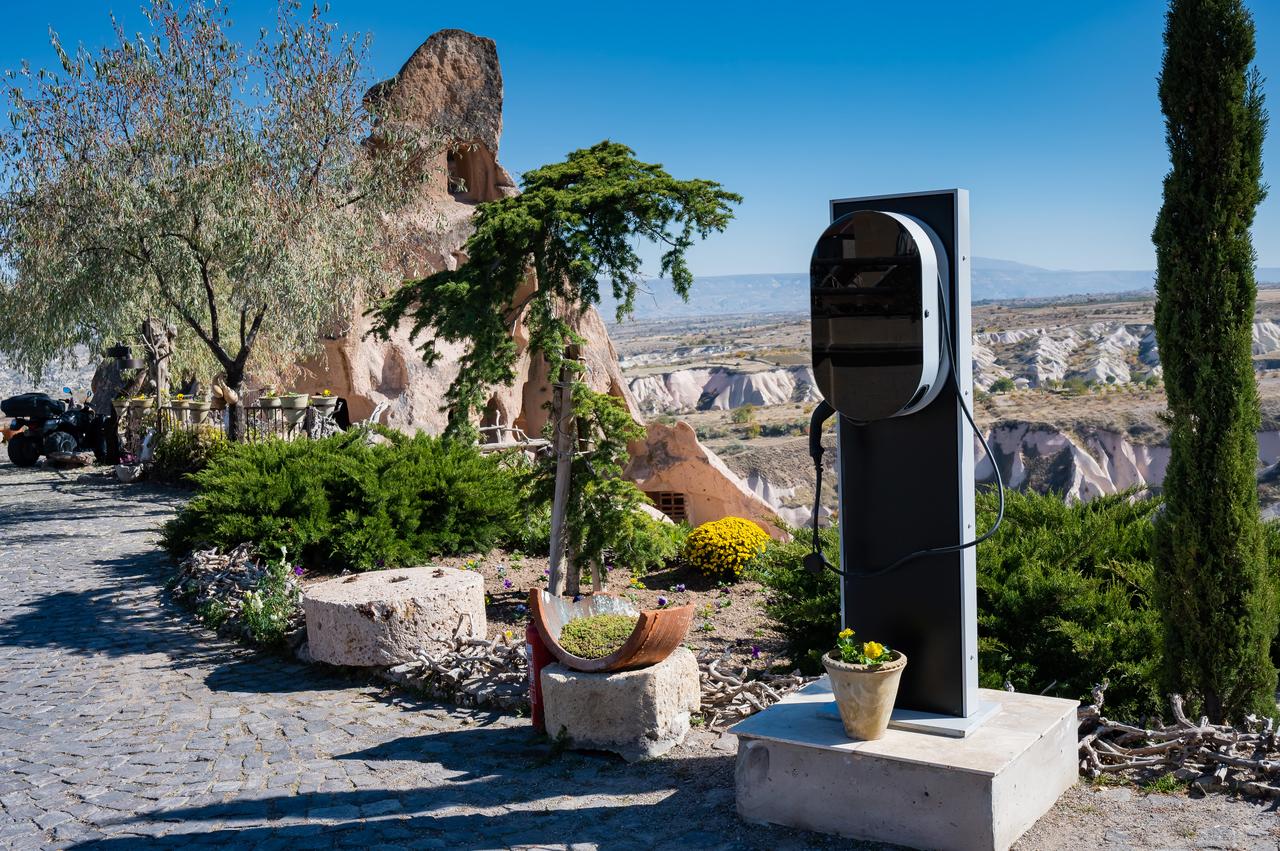
Türkiye had 373,733 electric vehicles in 2025, up from 7,698 in 2021, while electric and hybrid models accounted for 25% of vehicle sales. The country had about 39,000 charging stations in 2025, with total installed charging capacity reaching 20.9 GW as of early 2026.
The report identifies battery storage and EV charging infrastructure as emerging investment areas alongside traditional energy generation, while Türkiye's electric vehicle fleet could reach 7 million by 2035 under a high-growth scenario.

Presidential Investment and Finance Office President Ahmet Burak Daglioglu said Türkiye is continuing to pursue its goal of becoming one of the leading countries in the global energy transition, pointing to its industrial infrastructure, strategic geographic position and central role in regional energy networks.
"The rapid increase in renewable energy capacity, grid modernization, energy efficiency, storage, and the development of domestic production capacity offer significant opportunities for investors in Türkiye," Daglioglu said.
He added that Türkiye's roadmap toward its 2053 net-zero emissions target aims to bring international capital, advanced technologies, and strategic partnerships more deeply into the country's energy transition.
"We believe the Energy Sector Report 2026 will be a valuable reference for domestic and international investors by presenting Türkiye's energy ecosystem and investment opportunities from a holistic perspective," Daglioglu added.


 Set as preferred source
 Set as preferred source


 1 min read
 1 min read