Newsletters




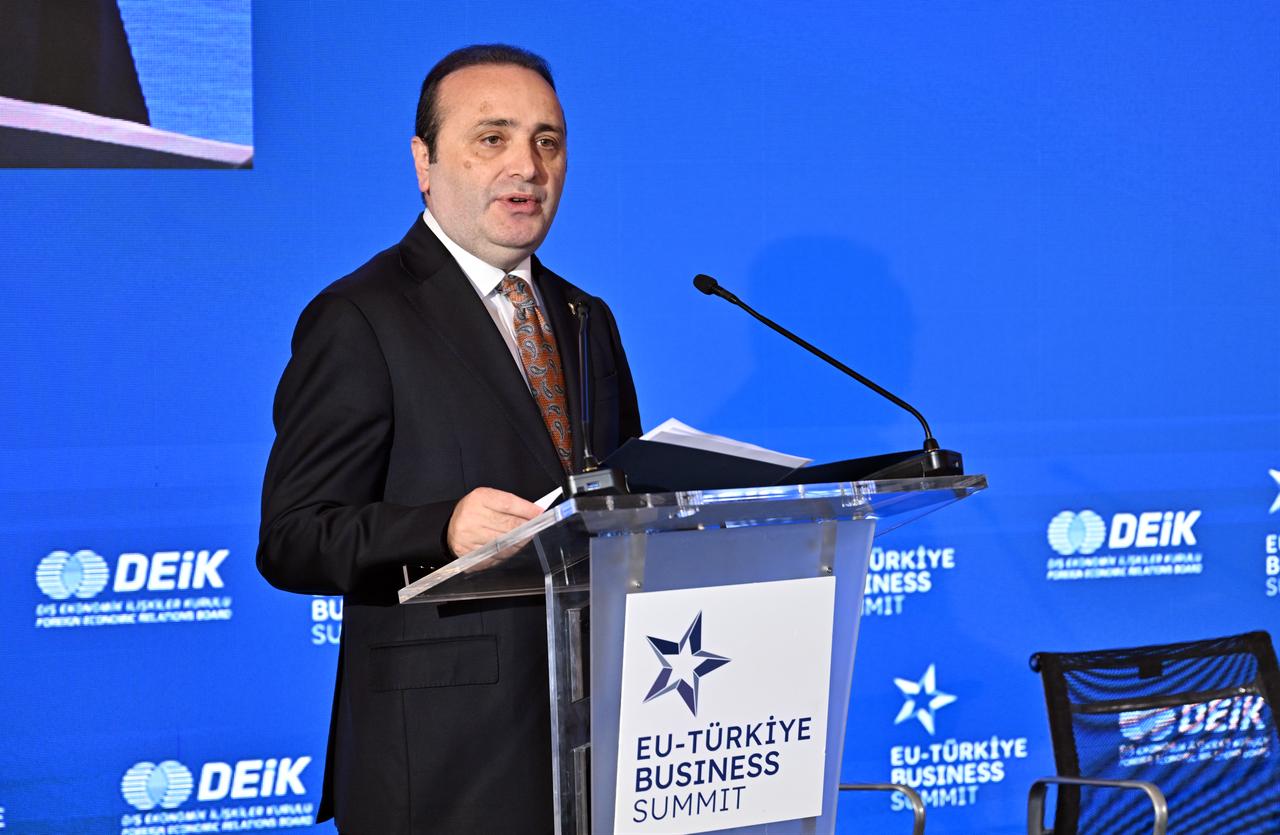
Türkiye's Deputy Trade Minister Mustafa Tuzcu has outlined a six-point plan to deepen economic ties with the European Union, urging Brussels to revive long-stalled talks on modernizing the Customs Union.
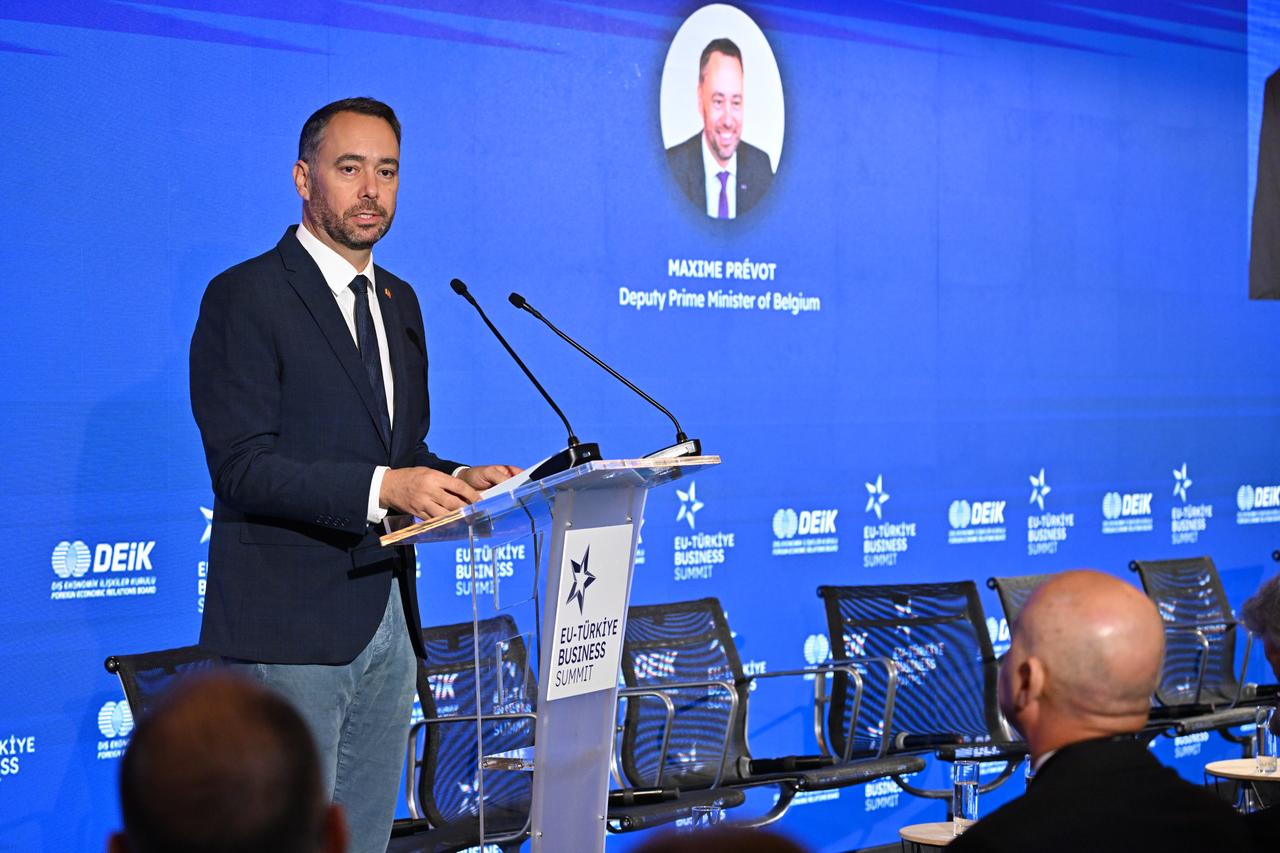
Speaking at the Türkiye-EU Business Summit in Brussels, organized by the Foreign Economic Relations Board (DEIK) and the European Business Summit (EBS), Tuzcu backed the EU's goal of boosting global competitiveness but voiced concern over protectionist policies and Türkiye's exclusion from some initiatives.
The plan calls for expanding the Customs Union's scope, improving access to public procurement markets, strengthening digital trade and product safety cooperation, aligning industrial standards, advancing the green transition and deepening partnerships in security, defense, energy and technology.
Türkiye's economic integration with Europe dates back to the 1963 Ankara Agreement, which laid the groundwork for closer ties and eventually led to the Customs Union taking effect in 1995, establishing the basis for trade in industrial goods between the two sides.
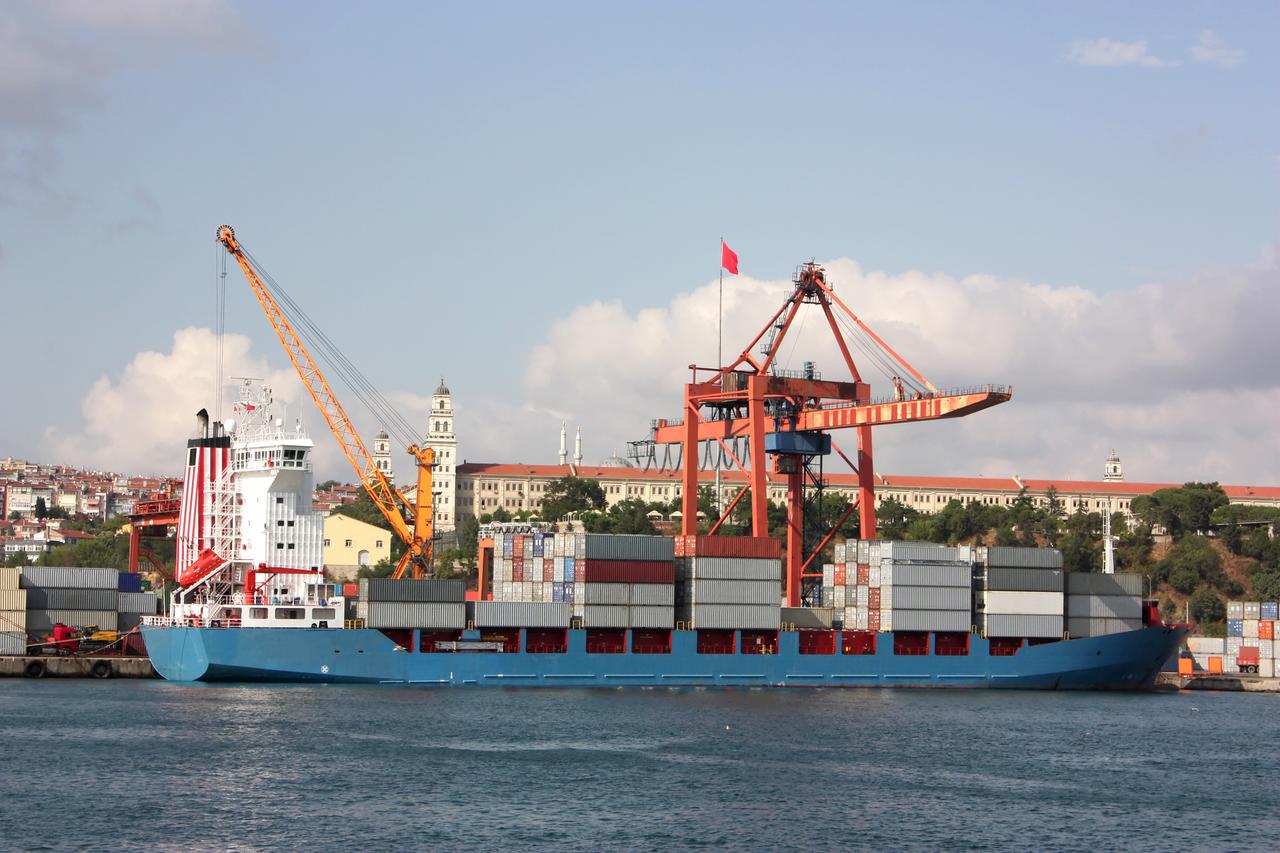
Bilateral trade has grown nearly tenfold over the past 30 years, climbing from $23 billion to $233 billion. "Behind this figure lies our cross-border integrated production ecosystem," he said, highlighting the automotive, machinery and electrical equipment industries as key links in supply chains spanning both economies.
Tuzcu called the Customs Union's stalled modernization Türkiye's biggest disappointment, noting that nearly 10 years had passed without formal talks and urging an update covering services, digital trade, public procurement and the green transition.
The Commission proposed updating the agreement in December 2016, but EU member states have yet to approve the negotiating directives needed to launch formal talks. In February 2026, Türkiye and the EU renewed their commitment to work toward modernization, but negotiations remain stalled.
He also warned that restrictive "Made in EU" rules under the Net-Zero Industry Act could disrupt integrated supply chains and drive up costs.
New steel regulations and the Carbon Border Adjustment Mechanism (CBAM) are adding to the regulatory burden on businesses, he said, calling for earlier consultations and realistic transition periods.
On climate policy, Tuzcu highlighted Türkiye's ratification of the Paris Agreement, adoption of a national climate law and introduction of a domestic emissions trading system. He also reaffirmed Ankara's readiness to contribute to EU Global Gateway projects connecting the bloc with the Caucasus and Central Asia.
"The green transition should be an area of cooperation, not conflict," he said.

Tuzcu argued that Türkiye and the EU's long-standing economic relationship offers significant potential for deeper cooperation, despite persistent disagreements and the slow pace of progress on key trade issues.
He stressed that both sides stood to benefit from closer ties rather than allowing temporary disputes to undermine their broader partnership.
"History shows us the high costs of closing doors," he said, calling for both sides to build on their shared economic achievements and focus on opportunities for further cooperation.
"Our shared past shows what we can achieve, while the pace of our progress failing to reflect the strength of our partnership saddens us,” Tuzcu remarked.
“However, we look to the future with hope. Because our strategic alignment is much stronger than the temporary frictions between us."
He emphasized that the economic relationship already provided a foundation for further progress, asserting that Türkiye and the EU could build on their existing ties to develop a stronger partnership in the years ahead.
"We have built a successful economic relationship together, and now we can build an even stronger future together," he said.
The EU is Türkiye's largest trading partner, while Türkiye ranked as the bloc's fifth-largest trading partner in 2025, with bilateral goods trade reaching a record €217.6 billion ($243.5 billion).


 Set as preferred source
 Set as preferred source


 1 min read
 1 min read