Newsletters


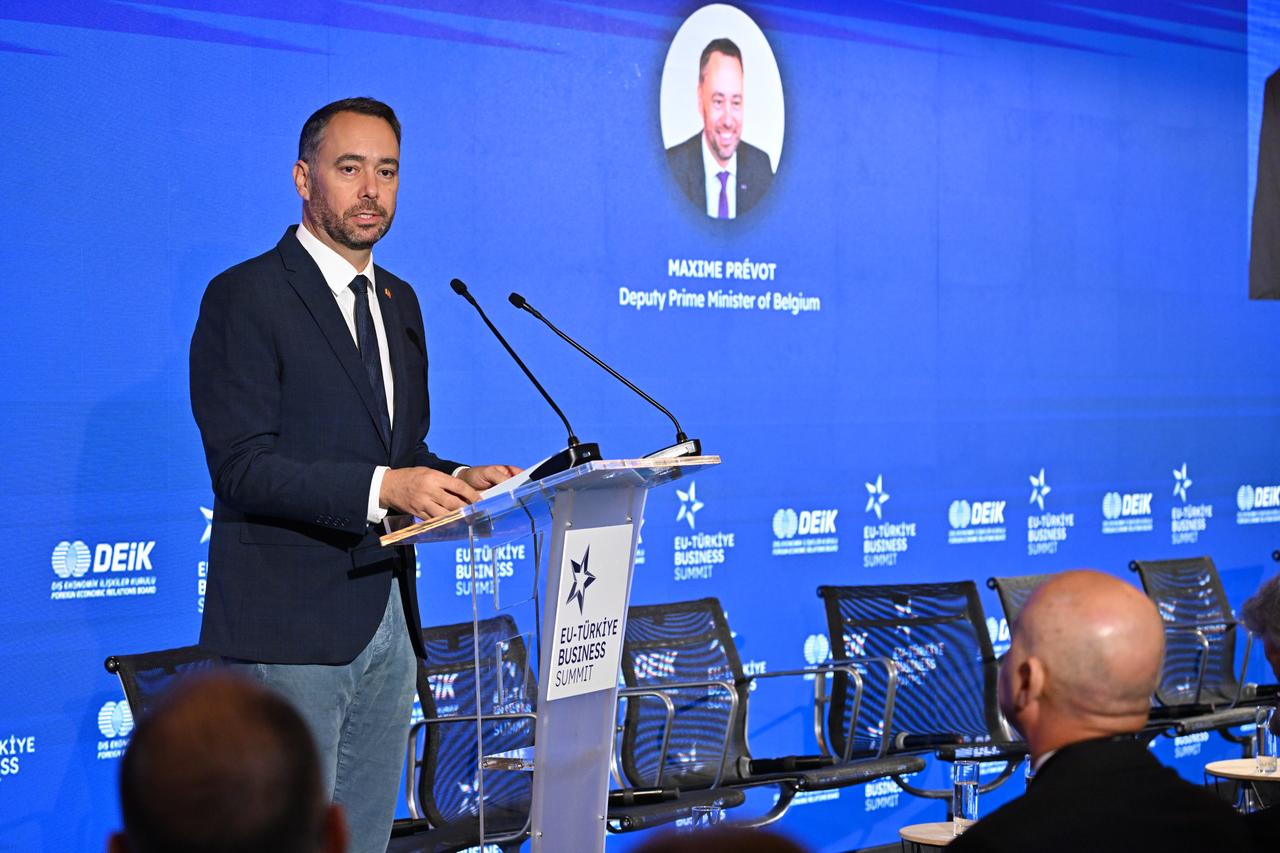


Belgian Deputy Prime Minister and Foreign Minister Maxime Prevot called for deeper economic cooperation with Türkiye, more investment between the two sides, and progress on updating the EU-Türkiye Customs Union.
Prevot made the appeal at the Türkiye-EU Business Summit in Brussels, where officials and business representatives also pressed for an update to the Customs Union, which has governed much of the economic relationship for more than 30 years.
"European companies are increasingly looking for partners close to them and whom they can trust," Prevot said. "Türkiye has the production capacity, industrial expertise and connections to neighboring markets that can help make Europe's supply chains more resilient."
Prevot called for fresh progress on modernizing the EU-Türkiye Customs Union, which has been in place since 1995 and covers industrial goods and processed agricultural products.
The proposed update could extend cooperation to services, public procurement and sustainable development, but formal negotiations remain stalled as EU member states have yet to approve a negotiating mandate.
The two sides agreed in February to continue working toward modernization, while discussions on trade cooperation and the agreement's implementation have continued.
The existing framework has delivered significant benefits to both economies, Prevot noted, but no longer fully reflects today's economic conditions.
"We are negotiating new economic agreements with countries on the other side of the world," Prevot said. "It is difficult to explain why we should not show an equally ambitious approach toward Türkiye, our direct neighbor and an EU candidate country."
He called for a serious effort to advance the modernization process, arguing that Türkiye's proximity and industrial capacity could help Europe reduce its reliance on distant suppliers.
Prevot also highlighted Türkiye's position as a NATO ally with the alliance's second-largest military, as well as its role as a major industrial economy connecting Europe, Asia and the Middle East.
"Our economic relationship should no longer be limited to buying and selling goods," Prevot said, adding that Belgium also wants to contribute through more joint projects, investment and industrial partnerships. "We should develop, produce and invest together."
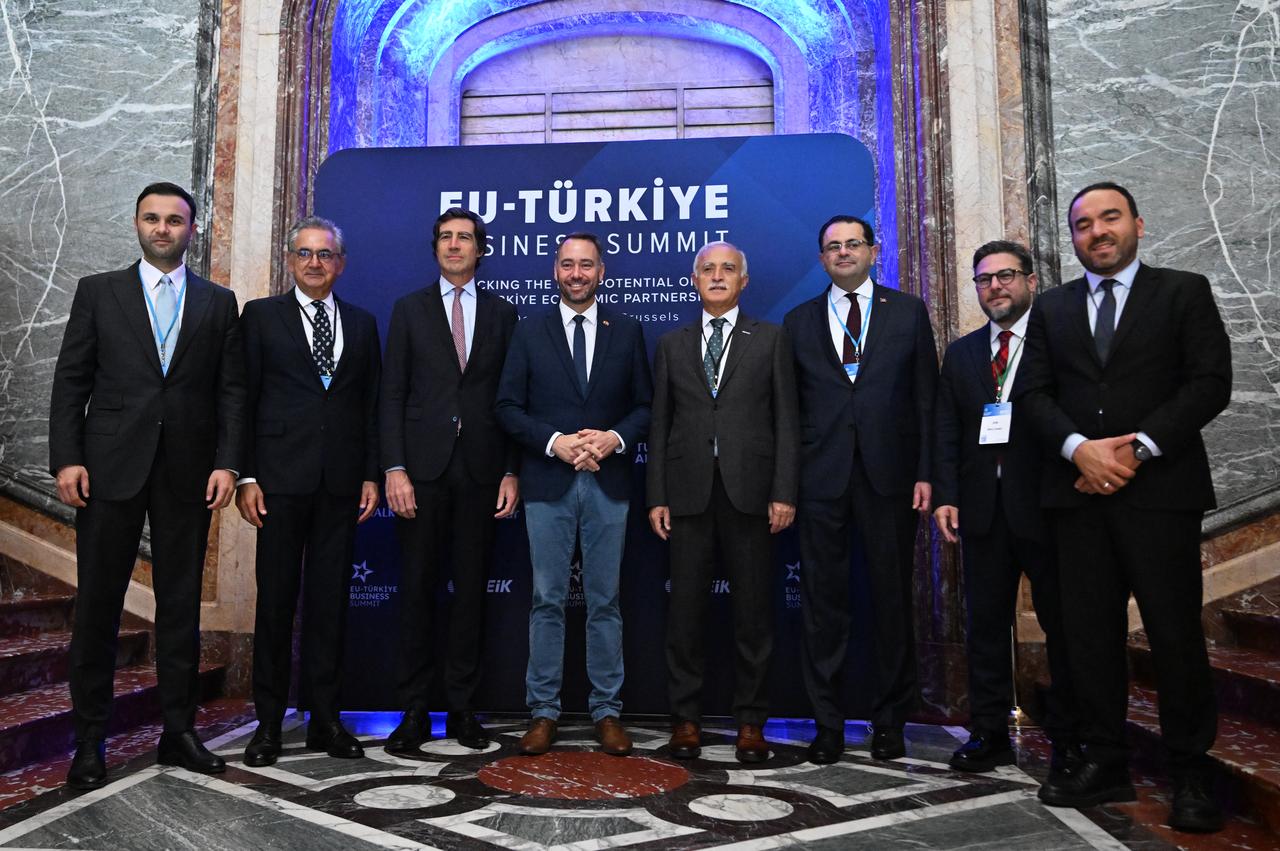

Nail Olpak, president of Türkiye's Foreign Economic Relations Board (DEIK), called for modernizing the Customs Union to expand cooperation in services, e-commerce, public procurement and agriculture, arguing that Turkish-made products should remain part of Europe's industrial ecosystem without new quotas or barriers.
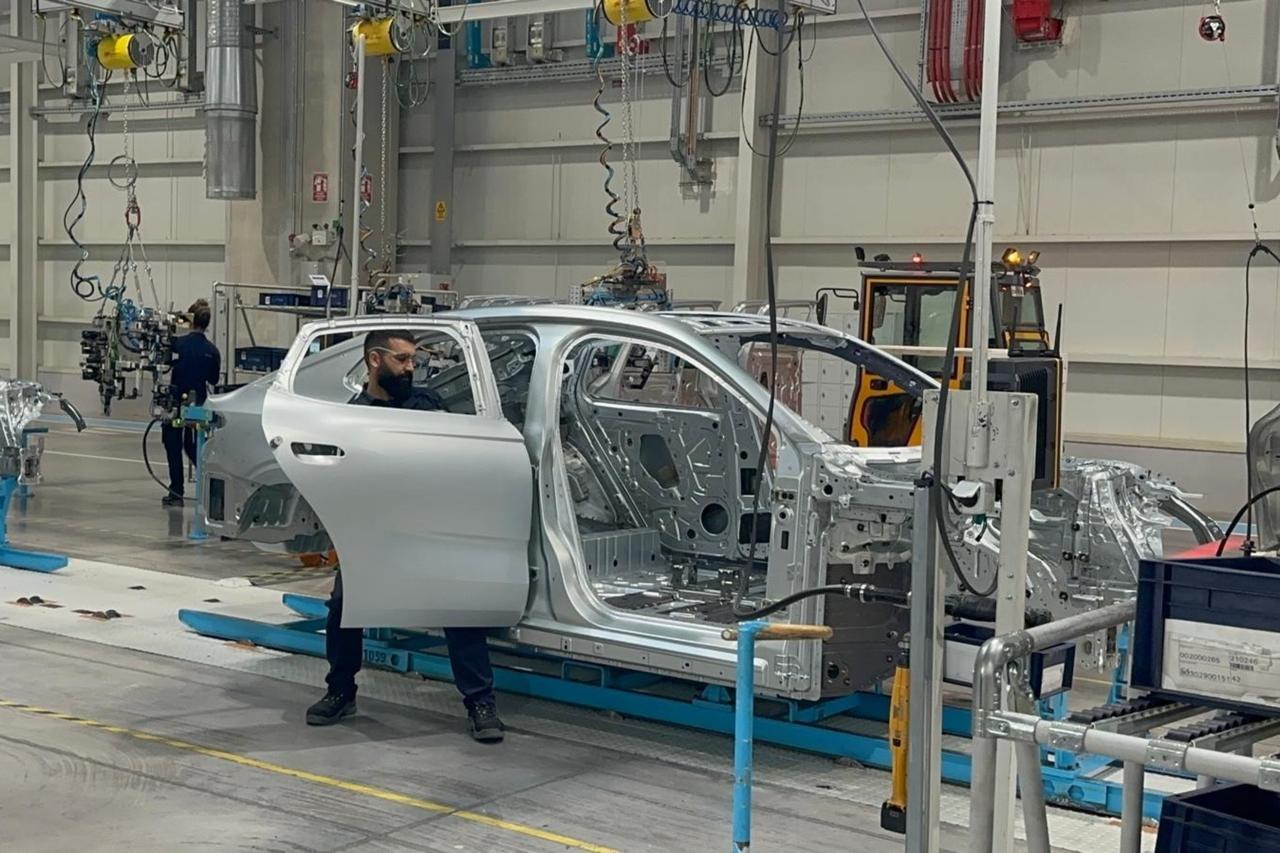
Olpak highlighted Türkiye's supplier networks, engineering capabilities and investments in cleaner manufacturing as assets for Europe's green and digital transitions, particularly as the automotive industry increasingly relies on semiconductors, batteries, critical raw materials, software and artificial intelligence-enabled production.
He also urged Europe and Türkiye to strengthen transport, energy and digital links, calling the Middle Corridor through Türkiye and the South Caucasus a shared strategic priority. New north-south routes connecting Europe with Iraq and the Gulf region could further improve regional connectivity.
Mehmet Ali Yalcindag, chairman of DEIK's Türkiye-Europe Business Councils Coordination Board, called for a clearer commitment to Türkiye's EU membership perspective and closer economic integration, arguing that Europe cannot become more competitive by excluding Türkiye from supply chains in which businesses already work together.
"Europe grows by strengthening value chains, not by drawing new borders within them," Yalcindag said, adding that a renewed commitment to Türkiye's European future could encourage reforms and advance cooperation.
"We do not have to resolve every disagreement to take action," he said. "What we need is a common direction, mutual responsibility and the confidence to take the next step."
Yalcindag also called for progress on Customs Union modernization, easier business travel and visa procedures, and closer cooperation in technology, energy, transport, defense and the green transition, citing security pressures from Russia's war against Ukraine and instability in the Middle East.


 Set as preferred source
 Set as preferred source


 1 min read
 1 min read