Newsletters


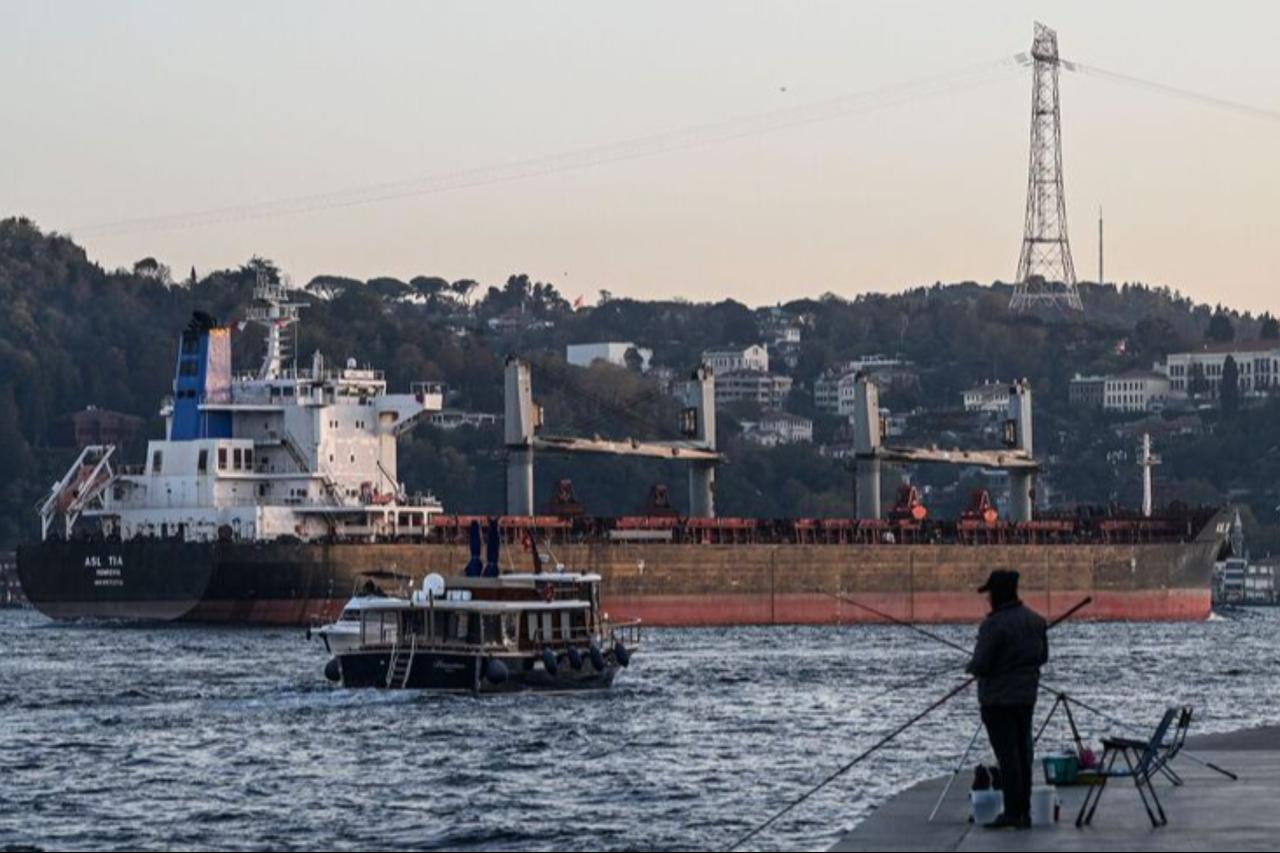


Türkiye is set to reject Ukraine's proposal to ship liquefied natural gas through the Bosphorus Strait, citing the severe safety risks posed by liquefied natural gas (LNG) tankers navigating the narrow, densely populated waterway running through Istanbul, senior Turkish officials told Bloomberg and Middle East Eye (MEE).
A senior Turkish official told Middle East Eye that LNG tankers could pose a serious accident risk in the Bosphorus, a narrow strait that narrows to just 700 meters at its tightest points and requires turns of 70 to 80 degrees or more in some sections.
"We can't allow that," the official said.
"This move could push Romania and Bulgaria to diversify their own gas resources, meaning more ships in the straits. And eventually, we might need to consider Russian LNG cargo ships, which could also come into the picture," the official added.
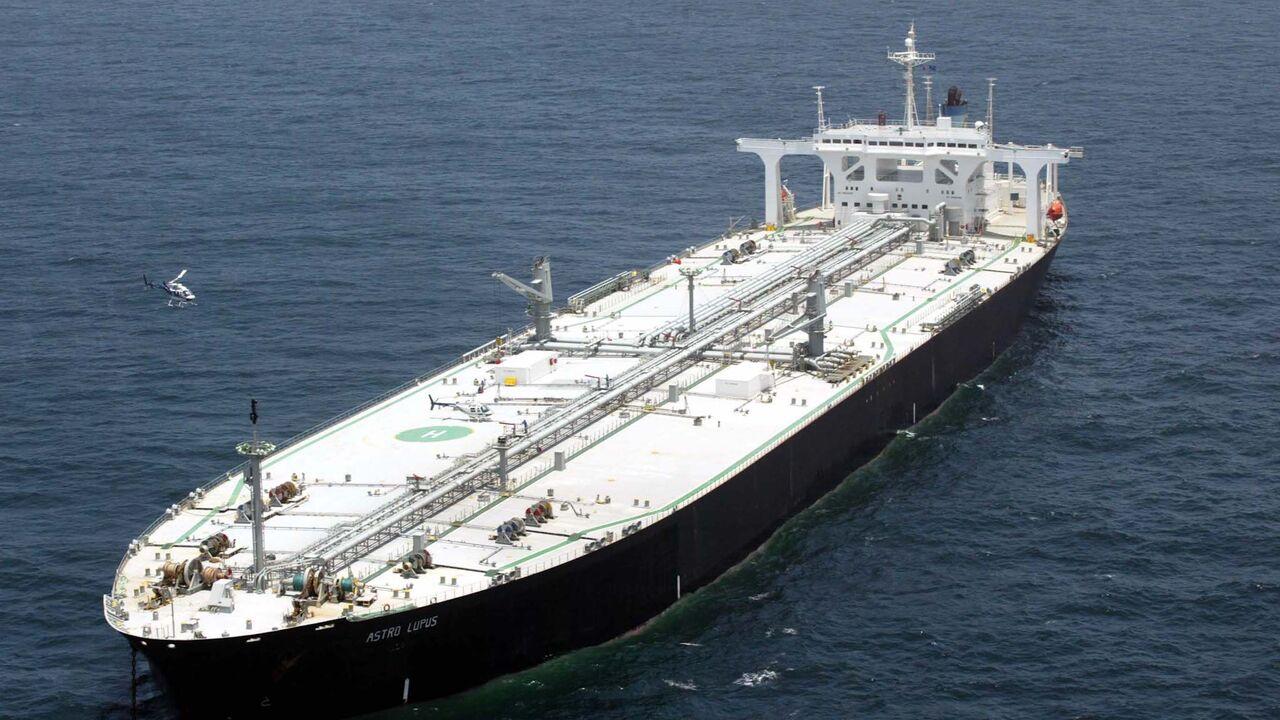
A separate senior official told Bloomberg that while LPG and oil tankers do transit the Bosphorus, LNG shipments are considered a significantly greater risk, capable of causing severe environmental damage, heavy material losses, and casualties in a city of more than 16 million people.
Ukraine's proposal would involve constructing a floating storage and regasification unit in the Black Sea, requiring LNG tankers to pass through the Bosphorus.
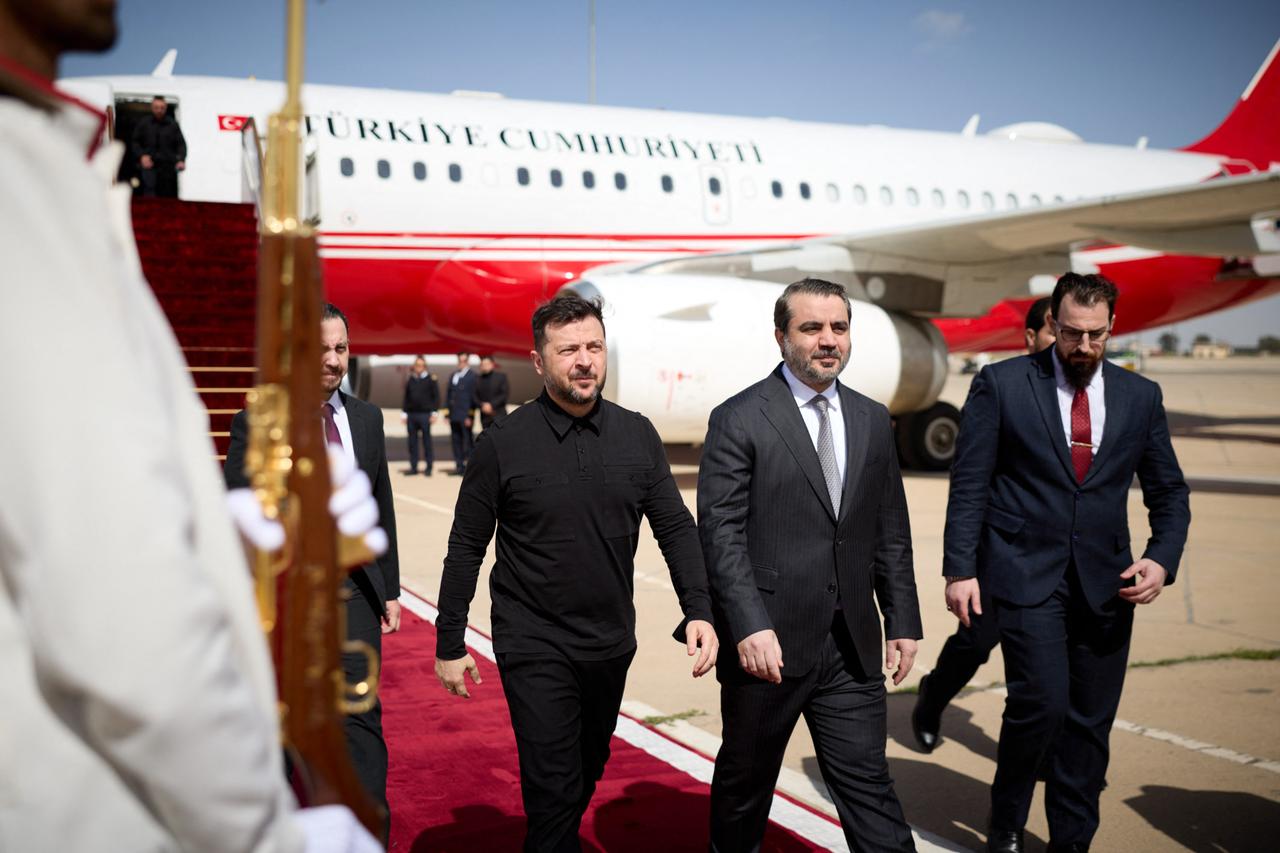
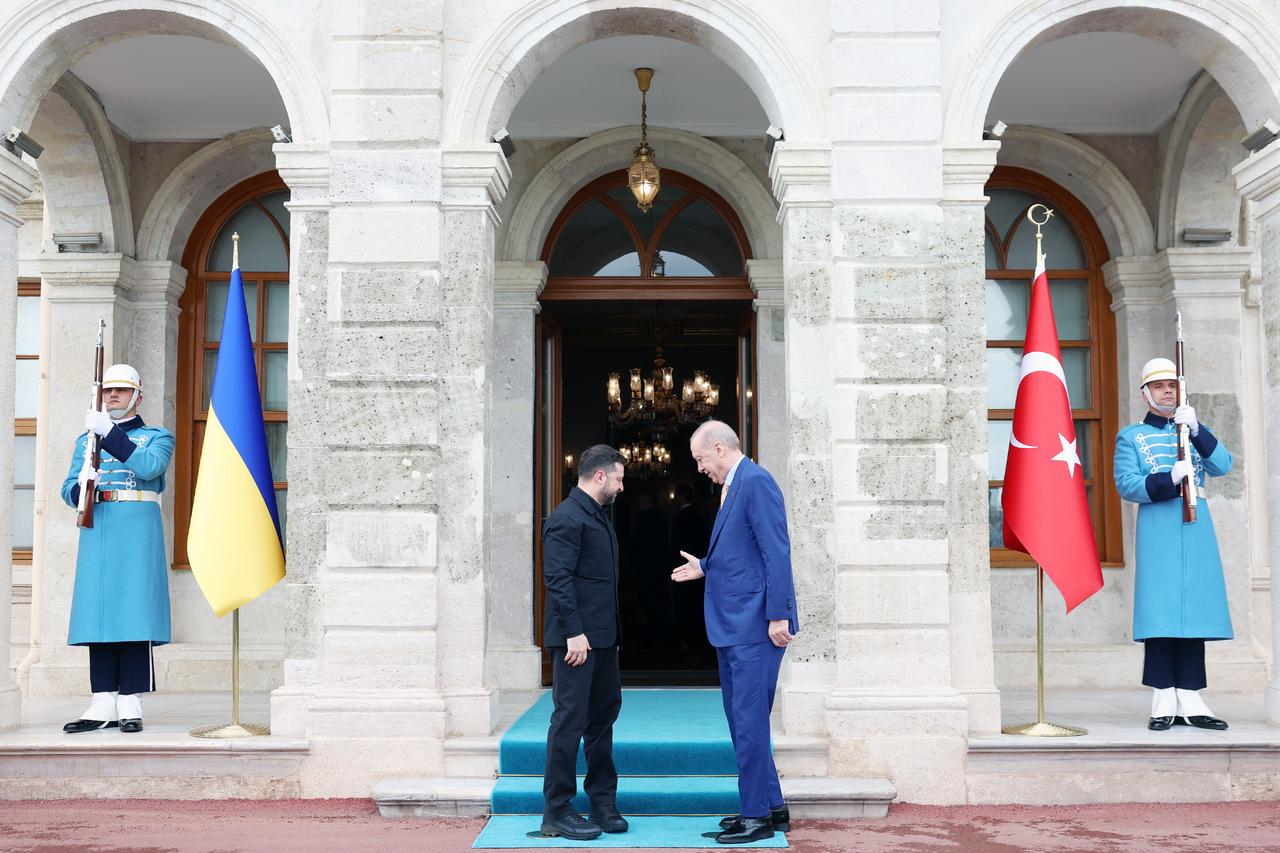
The idea was raised again during a meeting in Istanbul over the weekend between Ukrainian President Volodymyr Zelenskyy and President Recep Tayyip Erdogan.

Zelenskyy described his meeting with Erdogan as "one of the most positive ever," saying Ukrainian gas company Naftogaz had been working with Türkiye to implement everything discussed in Istanbul.
"We discussed practical steps to implement joint projects in developing gas infrastructure, as well as opportunities for the joint development of gas fields," Zelenskyy said after the meeting.
"Working together with Turkey gives us energy security and logistical security," he added, noting that, "There's a solid foundation to take new joint steps."
A Turkish-operated crude oil tanker was also struck by an unmanned surface vessel (USV) in the Black Sea, 15 nautical miles from the Bosphorus, last month, adding another layer of risk to the proposal.

Instead of permitting LNG transit through the Bosphorus, Türkiye is proposing to supply gas to Ukraine through existing pipelines via Bulgaria and Romania, with the gas supplied through Ankara's own floating storage and regasification infrastructure in the Aegean Sea.
Energy and Natural Resources Minister Alparslan Bayraktar outlined the offer in a previous interview with Bloomberg, referencing discussions with Ukrainian Prime Minister Yulia Sviridenko.
"We said, here are our FSRU facilities, you can bring the gas and energy. We can find it for you, or we can buy it together. We can do joint procurement, regasify that gas from liquid form, put it into the pipeline, and send it to Ukraine," Bayraktar said.
Bayraktar also stressed that investment would be needed to expand the capacity of the pipeline running from Türkiye to Europe. The Turkish energy minister told journalists in December that the interconnection with Bulgaria represents a bottleneck, with a current capacity of 3.5 billion cubic meters that would need to be doubled.
He said Ukraine and Türkiye had been working on the issue through their national energy companies.
Before the war, Ukraine met almost all of its gas needs through domestic production. Russian strikes have cost Ukraine roughly half its gas output, according to the country's central bank governor.
Ukraine has been importing U.S. LNG from terminals in Poland and Baltic countries, and also imports LNG via Greece.
The country boosted gas imports and began storing gas in March for the coming winter season.
Türkiye has signed a series of LNG deals with American companies to meet its own needs and export part of the supply.


 Set as preferred source
 Set as preferred source


 1 min read
 1 min read