Newsletters


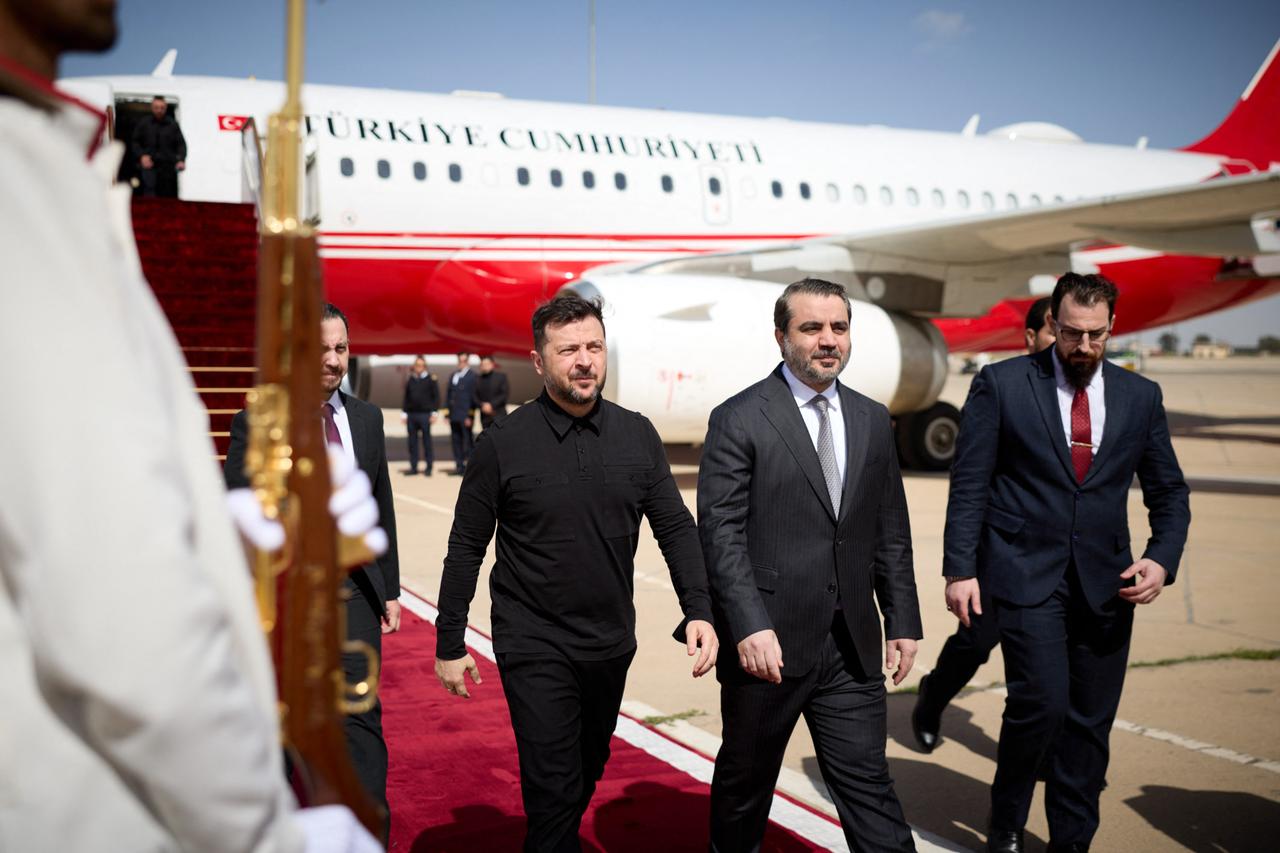


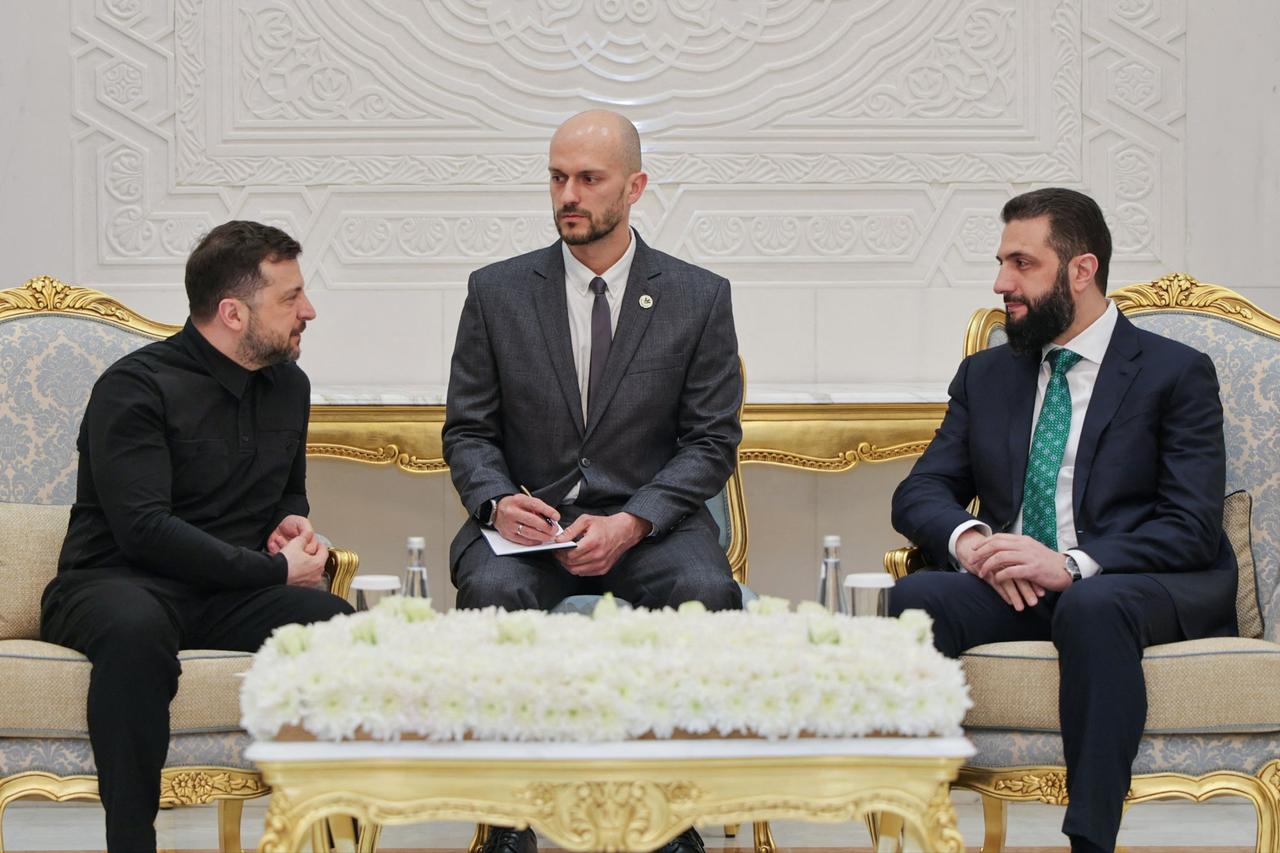
Ukrainian President Zelenskyy made an abrupt visit to Ankara and met with Turkish President Erdogan. Following this visit, he traveled even more abruptly to Damascus, where he met with Syrian President Ahmed Al-Sharaa.
Adding to the extraordinary nature of these developments, Zelenskyy flew on a Turkish plane, and Turkish Foreign Minister Fidan also traveled to Damascus to attend the meeting with Sharaa.
All of this indicates that something urgent and special may be taking shape between Türkiye, Syria, and Ukraine.
These extraordinary travels and meetings are likely related to the ongoing war in Iran. It is possible that Türkiye facilitated a drone manufacturing agreement between Ukraine and Syria.
According to this scenario, Syria could produce Ukrainian anti-drone systems en masse and deliver them to regional states, particularly the Gulf countries.
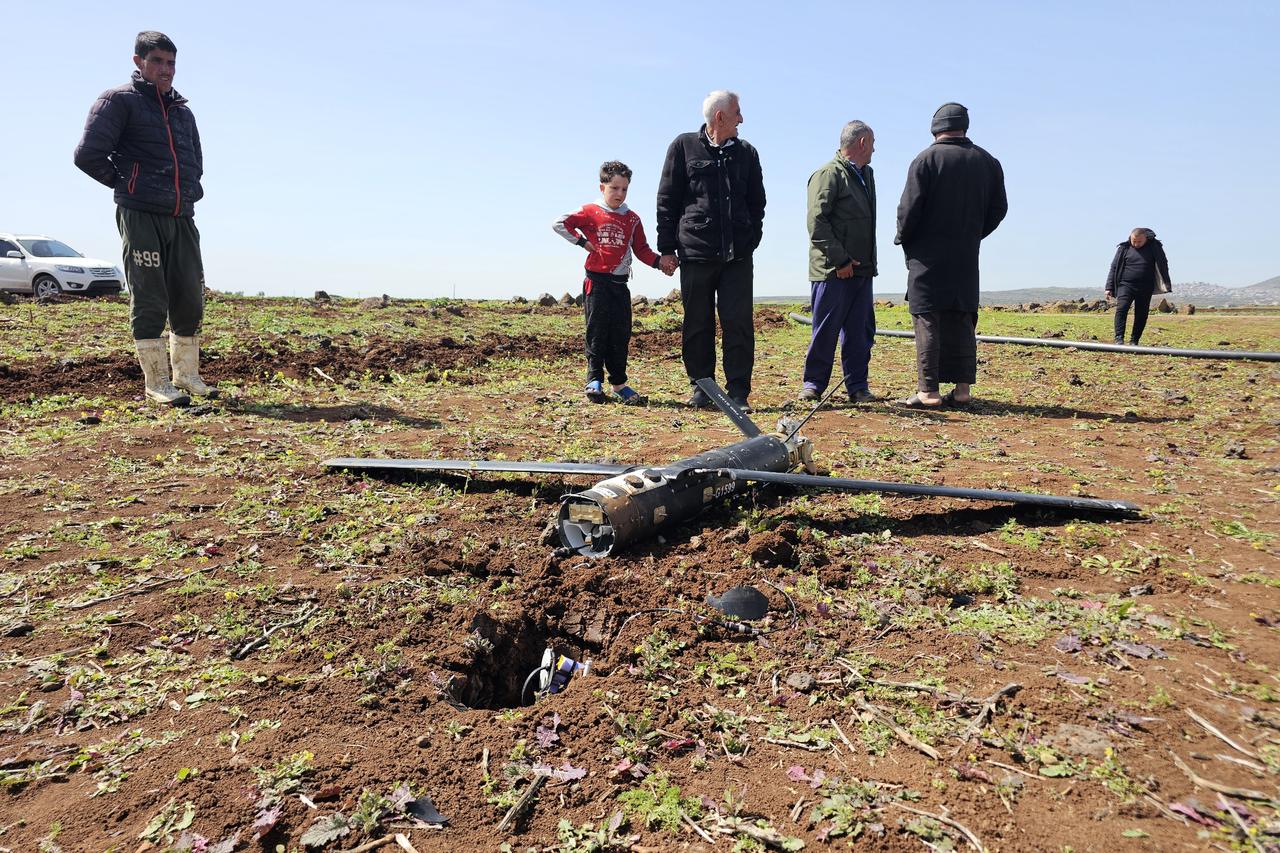
As is well known, Iranian drones have wreaked havoc on the Gulf states. While interception rates for Iranian Shahed kamikaze drones are relatively high, each interception presents a fundamental mathematical challenge.
The cost of intercepting these drones is far higher than the cost of producing them.
Confronted with this dilemma, Arab states have recently turned to Ukraine, which has gained extensive experience countering Iranian drones due to the Russian invasion. Faced with the sheer volume of Iranian drone attacks, Arab states need Ukrainian advice, support, and anti-drone systems.
For Ukraine, this presents a significant opportunity. By supporting Arab states, Kyiv can expand its diplomatic backing, gain economically, and position itself more favorably in response to anti-Ukrainian rhetoric from the White House.
However, Ukraine also faces a dilemma: how can it justify supplying such systems abroad while it continues to need them domestically?

 1 min read

To my reading of the situation, Syria appears to offer a potential solution.
Syria demonstrated its ability to learn from Ukrainian drone capabilities during the battles to liberate Syrian territory in November–December 2024. More advanced than that, Syria could produce, under a licensing arrangement, anti-drone systems at scale for Gulf states.
Syrian labor costs are relatively low, and the country’s geographic proximity to end users would contribute to the overall cost efficiency of such systems.
This arrangement could bring multiple benefits to Syria. It would deepen cooperation with Arab states, create jobs and generate new revenue streams, and enhance Syria’s own defense capabilities.
Facilitating such a mutually beneficial partnership between two partners, in support of Arab states, aligns closely with Türkiye’s vision for regional security in the post-Iran war environment.


 Set as preferred source
 Set as preferred source


 1 min read