Newsletters




Türkiye moves to deepen financial cooperation with Syria as the two countries' central banks stepped up ties this week, aiming to support rapidly expanding trade and cross-border payments.
The move comes as exports to its southern neighbor surged around 26.5% in the first half of the year, reinforcing Syria's position as one of Türkiye's fastest-growing nearby export markets despite broader regional trade stagnation amid the Middle East conflict.
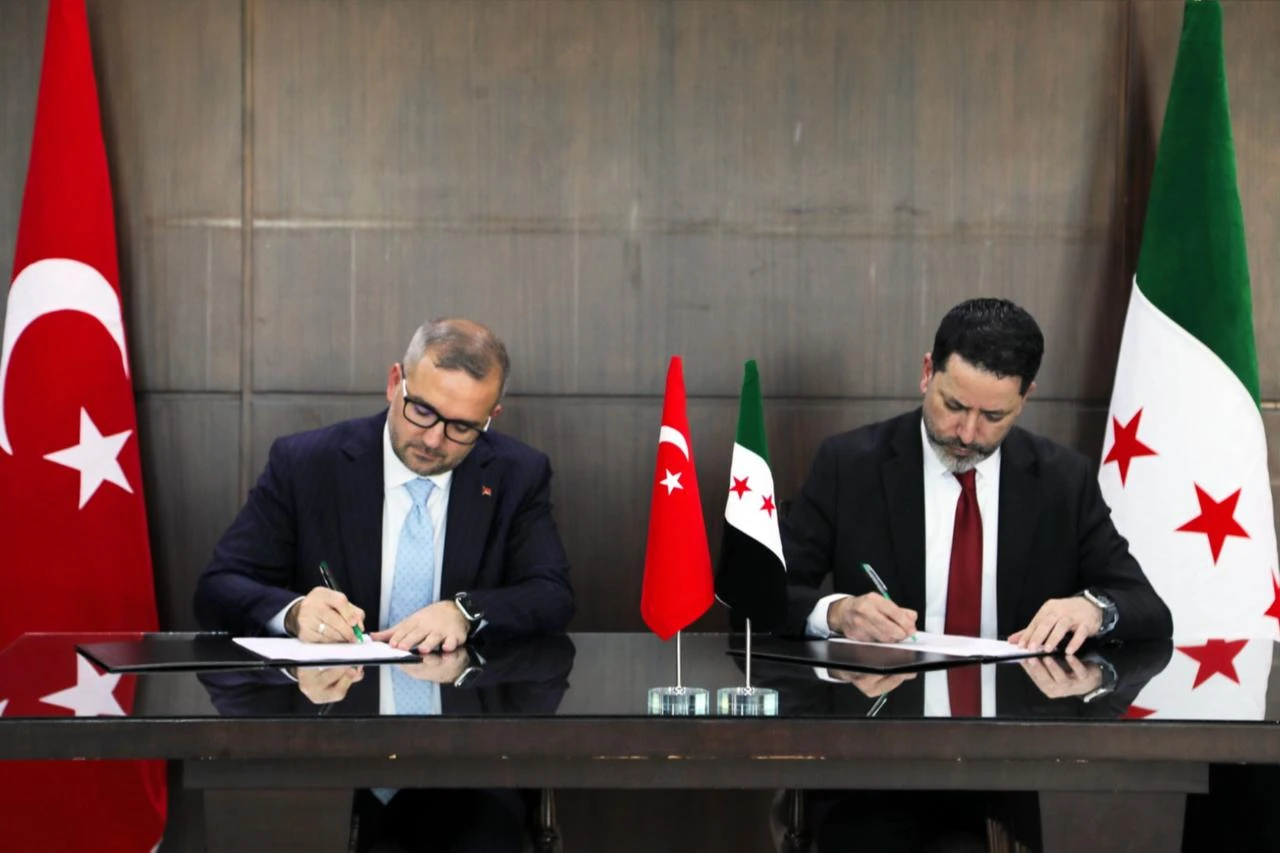
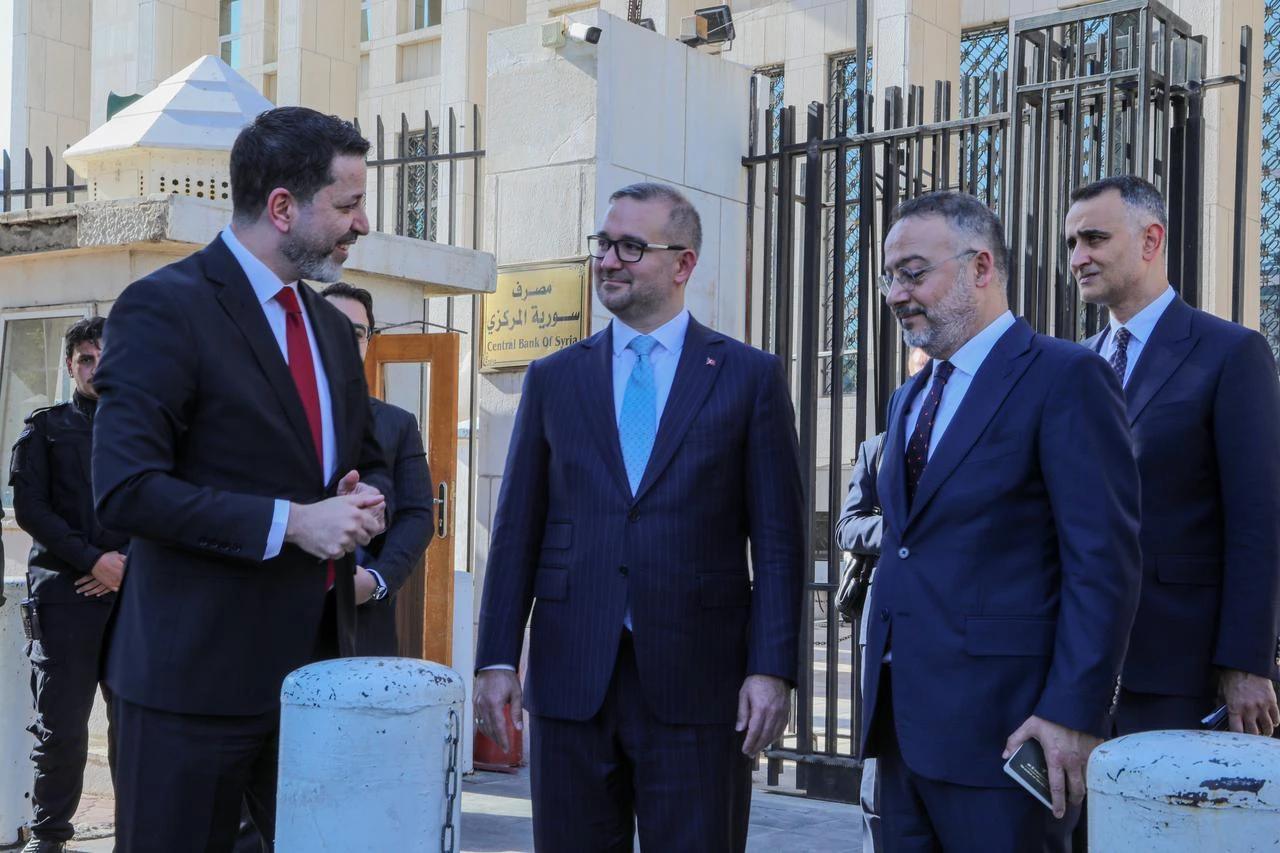
The Central Bank of the Republic of Türkiye (CBRT) and the Central Bank of Syria took a step toward closer financial cooperation by signing a Turkish Lira Deposit Account Agreement during CBRT Governor Fatih Karahan's visit to Damascus.
Signed by Karahan and Syrian central bank Governor Mohammad Safwat Raslan, the agreement enables the Syrian central bank to open a Turkish lira deposit account at the CBRT. The Turkish central bank did not disclose additional details.
"I believe the bonds of friendship and cooperation between our central banks will provide a strong foundation for the shared prosperity and economic development of our countries," Karahan later posted on X.
Raslan also welcomed the visit, saying the relationship between the two institutions extends beyond official cooperation.
"We are building meaningful cooperation, strengthening our relations and opening new horizons of cooperation for the benefit of our peoples and a stronger future for both countries," he said.
The move aims to ease cross-border payments and trade finance, addressing what businesses have long viewed as one of the biggest barriers to expanding trade and investment between the neighboring countries.
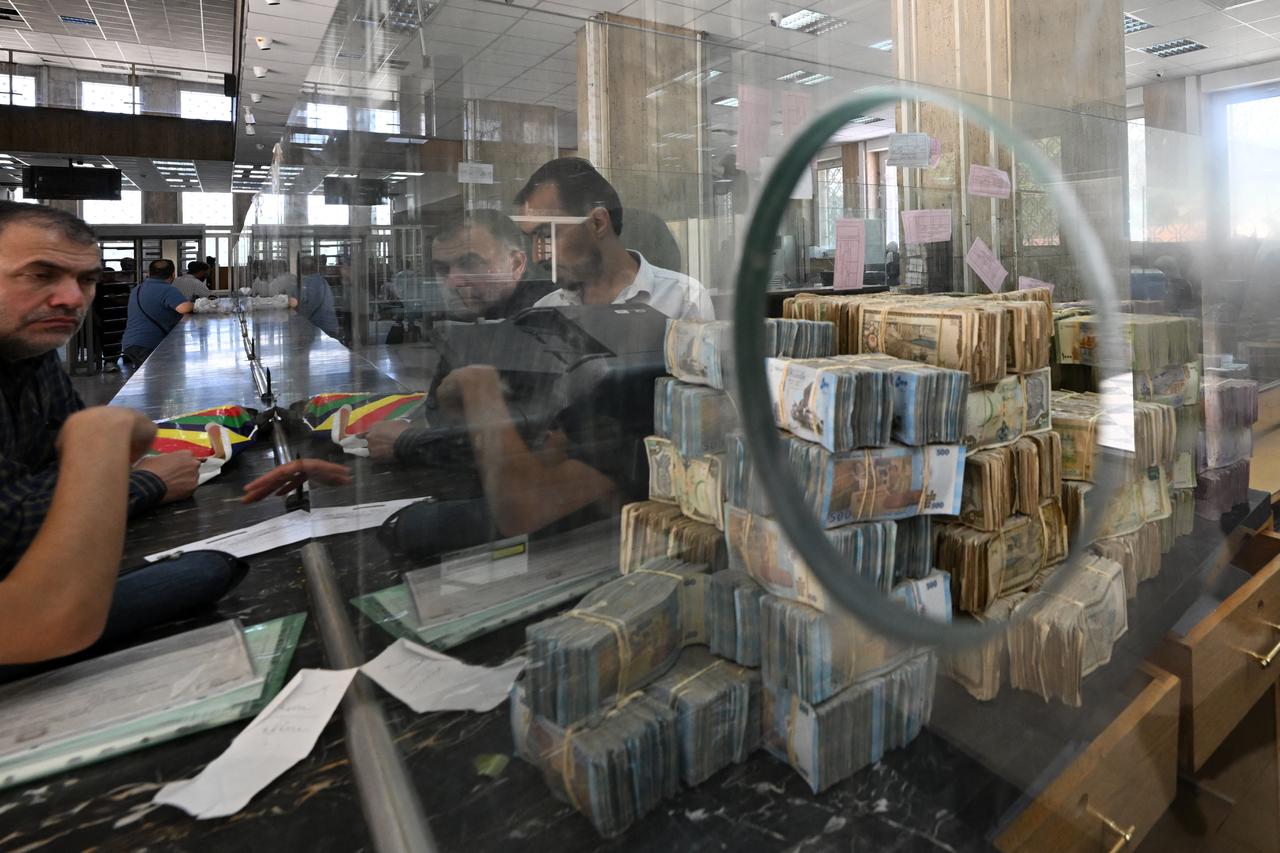
At present, many transactions are conducted through cash payments and traditional money transfer offices due to the lack of a formal banking channel.
Earlier this year, Syrian central bank Governor AbdulKader AlHussrieh told Reuters he expected cooperation with Türkiye to expand into integrated payment systems, cross-border settlements and more structured trade finance frameworks.

Turkish and Syrian officials aim to lift annual bilateral trade to $5 billion in the short term and $10 billion over the longer run, Trade Minister Omer Bolat said in June, betting that closer customs cooperation, new border crossings and deeper economic integration will help drive the expansion.
Exports from Türkiye to Syria reached $1.3 billion in the first half of 2026, up 26.5% from a year earlier, after soaring more than 70% to $2.6 billion in 2025. The pace accelerated further in June, with exports rising 40.5% year over year to $227.8 million, highlighting Syria's growing importance as an export destination despite persistent instability across the region.
Grains, pulses, oil seeds and related products remained Türkiye's largest export category to Syria in the first half of 2026 at $280.9 million, followed by chemicals ($209.2 million), cement, glass and ceramics ($118.2 million), electrical and electronics ($104.3 million), and furniture, paper and forestry products ($84.1 million).
In contrast, while June shipments to the Middle East climbed 39.6% year over year to $2.5 billion from $1.8 billion, first-half exports fell 12.5% to $12.61 billion from $14.4 billion.
To further support trade growth, Türkiye's state-run Ziraat Bank is expected to re-enter the Syrian market as the two governments work on the legal framework needed to allow Turkish banks to establish branches in the country.
Ankara is also seeking to strengthen transport links by reopening the Nusaybin-Kamisli border crossing and restoring the Islahiye-Meydan-I Ekbez customs gate and railway connection.
Together with modernized customs procedures and expanded transit corridors, the projects are poised to accelerate cargo flows, improve logistics and reconnect overland trade routes linking Türkiye with Jordan, Iraq and the Gulf via Syria, Bolat previously said.


 Set as preferred source
 Set as preferred source


 1 min read
 1 min read