Newsletters




Türkiye and Saudi Arabia are set to sign a new 3-gigawatt renewable energy agreement at the COP31 climate conference in Antalya after a 2-gigawatt deal was signed earlier, Energy Minister Alparslan Bayraktar said.
The second-phase agreement will bring the total capacity covered by the countries' renewable energy cooperation framework to 5 gigawatts, completing the capacity outlined under the earlier broad agreement, Bayraktar explained.
The COP31 Antalya summit will take place in the Mediterranean city from Nov. 9-20, 2026, bringing countries together for the UN climate negotiations.
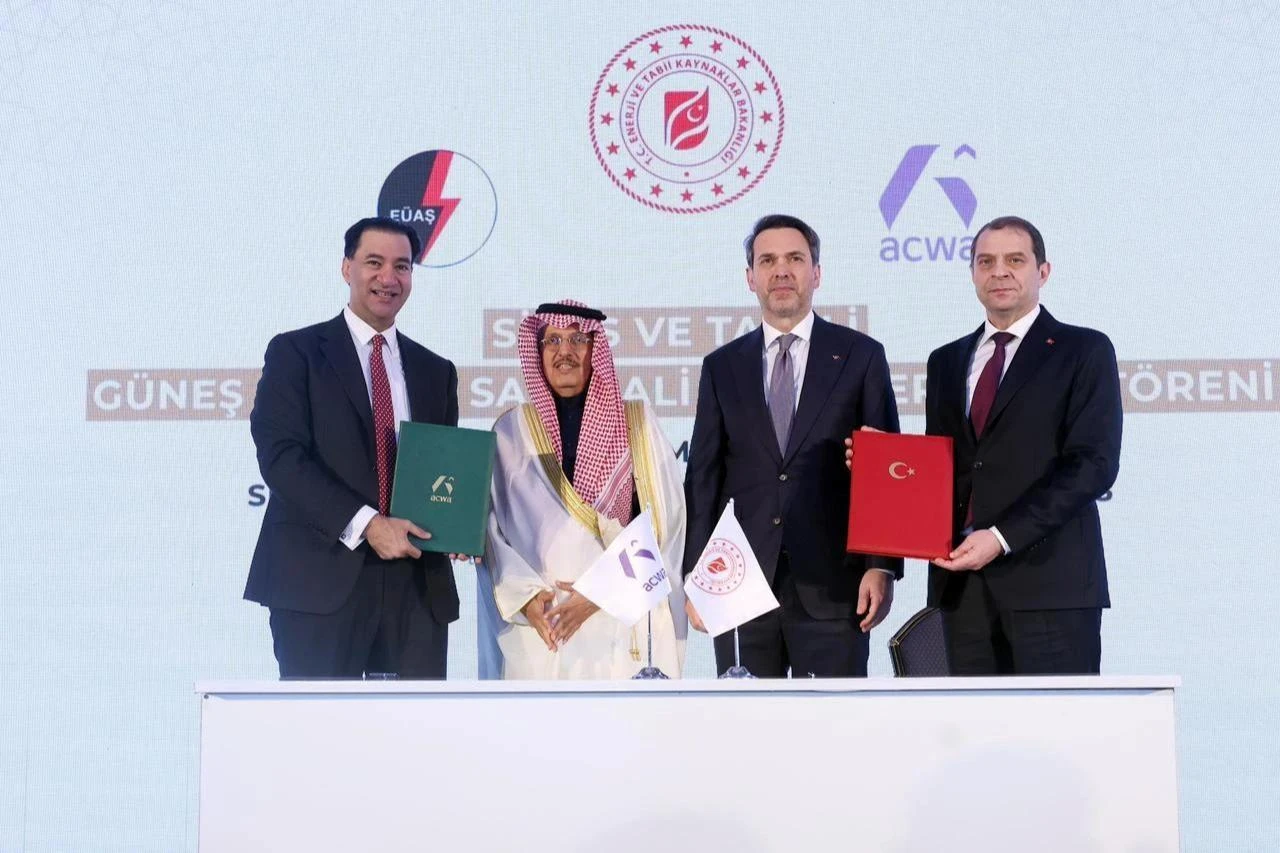
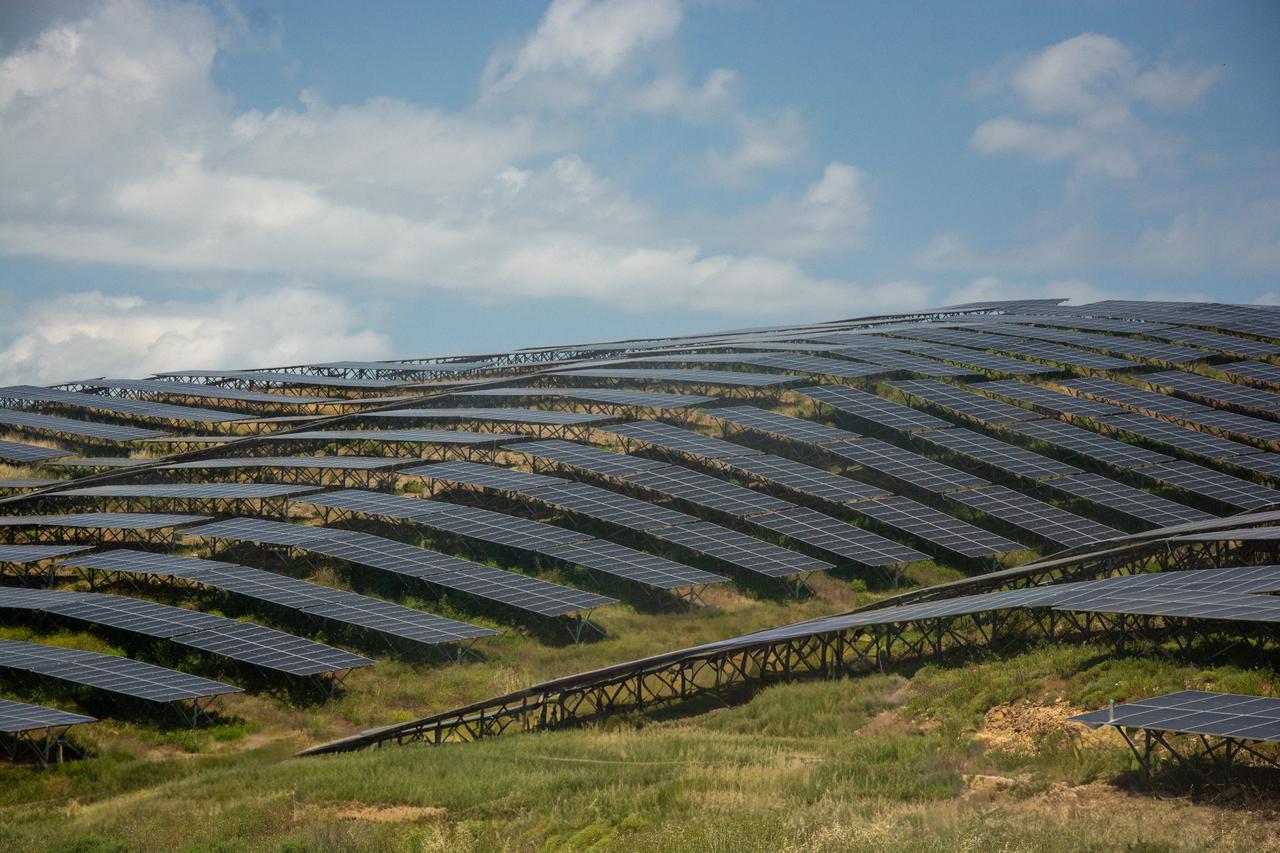
The first 2-gigawatt phase was signed in February and covers solar power projects in central Türkiye, including the Sivas and Taseli projects. Saudi Arabia's state-owned energy developer ACWA Power is developing the projects under agreements with Türkiye's Energy and Natural Resources Ministry.
Construction on the first 2 gigawatts is expected to begin after permits and environmental approvals, with initial electricity generation targeted for early 2028 and the full 2-gigawatt capacity expected to be operational during 2028.
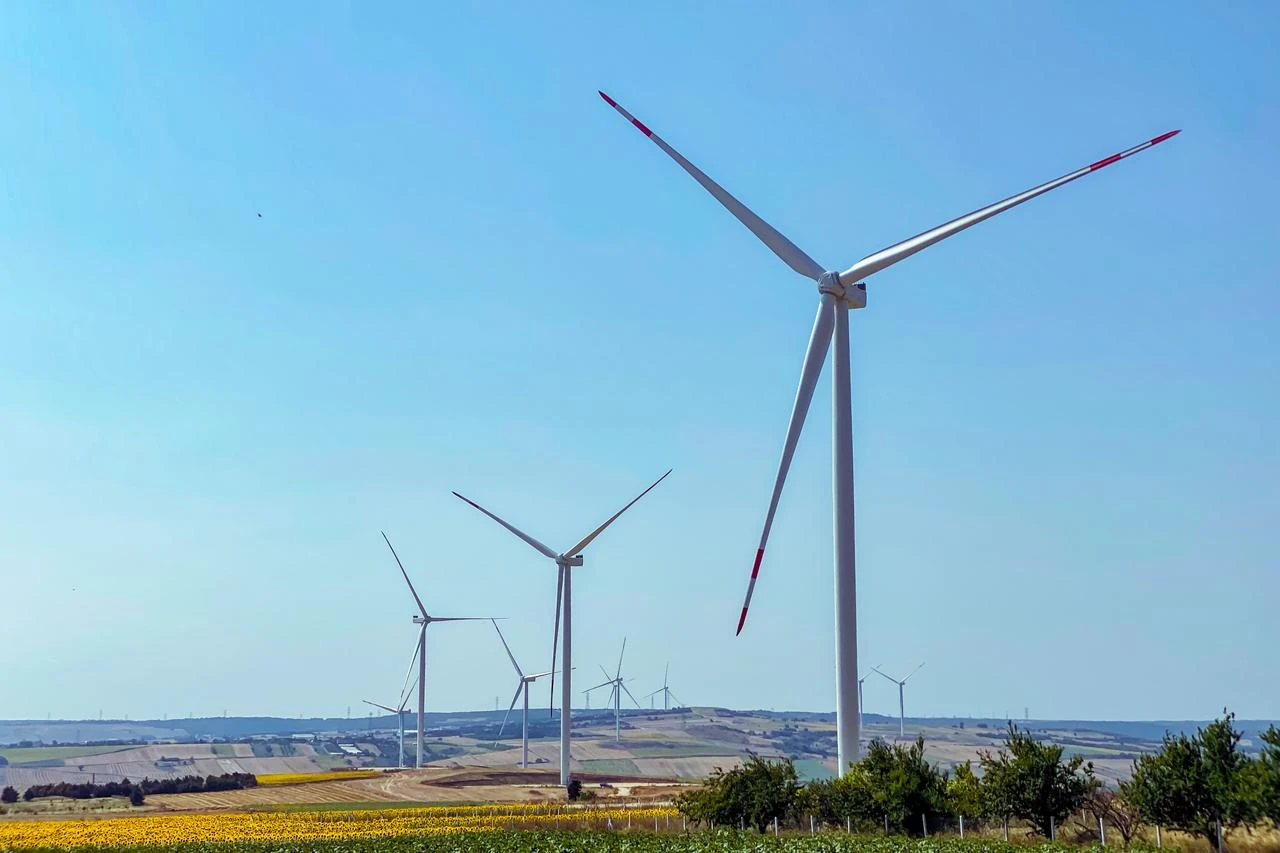
The 3-gigawatt second phase is planned to include a mix of solar and wind projects, along with energy storage, although specific locations have not yet been announced.
The broader intergovernmental agreement is backed by up to $5 billion in investment and covers five renewable energy projects with a combined capacity of 5 gigawatts, ACWA Power previously stated.
Bayraktar pointed to Türkiye's broader expansion of electricity capacity, saying installed power has quadrupled over the past 24 years, rising from 32,000 megawatts to 126,000 megawatts.

Bayraktar also said Türkiye's oil production has tripled, natural gas production has increased ninefold and mineral exports have risen tenfold over the past 25 years, pointing to the country's broader expansion in domestic energy and mining activity.
"We have a fundamental goal: to make Türkiye independent in energy in the Century of Türkiye," Bayraktar said, describing energy independence as a central objective of the government's long-term vision.
Türkiye's natural gas network now reaches all 81 provinces, compared with just five provinces in 2002. The country is also set to provide natural gas to its 1,000th settlement this year, further expanding access to the fuel across the country.
Domestic natural gas production is also expected to grow sharply as output from the Black Sea fields increases. Bayraktar said Türkiye plans to double Black Sea gas production this year and quadruple it by 2028.
"We will meet the natural gas needs of 17 million households in 2028 with our own gas from the Black Sea," Bayraktar said.
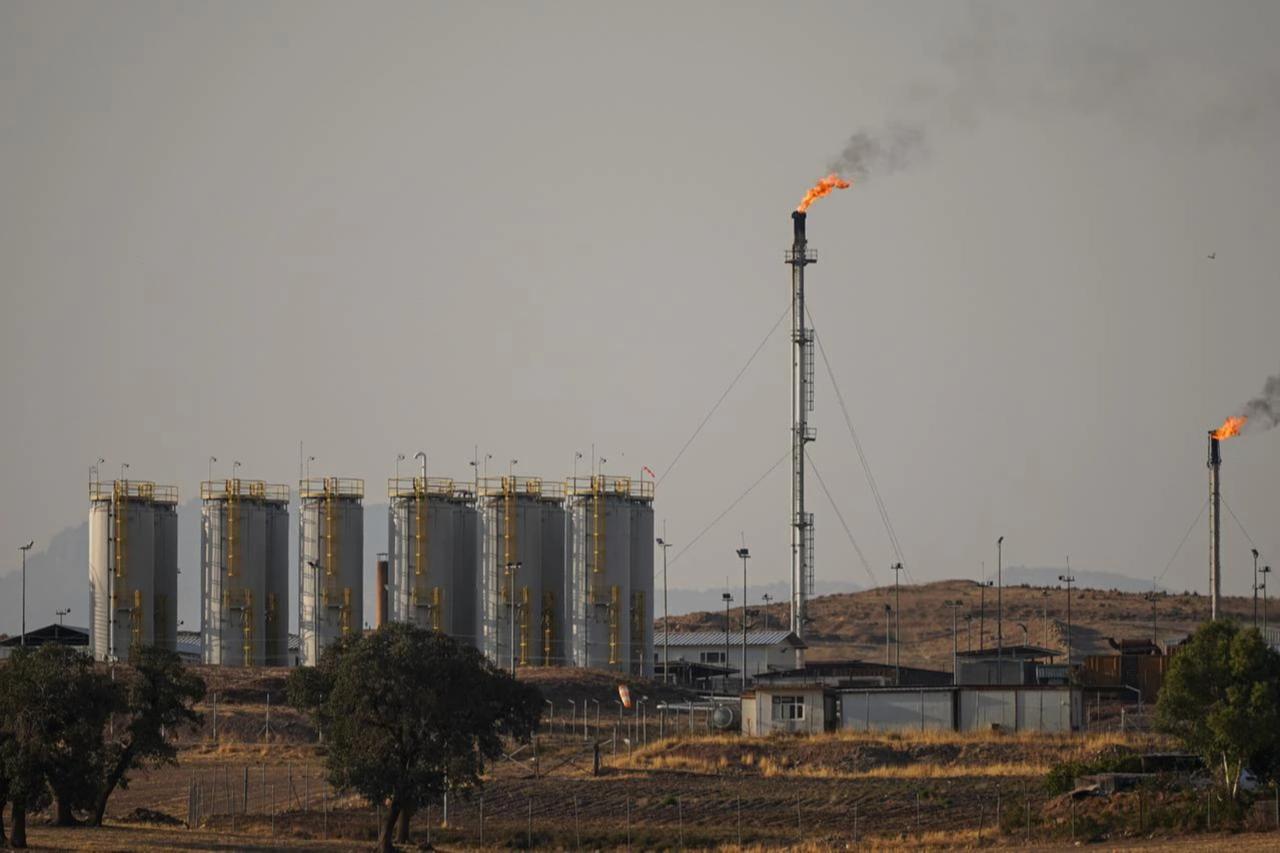
The government is also seeking to expand domestic oil production. At the Gabar field, production has already surpassed 83,000 barrels per day, while more than 3,500 people work in the area, the minister highlighted.
The development of Gabar is contributing to economic activity, employment and regional development while helping reduce Türkiye's energy import needs, he added.


 Set as preferred source
 Set as preferred source


 1 min read
 1 min read