Newsletters


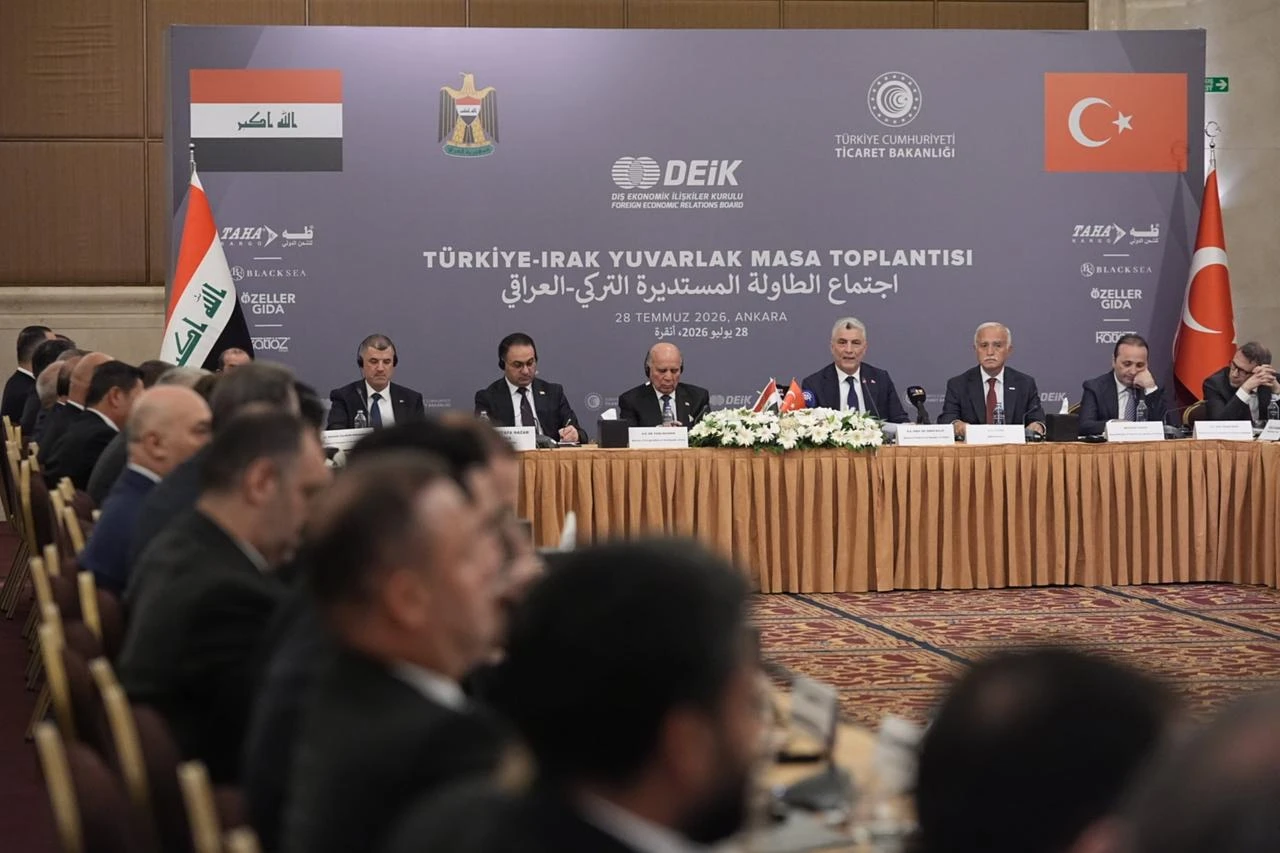


Turkish Trade Minister Omer Bolat said Tuesday that integrating the Ibrahim Khalil Border Gate into Iraq's Automated System for Customs Data (ASYCUDA) would make a significant contribution to the two countries' $30 billion trade target.
Speaking at the Türkiye-Iraq Business Roundtable Meeting in Ankara, Omer Bolat said economic ties have expanded across trade, investment, contracting, transportation, defense, tourism and services.
Bilateral trade currently stands at about $17 billion, after reaching as high as $24 billion following the COVID-19 pandemic and during a period of elevated energy prices, he said.
Iraq is Türkiye's fifth-largest trading partner, Bolat said, adding that the two countries were determined to raise bilateral trade to $30 billion over the medium term.
Turkish contractors have completed 1,157 projects worth $40 billion in Iraq, making it their third-largest overseas market, he added.
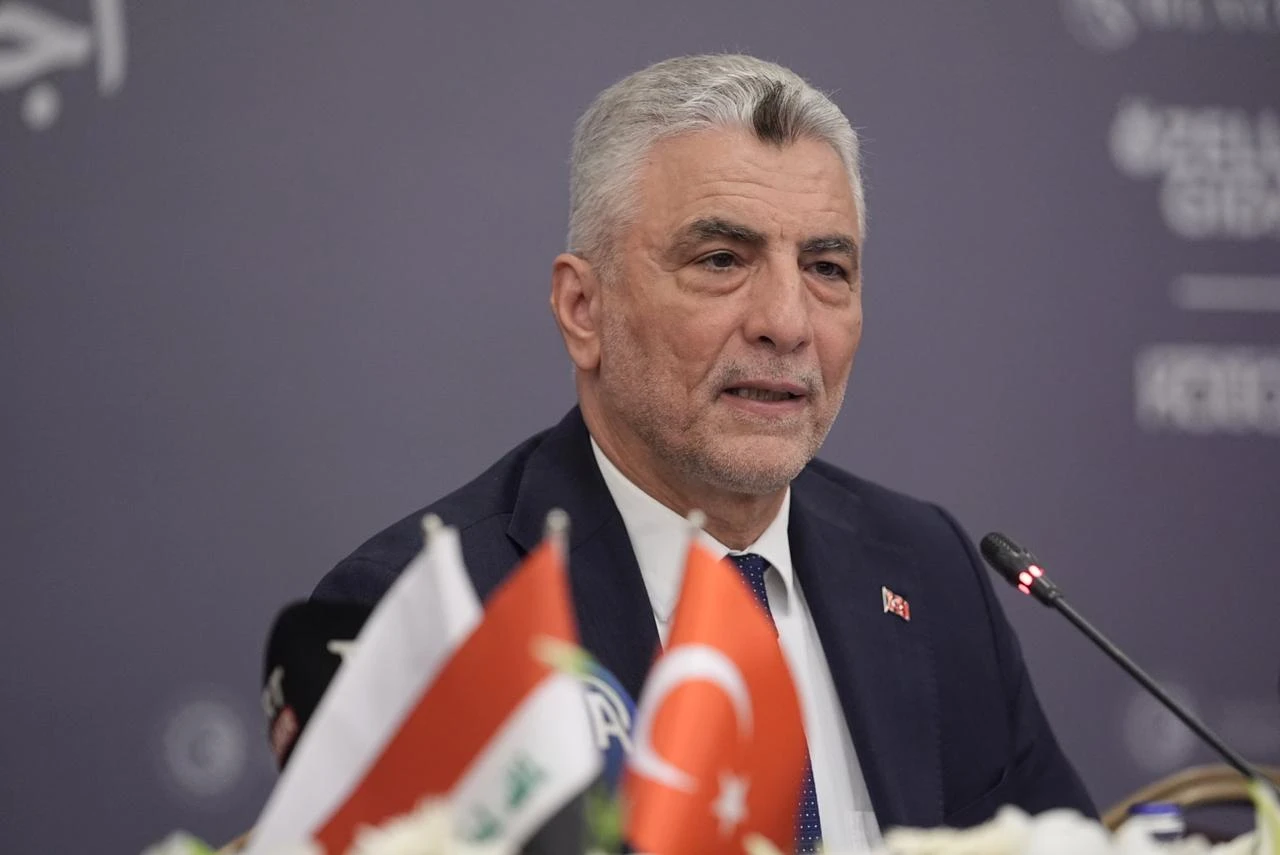

Bolat said Iraq is Türkiye's fifth-largest foreign trade partner.
"We are determined to bring trade between Iraq and Türkiye to a volume of $30 billion in the medium term under the leadership of our esteemed President Mr. Recep Tayyip Erdogan and Iraqi Prime Minister Ali al-Zeydi," he said.
Bolat said Iraq is the third-largest market for Turkish contractors in terms of projects undertaken.
He said Turkish contractors have successfully completed 1,157 projects worth $40 billion in Iraq to date.
Turkish contractors have reached a business volume of $566 billion through nearly 13,000 projects worldwide, and projects in Iraq account for about 7.5% to 8% of that total, he added.
Bolat said Türkiye is ready to work rapidly with Iraq after the formation of the new government and to cooperate in trade, investment, contracting, services and transportation.
"The hot war and geopolitical developments in the Gulf region this year unfortunately have negative effects on the economy," Bolat said.
"Serious problems have been encountered especially in terms of energy corridors and the delivery of energy resources to the world," he added.
Bolat said these developments showed the need to fully operate the Kirkuk-Ceyhan oil pipeline between Iraq and Türkiye, build a new oil pipeline from Basra to Ceyhan and make the bilateral trade corridor between Türkiye and Iraq operational.
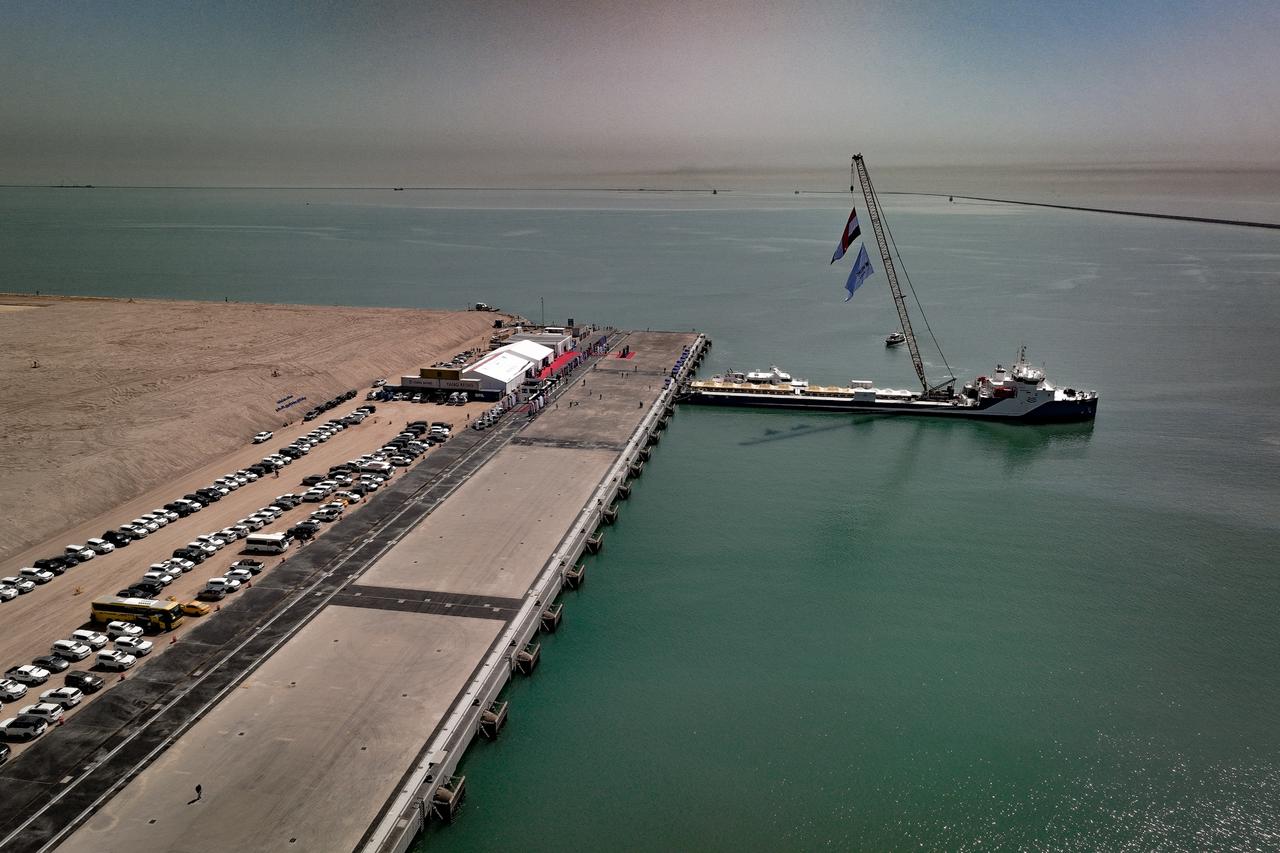
He also said the Development Road, which will start from Fav Port in the Persian Gulf and extend to Europe through Türkiye, should become functional, along with energy and trade corridors.
Bolat said it is important for agreements between the two countries on the reciprocal promotion and protection of investments and the prevention of double taxation to enter into force after mutual domestic approval processes are completed.
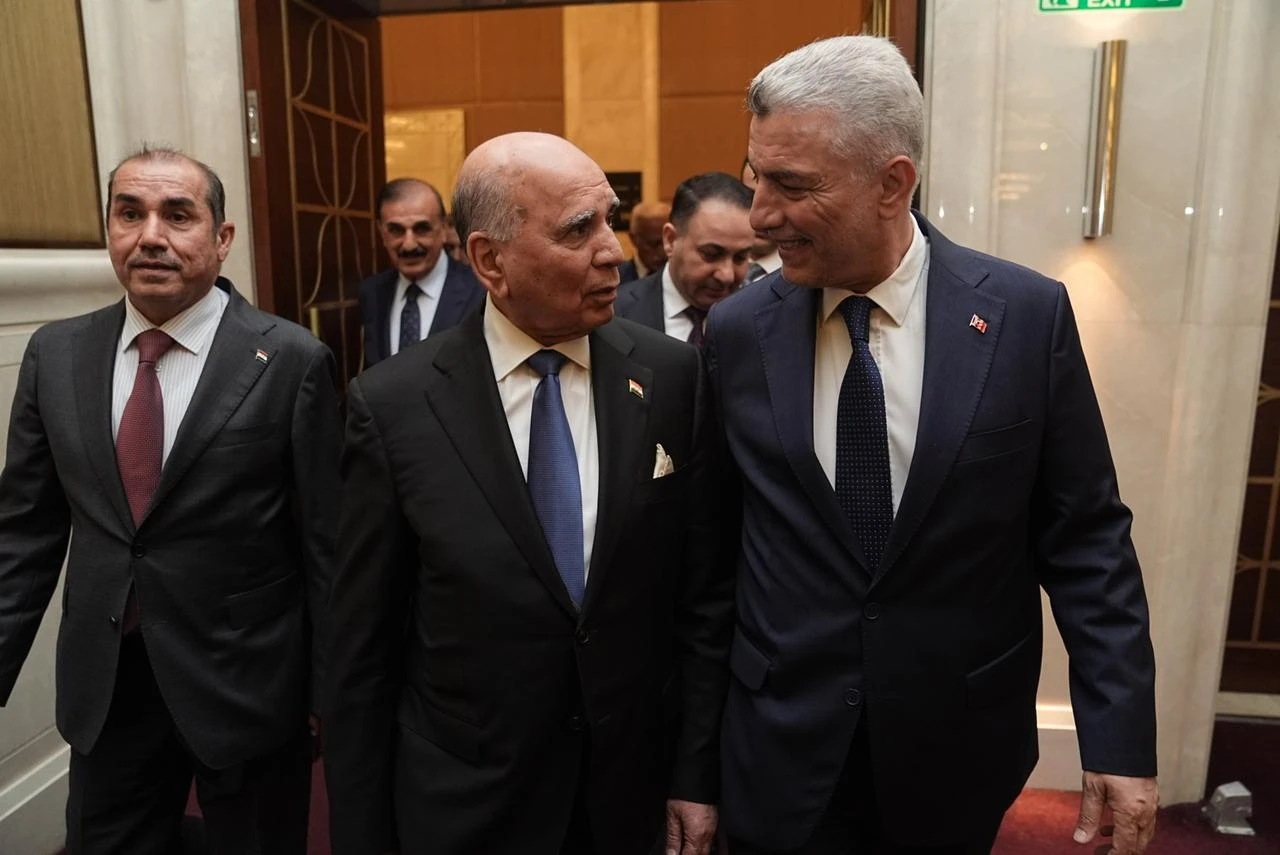
Bolat said completing the integration of the Ibrahim Khalil Border Gate into Iraq's ASYCUDA system as soon as possible would help increase bilateral trade.
"We believe that the integration of the Ibrahim Khalil Border Gate into the ASYCUDA system implemented by the Iraqi government as soon as possible will make a very important contribution to the target of raising trade between Türkiye and Iraq to the level of $30 billion," he said.
"At a time when Türkiye-Iraq cooperation has risen to such an important position in terms of trade and energy corridors, completing the integration of the system with the Ibrahim Khalil Border Gate will remove uncertainty and accelerate trade," he added.
Bolat said Türkiye is also open to all forms of cooperation regarding Iraq's implementation of the TIR Convention.
Recalling that the transit visa regime between Türkiye and Saudi Arabia has been in effect since April 15, Bolat said transit trade channels had opened from Türkiye to Iraq and from Iraq to Saudi Arabia, Kuwait and the wider Gulf.
"In this framework, we believe that the Development Road will accelerate investments and contracting works in Türkiye-Iraq relations in terms of establishing new logistics centers and cities," he said.
Bolat also said Türkiye would like to host the Türkiye-Iraq Joint Economic and Trade Committee (JETCO) meeting this year.
In remarks after the meeting, Bolat said the two countries are included in the scope of near-shoring and friend-shoring in foreign trade.
"Ninety-four percent of Türkiye's goods exports, which will reach $282 billion this year, are industrial products, and 55% to 60% of this is exported to European Union and North American countries, that is, developed countries," he said.
Bolat recalled that Türkiye and the European Union (EU) have had a Customs Union integration for 30 years.
He said Türkiye has also been included in the "Made in EU" concept and project adopted by the EU, adding that Ankara expects the Iraqi government to include Türkiye in the "sought product condition."
Bolat said customs crossings, road and railway corridors and energy lines must be expanded and increased to avoid facing troubled processes in the Strait of Hormuz again.
He said he believed the visit would make a major contribution to Türkiye-Iraq relations.
Foreign Economic Relations Board (DEIK) President Nail Olpak said the board is working on commercial diplomacy to increase trade.
"The formation of the new government will put cooperation between the two countries on a better footing," Olpak said.
"We believe that with the war left behind, the reconstruction and development process in Iraq will accelerate. As Türkiye, we will continue to be the most reliable partner of our neighbor Iraq in this process, as we have been so far," he added.
Olpak said not only trade but also investments are important, adding that steps are expected in this area in the coming period.
"Eliminating differences in customs practices between the central government and the Kurdistan Regional Government is important, especially in terms of liberalization and operations," he said.
"The effective implementation of the ASYCUDA system at customs gates will accelerate our processes," he added.
Olpak said money transfers are indispensable for business and that resolving difficulties in trade payments caused by banking practices remains one of the business community's priorities.
"Accelerating e-visa processes for businesspeople and multiple-entry commercial visas are vital for us," he said.


 Set as preferred source
 Set as preferred source


 1 min read
 1 min read