Newsletters


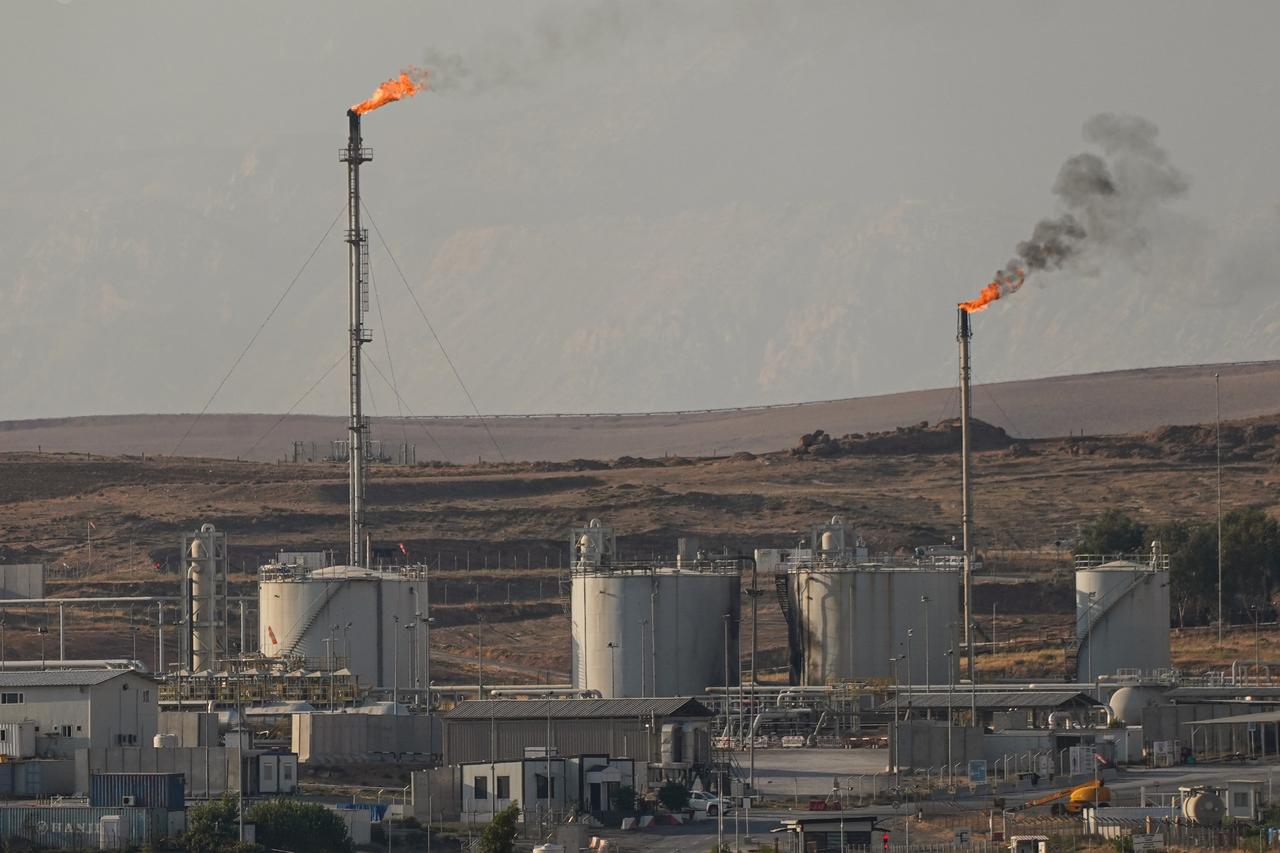


Türkiye is reportedly pushing for increased crude oil shipments through the Kirkuk-Ceyhan pipeline and is not interested in extending the current agreement with Iraq unless higher volumes are achieved.
Baghdad has recently asked Ankara to extend the current agreement for at least another year beyond its July 27 expiry date while negotiations continue, but Türkiye appears reluctant to prolong a deal it has long sought to replace due to insufficient pipeline volumes and ongoing arbitration disputes, according to people familiar with the talks.
The discussions center on the decades-old Türkiye-Iraq Crude Oil Pipeline Agreement, which governs exports through the Kirkuk-Ceyhan route. Ankara announced last year that it wanted to replace the existing framework with a new arrangement and has since been negotiating revised terms with Baghdad.
Although the pipeline has a capacity of nearly 1.5 million barrels per day, actual volumes remain well below that level.
Exports from Kirkuk to Türkiye averaged 177,000 barrels per day in April, according to Reuters, while Baghdad announced in early June plans to increase flows to around 770,000 bpd within two and a half months.
In response to Baghdad's request, Türkiye indicated that higher oil flows would be needed before it agrees to a new arrangement.
A Turkish official familiar with the matter told Bloomberg that Ankara wants the pipeline to operate at much higher volumes and is seeking a longer-term agreement lasting between five and 10 years.
Turkish officials have also proposed measures aimed at increasing utilization of the route, including options to extend the pipeline farther south into Iraq.
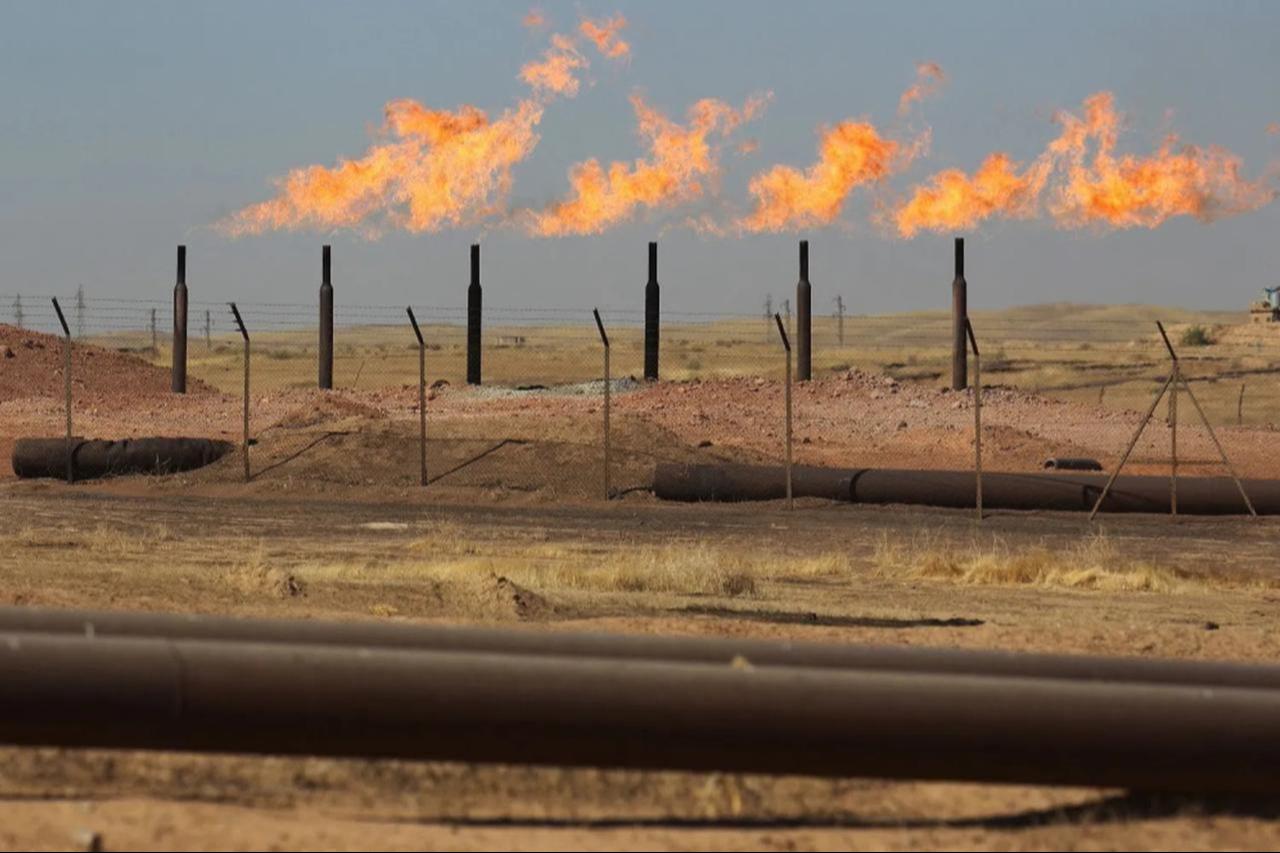

Türkiye's reluctance to extend the existing agreement is also rooted in ongoing legal disputes with Iraq, including an arbitration ruling that led to the pipeline being shut for roughly two and a half years after Ankara was ordered to pay $1.5 billion in damages over unauthorized Iraqi oil exports conducted between 2014 and 2018.
Although oil flows resumed late last year, a second arbitration case covering exports from 2018 onward remains pending, while a separate award enforcement proceeding continues in a U.S. court.
"There is no point in extending an agreement that has been subject to arbitration," a senior Turkish official told Reuters, underscoring Ankara's preference for negotiating a new framework rather than renewing the existing deal.
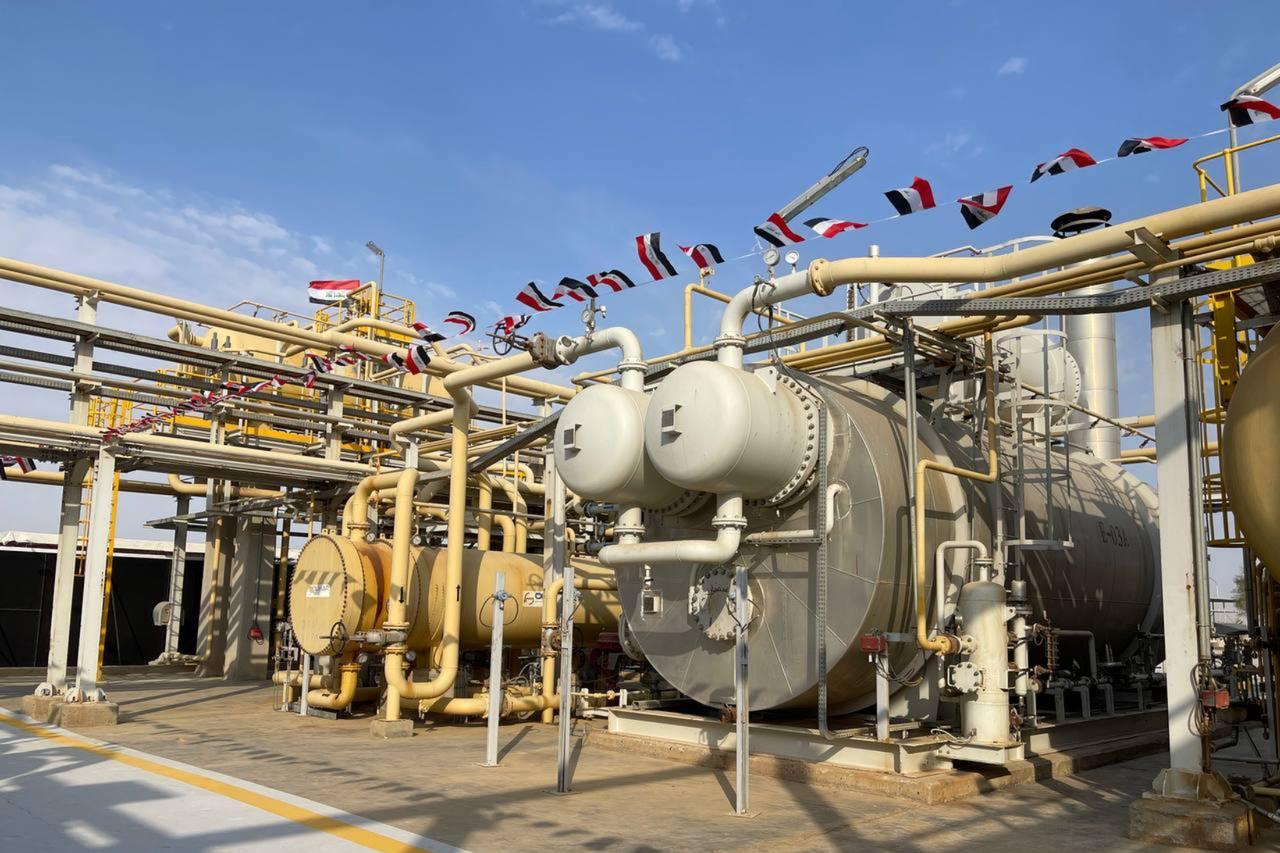
The 986-kilometer Kirkuk-Ceyhan pipeline carries crude from oil fields in northern Iraq, including the semi-autonomous Kurdish region, to Türkiye's Mediterranean export hub of Ceyhan.
The route is one of OPEC's second-largest oil producers' main export corridors and provides an alternative to Iraq's southern terminals, where exports fell by nearly 80% following disruptions in the Strait of Hormuz after the escalation of the Iran conflict in late February.
The pipeline terminates at Ceyhan, a major Mediterranean energy hub on Türkiye's southern coast that serves as a key outlet for crude exports from both Iraq and Azerbaijan.
The terminal is connected to the Kirkuk-Ceyhan and Baku-Tbilisi-Ceyhan pipelines and currently has a crude storage capacity of about 11.1 million barrels, with state pipeline operator BOTAS planning to expand that capacity to 45 million barrels by 2031.


 Set as preferred source
 Set as preferred source


 1 min read
 1 min read