Newsletters


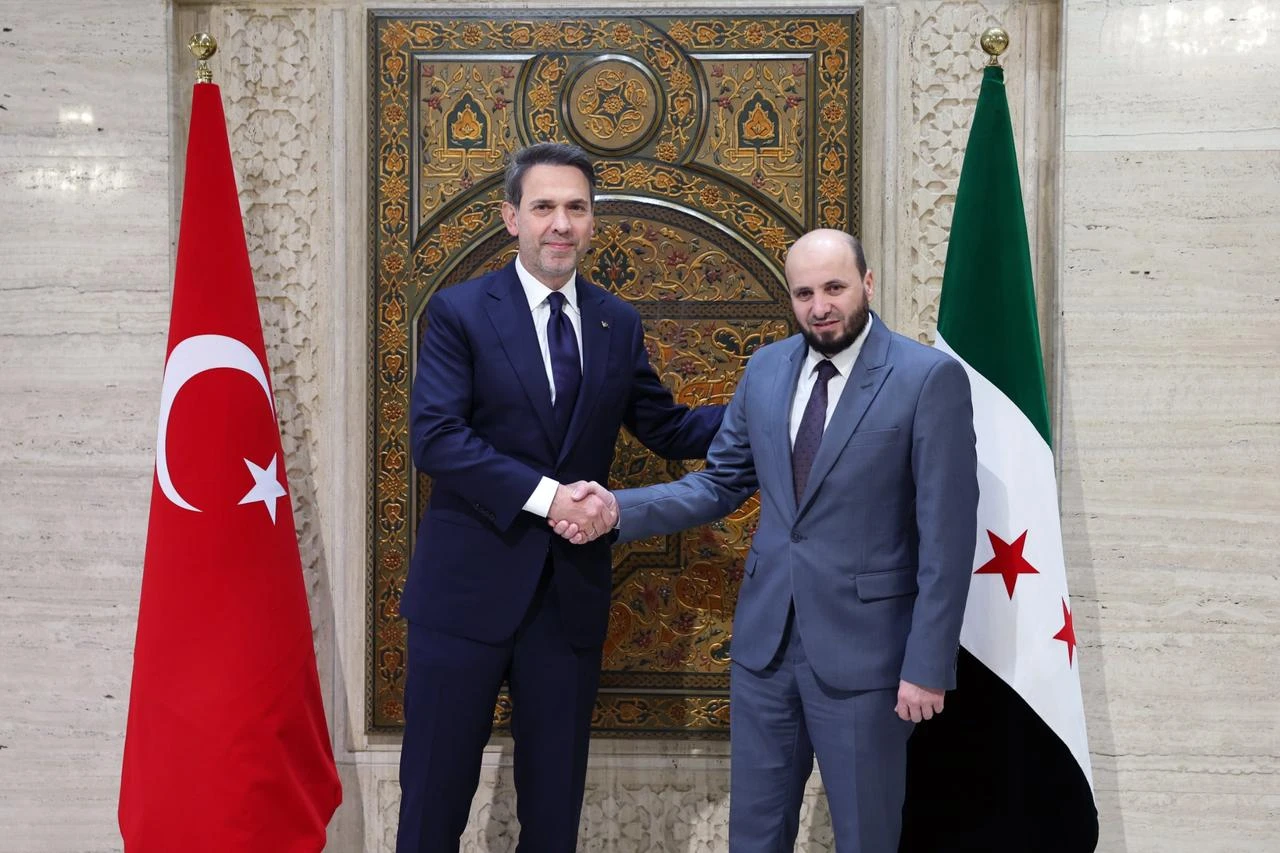


Türkiye and Syria signed a memorandum of understanding on phosphate mining on Wednesday, opening the way for closer cooperation on Syria’s mineral resources.
The agreement, signed in Damascus between MTA International Mining Inc. and Syria’s General Directorate of Geology and Mineral Resources, focuses on developing phosphate deposits and expanding production.
Speaking at a press conference after the deal, Energy and Natural Resources Minister Alparslan Bayraktar outlined plans to turn the framework agreement into a commercial deal covering phosphate production, mine development and a railway connection to a port.
“After signing the framework agreement here, we aim to implement a project in the coming days that will lead to a commercial agreement, including phosphate production, development of phosphate fields and construction of the railway to the port,” Bayraktar said.
Syria holds an estimated 1.8 billion to 2.1 billion tons of phosphate reserves, placing it among the world’s top five countries by phosphate reserves, according to Syria’s state-run SANA news agency. The country’s main deposits are concentrated around the Palmyra area, including the Eastern and Khneifiss mines.
Phosphate is a critical raw material for fertilizer production because phosphorus is essential for plant growth and crop yields, while phosphate rock is also used to produce phosphoric acid and other industrial products.
The two countries also plan to work together to bring iron deposits around Aleppo into economic use, Bayraktar added.
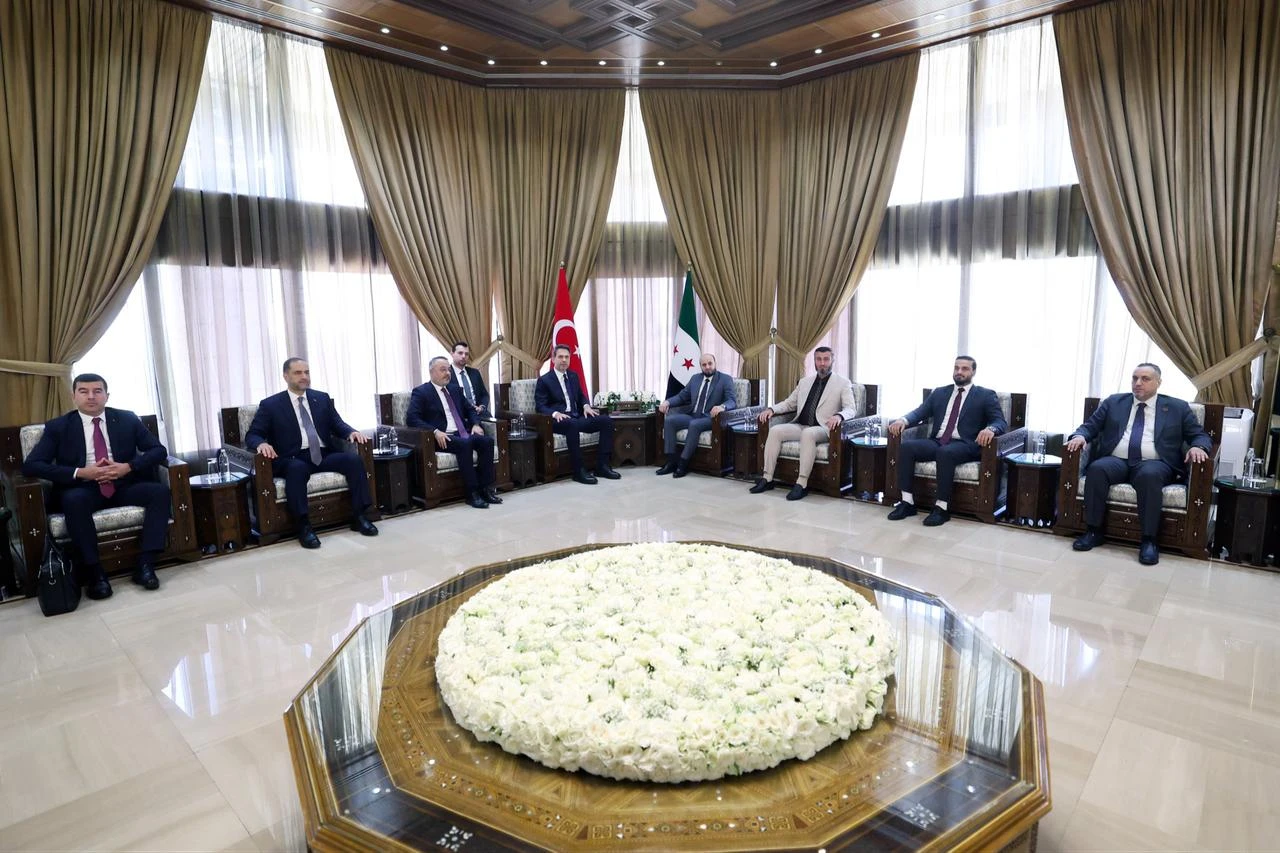

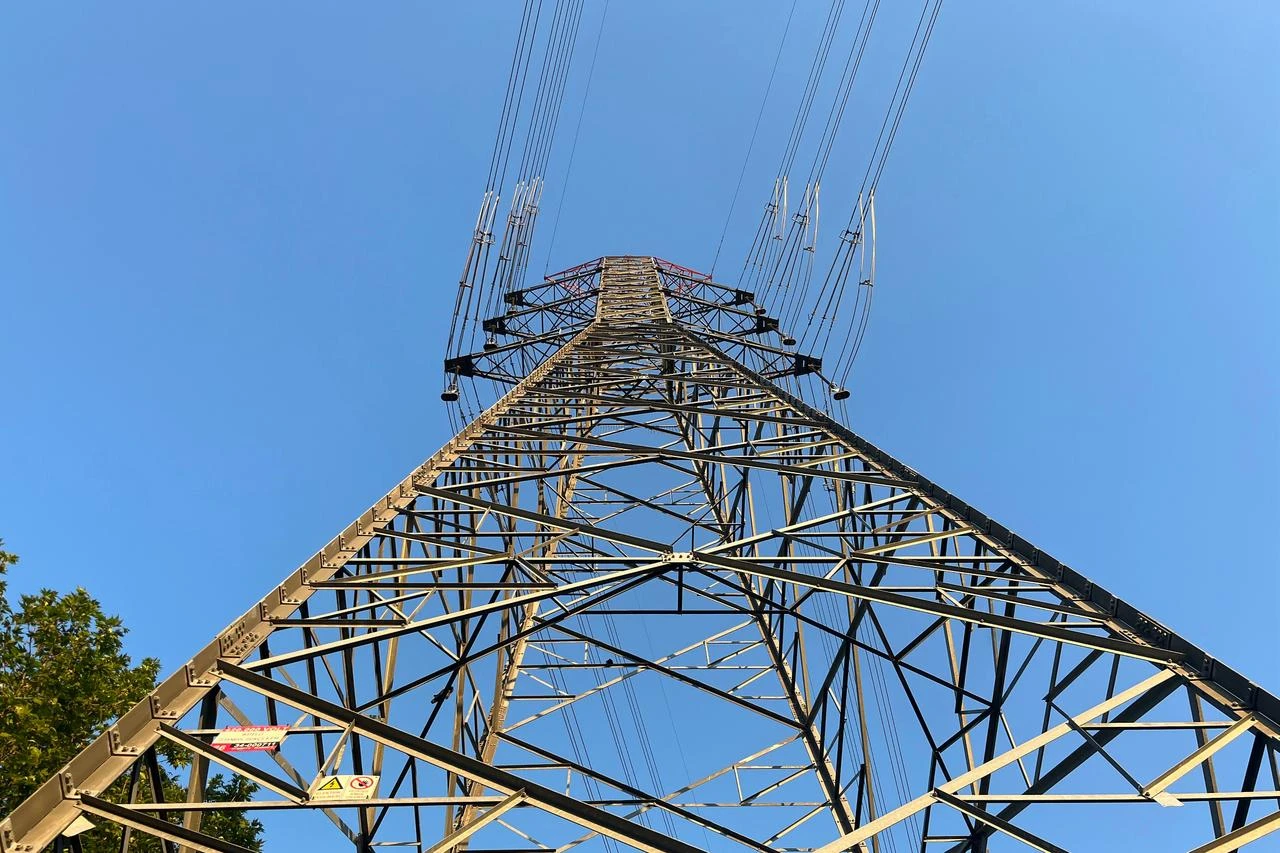
The phosphate agreement comes alongside broader energy cooperation between Türkiye and Syria. Türkiye is increasing electricity supplies to Syria, with the Birecik-Aleppo transmission line expected to enter service in the coming weeks.
The new line will lift electricity exports to 800-900 megawatts, nearly three times current levels, Bayraktar projected.
Türkiye is also prepared to explore Syria’s oil and natural gas resources, including offshore fields and onshore areas where production could rise or new discoveries could emerge. Bayraktar pointed to seismic surveys and drilling as potential components of future joint projects.
Syrian Energy Minister Mohammed Bashir outlined a separate transmission project targeting completion by the end of September. The line is expected to channel about 500 megawatts to Aleppo and surrounding areas.
Bashir also highlighted further areas for mining cooperation, including sulfuric acid and phosphoric acid production and rehabilitation of phosphate transport capacity and phosphate imports.
In a post on X after the meetings, Bayraktar outlined discussions on electricity, mining, natural gas and oil production both on land and at sea, as well as new areas for cooperation. "We are building a strong energy cooperation model with Syria that will reinforce regional stability and accelerate development," he wrote.


 Set as preferred source
 Set as preferred source


 1 min read
 1 min read