Newsletters


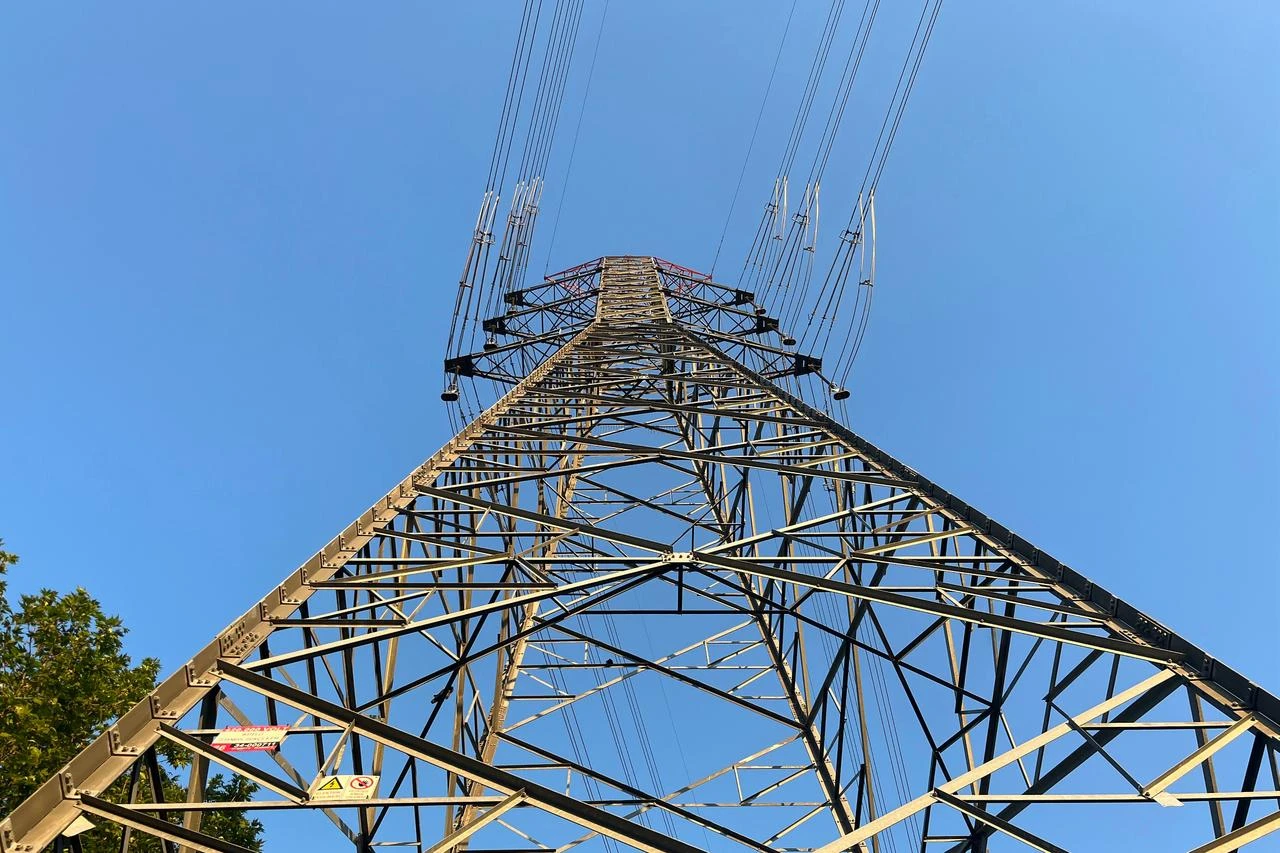


Türkiye is working with Saudi Arabia on a large-scale electricity transmission network that would carry power from Saudi Arabia through Jordan and Syria before reaching Türkiye, according to the Energy and Natural Resources Ministry.
The proposed corridor would create a cross-border electricity connection between the Gulf and Türkiye and could eventually include Lebanon because of its high energy needs, while talks between Türkiye and Saudi Arabia on the project are continuing, Energy and Natural Resources Minister Alparslan Bayraktar said last week.
Under the proposed route, electricity would move from Saudi Arabia into Jordan, then through Syria and onward to Türkiye, with the network relying on transmission infrastructure across several countries.
The proposed corridor builds on Türkiye's existing electricity links with Syria. Türkiye has supplied electricity to parts of northern Syria since 2017, while work is underway to expand electricity exports through additional transmission infrastructure.
One project involves bringing the approximately 500-megawatt Birecik-Halep electricity transmission line back into service. Türkiye has also been working to deliver Azerbaijani natural gas to Syria through Kilis. The gas is intended to be used for electricity generation at a natural gas power plant in Aleppo.
Ufuk Alparslan, Türkiye and Caucasus Regional Lead at Ember, described Türkiye as an important location for energy transit but noted its continued dependence on foreign fossil fuel supplies.
"Türkiye's natural gas and oil position is less about being a ‘hub country’ and more about its potential to become a ‘transit country’ connecting producer countries with consumer markets," Alparslan told state-run Anadolu Agency.
Greater use of electricity interconnections could support Türkiye's development as a regional renewable energy center, Alparslan argued. Such links could connect power systems across borders and allow electricity to move between markets when production and demand patterns differ.
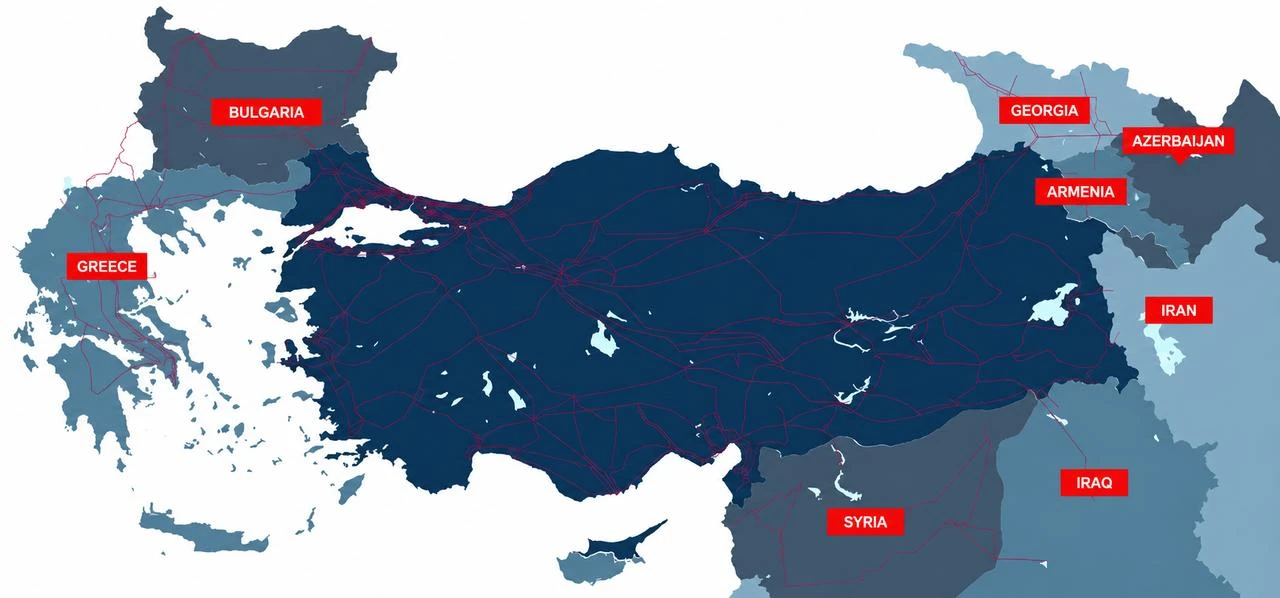

Alparslan also pointed to the potential for Türkiye's electricity connections to expand eastward. He cited a prospective interconnection between Türkiye and mainland Azerbaijan through Nakhchivan, followed by possible connections from Azerbaijan into Central Asia.
East-west interconnections could also help make better use of solar generation because electricity systems in different regions experience sunrise and sunset at different times, he explained.
“Interconnections increase the flexibility of electricity systems while allowing surplus production caused by seasonal differences in demand to be exported and generate revenue,” Alparslan added.
As of the end of June 2026, Türkiye had 126,113.1 MW of installed power capacity, while its electricity transmission lines reached 77,253 kilometers by the end of July, according to data from the state-run Turkish Electricity Transmission Corporation (TEIAS). The country has 824 transformer substations and 15 interconnection links.
Electricity generation stood at 176.4 TWh at the end of June, compared with 175.0 TWh in consumption. During the same period, electricity imports totaled 0.6 TWh, while exports reached 2.0 TWh.


 Set as preferred source
 Set as preferred source


 1 min read
 1 min read