Newsletters


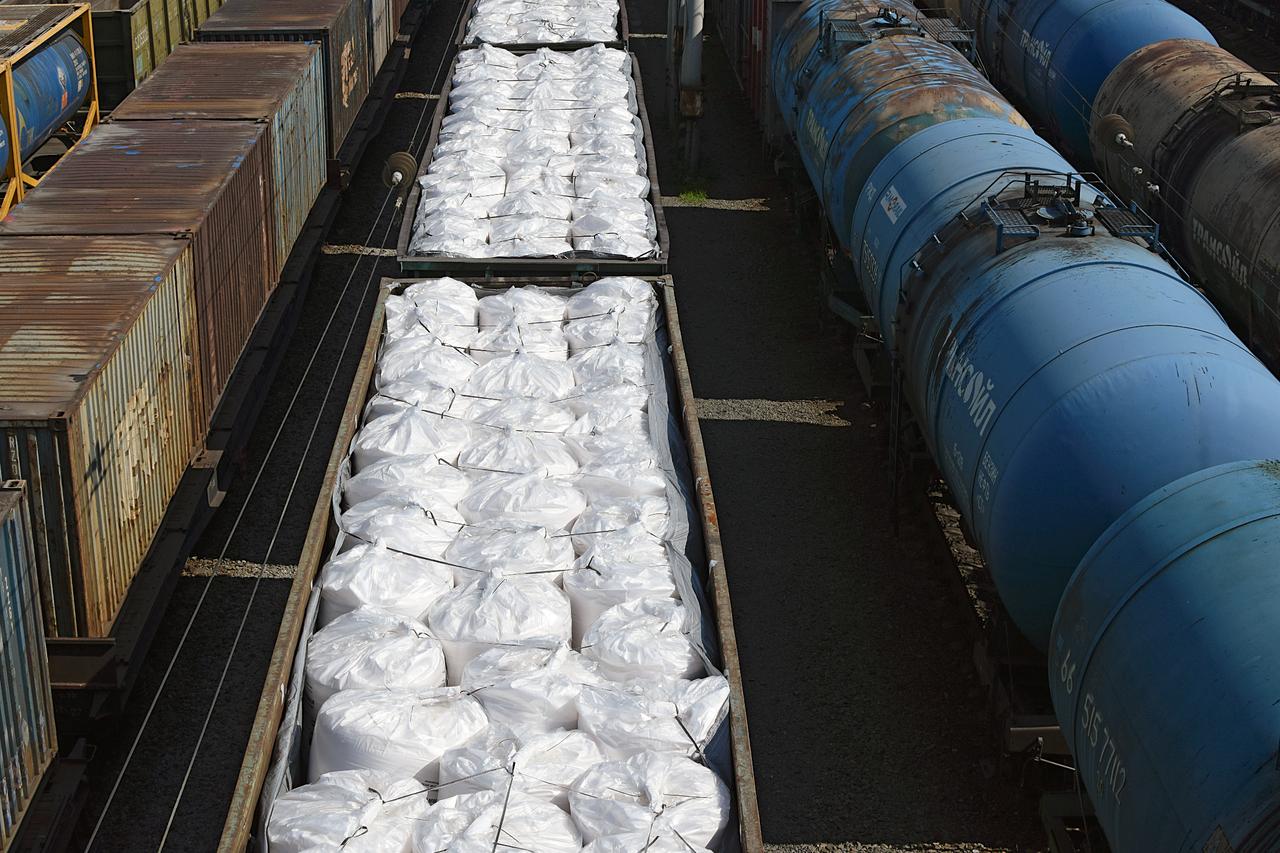


Türkiye plans to sign a Memorandum of Understanding (MoU) with Russia to import larger volumes of nitrogen fertilizer, aiming to overcome difficulties sourcing urea from Persian Gulf producers, according to Türkiye's Agriculture and Forestry Ministry, cited by Bloomberg.
Turkish Deputy Agriculture Minister Ahmet Bagci is set to sign the agreement with his Russian counterpart, Maxim Borovoy Markovich, in Moscow, roughly a week after President Recep Tayyip Erdogan and Russian President Vladimir Putin discussed bilateral and regional issues at the Shanghai Cooperation Organization (SCO) summit in Kyrgyzstan.
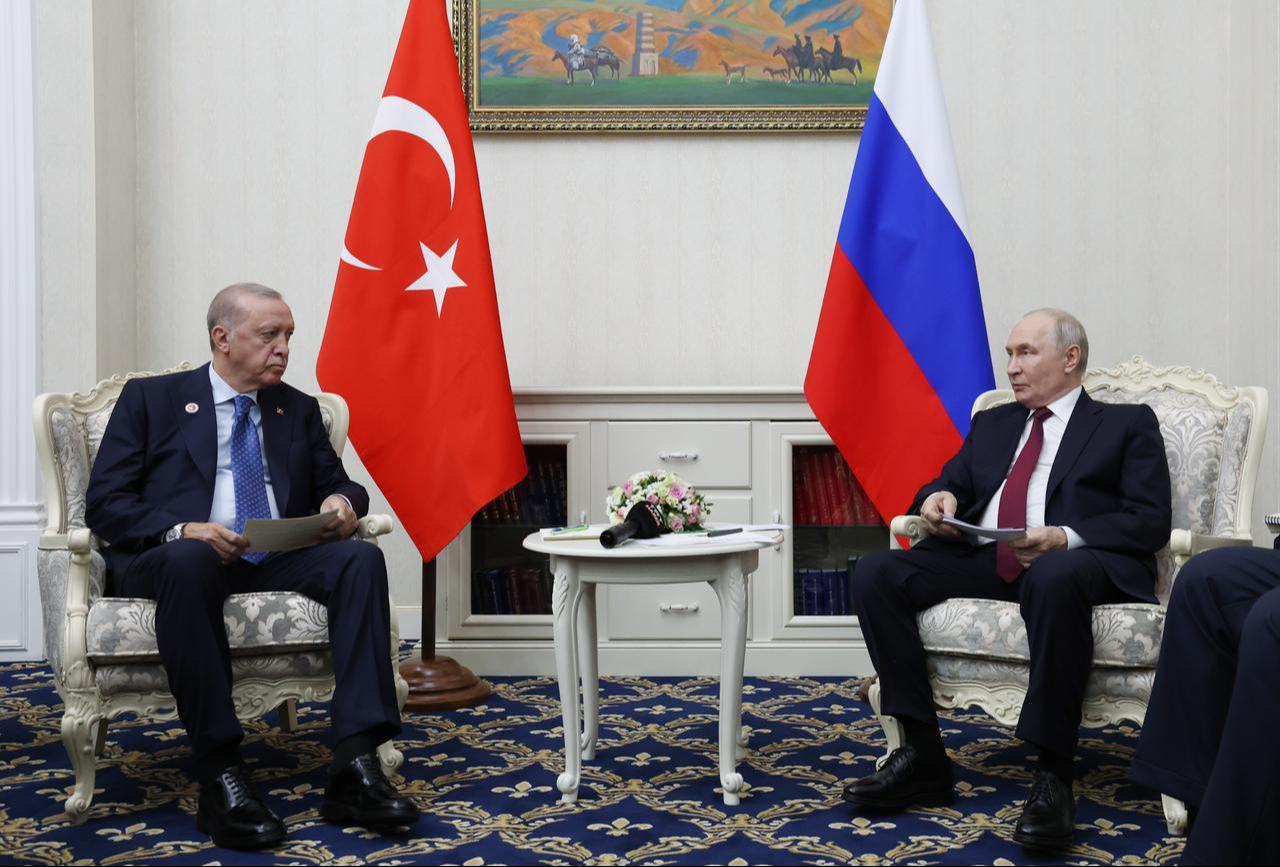

The agreement, officially titled the "Memorandum of Understanding Between the Ministry of Agriculture and Forestry of the Republic of Türkiye and the Ministry of Agriculture of the Russian Federation on the Shipment of Mineral Fertilizer From the Russian Federation to the Republic of Türkiye," would exempt Türkiye from Russian export restrictions on nitrogen and phosphate fertilizers and ammonia.
The Agriculture Ministry told Bloomberg the deal would help secure Türkiye's fertilizer and raw-material supplies ahead of the planting season.
It follows Russia's decision earlier this year to ease curbs on ammonia and urea exports to help meet Türkiye's growing fertilizer needs, according to the ministry.
The Iran war, which began Feb. 28, 2026, and the resulting closure of the Strait of Hormuz halted Türkiye's imports of urea, ammonia and sulfur from the Gulf.
Turkish Agriculture and Forestry Minister Ibrahim Yumakli said in March that Türkiye faced no food security issues and that fertilizer supply during the plant growth season was not a concern, adding that the government was taking steps to increase supply and would roll out additional measures gradually.
Russia is the world's second-largest fertilizer producer, supplying about 20% of globally traded nutrients, though its exports have been disrupted by the war in Ukraine.
Attacks by both Russia and Ukraine have threatened Black Sea shipping and increased Russia's reliance on Baltic Sea ports, raising the cost of deliveries to markets including Türkiye.
Moscow has extended fertilizer export quotas through November to prioritize domestic supply, allowing producers to export 20 million tons of fertilizers, including nitrogen-based products, from June 1 through Nov. 30.
Russia has also temporarily suspended ammonium nitrate exports, further tightening global supplies following the Iran war and the effective closure of the Strait of Hormuz, which cut exports from Gulf Arab countries.
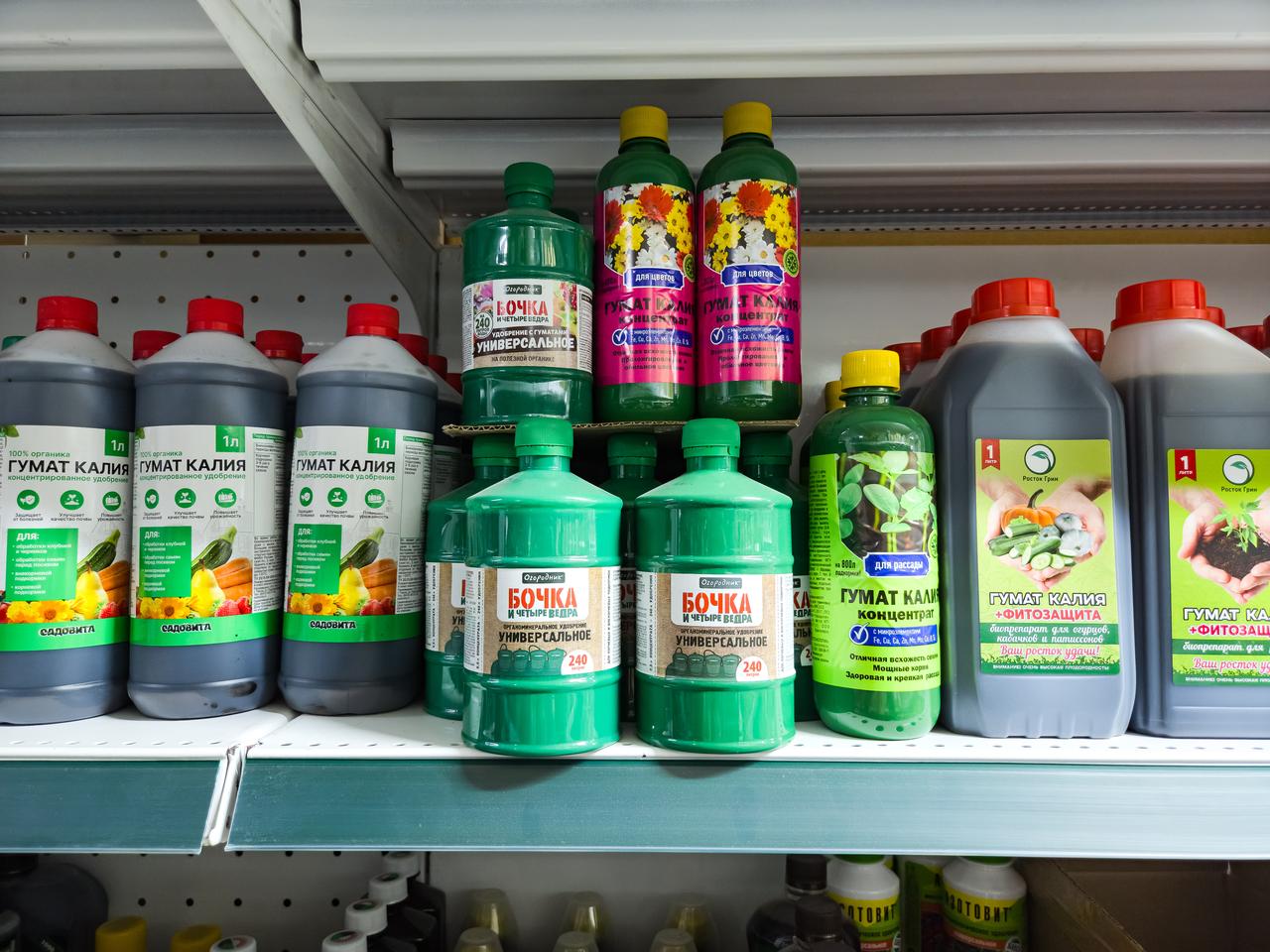
Türkiye reportedly produces about 5 million tons of fertilizer annually against the domestic demand of roughly 7 million tons. Although the country has the capacity to produce more than 8 million tons annually, production is constrained by reliance on imported raw materials, including ammonia, phosphoric acid, phosphate rock, potash and sulfur.
According to the report, seven major fertilizer producers operate 17 production facilities in Türkiye. As the country depends on imported raw materials, these facilities run at 60-70% capacity utilization, producing 4.5 to 5 million tons of fertilizer annually. The rest of Türkiye's roughly 7 million tons of annual fertilizer requirement is imported.
Raw materials are sourced from the Gulf region, the Mediterranean basin, and Russia.
Türkiye is not fundamentally a fertilizer exporter, but becomes competitive with producer countries when global fertilizer prices rise sharply, exporting between 500,000 and 1 million tons annually. Increased supply from Russia could reportedly push that export volume higher.


 Set as preferred source
 Set as preferred source


 1 min read