Newsletters


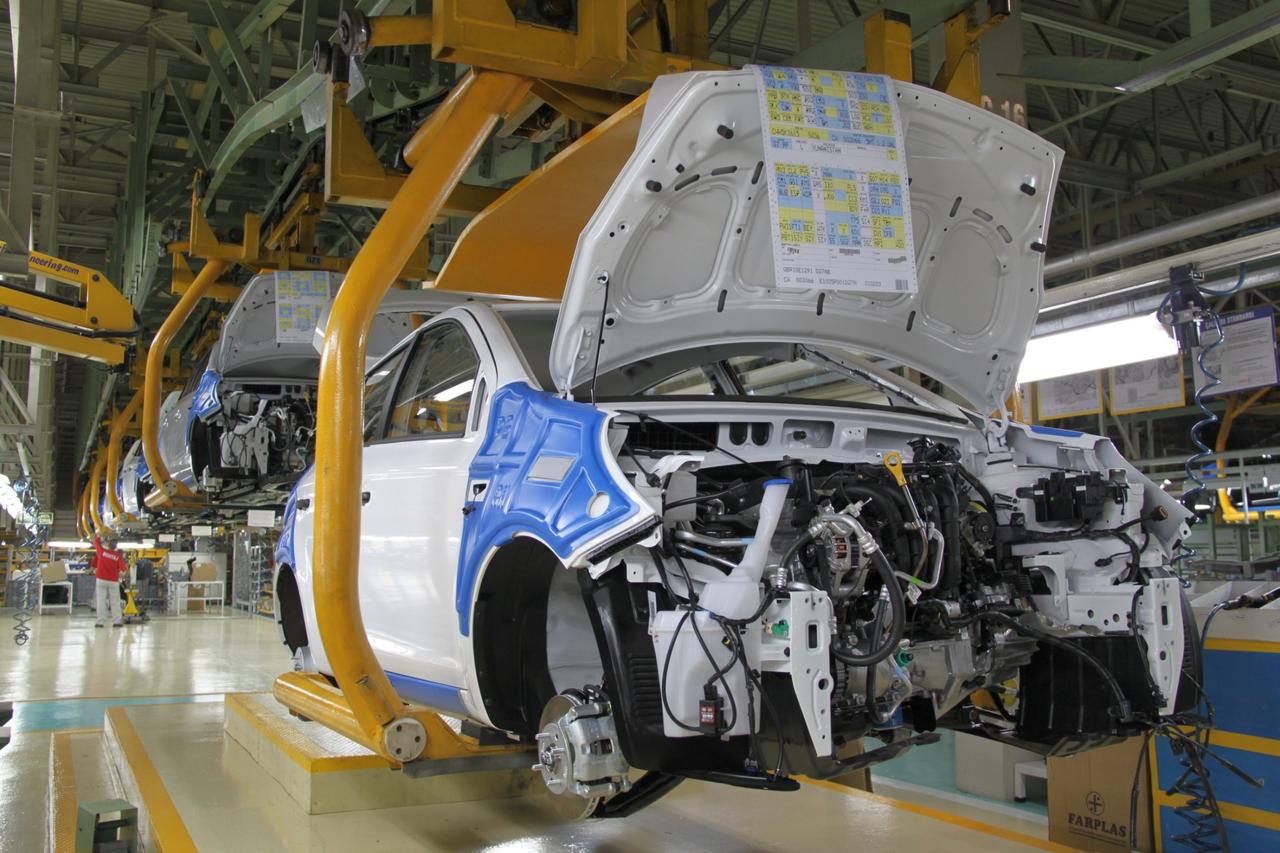


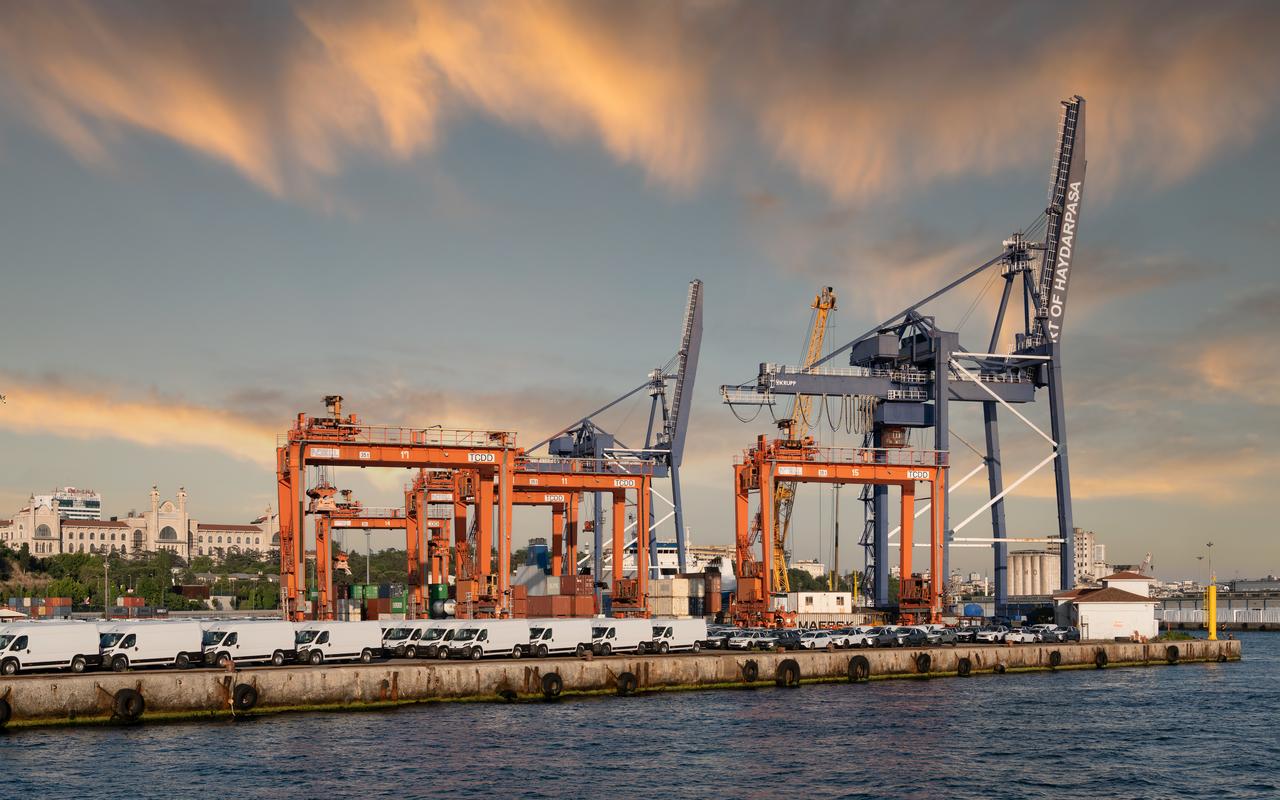
Türkiye's automotive industry saw production, exports, and domestic sales decline in the first nine months of 2026, while locally made cars gained ground against imported models, according to the Automotive Manufacturers Association (OSD).
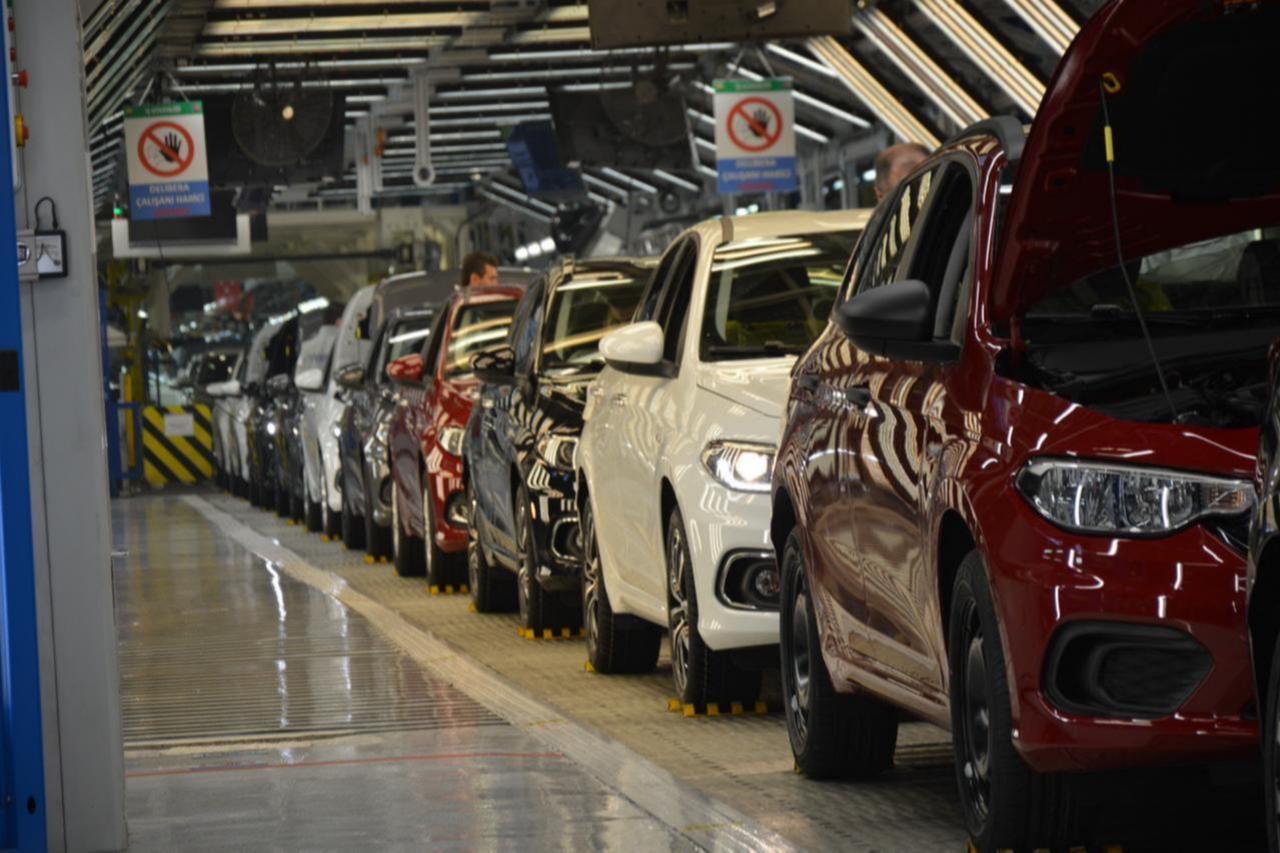
Total vehicle production fell 6% year over year to 971,159 units from January to September. Passenger car output dropped 17% to 528,366 units, while total production, including tractors, reached 986,584 units.
Commercial vehicle production bucked the trend, rising 12%. Light commercial vehicle output increased 13%, while heavy commercial vehicle production grew 7%. Industry capacity utilization stood at 61%, reaching 62% for light vehicles, 59% for trucks, 67% for buses and minibuses, and 27% for tractors.
Automotive exports fell 11% by volume to 685,671 vehicles. Passenger car exports dropped 27%, while commercial vehicle exports rose 11% and tractor exports increased 13% to 9,381 units.
Despite lower export volumes, sector revenue climbed 3% to $31.1 billion, keeping automotive Türkiye's leading export sector with a 17% share of total exports. Passenger car export revenue fell 8% to $7.8 billion, while exports from the main automotive industry rose 2.2% and those from the supply industry increased 3.7%.
Türkiye's automotive market contracted 13% to 832,521 vehicles, while passenger car sales fell 15% to 627,977 units. Imported car sales plunged 23%, but sales of locally made cars rose 2%. Domestic models accounted for 36% of passenger car sales, compared with 65% for imports.
Light commercial vehicle sales fell 5%, with imported models down 9% and locally made vehicles up 11%. Domestic models held a 24% market share in the segment, while imports accounted for 76%. The heavy commercial vehicle market shrank 7%.

OSD Chairman Cengiz Eroldu expected new models to help revive production and exports in the coming months. Hyundai began producing the Ioniq 3 in August, while Oyak Renault and Tofas planned to roll out additional models in the final quarter of the year, adding to the industry's production lineup.
Eroldu anticipated that the impact of recent investments would become more visible in the coming months and throughout 2027. He described the latest production figures as a mixed picture, pointing to the contrast between declining passenger car output and stronger commercial vehicle manufacturing.
High vehicle taxes and limited financing options continued to weigh on domestic demand, Eroldu noted. The special consumption tax (SCT) effectively reached 75%-80%, placing further pressure on buyers already facing financing constraints. However, he expected demand driven by Türkiye's population to prevent the market downturn from deepening further.
The share of locally produced vehicles in Türkiye's overall automotive market rose to 34% in the first nine months of 2026, up from 29% in the same period a year earlier. Despite the improvement, domestic production remained well below its 46% market share peak in 2020.
Eroldu expected locally manufactured vehicles to strengthen their position further as new models entered production, potentially supporting both domestic sales and the industry's broader recovery.


 Set as preferred source
 Set as preferred source


 1 min read
 1 min read