Newsletters


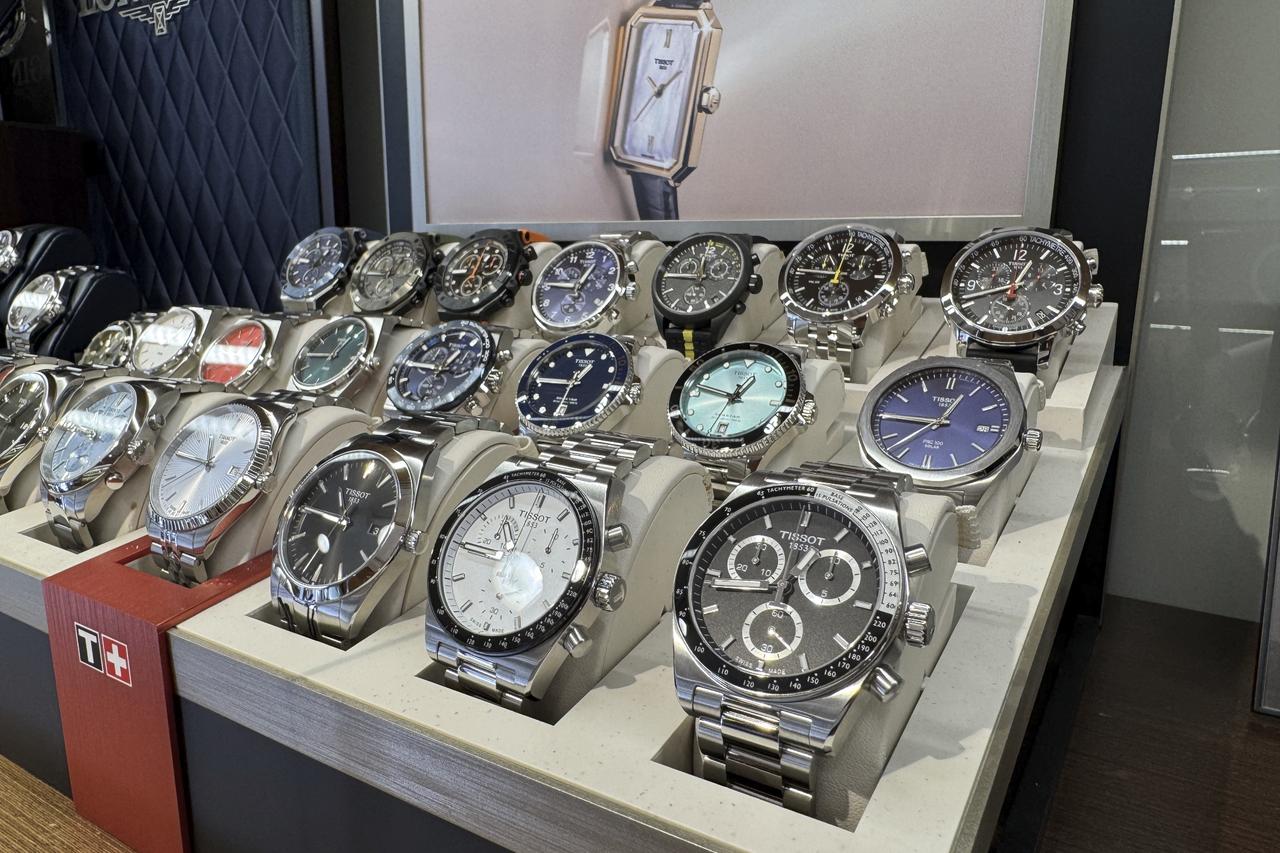


Türkiye’s watch sector generates roughly $1.5 billion annually, with about 8 million units sold, according to figures from the All Watch Businesspeople Association (TUSAD) that the state-run Anadolu Agency (AA) compiled for World Watchmaking Day, which was on Oct. 10.
The industry stood at $1.37 billion in 2023 and reached the $1.5 billion mark in 2025.
Imports of watches rose 14.7% from the previous year to $525.4 million in 2025, and the figure is expected to reach around $600 million by the end of this year.
Watch volumes brought in from abroad climbed 1.5% to 7.57 million pieces in 2025, with Switzerland supplying 71.3% of the value and 6.8% of the units.
Exports over the same period grew to $41.4 million, totaling 349,608 watches.
Ahmet Aydin, chairman of TUSAD, told AA that Türkiye has a highly dynamic watch market and that timepieces are in strong demand.
Noting that men and women alike are drawn to timepieces, Aydin said, "There is serious interest in terms of gifts, too. Because every brand now has a story, watches are in high demand with that story. That is why Türkiye is one of the good markets."
Aydin added that watchmaking demands extensive experience, with countries such as Switzerland and Japan leading the field, and that local output in Türkiye is almost nonexistent.
Speaking on yearly sales, Aydin stated: "We can say the Türkiye watch market volume is around $1.5 billion in 2025. It is estimated to rise to $2.35 billion in 2028."
Between 7.5 million and 8 million watches are sold in Türkiye each year, Aydin noted, adding that most come from countries such as Switzerland, China, Japan and Germany.
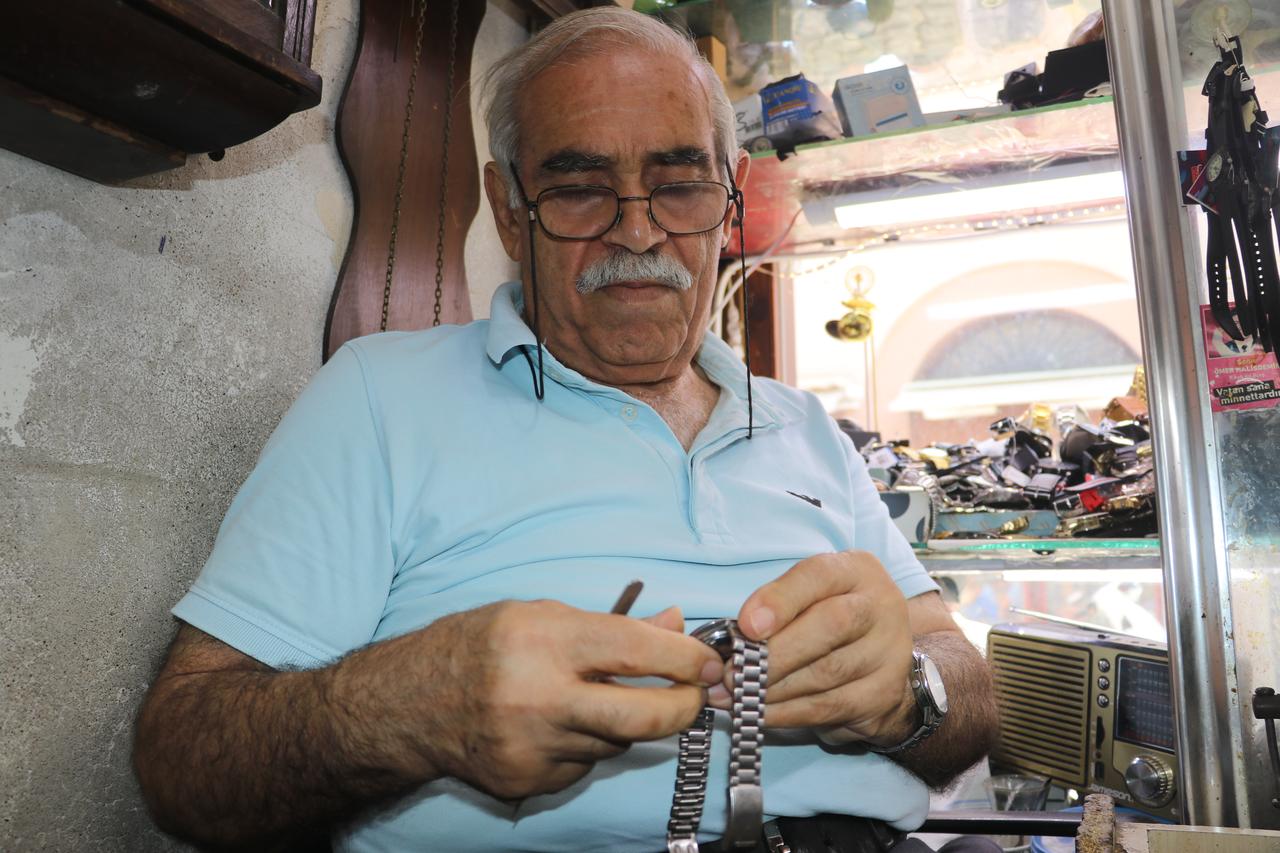
The sector counts around 8,000 shops that sell and repair watches, Aydin said, adding that costly models draw more demand in big cities such as Istanbul, Izmir, Ankara, Antalya, Adana and Bursa. Swiss- and Japanese-made timepieces in particular carry high price tags.
Leading global brands continue to open stores in Türkiye or work with local distributors, while Aydin urged faster product safety inspections under the Risk-Based Control System in Foreign Trade (TAREKS).
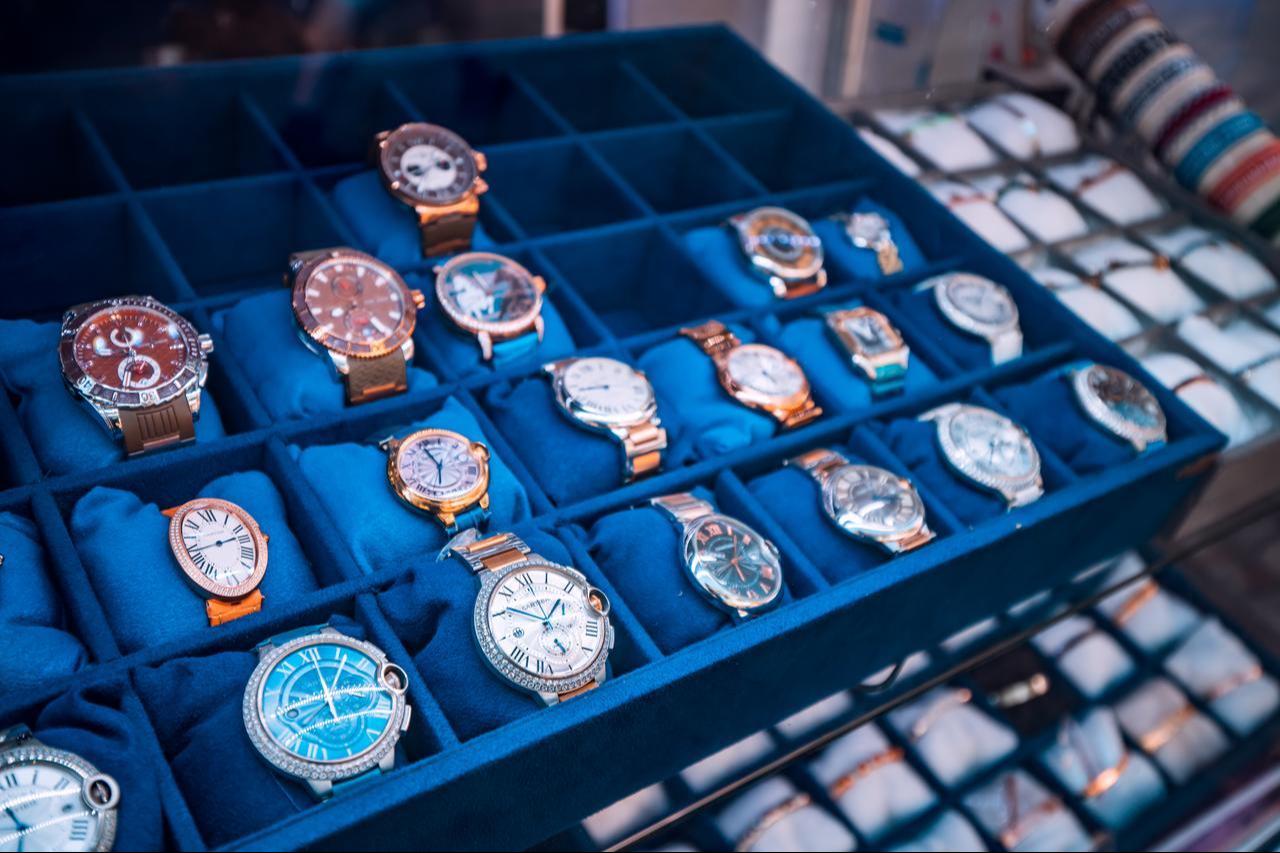

Cagri Gundogdu, an assembly member on the Istanbul Chamber of Commerce (ITO) Opticians and Watchmakers Professional Committee, spoke about Oct. 10 World Watchmaking Day, saying, "This is a subject that excites us a lot. We first proposed this idea on Oct. 10, 2024. It came from Türkiye, from Istanbul. We celebrated it for the first time on Oct. 10, 2025. Now we are celebrating the second. Watchmakers did not have a day. We thought, ‘Why not?’ and the 10th of the 10th month came to mind. Because in watchmaking there is a reality called 10 past 10. Watches generally appear at 10 past 10 always."
"When you search for a watch image on the internet, you will probably see it at 10 past 10. The reason is that it looks very aesthetic. On one hand, there can be brand, model, calendar or different technical features on the watch’s screen, its dial. At 10 past 10, a very good image is captured. In this sense, we thought of 10 past 10, that is, the 10th of the 10th month, and it gained popularity this way," he added.
Noting that Switzerland, the world’s leading watch producer, has also embraced the day, Gundogdu said around 15 countries, led by Switzerland and including the United States and other European nations, marked it last year with events, exhibitions and panels.
He added that a platform called World Watch Day was launched in Switzerland with backing from the Swiss Watch Federation and other major sector organizations.
Recalling that they organized various events at ITO in the first year, Gundogdu said, "Our initiatives continue for Oct. 10 World Watchmaking Day to become cultural heritage and to enter the UNESCO calendar. This is not something that happens overnight. We sent letters to UNESCO and other organizations. We were told it will be evaluated after the procedures."
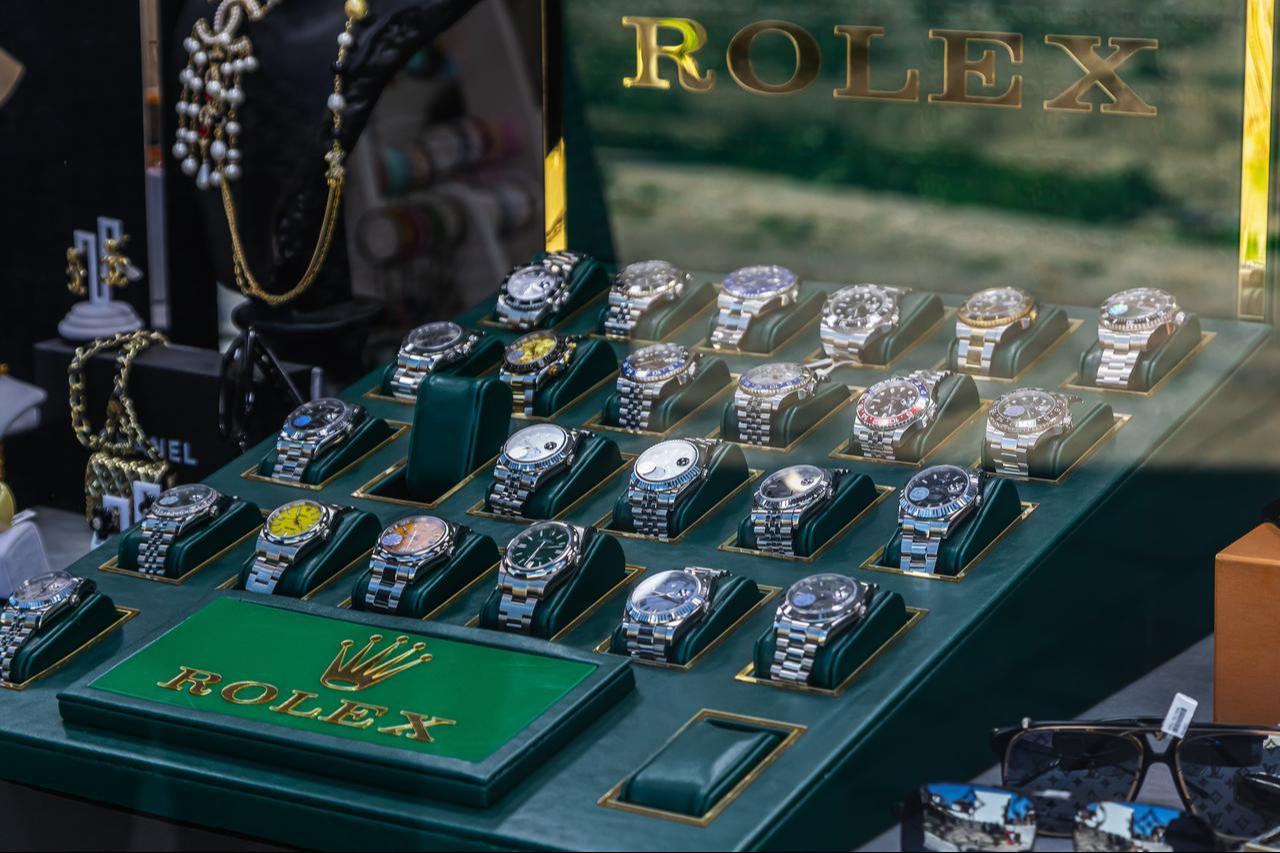
Gundogdu also pointed to recent trends among Turkish consumers, saying: "There are actually two main topics on the agenda right now. One is a return to old brands, what we call vintage. The watch industry is the only sector in the world where the technology is old but demand is high. For example, demand for a typewriter in that sense may not be as high as it used to be, but there is a lot of appetite for the old in watches."
"The second issue is micro brands. Micro brands manage to make a difference with their innovative and inventive sides. At this point, traditional brands need to be encouraged a bit more to be innovative, because micro brands emerged by seeing this gap. They stand out with smaller workshops, more innovative and different design products, and mechanically focused collections," he added.
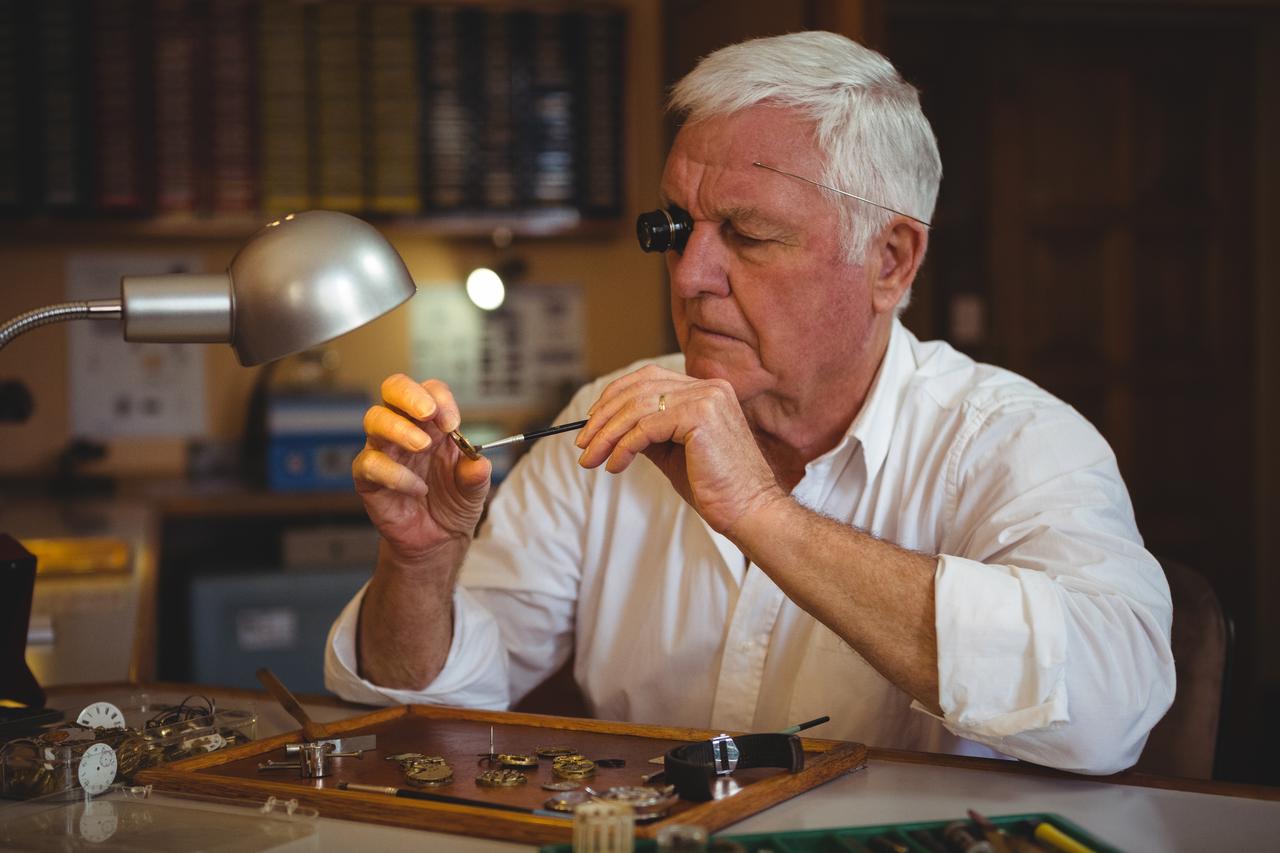
Vowing to keep producing new ideas that add value to the sector, Gundogdu concluded: "We also managed to open a high school-level school in Bursa in the field of watchmaking education in Türkiye. This school has watchmaking students. By supporting it, we will strive to strengthen watchmaking, perhaps by opening a school in Istanbul in the future. Important schools in Switzerland provide very good training in this field."
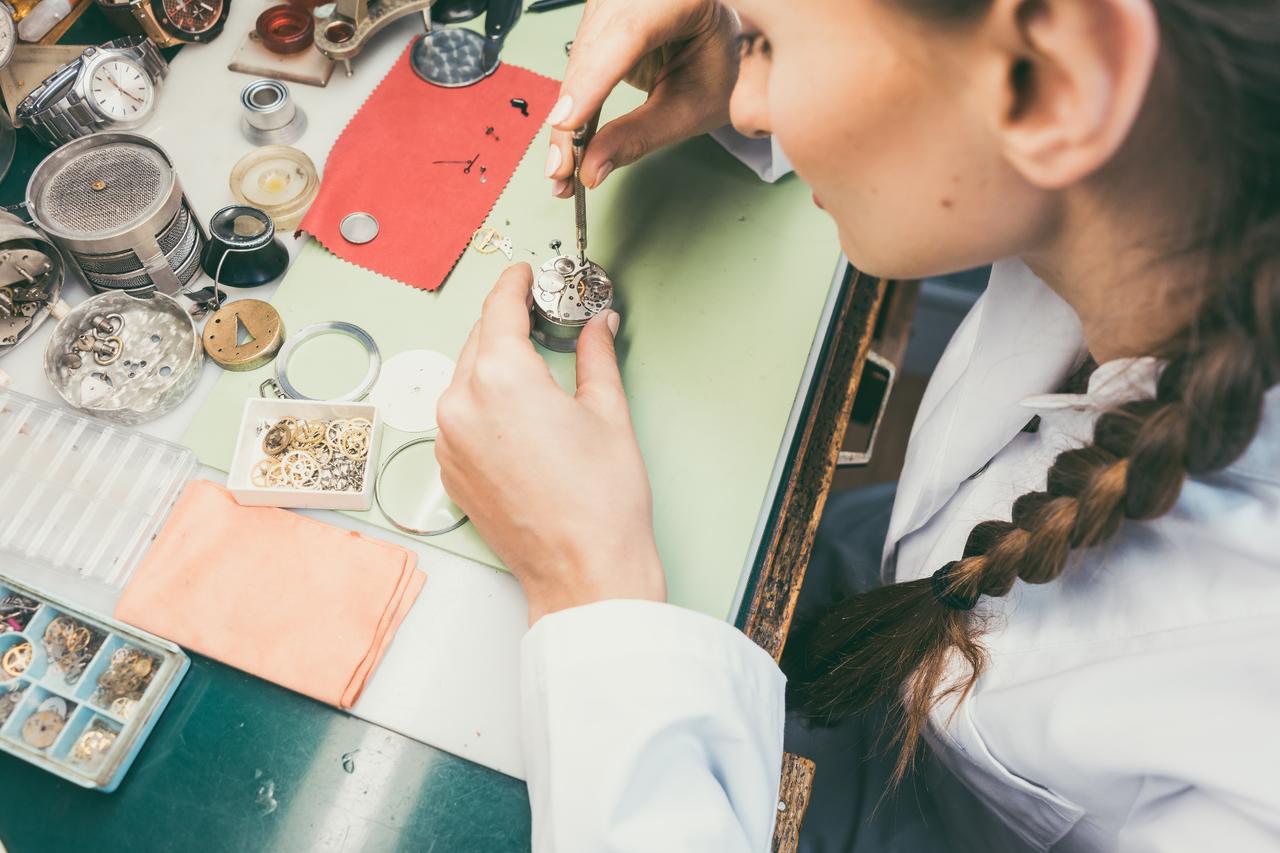
Gundogdu said female students also attend the Bursa school, where they study the craft's technical side.
He added that universities could open 2-year vocational departments to train technicians and service staff for the watch sector and guide those keen on the work.


 Set as preferred source
 Set as preferred source


 1 min read
 1 min read