Newsletters


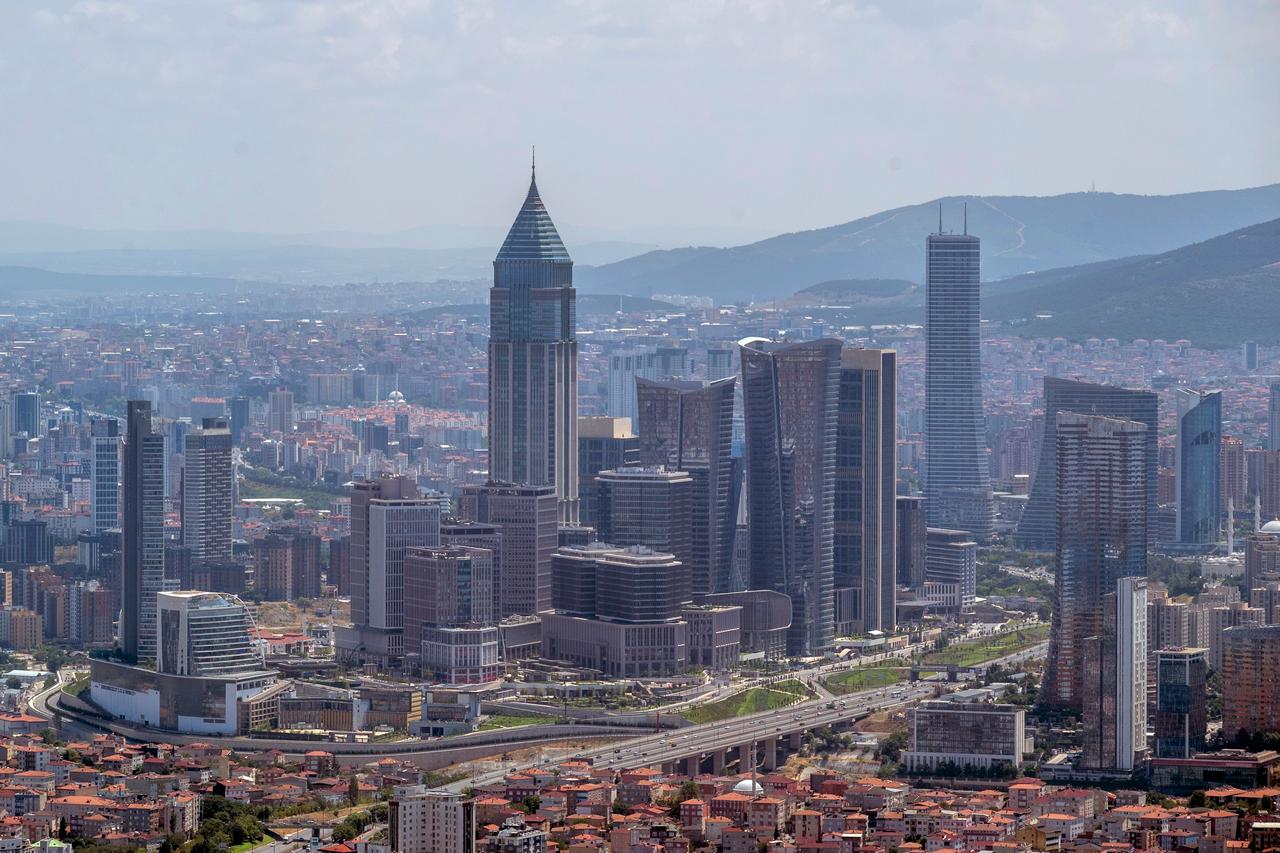


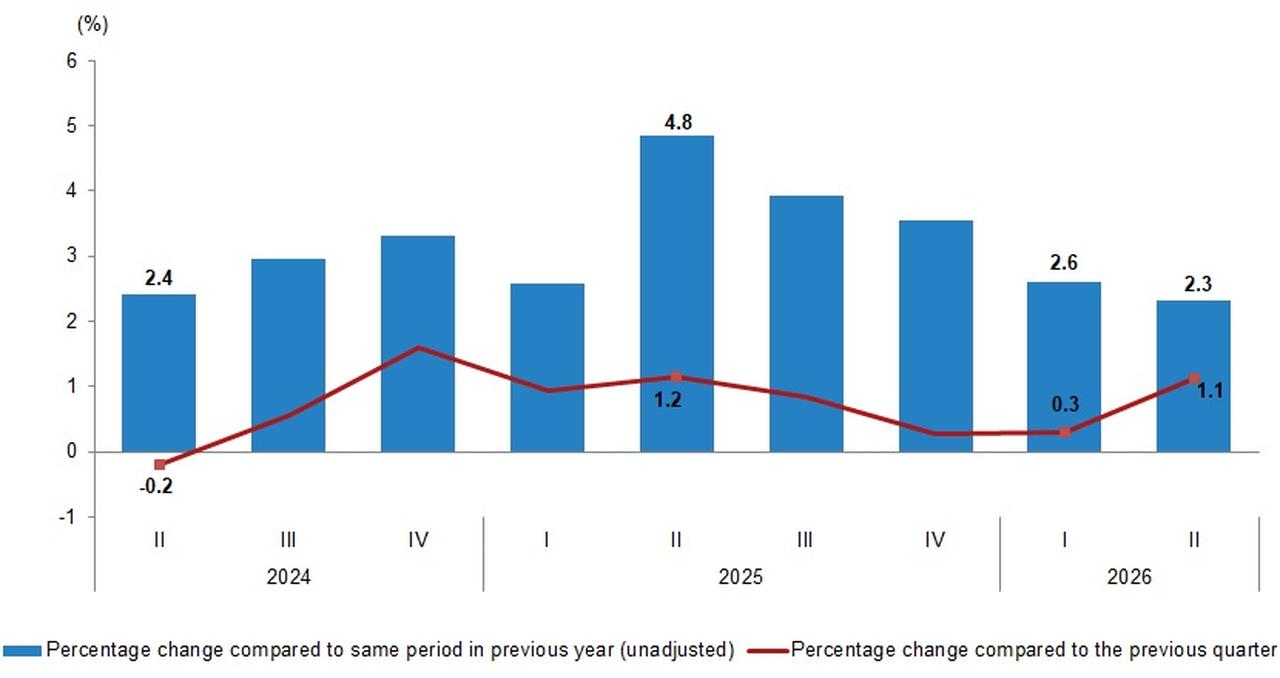
Türkiye’s economy grew 2.3% in the second quarter of 2026 from a year earlier, slowing sharply from the 4.8% expansion recorded in the same period last year as the Iran war and its economic fallout weighed on activity.
Economists surveyed ahead of the release had expected annual growth of around 2.9%, while the economy grew 2.5% in the first quarter. Gross domestic product (GDP) expanded 1.1% from the previous quarter, up from the previously recorded 0.1%.
The slowdown was largely driven by deteriorating foreign trade, as the war disrupted supply chains and pushed up shipping, insurance, and delivery costs. Exports of goods and services fell 3.4% year-on-year in the second quarter, while imports dropped 6.4%, adding to GDP growth as the sharper decline in imports boosted net exports.
On the domestic side, household final consumption expenditure rose 3.5% annually, while government consumption fell 1.8%. Gross fixed capital formation, a measure of investment, grew 0.6% from the same period a year earlier.
Among the main economic activities, agriculture, forestry, and fishing posted the strongest annual growth, with value added rising 13.3% in the April-June period. Construction was the only major sector to contract, shrinking 1.9% from a year earlier.
Industry, however, regained momentum, growing 2.4% year-on-year after contracting 0.5% in the previous quarter. The manufacturing sector also rebounded, expanding 2.4% after contracting 1.3%.

The Central Bank of the Republic of Türkiye (CBRT) has already acknowledged that the war is weighing on the economy through higher energy costs, disrupted supply chains, and elevated uncertainty.
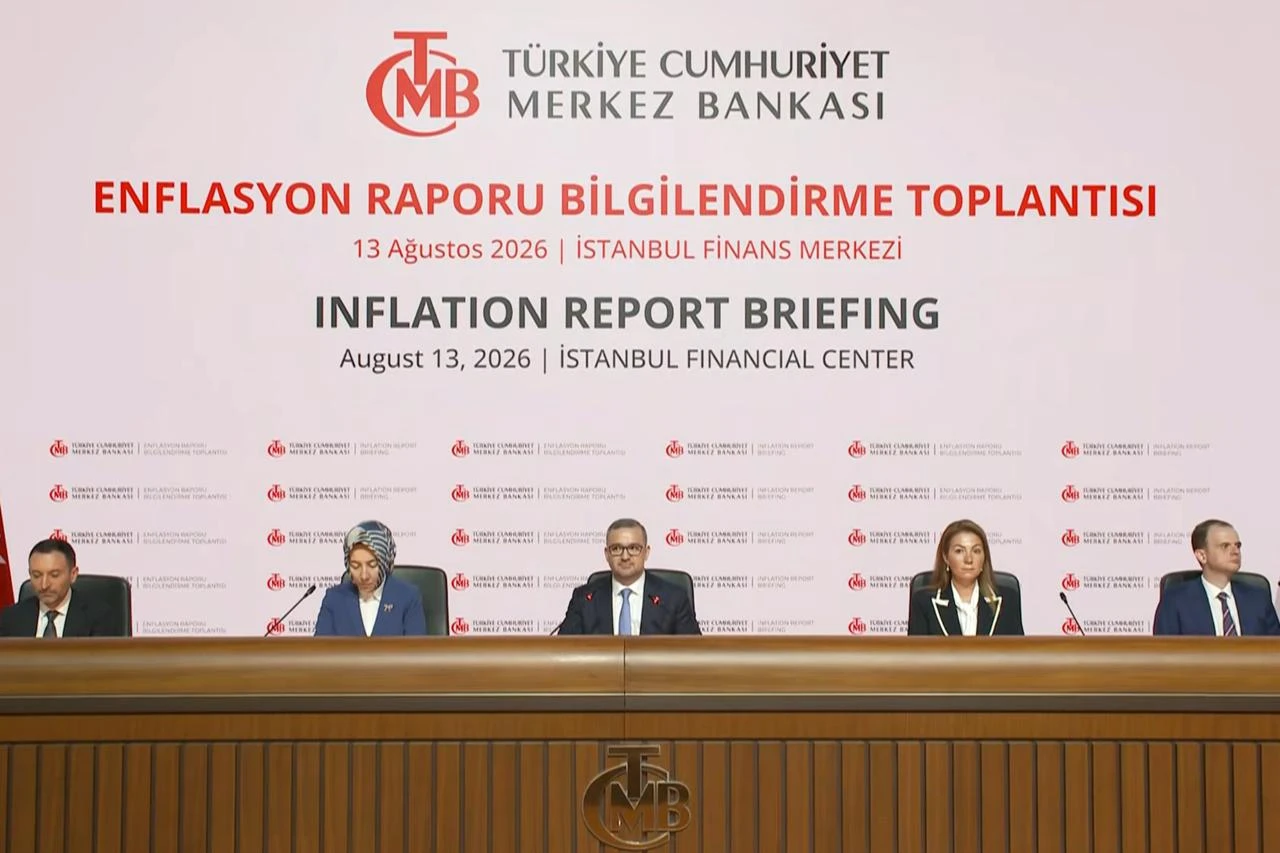
In its latest Inflation Report update in August, CBRT Governor Fatih Karahan said the outlook for the second quarter suggested that growth had recovered somewhat, driven by external demand despite weak private consumption.
He indicated that demand conditions remained at disinflationary levels in the second quarter, reflecting the impact of the central bank’s tight monetary policy.
During the conflict, the central bank tightened monetary conditions further by suspending one-week repo auctions on March 1 and meeting market liquidity needs through overnight funding at the 40% upper band instead of the 37% policy rate.
The CBRT resumed one-week repo auctions on Aug. 23, effectively ending the temporary measure and allowing funding conditions to move back toward the 37% policy rate.
The bank is due to announce its next interest-rate decision on Sept. 10, after keeping its policy rate unchanged at 37% at its July meeting.


 Set as preferred source
 Set as preferred source


 1 min read
 1 min read