Newsletters


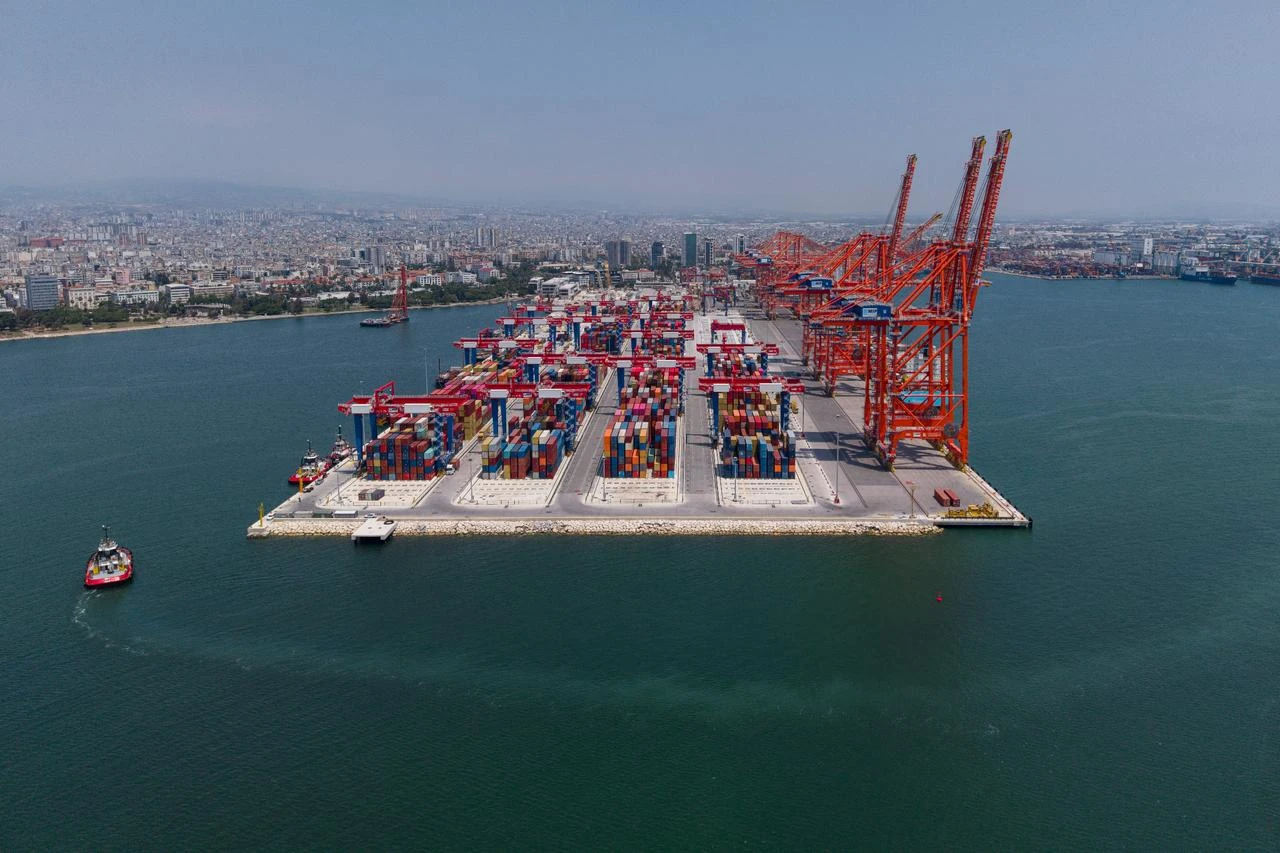


Türkiye posted a record $25.6 billion in exports in July, although stronger import growth pushed the country's trade deficit for the first seven months of the year above $60 billion, according to provisional Trade Ministry data.
Overseas shipments rose 2.9% from a year earlier, while imports increased 5.2% to $33 billion. Total trade climbed 4.1% to $58.6 billion, leaving a monthly trade gap of $7.4 billion, up 14% from a year earlier. The export-to-import coverage ratio slipped 1.7 percentage points to 77.7%.
From January through July, exports rose 3.4% to $161.6 billion, while imports increased 4.7% to $222.1 billion. Overall trade reached $383.7 billion, and the cumulative trade deficit expanded 8.2% to $60.5 billion. The export-to-import coverage ratio stood at 72.8%.
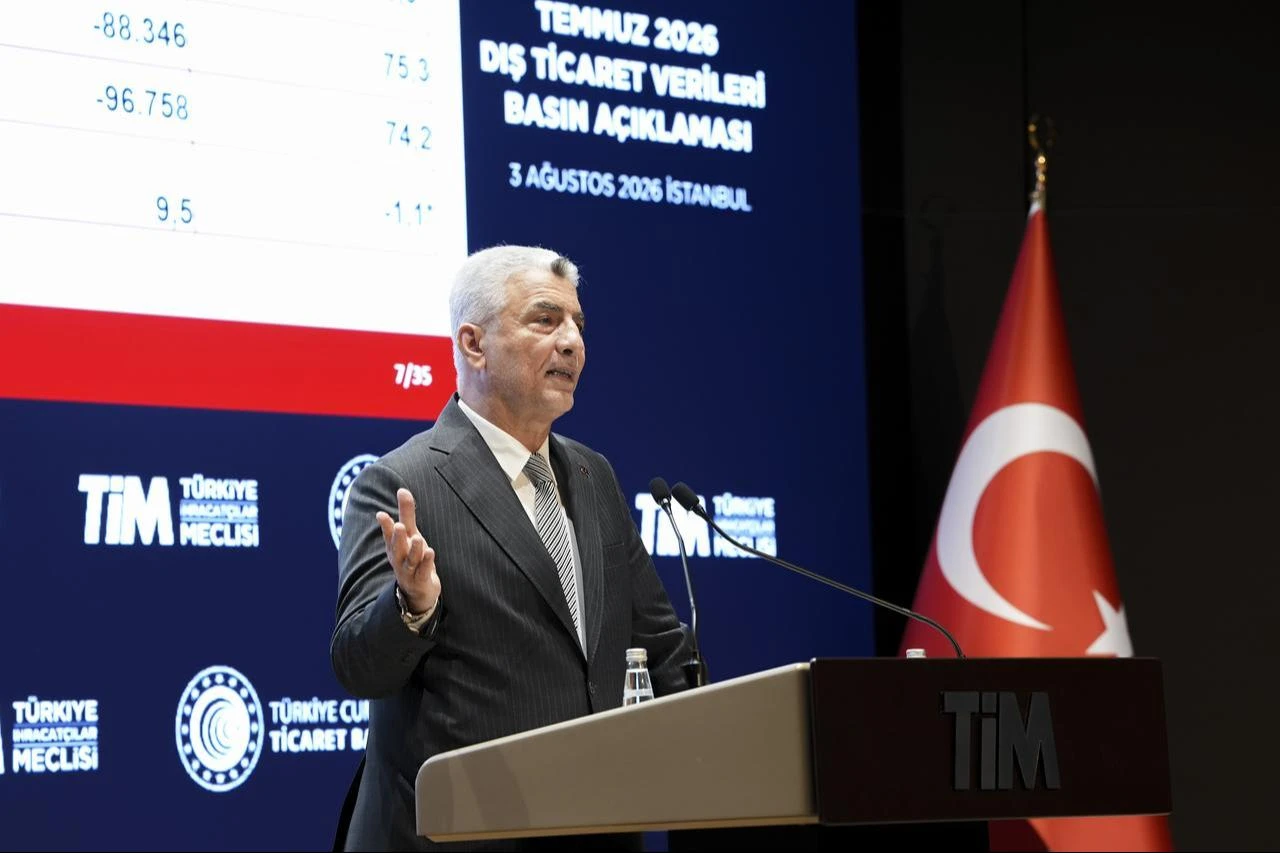
Speaking at a press conference, Trade Minister Omer Bolat called July the strongest month for exports on record, adding that annualized goods exports climbed to a record $278.6 billion. Annualized services exports are projected at $122.6 billion, lifting total annualized exports to $401.1 billion.
Bolat noted that exports increased by $5.3 billion during the first seven months of the year, while imports grew by $9.9 billion. "Our trade deficit stood at $7.3 billion in July, an increase of 14%. In January-July, the trade deficit reached $60.5 billion, up 8.2%," he said.
Despite regional conflicts, higher energy and raw material prices, and rising freight and insurance costs, Bolat argued the external trade balance remained manageable.
"Foreign trade remains under control and continues on a stable path," he said, adding that calendar and exchange-rate effects provided a net $200 million boost to exports in July.

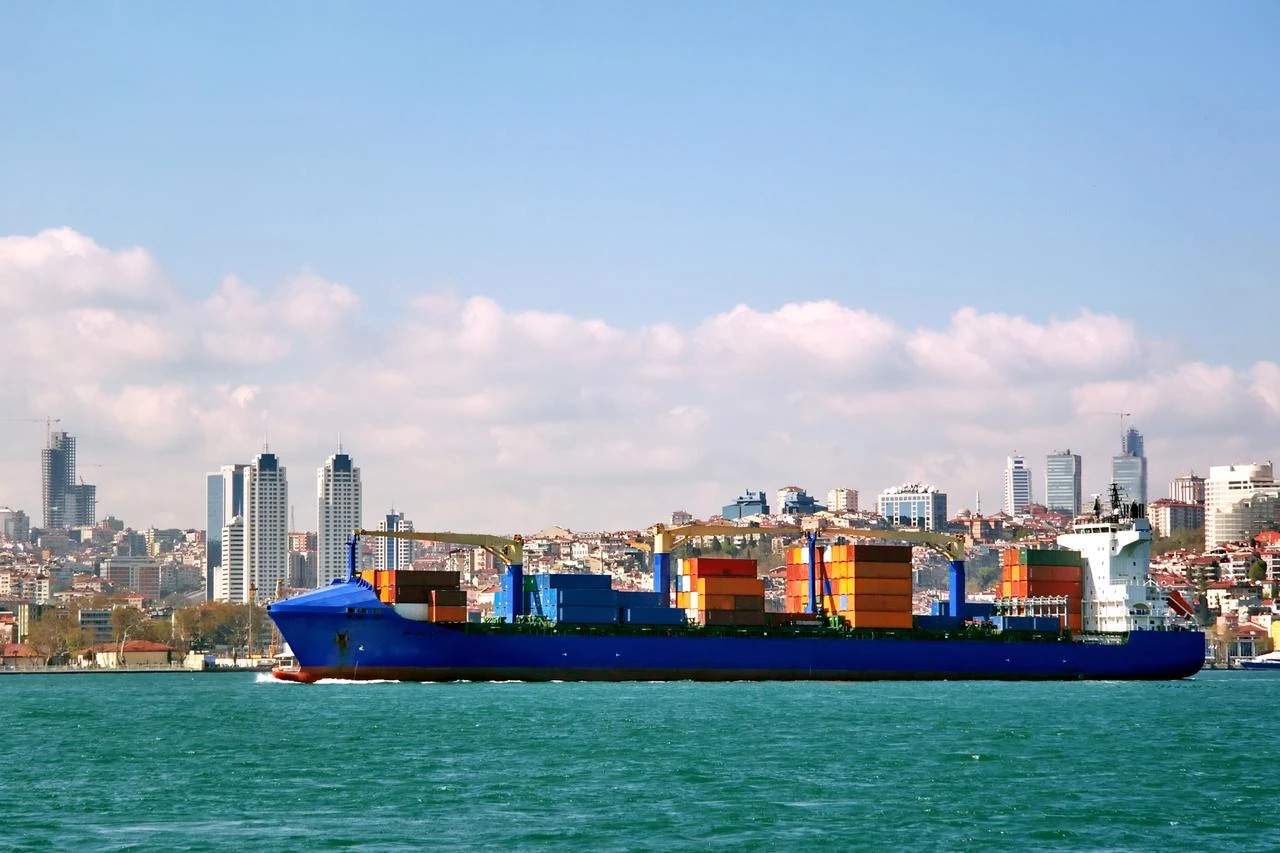
Electrical machinery and equipment exports rose by $1.3 billion to $11.2 billion during the first seven months of the year, while ship exports increased by nearly $1 billion to $2.5 billion. Fruit exports climbed by $801 million to $4.1 billion, defense exports grew by $800 million to $2.8 billion, and plastics exports increased by $753 million to $7.3 billion.
On the downside, exports of unprocessed and processed gold, silver and jewelry fell by a combined $1.2 billion to $7 billion. Inorganic chemicals declined by $752 million to $1.8 billion, mineral fuels dropped by $546 million to $9 billion, while grain exports fell by $301 million and cocoa by $206 million, Bolat said.
Bolat attributed the decline in precious metals mainly to weaker demand from the UAE and Iraq, while saying lower mineral fuel exports reflected domestic supply priorities amid energy security concerns. Agricultural exports rose 3% during the period, industrial goods increased 2.4% and mining exports jumped 20.1%.
"This shows that the Turkish economy is exporting higher value-added products," Bolat said after noting that exports of medium-high and high-tech products increased by a net $4 billion, lifting their share of total exports to 44%.


 Set as preferred source
 Set as preferred source


 1 min read
 1 min read