Newsletters


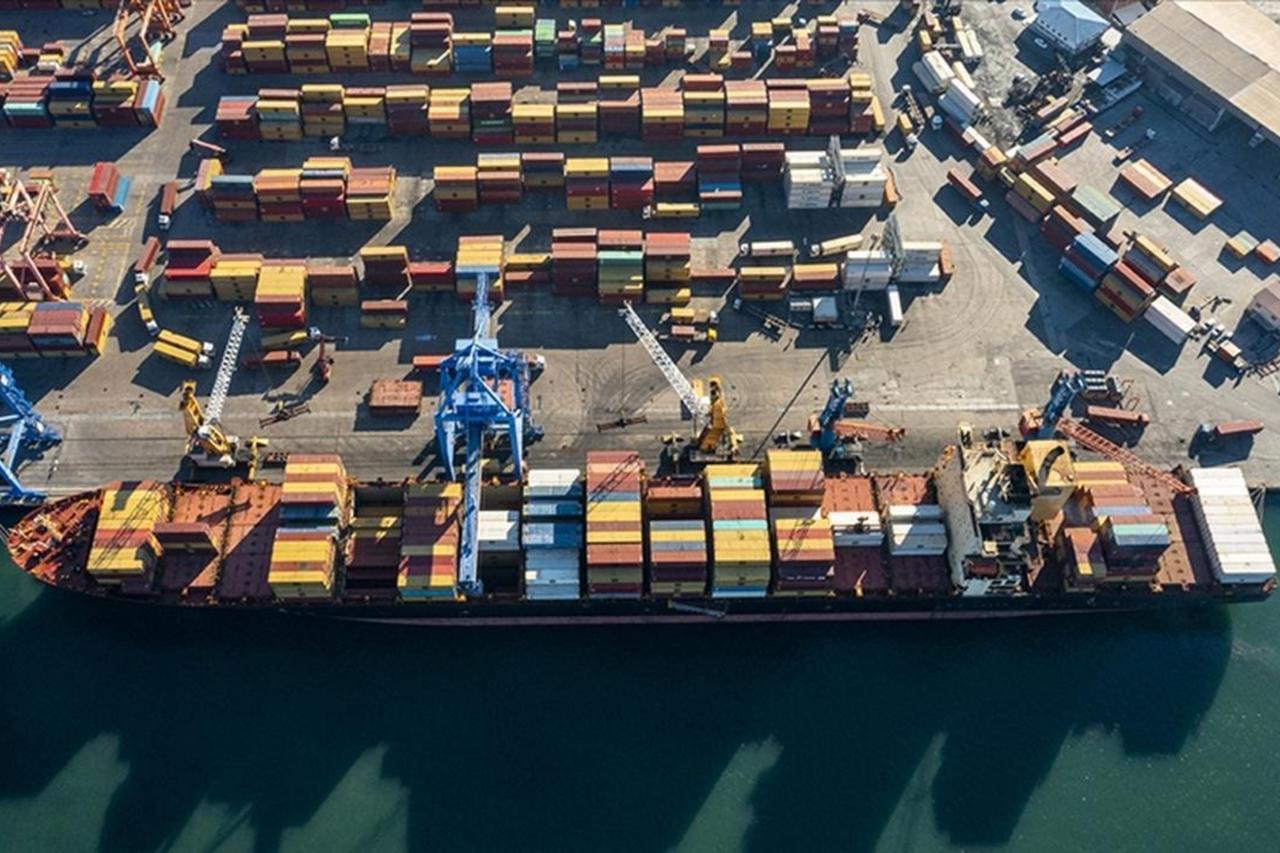


Türkiye’s Trade Minister Omer Bolat stated that the share of high and medium-high technology products in the country’s manufacturing exports rose to 42.5% during the first eight months of 2025, representing an increase from 40.1% in the same period of 2024.
According to Bolat, high-technology exports grew by 17.4% year-over-year between January and August, while medium-high-technology exports rose by 10.2% in the same period.
Türkiye’s high-technology exports, including electronics and defense industry products, reached $16.79 billion in the first eight months of 2025, while medium-high-technology exports, covering chemicals, automotive, and machinery, totaled $55.5 billion, according to data from the Turkish Exporters’ Assembly (TIM).
Bolat underlined that manufacturing industries expanded by 7% in the second quarter of 2025, posting the strongest increase since the second quarter of 2022. He noted that manufacturing contributed 1.1 percentage points to Türkiye’s overall gross domestic product (GDP) growth in this period.
"The share of high and medium-high technology in our manufacturing exports rose to 42.5% in the January–August 2025 period," Bolat said. "High-technology exports increased by 17.4% compared to the same period last year, while medium-high technology exports rose by 10.2%."
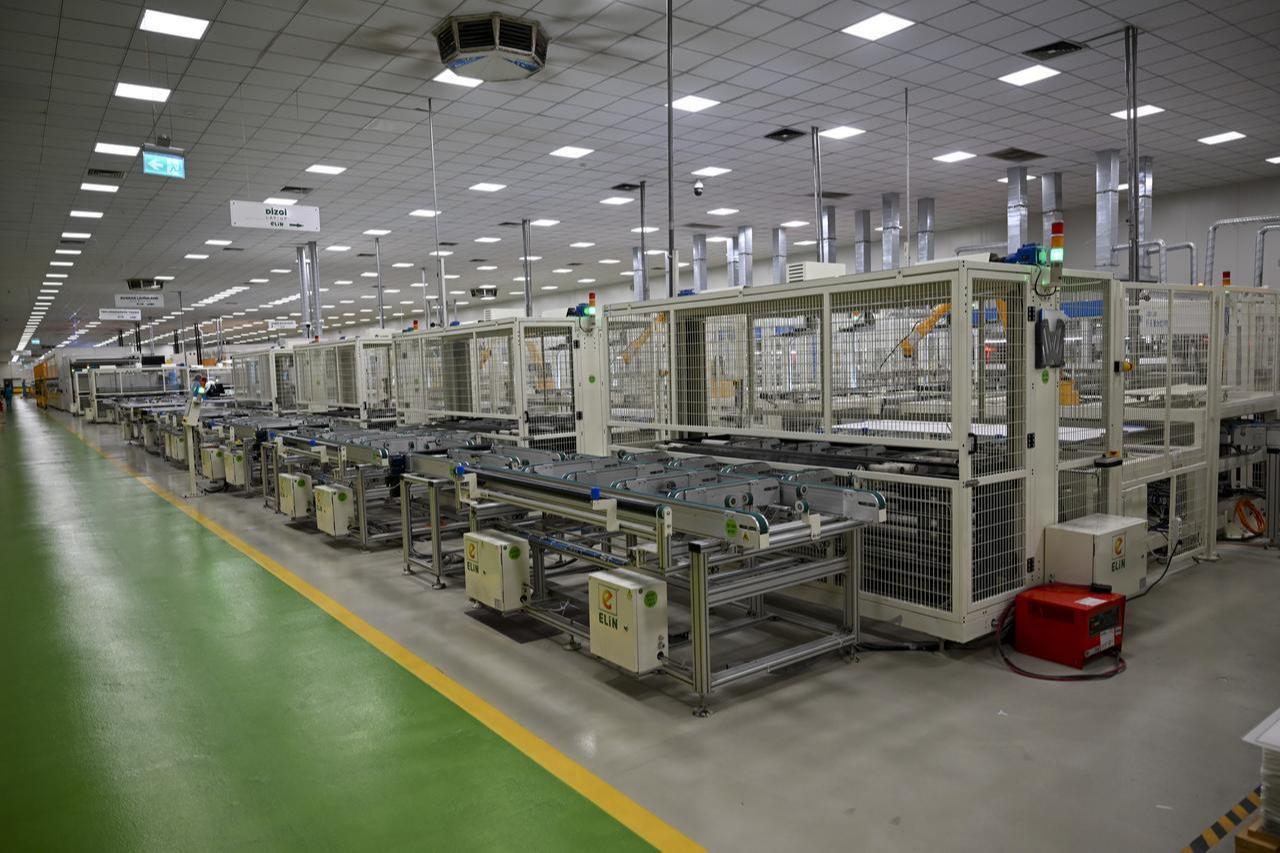

The minister emphasized that growth in high-technology production was the main factor behind this performance. Between April and June, high-tech production grew by 9.6% on a quarterly basis and by 38.5% compared with the previous year.
This momentum also supported export growth. High-technology exports rose by 71.7% in July on an annual basis and by 42.3% in August.
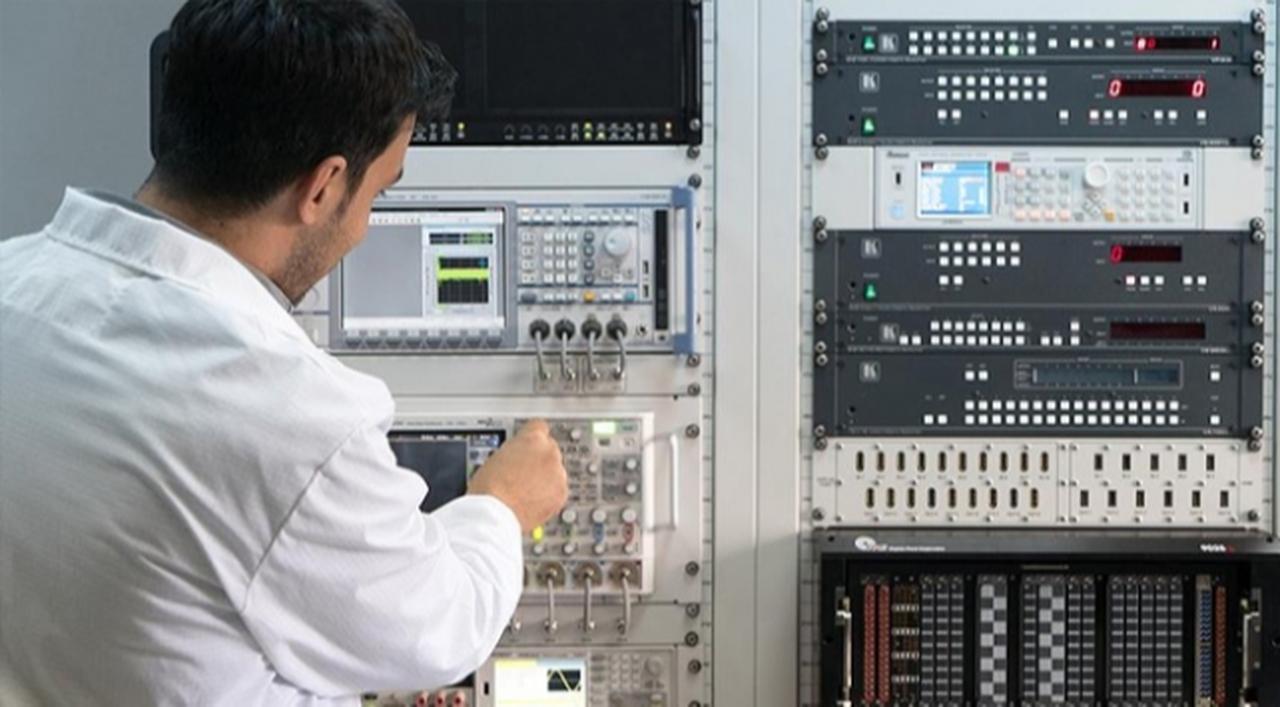
Bolat said that the rising capacity in high-technology production enhances Türkiye’s competitiveness in global trade. He added that increased efficiency and higher value-added production support the sustainability of the country’s growth model.
"High-technology capacity is strengthening our competitiveness in foreign trade and contributes to sustainable growth through efficiency gains and value-added production," Bolat noted.
He underlined that efforts are ongoing to make this contribution permanent and stronger through coordination among all institutions.


 Set as preferred source
 Set as preferred source


 1 min read
 1 min read