Newsletters


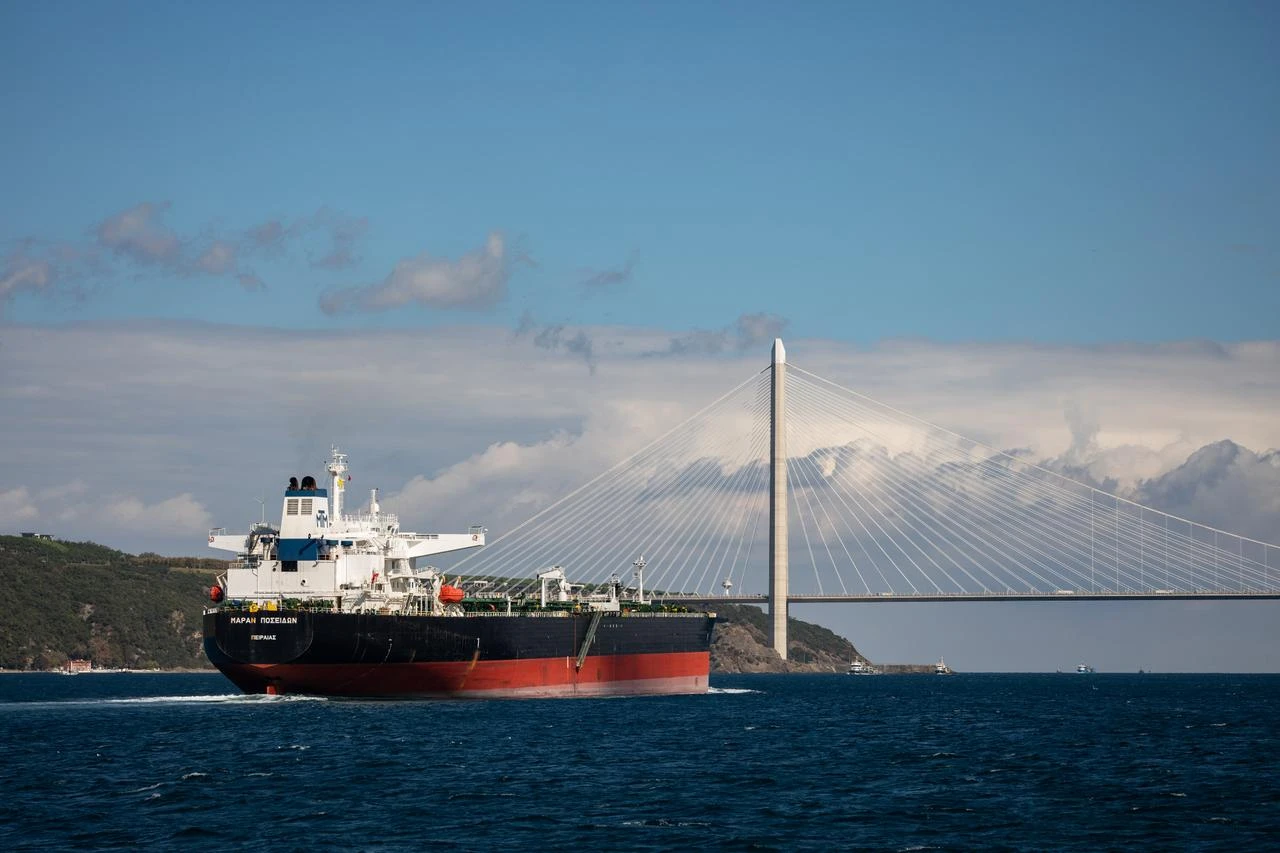


Türkiye's costlier industrial input imports widened the country's trade deficit in the first half of 2026 as oil and other commodity prices surged during the Iran war, while softer domestic demand kept consumer goods imports subdued.
Energy imports climbed by $2 billion, or 6.2%, to $34.3 billion, contributing to a $9.3 billion, or 7.4%, increase in overall intermediate goods imports to $135.3 billion. As a result, the trade deficit widened by $3.6 billion, or 7.4%, to $53.1 billion, Trade Ministry data showed.
Consumer goods imports fell by $2.7 billion, or 9.1%, to $26.7 billion, while capital goods imports rose by $1.8 billion, or 10.5%, to $19.3 billion.
The country's exports rose by $4.7 billion, or 3.6%, to $136.1 billion, while imports increased by $8.4 billion, or 4.6%, to $189.2 billion during the first six months of 2026. Excluding energy, the trade deficit increased by $1.2 billion, or 4.5%, to $26.6 billion, a considerably slower pace than the overall deficit.
In June alone, exports rose by $4.5 billion, or 21.9%, to $24.9 billion, while imports climbed by $6.6 billion, or 23.1%, to $35.3 billion as trade activity regained momentum after Iran-U.S. tensions eased. The monthly trade deficit widened by $2.2 billion, or 26.3%, to $10.4 billion.
Intermediate goods, such as raw materials and industrial components, rose by $5.8 billion, or 30%, to $25.2 billion, accounting for 71.4% of total imports. Capital goods imports rose by $835 million, or 19.9%, to $5 billion, while consumer goods imports edged down by $49 million, or 1%, to $5 billion.
The monthly energy import bill increased by $1.3 billion, or 28.8%, to $5.9 billion. Excluding energy, the trade deficit widened by $863 million, or 17.2%, to $5.9 billion, far less than the overall increase, while the export-to-import coverage ratio improved to 80% from 79%.
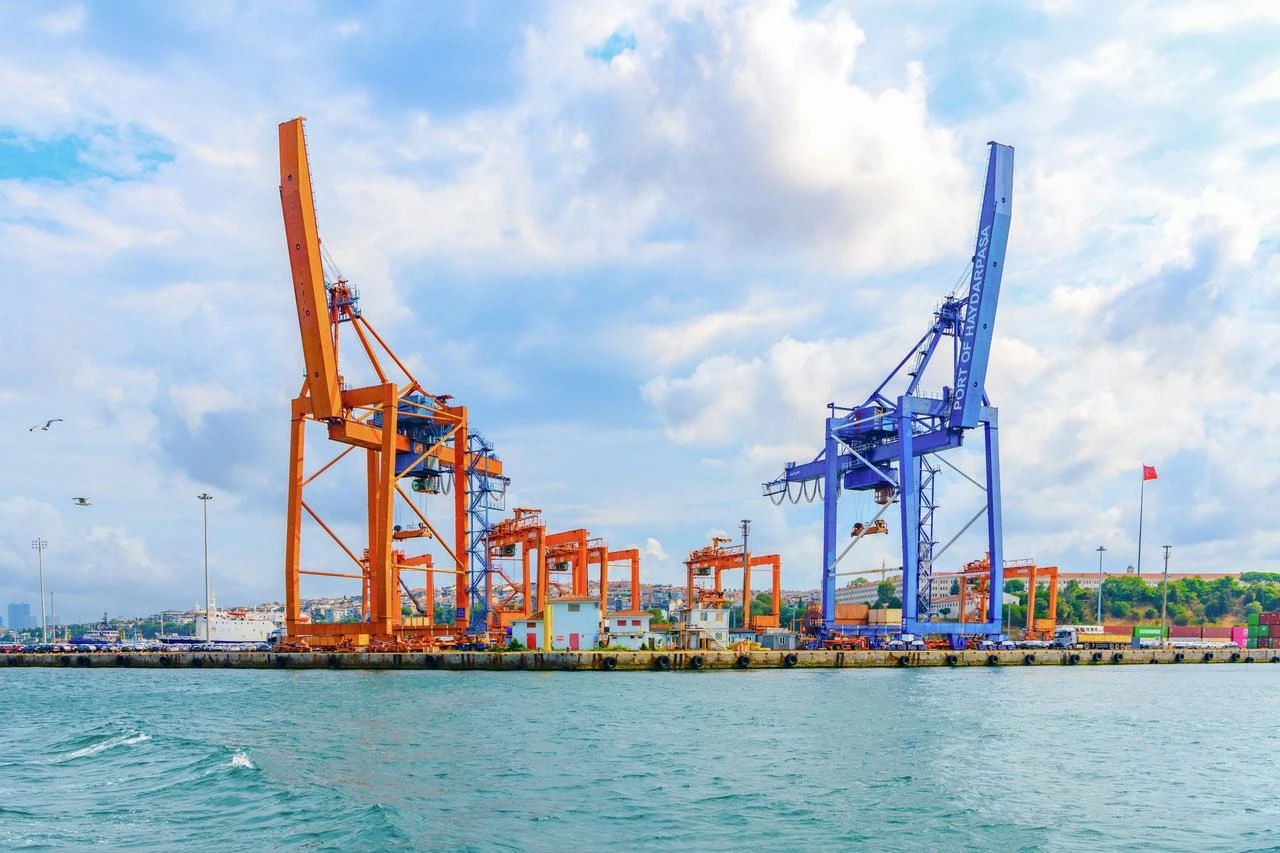

The figures reflect the impact of the conflict involving Iran, which drove up crude oil prices, freight rates and logistics costs across the region.
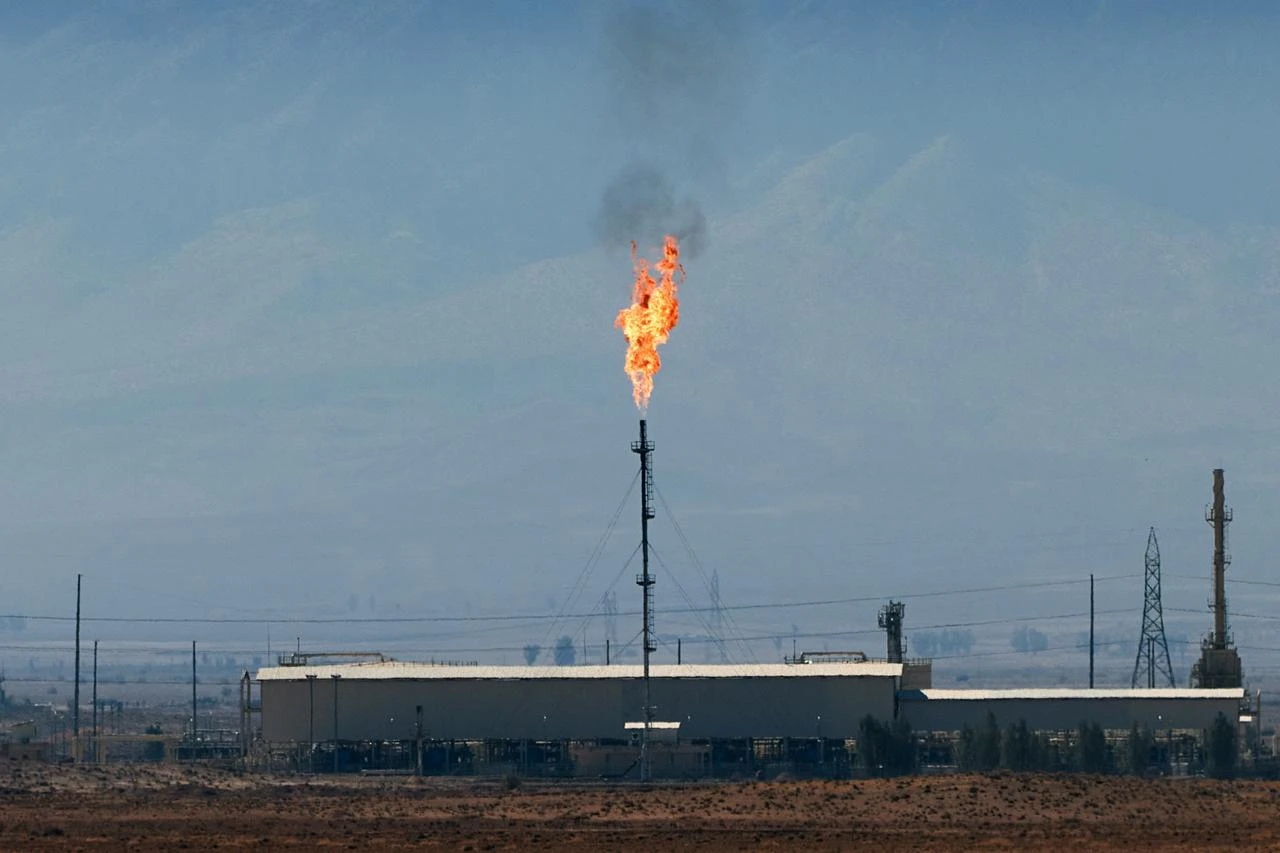
In an analysis, the Central Bank of the Republic of Türkiye (CBRT) explained that the conflict's most immediate impact was on energy markets, with second-quarter Brent crude prices averaging 55.2% higher than a year earlier and natural gas prices up 28.2%, driving a marked increase in Türkiye's energy imports.
Energy imports remain the biggest drag on Türkiye's current account, as higher fuel prices inflate the country's import bill and make it more difficult to narrow the external deficit. Energy and Natural Resources Minister Alparslan Bayraktar has estimated that every $1 increase in global oil prices adds roughly $400 million to Türkiye's annual energy bill.
Treasury and Finance Minister Mehmet Simsek has also acknowledged that higher energy prices are likely to weigh on Türkiye's external balance.
Addressing May's foreign trade figures in early July, he warned that the delayed impact of rising oil prices would continue to affect the trade balance in the coming months, although he expects the current account deficit to remain at sustainable levels by year-end at around 3% of gross domestic product (GDP) or below.
Türkiye's current account deficit was around $1.5 billion in May, bringing the annualized gap to $37.3 billion.


 Set as preferred source
 Set as preferred source


 1 min read
 1 min read