Newsletters


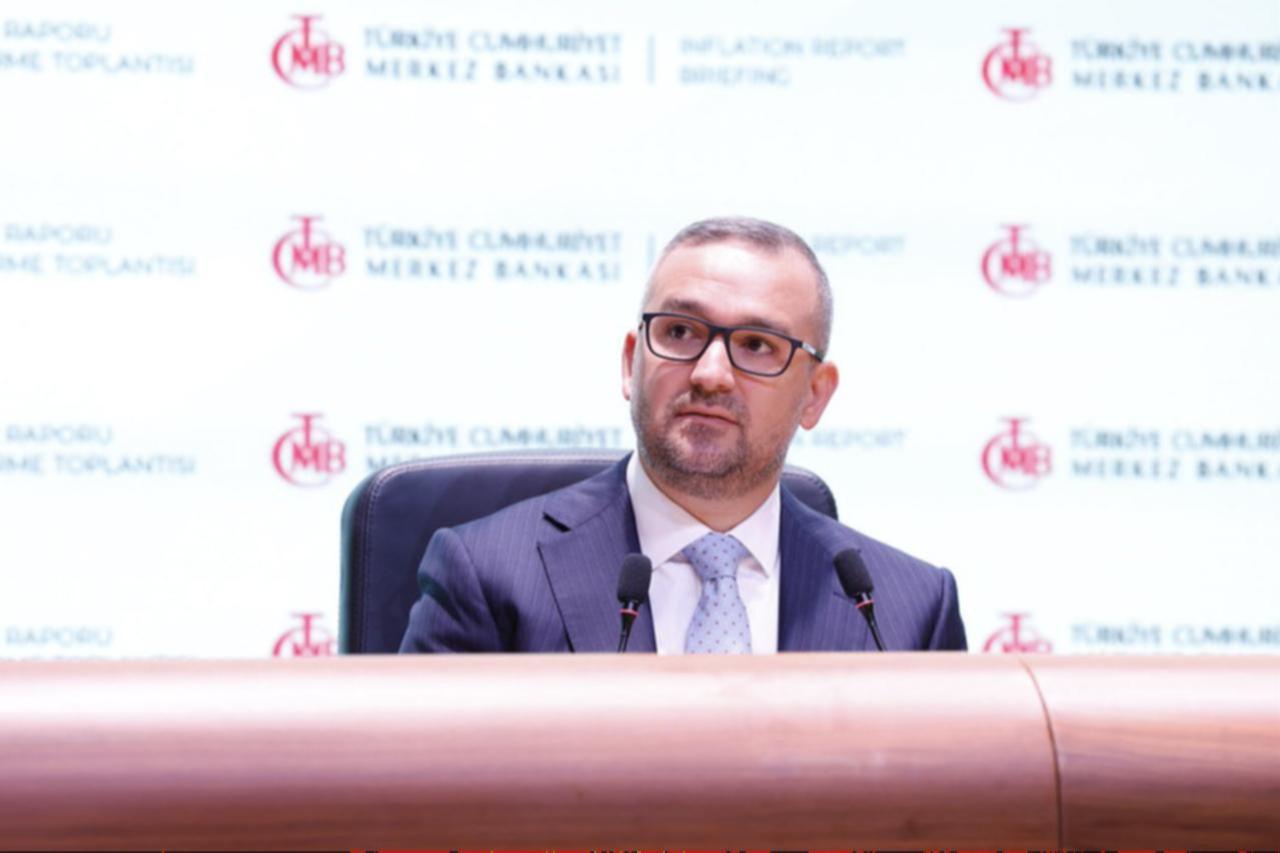


Türkiye’s inflation continues to drop despite rising global energy prices, while a visible slowdown in economic activity is also emerging, Central Bank Governor Fatih Karahan said during investor meetings in New York and Washington on Monday.
Karahan outlined that annual inflation declined to 30.9% in March, extending the disinflation trend across all major categories.
At the same time, indicators point to a cooling economy, with domestic demand and production metrics weakening.
The underlying trend of inflation softened in March, supported by easing rigidity in key service items such as rent and education, Karahan noted, adding that this support is expected to continue through the year.
He stressed that the headline inflation excluding services stands at 25.9% as of March, 5 percentage points lower than the headline inflation.
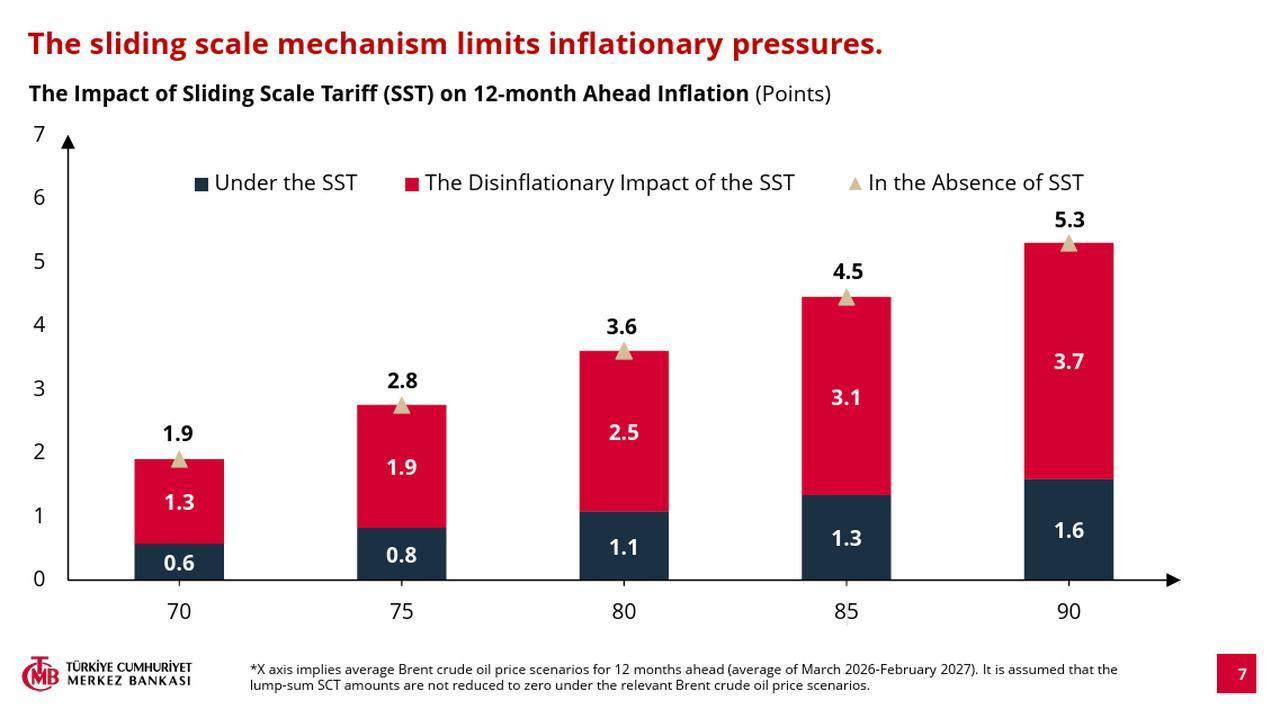
Karahan also underscored that the fuel tax buffer system, brought back at the start of the Iran conflict, continues to dampen inflationary pressures from fuel prices.
The mechanism is estimated to prevent a 3.7 percentage point increase in headline inflation in a $90 per barrel Brent crude scenario, limiting the impact of fuel prices to around 1.6%, marginally higher than the pre-conflict level.

However, the governor also addressed slowing economic activity in the country, noting that capacity utilization remains subdued while demand-side indicators point to a broader loss of momentum.
Survey-based data confirm this trend, signaling softer expectations for orders in the near term.
Credit expansion slowed in the first quarter of the year, reflecting tighter financial conditions and weaker borrowing appetite.
Despite the domestic slowdown, Türkiye’s current account deficit continues to run below its historical average, even as the deficit-to-GDP ratio is estimated to have widened above 2% in the first quarter, Karahan said.
He added that declining gold prices have influenced household demand for foreign currency, while central bank reserves remain stronger than in previous periods of capital outflows, helping absorb external pressures.


 Set as preferred source
 Set as preferred source


 1 min read

 1 min read