Newsletters


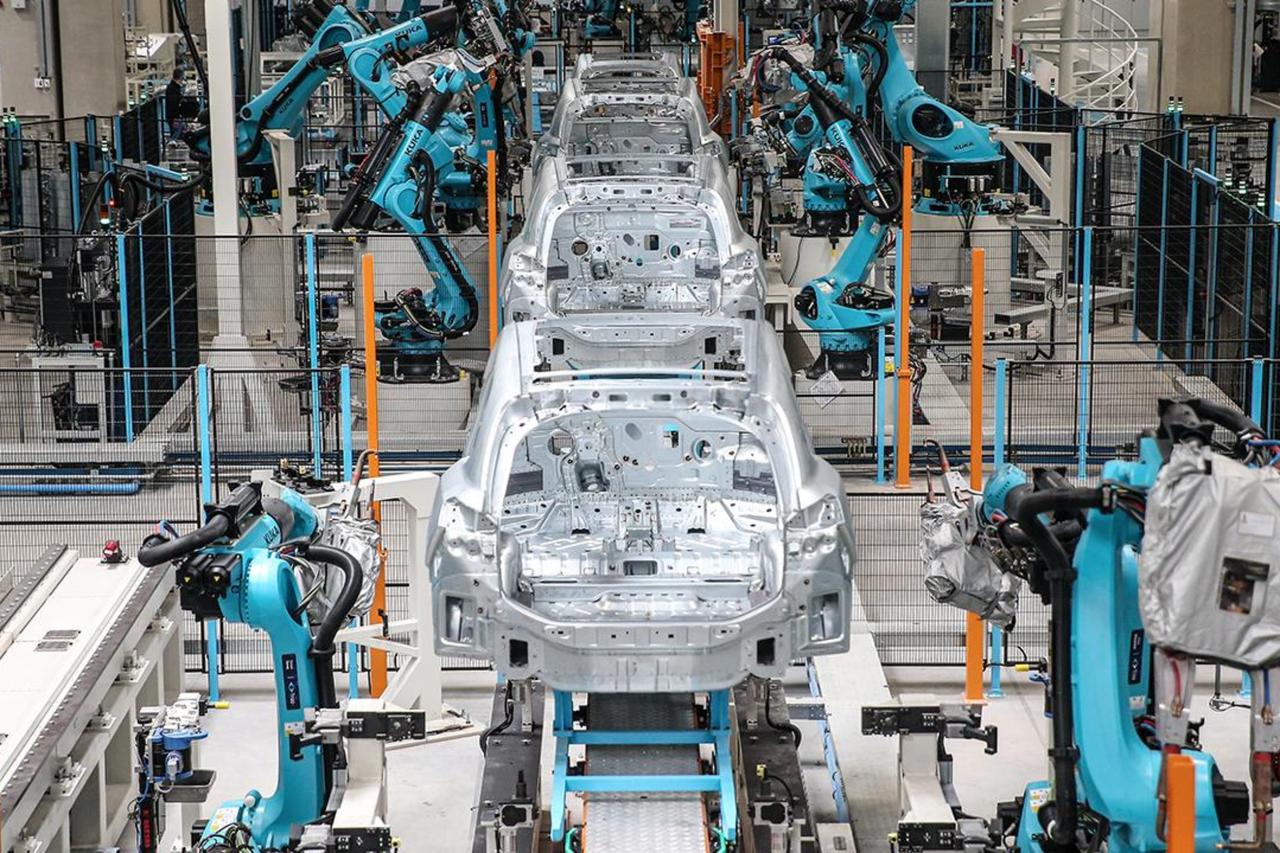


Türkiye increased its medium-to-high and high-technology product exports by 10.8% in 2025 to over $112 billion, driven by industrial transformation efforts and targeted public support, according to the Trade Ministry.
The figure accounted for 43.5% of Türkiye’s total goods exports, which rose 4.5% year-on-year to $273.43 billion.
In a written statement, the ministry stated that Türkiye is working to raise its technological capacity in response to intensifying global competition and the growing need for technological transformation. It emphasized the country’s commitment to further deepening this transformation, describing the 2025 export performance as part of a long-term trajectory of industrial modernization over the past two decades.
The expansion of Türkiye’s technologically advanced exports has been supported by a series of public investment and support programs aimed at strengthening industrial capacity, the ministry highlighted.
Among these are the Technology-Oriented Industry Initiative Program, which focuses on developing high-tech sectors; the Investment-Backed Advance Loan Scheme, implemented by the Central Bank of the Republic of Türkiye (CBRT) to promote capital investment in strategic industries; and the HIT-30 High-Tech Investment Program, which encourages private sector participation in next-generation manufacturing.
Large-scale investments in the defense industry have also contributed to technology development, creating spillover benefits for civilian applications The ministry noted that these initiatives are expected to significantly raise the share of medium-to-high tech products in Türkiye’s future export portfolio.
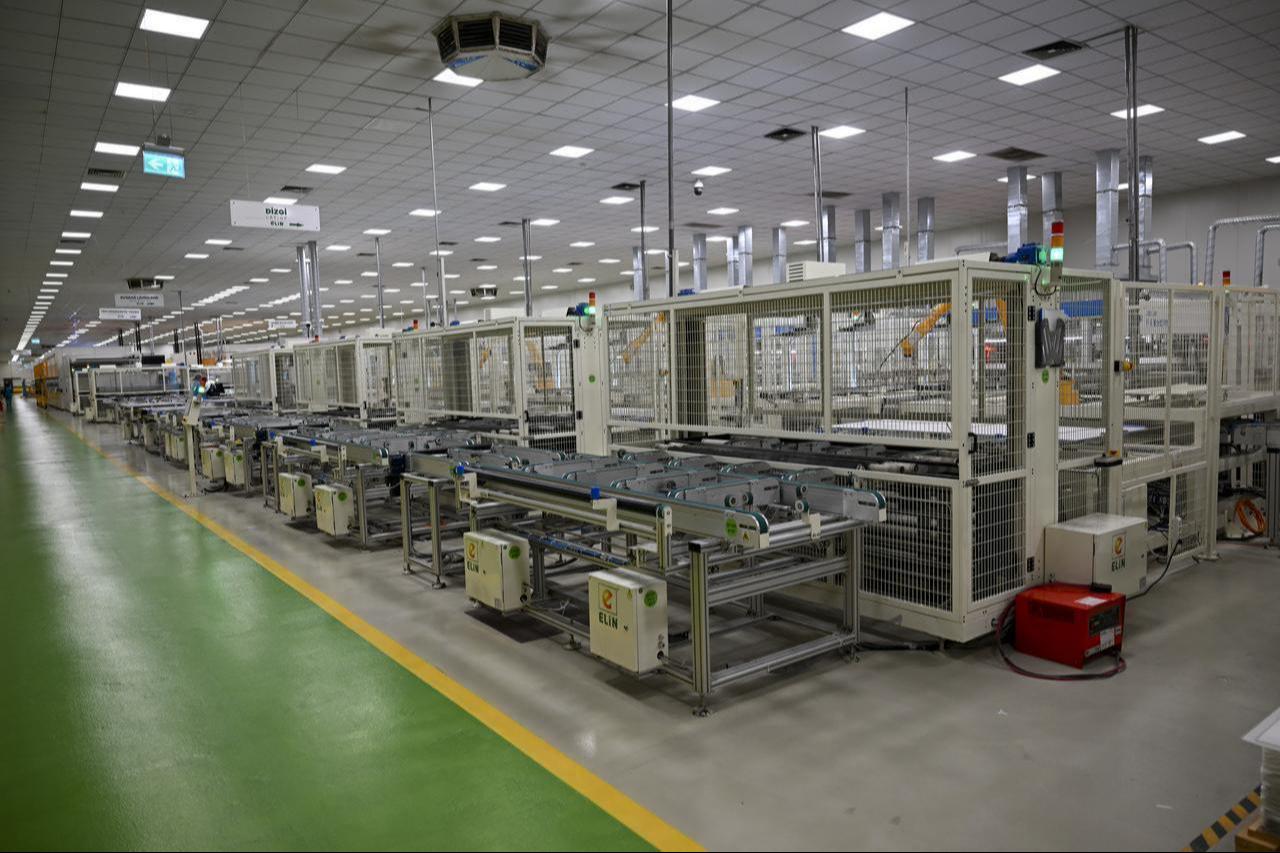

In its statement, the ministry pointed to ongoing efforts to enhance export capacity across all segments of the manufacturing sector, especially small and medium-sized enterprises (SMEs).
"We continue to develop new programs and projects to further increase our current level of technology," the ministry said, underlining continued support for R&D, branding, and high-value production through initiatives.
Additionally, digital tools such as e-export platforms and projects aimed at compliance with the European Green Deal have been introduced to broaden export participation and sustainability. Programs for trade fair participation, market access, and supply chain capabilities are being expanded.
The ministry concluded that these policies aim to open new horizons for all exporters, with small and medium-sized enterprises (SMEs) making up approximately 29.6% of total exports.


 Set as preferred source
 Set as preferred source


 1 min read

 1 min read