Newsletters


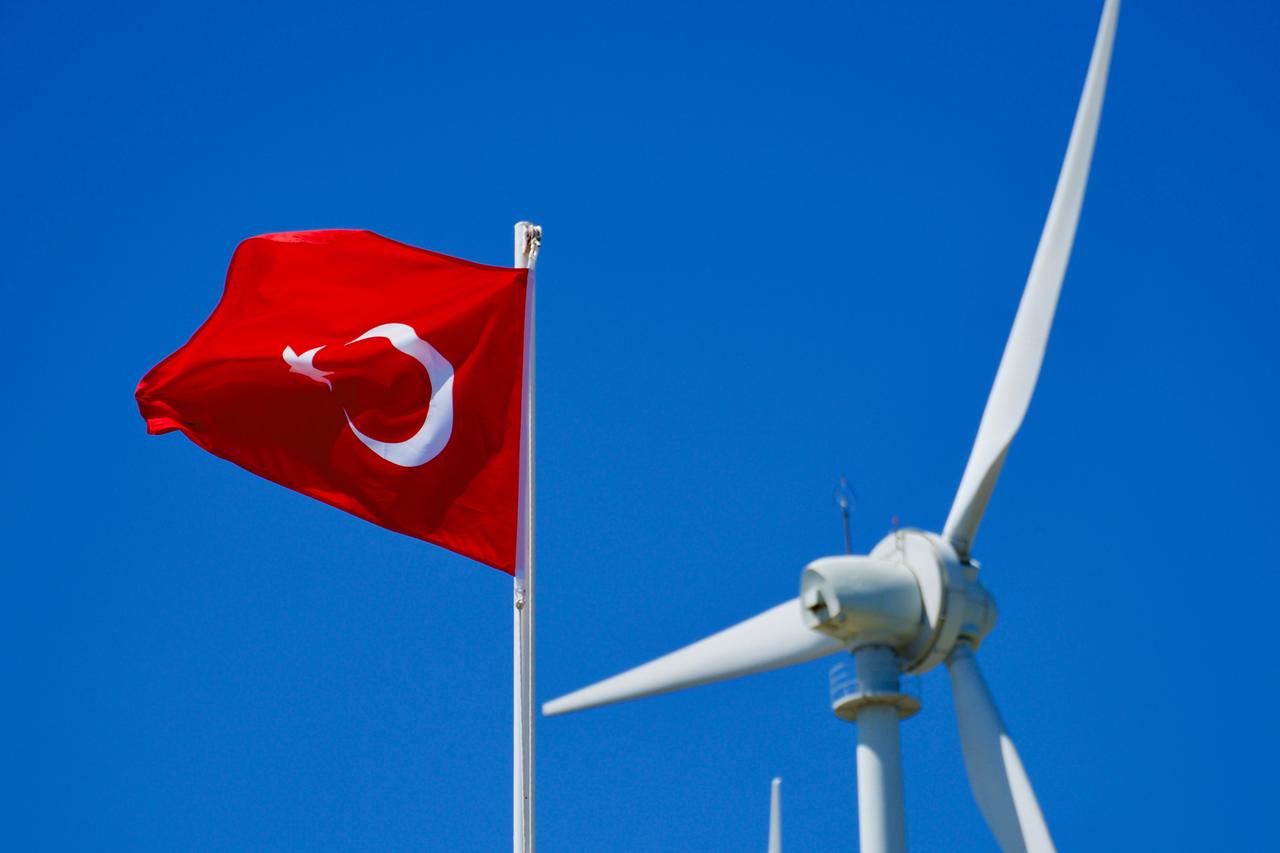


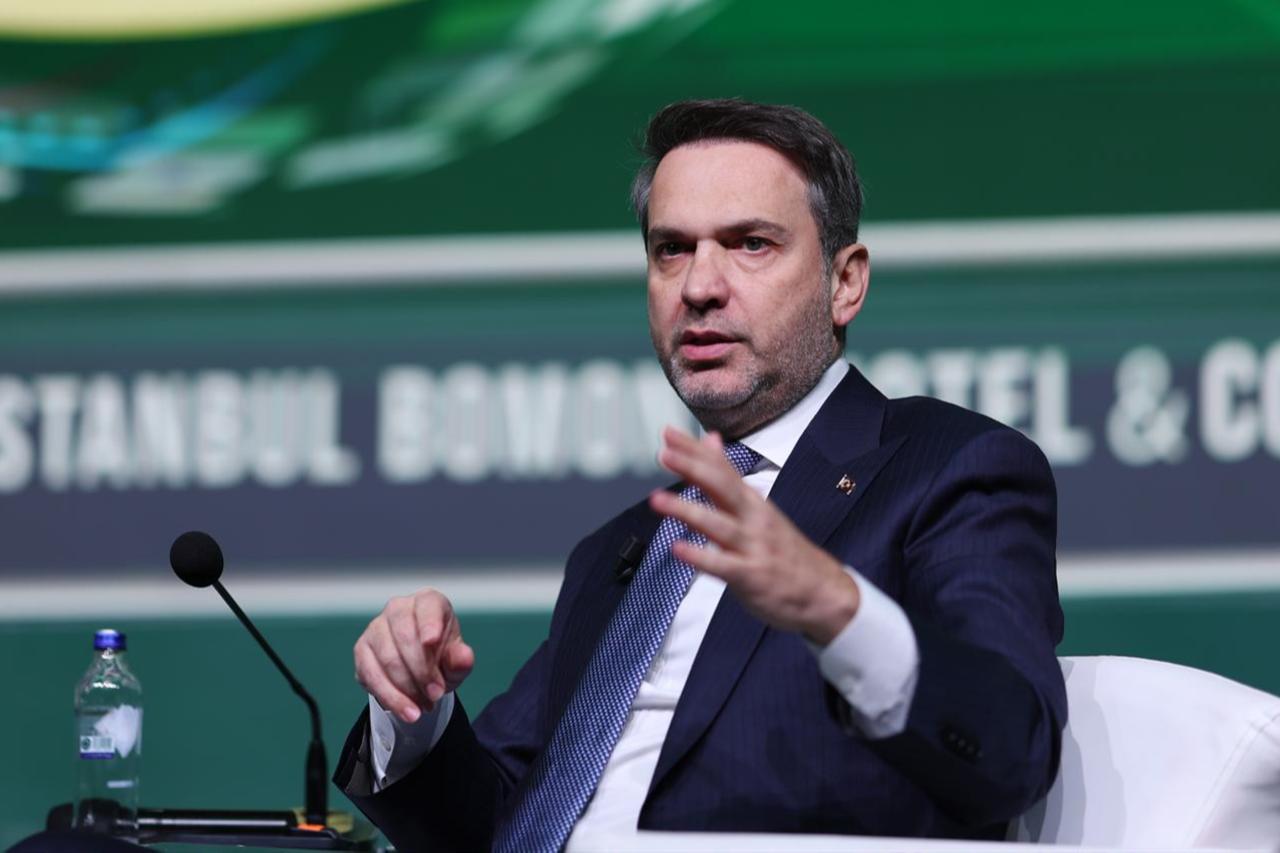
Türkiye’s 2025 renewable energy tenders for wind and solar projects have yielded approximately €530 million ($616.71 million) in upfront payments to the state budget, aiming to curb $8.5 billion from gas imports, Energy and Natural Resources Minister Alparslan Bayraktar announced Tuesday.
Held under the Renewable Energy Resource Zones (YEKA) framework, the tenders drew over 70 applications for six wind energy projects with a combined capacity of 1,150 megawatts, Bayraktar indicated, adding that the latest round of bids reached the highest price levels submitted to date.
The YEKA-RES 2025 tenders were concluded under a model where the state will purchase electricity from the selected projects at a fixed price with no escalation for 20 years. Bayraktar explained that the auction generated a contribution fee of €180,000 ($209,502) per megawatt, translating to €208 million in revenue from wind projects alone—funds to be paid upfront upon contract signing.
Türkiye’s total installed wind and solar capacity stood at 38,523 megawatts as of October, and Minister Bayraktar reiterated the country’s target to increase this figure to 120,000 megawatts by 2035.
The minister emphasized that the new renewable energy capacity will help Türkiye save around 1 billion cubic meters of natural gas each year, and the renewable energy generated by these projects is expected to meet the annual electricity needs of approximately 1.5 million households.


To expedite deployment, Türkiye has passed legislative reforms to shorten permitting times for wind and solar projects, Bayraktar recalled. The measures are expected to facilitate the rapid commissioning of approved sites, allowing the country to reduce external energy dependency and meet clean power targets more effectively.
Looking ahead, Bayraktar signaled that a new capacity allocation process will begin after 2026 to focus on expanding hybrid capacity, rooftop solar systems for industrial self-consumption, and additional wind energy capacity.
The minister reiterated the government’s goal of driving faster growth in the sector based on the principle of "generate on-site, consume on-site," which refers to a decentralized energy model where electricity is produced and used at the same location, allowing businesses and households to reduce grid dependency, cut transmission losses, and improve energy efficiency.


 Set as preferred source
 Set as preferred source


 1 min read
 1 min read