Newsletters


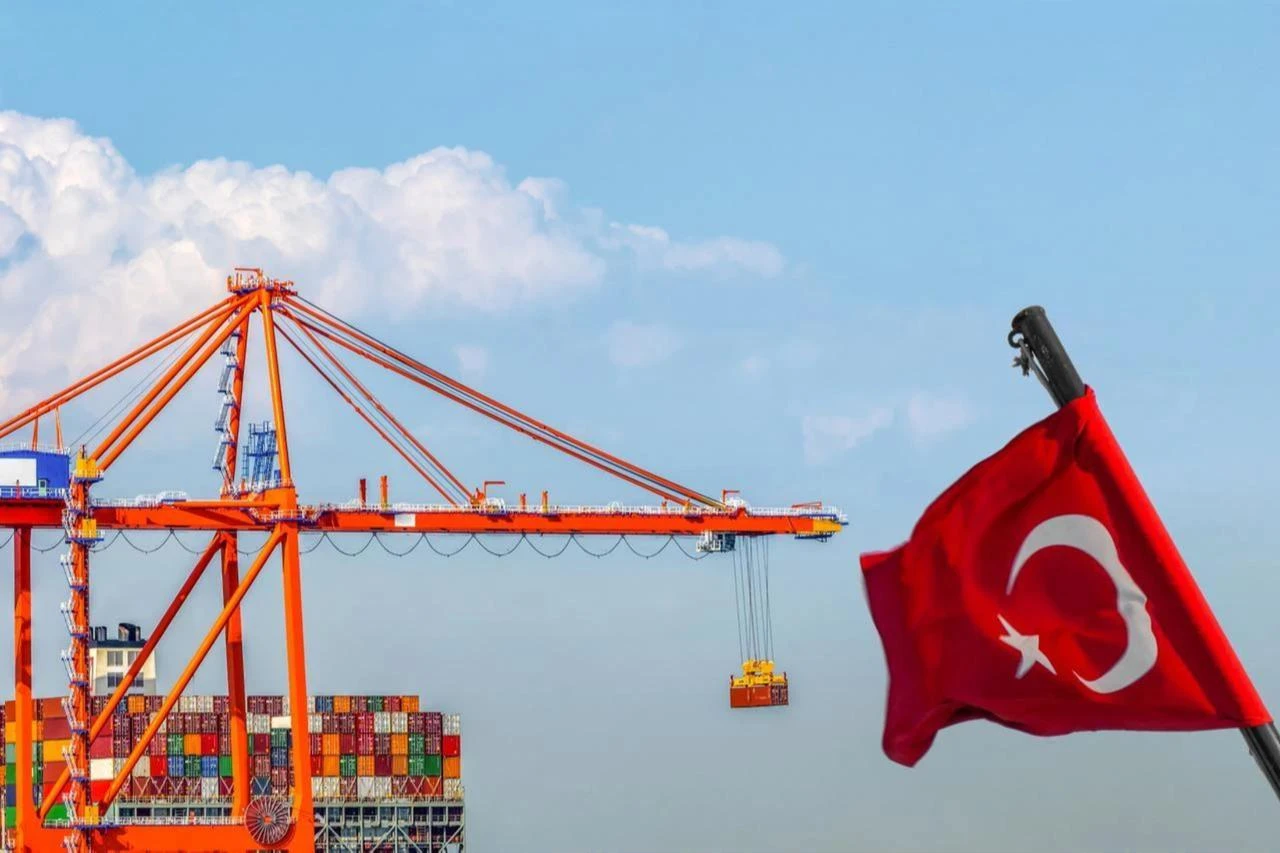


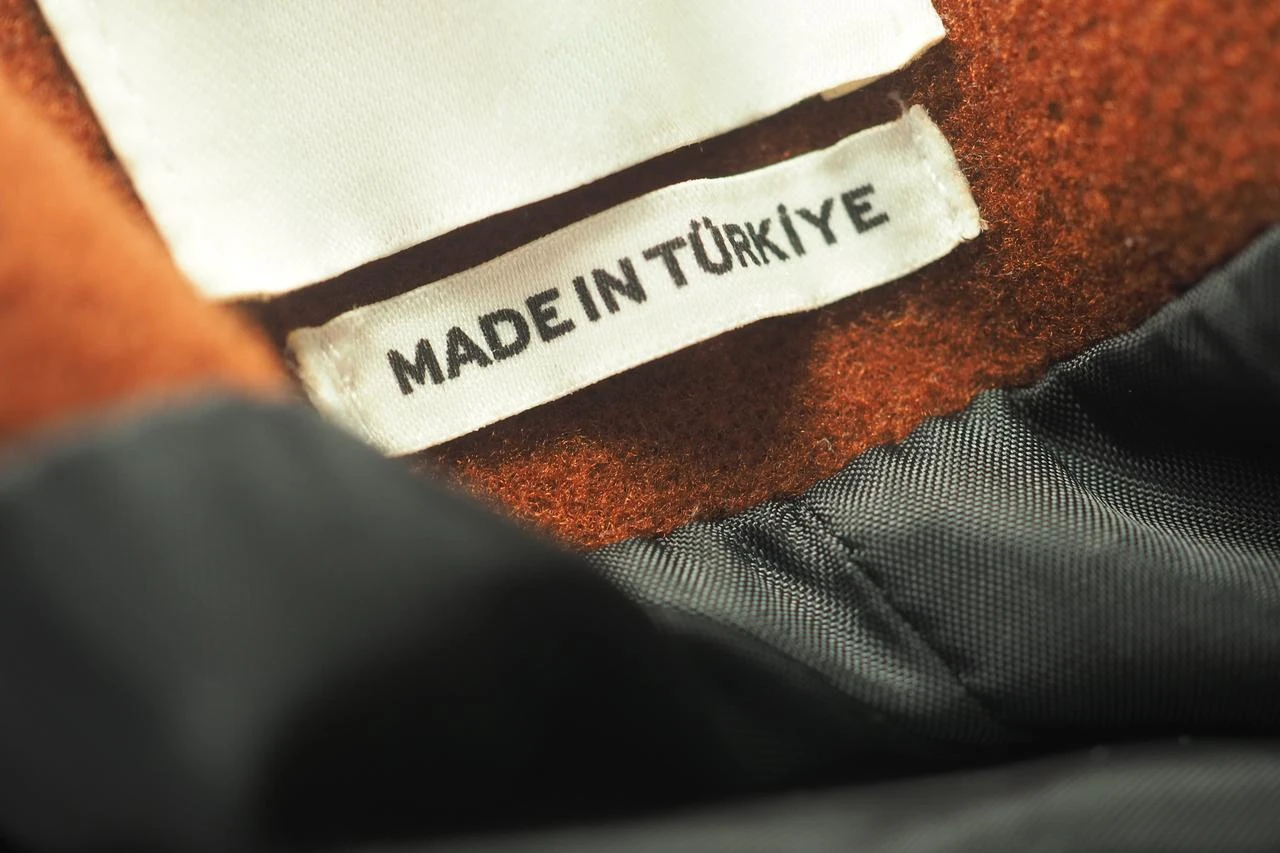
The White House on Thursday put Türkiye and more than 40 other countries on a list of places at elevated risk of being used to reroute China-linked goods through third countries to evade U.S. tariffs, allowing exporters to take advantage of lower duty rates.
A report titled "The Great Transshipment Scam" described a global network in which Chinese goods are allegedly repackaged, relabeled or lightly processed in other countries before being shipped to the U.S. The White House estimated the practice costs the U.S. between $19 billion and $26 billion in lost tax revenue each year.
The report stressed that the countries named also handle substantial legitimate trade, meaning their inclusion reflects transshipment risk rather than an allegation that all trade through them is illegal.
Türkiye was placed in the report's second tier alongside Brazil, Indonesia, Malaysia, Thailand and Vietnam. The group comprises countries with significant economic ties to China and the manufacturing and logistics capacity to move China-linked goods into U.S.-bound trade flows.
The report also listed Türkiye among "Developed Logistics Platforms," alongside Belgium, Canada, the Netherlands, Singapore and Switzerland, citing their ports, customs infrastructure, warehouses and re-export networks as part of the broader trade system.
The White House traced the network's growth to the tariffs imposed on Chinese goods in 2018. Chinese exporters increasingly shifted some goods through lower-tariff countries after the tariffs took effect, using limited processing, relabeling, repackaging or changes to trade documents to make products appear to have a different origin while leaving much of the Chinese content intact.
The report cited a Commerce Department estimate that about $67 billion in goods were transshipped from China through Mexico, India and Vietnam in 2025, resulting in roughly $28 billion in lost tariff revenue.
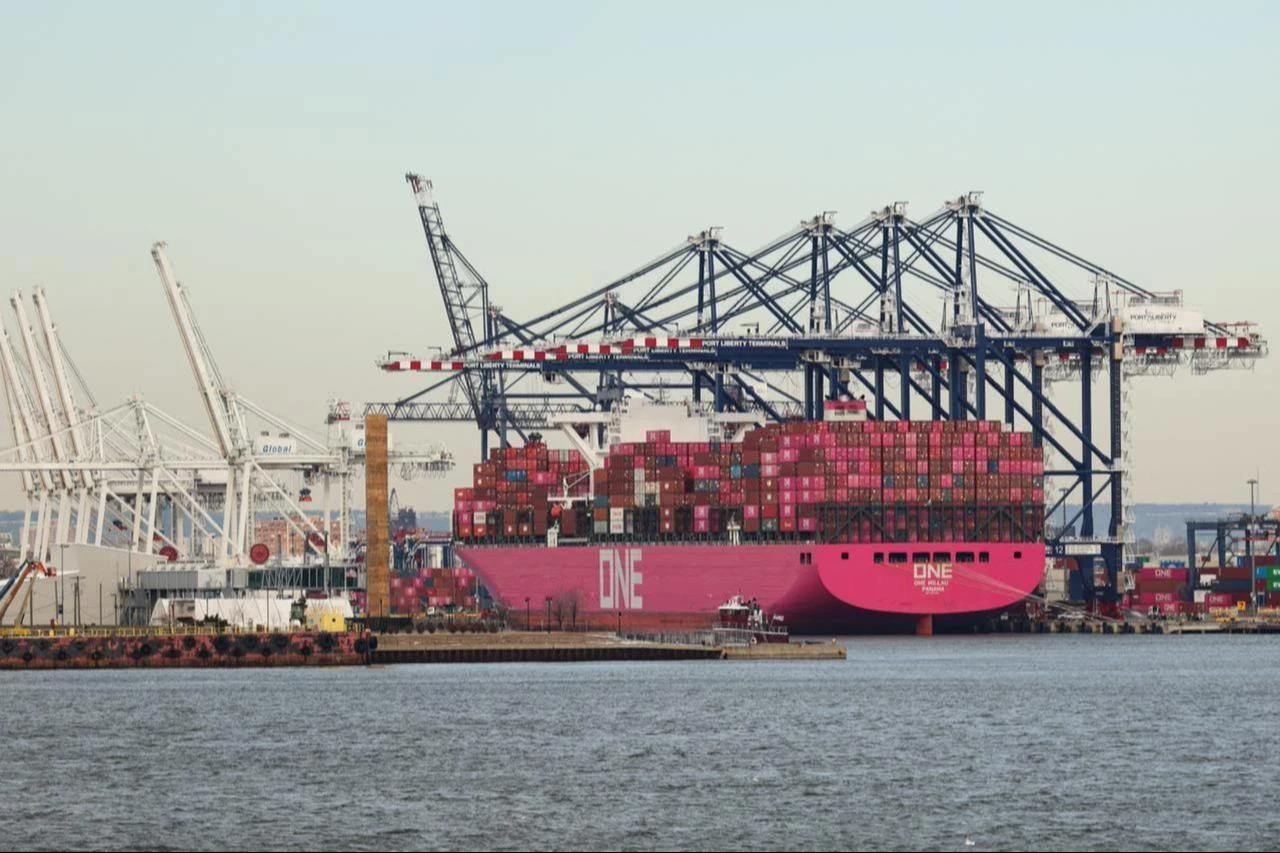

The Section 301 tariffs imposed on Chinese goods in 2018 range from 7.5% to 25%, depending on the product, with the higher rates covering goods subject to the first three tariff lists.
The U.S. also imposed a 12.5% Section 301 tariff on Chinese goods in July 2026 as part of a new measure targeting countries over their handling of forced-labor imports. As of July, Türkiye was also among the countries facing a 12.5% Section 301 duty related to forced-labor enforcement, according to USTR's latest action.
The report did not unveil preparations for further tariffs to counter tariff evasion through third countries, but it outlined other measures.
The Trump administration is developing an artificial intelligence system known as "Detective Border" to help U.S. Customs and Border Protection identify suspicious shipments.
The administration is also strengthening customs enforcement, covering importer accountability, ownership disclosures, bonding, penalties and trade transparency.
Reciprocal trade agreements can also include rules of origin aimed at preventing tariff benefits from flowing to third countries through transshipment, the report indicated.


 Set as preferred source
 Set as preferred source


 1 min read
 1 min read