Newsletters


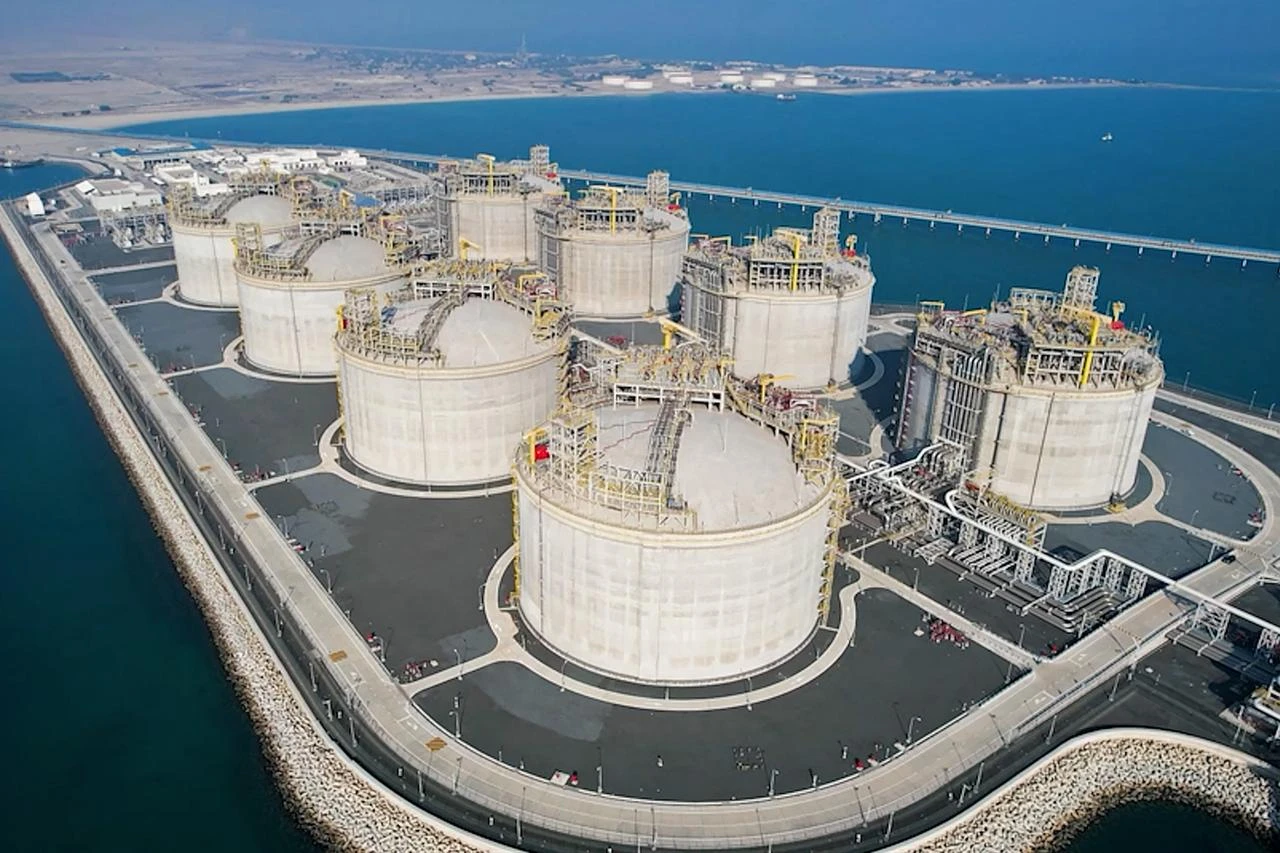


Oil prices climbed Friday after the U.S. threatened to keep its blockade of Iranian ports in place for as long as needed and warned of unprecedented economic measures against Tehran, raising concerns over further disruptions to global supplies.
Brent crude and U.S. benchmark West Texas Intermediate (WTI) both rise around 1% to $88 and $82 per barrel, respectively, as of 6.30 a.m. GMT.
Global markets have received support from easing U.S. inflation and positive corporate earnings, while uncertainty surrounding the Middle East weighs on investor sentiment.
Expectations for Federal Reserve interest-rate moves also weaken following signs of a slowdown in the U.S. labor market and a cooling in inflation.
However, uncertainty surrounding diplomatic efforts to end the U.S.-Iran war remains a key concern for investors and continues to limit risk appetite.
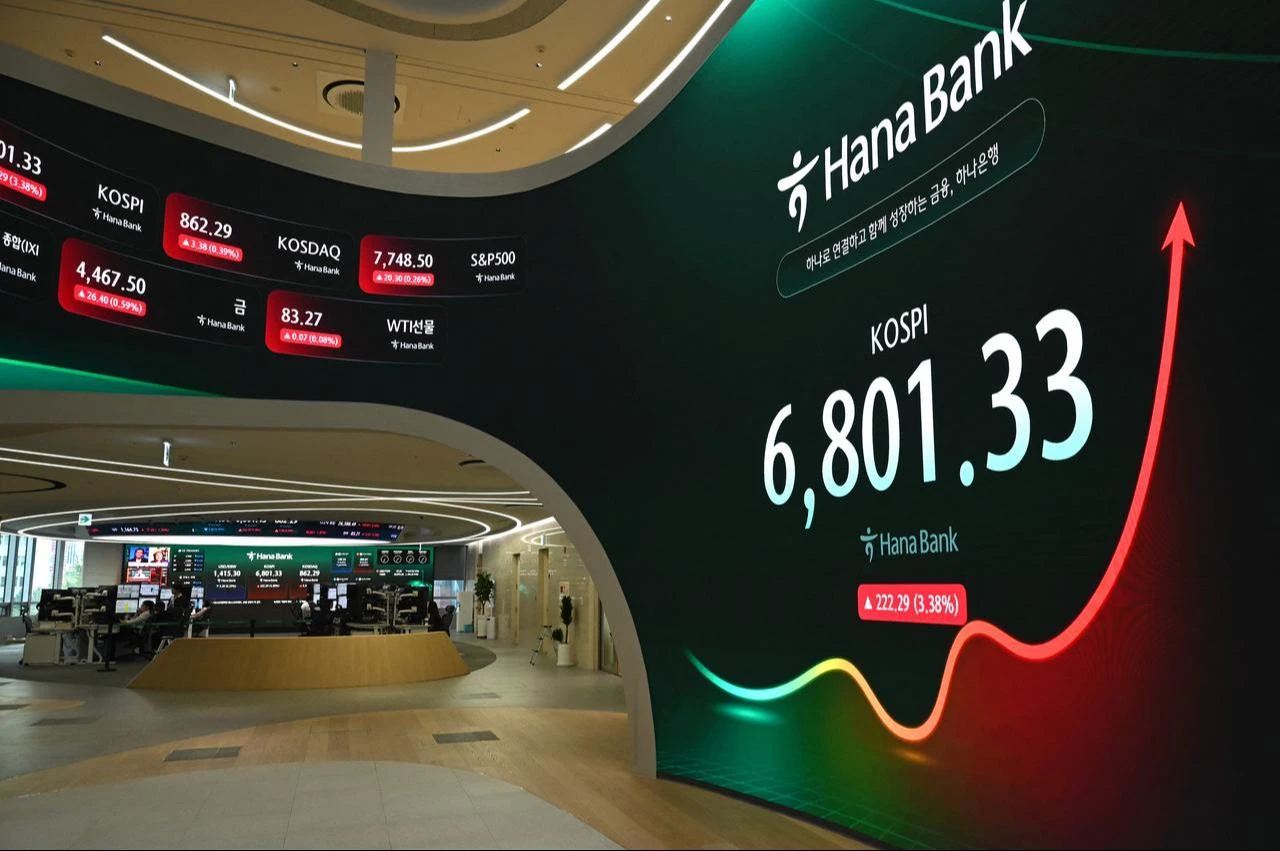
Asian markets traded unevenly on Friday, with Japan’s Nikkei 225 rising 0.6% and South Korea’s Kospi gaining 2.3% as renewed enthusiasm for artificial intelligence and technology supported equities.
The Shanghai Composite remained flat, while Hong Kong’s Hang Seng fell 1%.
European markets also moved higher, with Stoxx 50 futures up 0.3% and Germany’s DAX futures gaining 0.5%, while U.S. futures remained slightly in negative territory.
Gold traded at $4,330 per ounce, down 0.4%, while silver stood at $64.3 per ounce, up 0.3%; palladium was at $1,295 per ounce, up 0.3%, and platinum rose 0.1% to $1,710 per ounce.
Bitcoin fell 0.9% to $63,100, while ethereum declined 1% to around $1,870.

U.S. Defense Secretary Pete Hegseth said Washington could maintain its blockade of Iranian ports indefinitely by rotating ships in and out of the region, signaling that disruptions to Iranian oil exports and shipping through the Strait of Hormuz could persist.
"We can hold (the blockade) as long as we need to. Indefinitely, the United States Navy can maintain a blockade like that because we'll rotate ships in and out as we have and will continue to," he said.
Treasury Secretary Scott Bessent also signaled tougher economic pressure on Tehran, saying Washington would announce unprecedented measures the following week.
"Watch this space for more announcements coming next week because we are going to apply measures like have never been seen in the history of economic isolation of a country," Bessent said.
The remarks add to market concerns over a prolonged supply shock. The Strait of Hormuz carried about 20% of global oil supplies before the conflict, while only nine vessels passed through it Thursday, below the August daily average of 12.
With shipping already heavily disrupted, a prolonged blockade could keep oil prices elevated, increase fuel costs and add to inflationary pressure, while tighter supplies of crude and LNG could weigh on energy-intensive industries and global growth.
"It will be a combination of economic isolation like the world has never seen before, and the continued blockade in the Strait of Hormuz that will keep anything from going in or out of the Iranian ports," Bessent said.


 Set as preferred source
 Set as preferred source


 1 min read
 1 min read