Sign in
 Newsletters


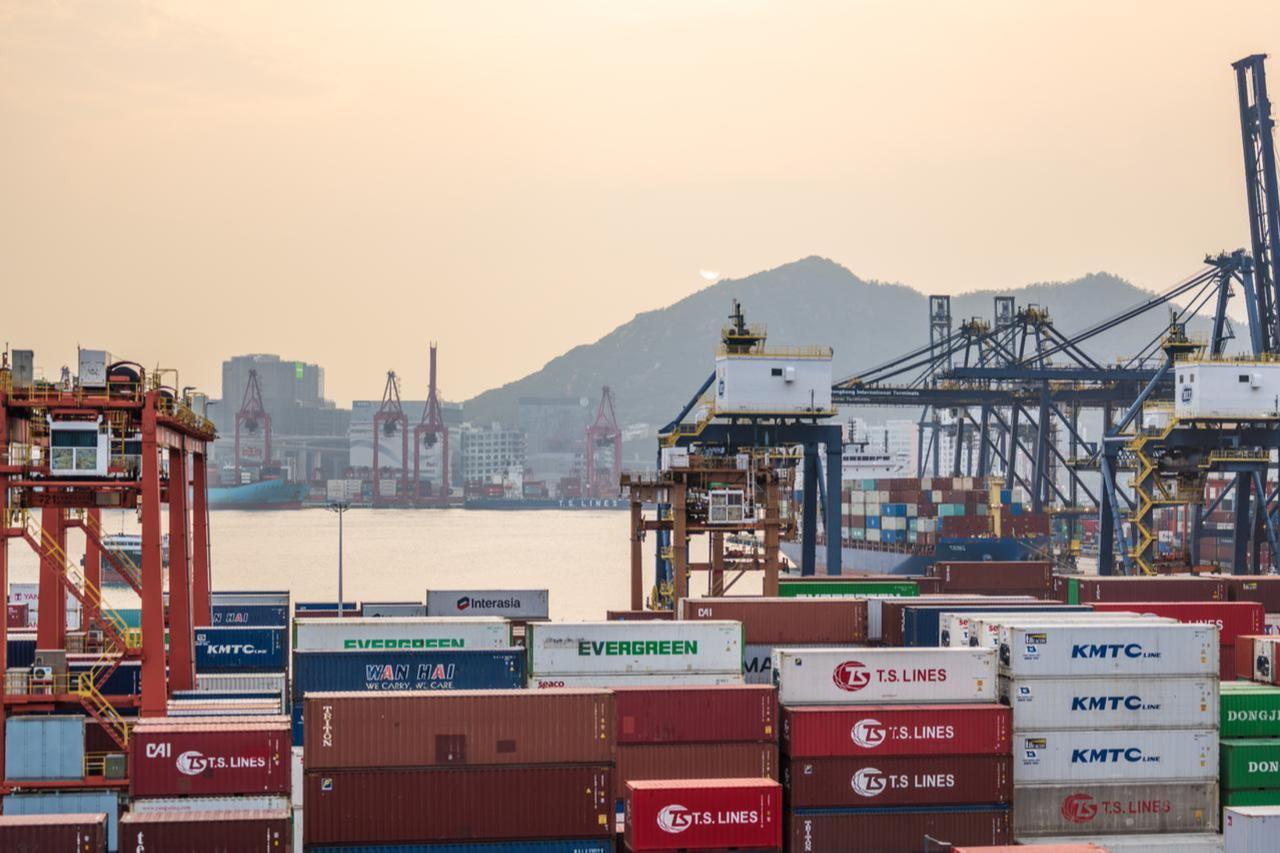


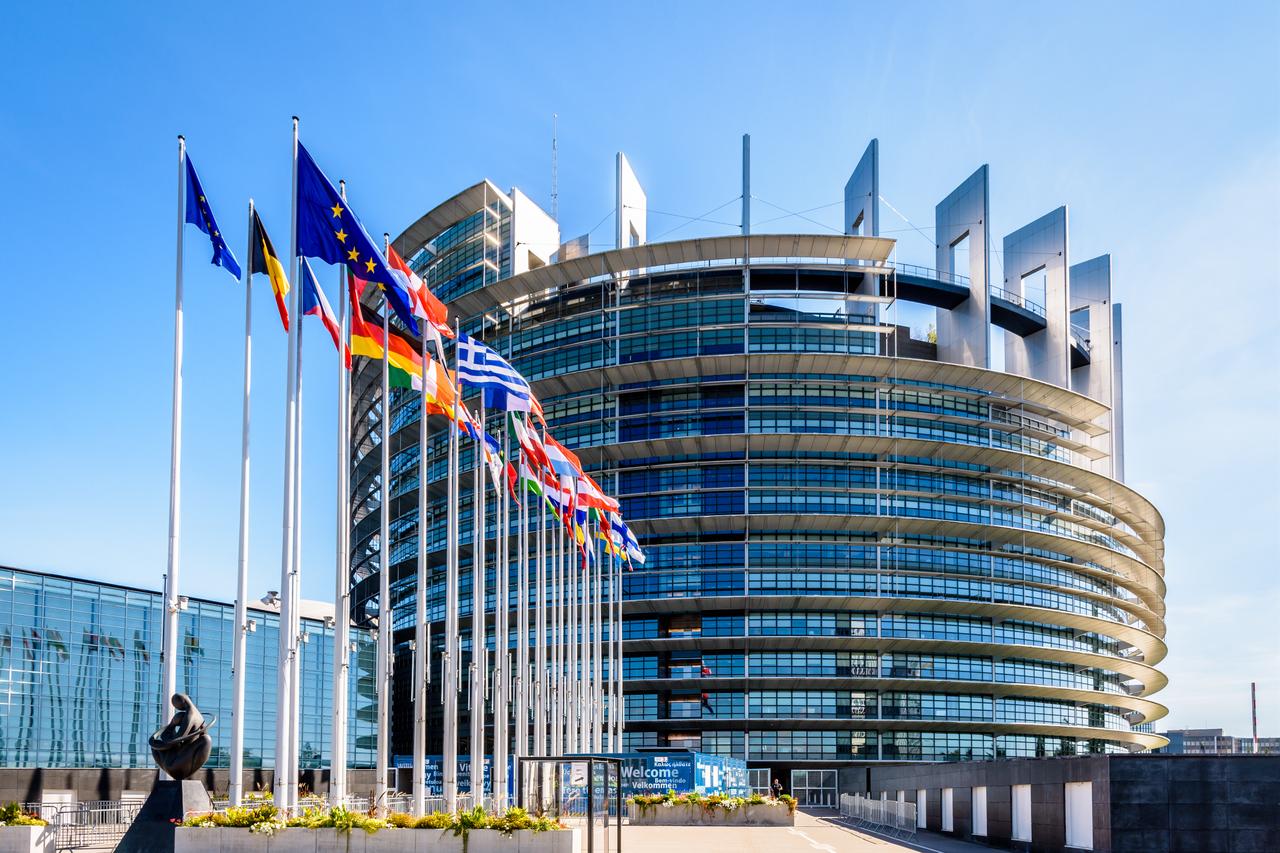
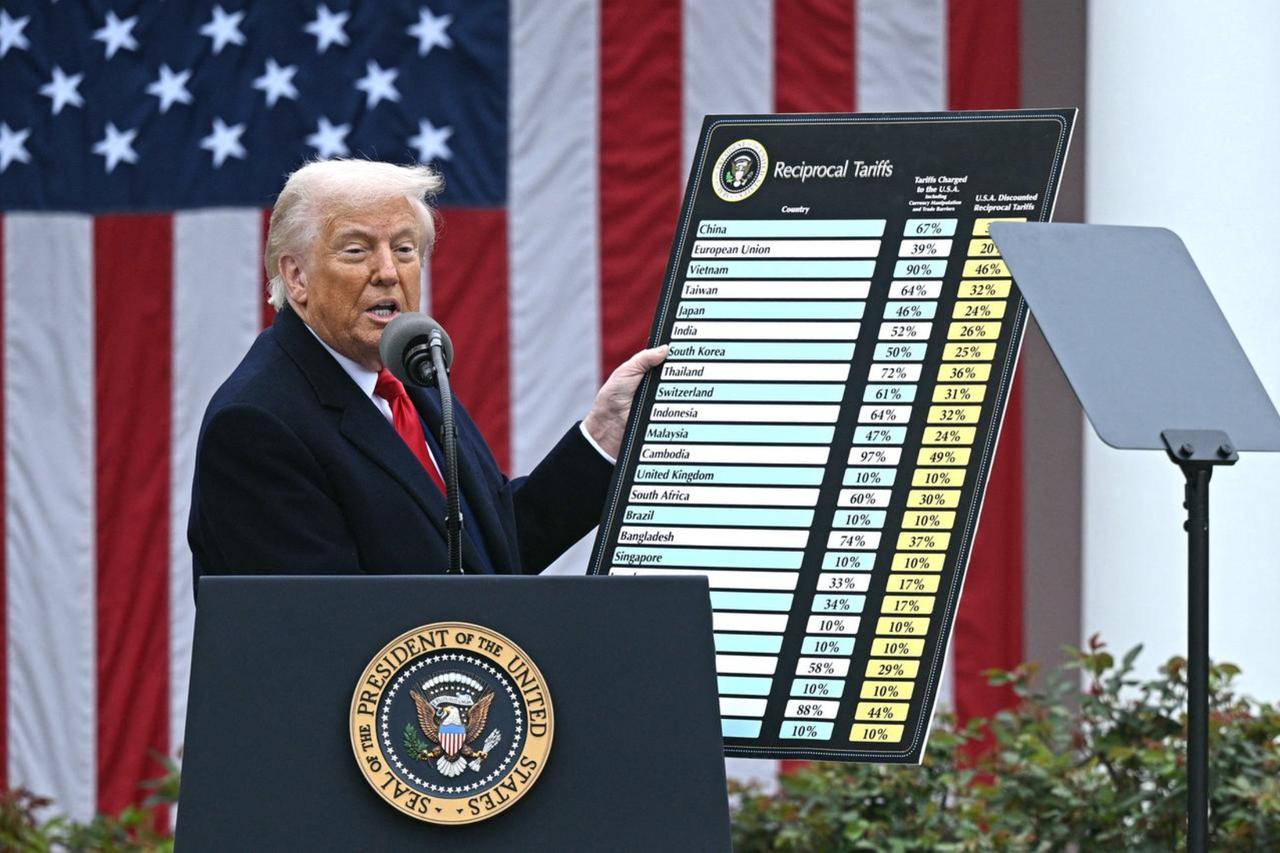
The U.S. is preparing to impose an additional 20% tariff on Chinese goods and introduce new import duties on products from 14 other trading partners, including the European Union, Japan, South Korea and India.
The proposed measures fall under Section 301 of the Trade Act of 1974, which allows Washington to investigate and retaliate against foreign trade practices deemed discriminatory or harmful to American commerce.
A senior U.S. administration official outlined the plans during a late-night briefing with reporters Tuesday, ahead of the publication of investigations by the Office of the U.S. Trade Representative (USTR).
The official said the targeted economies had developed or maintained structural excess manufacturing capacity, largely supported by government subsidies and other trade barriers that Washington says put American producers at a disadvantage.
The tariffs remain at the proposal stage, and the official did not provide a firm timetable for their implementation.
The proposed measures are also intended to help the administration recover tariff revenue lost after the U.S. Supreme Court ruled in February that President Donald Trump could not use an economic emergency declaration to bypass Congress and impose broad import taxes.
China and Brazil are among the economies facing some of the largest increases. For certain Chinese products, the additional 20% tariff would bring the total rate to 45%, according to the administration official.
Washington argues that subsidized manufacturing and trade barriers in major economies have contributed to an influx of low-priced goods that undercut U.S. companies. The U.S. goods trade deficit has recently exceeded $1 trillion annually.
The administration also says the proposed duties are consistent with trade agreements Trump reached with dozens of countries last year following threats of steep tariff increases.
The U.S.-China trade truce, reached last year, is due to expire on Jan. 10. The official said the proposed tariffs would not surprise Beijing and were unlikely to undermine the agreement.
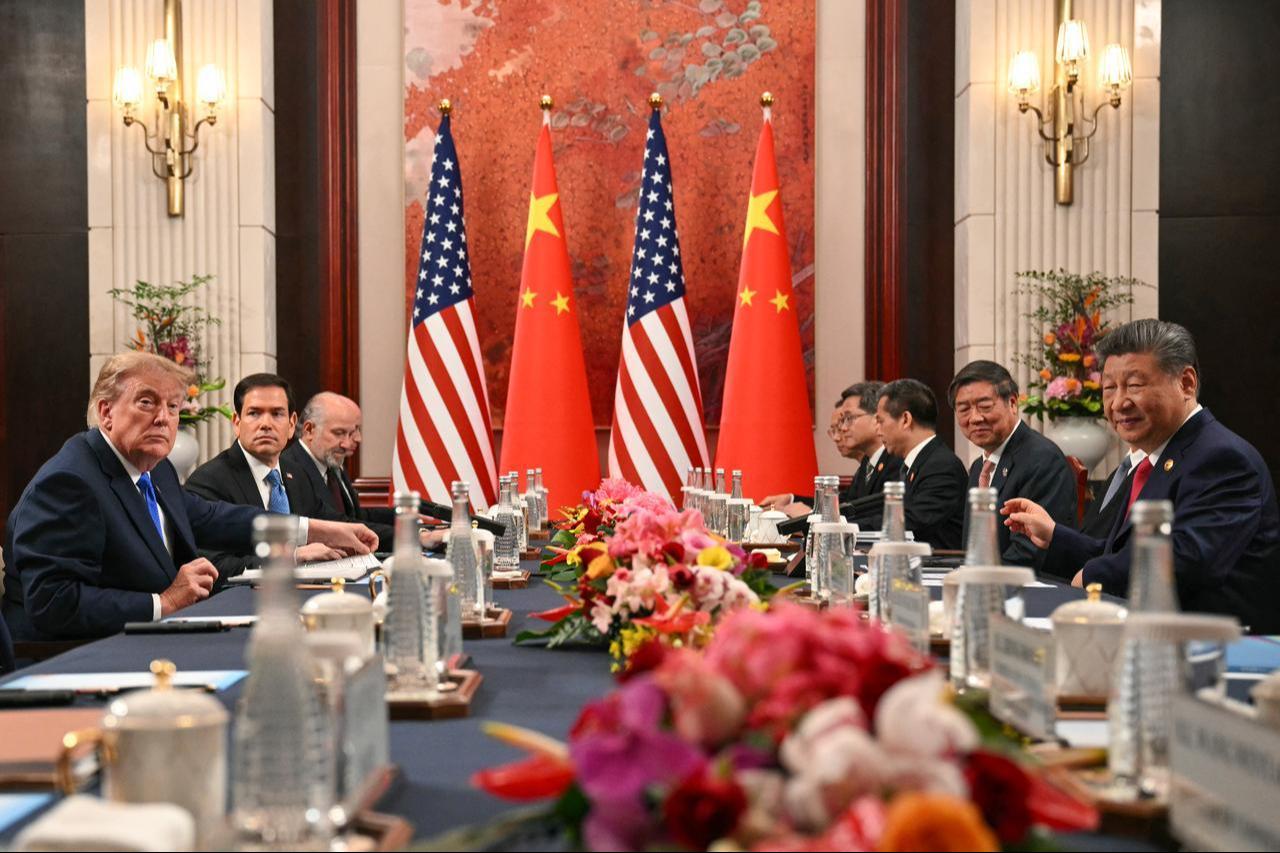
Trump met Chinese President Xi Jinping in Shenzhen last week and plans to host him next month at the Group of 20 summit in Florida. The two leaders could revisit the trade truce, access to rare earth minerals and China's purchases of U.S. agricultural products.

The administration's structural overcapacity investigations target China, the European Union, Japan, South Korea, Taiwan and several economies across Asia and Europe.
Other economies identified as facing the proposed tariffs include Bangladesh, Cambodia, India, Indonesia, Malaysia, Singapore, Switzerland, Thailand and Vietnam.
Brazil is also facing separate proposed duties, including higher tariffs on raw and refined sugar and a new 10% levy on aircraft. Mexico and Norway are subject to pending investigations, according to the administration's latest briefing.
The investigations examine whether government policies and market practices have contributed to manufacturing capacity exceeding domestic and global demand, potentially leading to persistent production surpluses and exports at prices that Washington says disadvantage U.S. producers.
The proposed tariffs would apply to specific products and generally would not be added on top of separate duties imposed under Section 232 of the Trade Expansion Act of 1962.
That provision allows the U.S. president to restrict imports deemed to threaten national security and has been used to impose tariffs on products including automobiles, steel and aluminum.


 Set as preferred source
 Set as preferred source


 1 min read
 1 min read