Sign in
 Newsletters


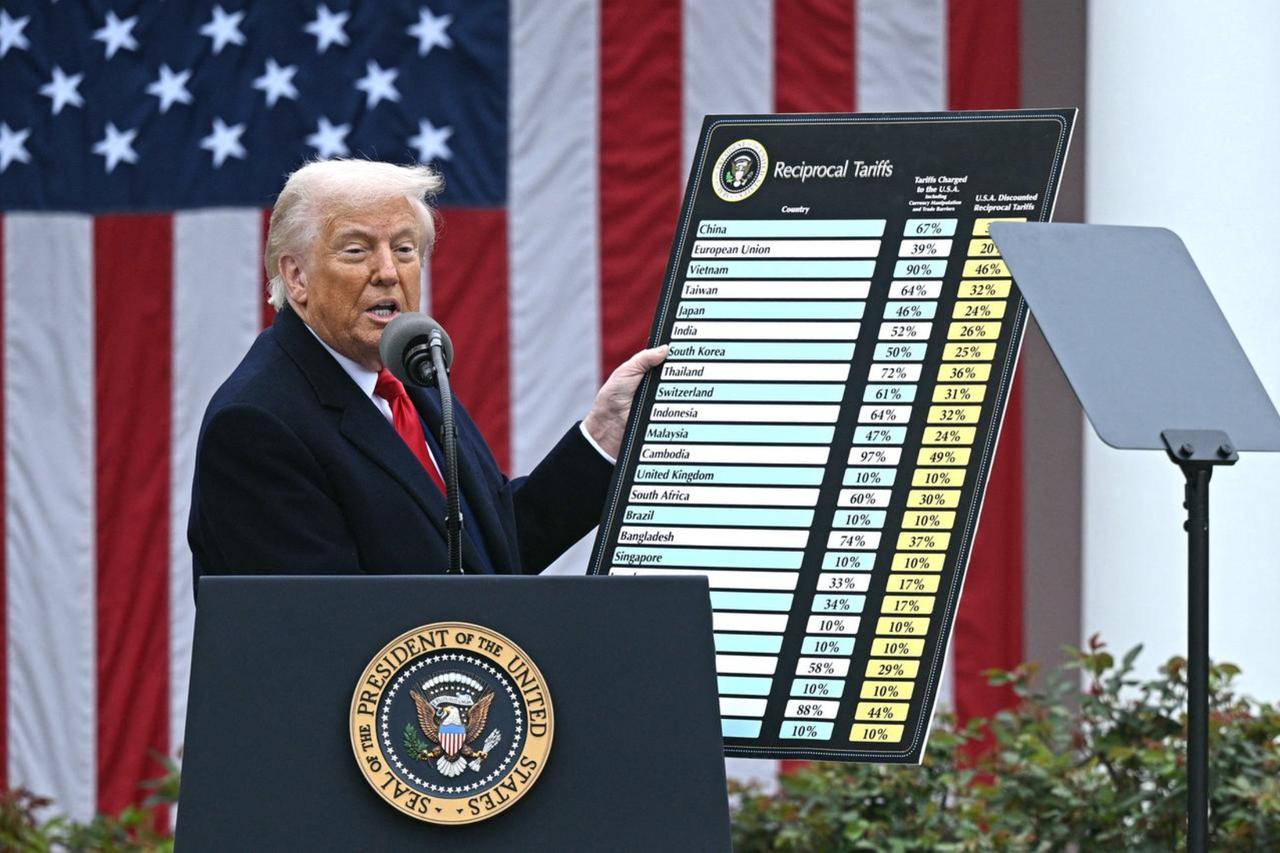


The Trump administration is reportedly preparing a new round of tariffs on China, the European Union and 14 other economies, seeking to restore its trade barriers after the Supreme Court struck down its previous global duties earlier this year.
The Office of the U.S. Trade Representative (USTR) could announce the findings of a months-long investigation into industrial subsidies and excess manufacturing capacity as early as this week, according to several reports on Tuesday.
The investigation covers 16 economies, including China, the EU, Japan, South Korea, India, Vietnam, Indonesia, Malaysia, Mexico, Thailand and Switzerland.
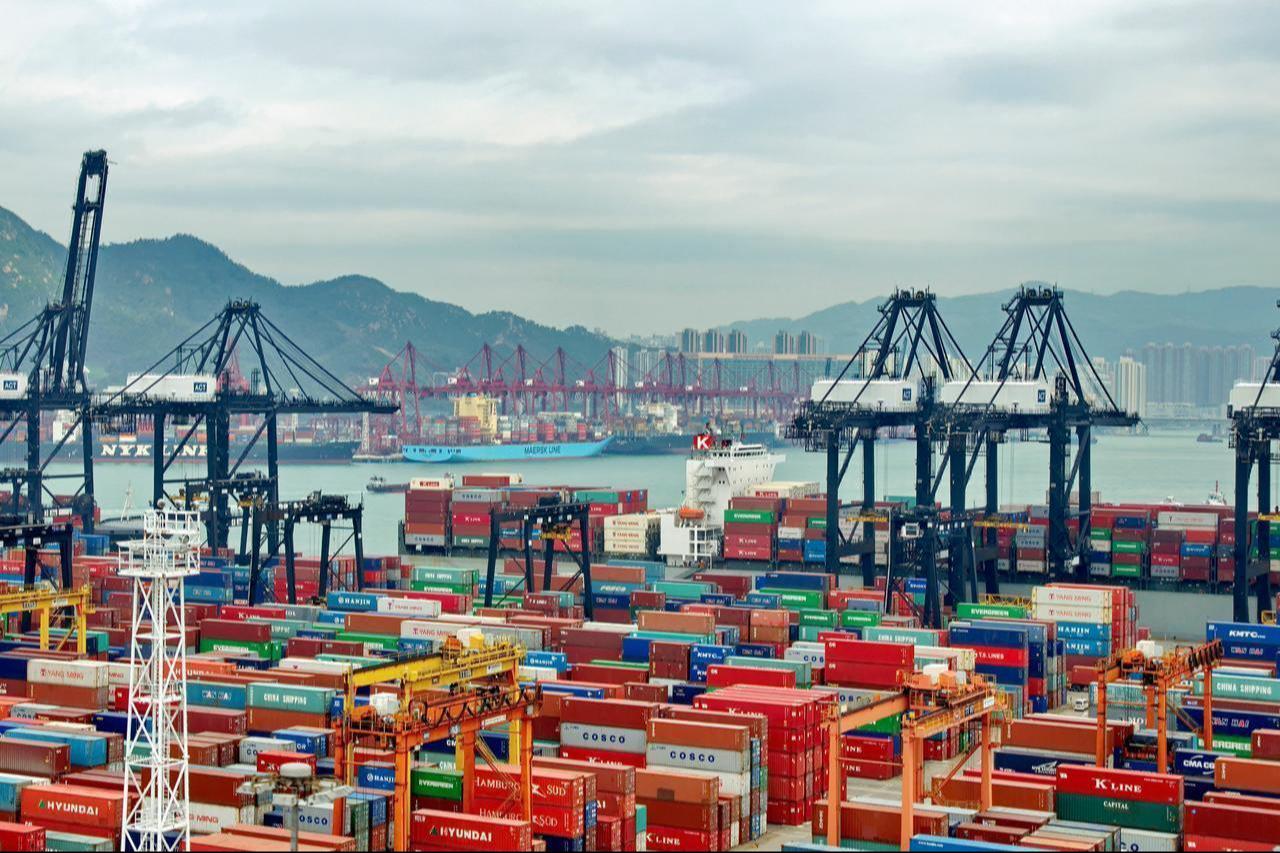
The proposed duties would target manufactured goods from those economies that Washington argues benefit from government support and undercut American producers through artificially low prices.
But the latest move is also part of a broader effort to rebuild Trump's tariff strategy using a different legal framework after the Supreme Court overturned his earlier sweeping import duties in February.
China is expected to face a tougher approach than other trading partners, and tariffs on Chinese products would cover a broader range of goods and come without exemptions.
The duties would nevertheless remain within the limits of the trade truce reached between Trump and Chinese President Xi Jinping last year in South Korea.
Washington is also expected to tailor the new rates to individual economies rather than impose a uniform tariff. The additional duties would not push overall rates above the levels established under existing trade agreements, according to Bloomberg.
Countries that struck trade agreements with Trump could therefore receive different treatment. The EU, Japan and South Korea are likely to face overall tariff rates of 15% or less, while India and Vietnam could encounter higher duties based on their respective arrangements with Washington.
Final rates and the implementation timeline remain unclear.
The investigation centers on what U.S. officials describe as structural excess industrial capacity, arguing that government subsidies allow foreign manufacturers to expand production beyond domestic demand and push cheaper products into international markets.
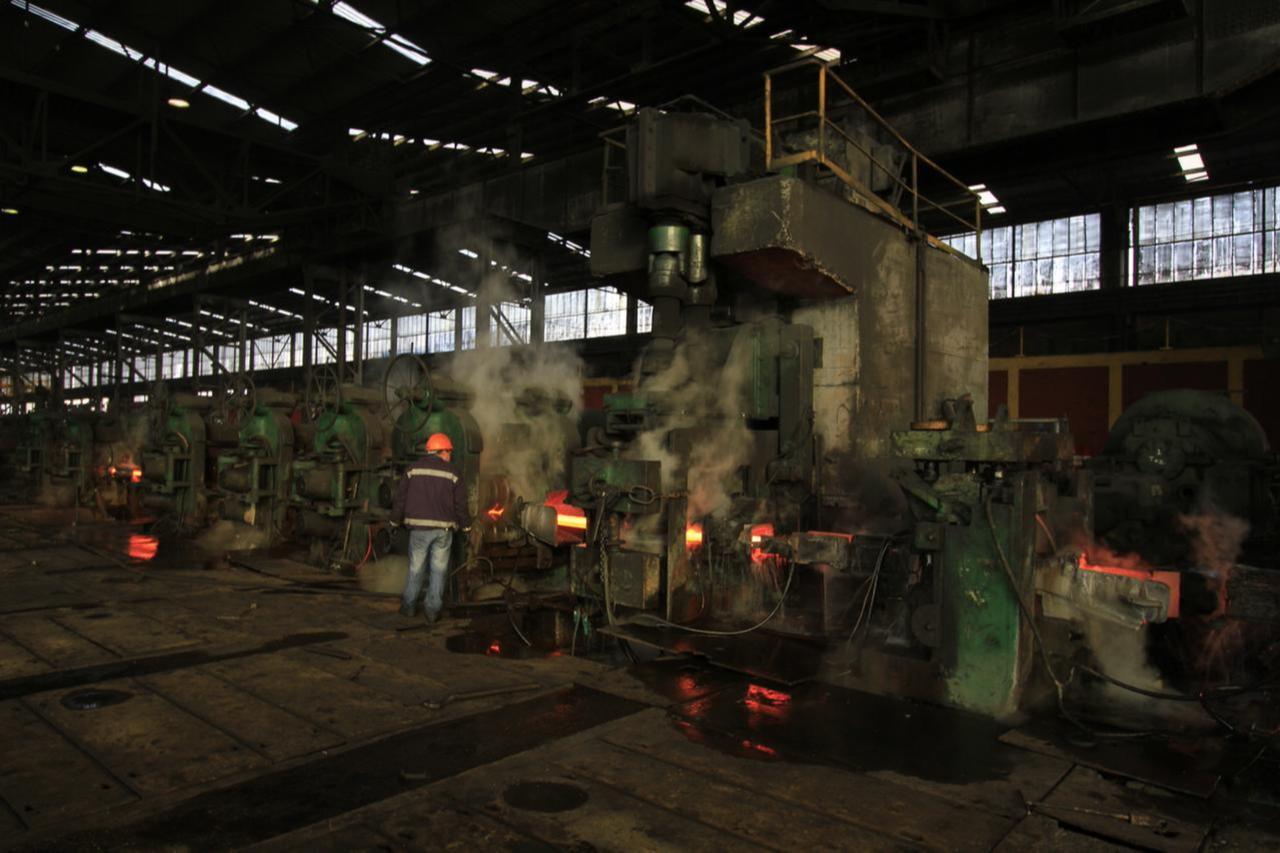
China's manufacturing capacity in automobiles, solar panels, cement and steel has drawn particular scrutiny as its companies increasingly look abroad for buyers.

The investigation is being conducted under Section 301 of the Trade Act of 1974, which allows the U.S. president to impose tariffs on countries found to engage in unfair trade practices that harm American businesses.
USTR launched the probe in March after the Supreme Court struck down Trump's earlier sweeping tariffs imposed under the International Emergency Economic Powers Act (IEEPA). Since then, the administration has pursued alternative legal avenues to rebuild its tariff regime, including a separate set of measures introduced in July.
Those tariffs, ranging from 10% to 12.5% on goods from 60 economies, target alleged failures to enforce restrictions on products linked to forced labor and are now facing a legal challenge at the U.S. Court of International Trade.
The latest investigation could add another layer of duties, leaving exporters exposed to overlapping U.S. trade restrictions.
The prospect of further tariffs weighed on global market sentiment on Wednesday, with Asian equities extending their losses as semiconductor and artificial intelligence-related stocks led the sell-off.
Japan's Nikkei 225 fell 2.8%, South Korea's Kospi dropped 5.8%, and Taiwan's Taiex slid 4.7%, while the MSCI Asia-Pacific index lost 2.4%.
European markets, meanwhile, were poised for a modestly higher opening, with futures pointing to slight gains across major indexes despite the weakness in Asia.


 Set as preferred source
 Set as preferred source


 1 min read
 1 min read