Newsletters


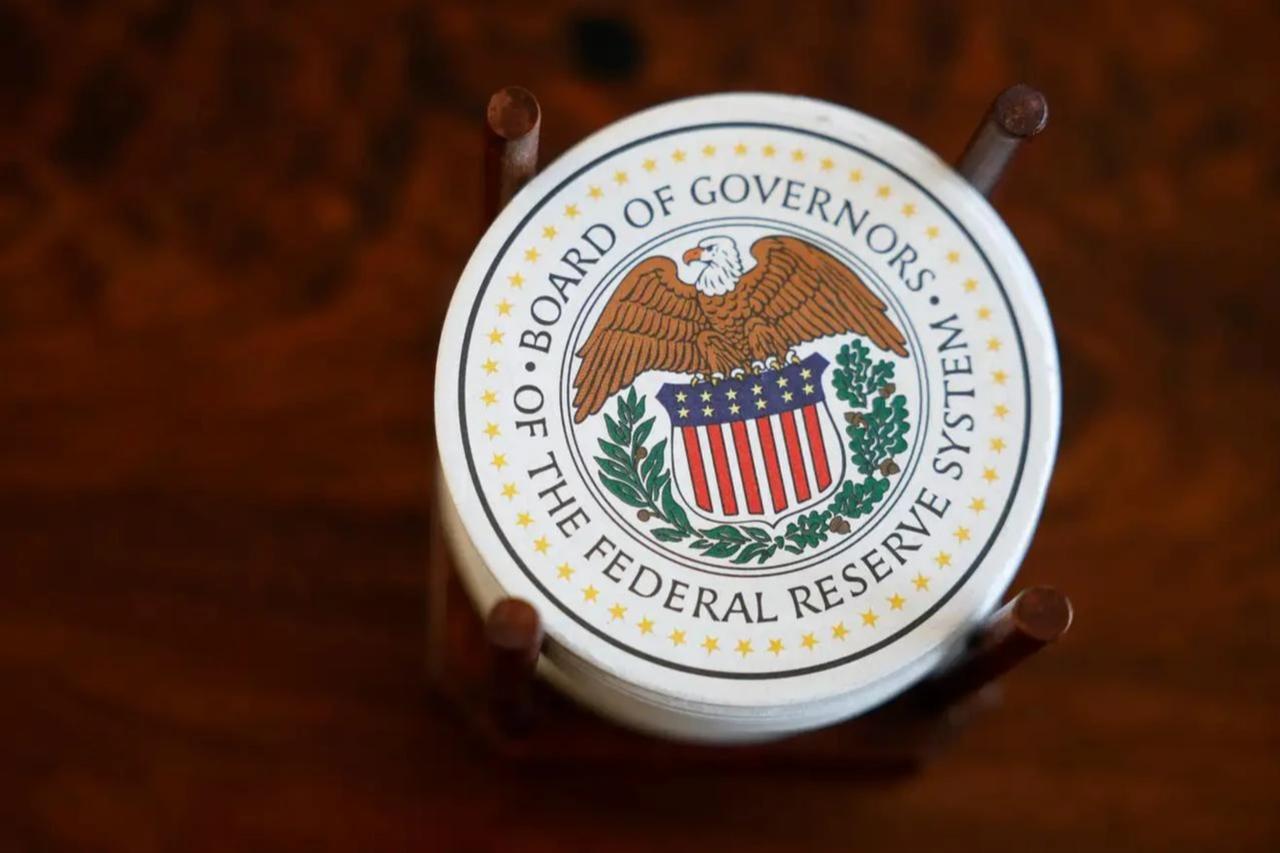


The United States Federal Reserve held interest rates steady Wednesday, as expected, keeping the federal funds rate at 3.5% to 3.75% in a 9-3 vote.
Three of the 12 policymakers dissented from the majority decision, calling for a 25-basis-point rate hike.
Beth Hammack, Neel Kashkari and Lorie Logan opposed keeping rates unchanged, preferring to raise the target range by a quarter percentage point.
The Fed held rates steady for a fifth consecutive meeting, leaving its language on inflation, unemployment and economic activity broadly unchanged from its previous rate decision.
The central bank continued to describe inflation as "elevated."
The Fed said economic activity continued to expand at a solid pace despite heightened uncertainty partly stemming from the war in the Middle East.
Productivity growth and capital investment remained strong, while job gains kept pace with labor force growth and the unemployment rate changed little, it added.
The central bank said inflation remained above its 2% target, partly because of supply shocks that pushed up prices in some sectors, including energy.
The Fed also said it would continue its policy of maintaining ample reserves in the banking system.
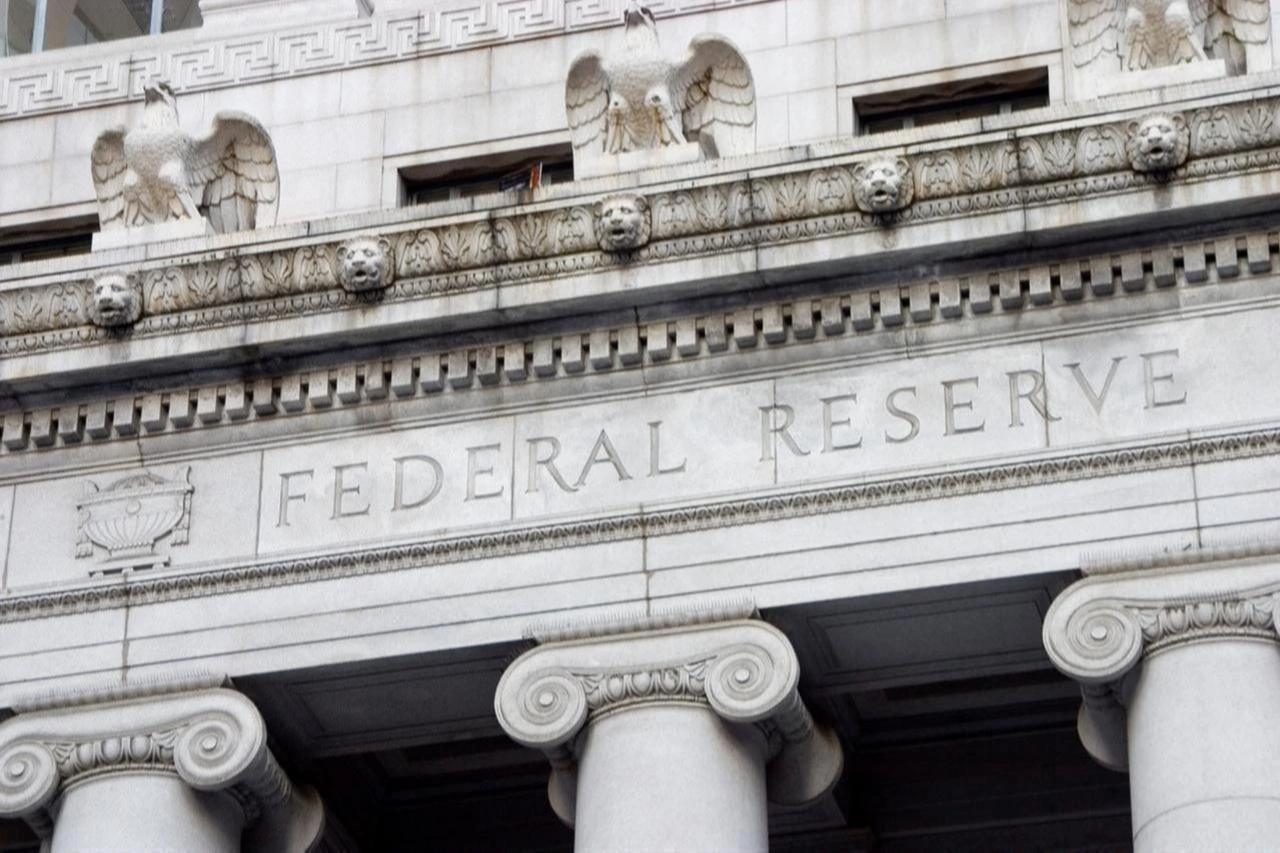

The Fed has a dual mandate to keep inflation near its long-term 2% target while ensuring maximum employment in the world's largest economy.
Its main tool to achieve this is setting the key interest rate.
Raising rates tends to constrain economic activity, while lowering them can spur employment but also risk higher inflation.
Wednesday's decision leaves rates unchanged, meaning nine policymakers saw the current rate as having the appropriate effect on economic activity.
In his few public appearances since taking office, Fed Chair Kevin Warsh has said the committee is committed to delivering price stability but has not elaborated on how it would do so or when it may intervene.
Other policymakers have been vocal in recent weeks about concerns over high inflation, which has remained above target for more than five years, and the potential need for rate hikes to combat it.
"Patience is running thin when it comes to inflation, and most, if not all, stand ready to act if inflation does not soon move back towards two percent," Gregory Daco, chief economist at EY-Parthenon, told Agence France-Presse (AFP).
Since March, inflation has surged to three-year highs in the wake of Trump's war on Iran, which has sent global energy and fertilizer prices sharply higher and pushed some of those increases into other goods.
Since taking over, Warsh has called for policymakers to engage in a "good family fight" when deciding interest rates.
At this week's meeting, he may have gotten what he asked for.
Regional Fed presidents Logan, Hammack and Kashkari were the three voting policymakers to dissent from the majority decision.
It is rare for that many Federal Open Market Committee (FOMC) members to vote against the majority.
They are not the only policymakers flagging the potential need to address inflation with rate hikes. Fed Governors Christopher Waller and Lisa Cook have also signaled concern in recent weeks.
"We may have a new chairman, but the old guard is now worried about where the economy has moved since the beginning of the year," said Diane Swonk, chief economist at KPMG, ahead of the decision.
The lower consumer inflation figure for June gave policymakers enough "room to breathe" for now, but with further price increases expected, Swonk said she was penciling in two rate hikes for later this year.
She warned that inflation can be "corrosive," hitting lower-income households harder than higher-income households, whose consumption has remained robust despite rising prices.
"It hits those who can afford it least the most," she said. "And it's moving up the food chain."


 Set as preferred source
 Set as preferred source


 1 min read

 1 min read