Newsletters


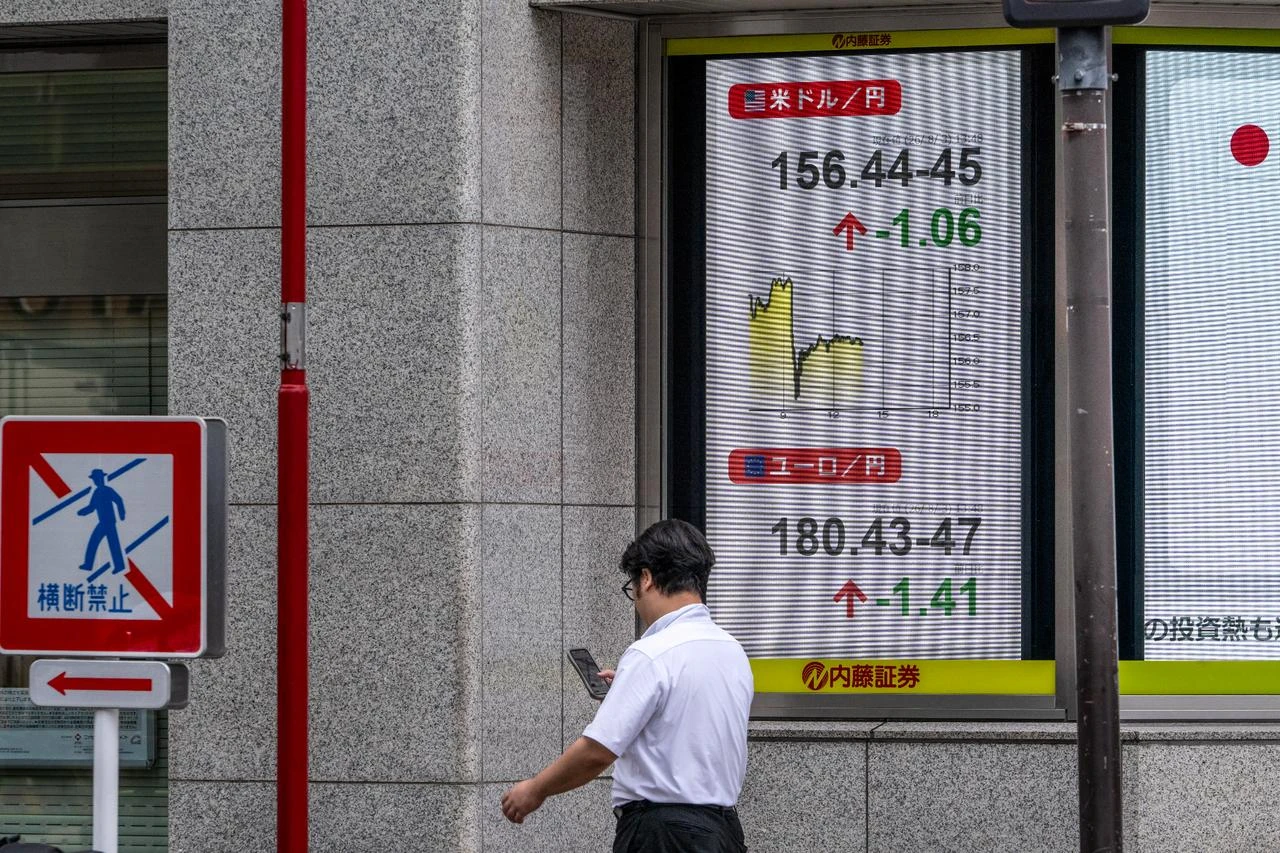


The United States and Japan carried out a joint market intervention to support the Japanese yen after it slid to its weakest level against the U.S. dollar in four decades, in the first coordinated yen-buying operation between the two countries since 1998.
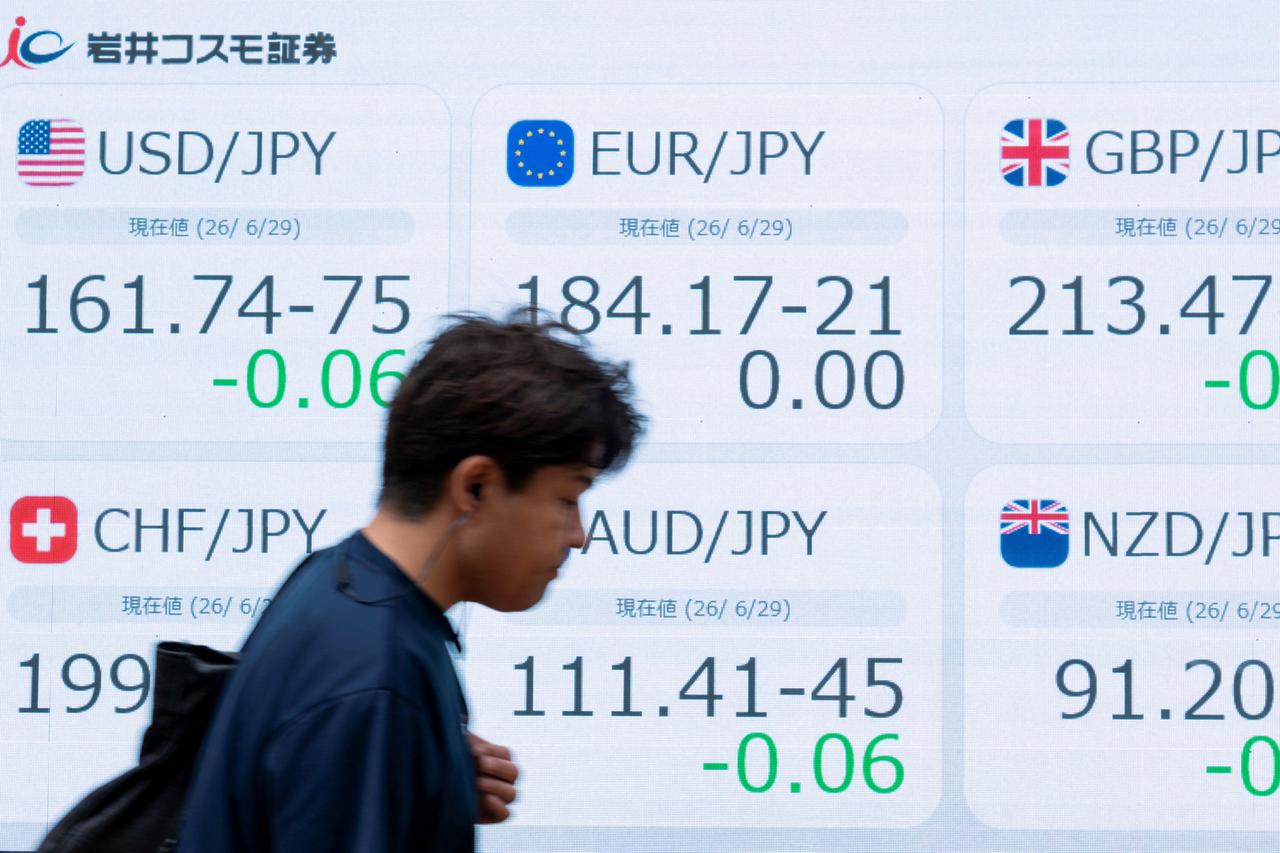
The yen recently hit 164 per dollar last Thursday, its weakest level since 1986. Following the intervention, the U.S. dollar/Japanese yen pair dropped to 157.58 on Friday before briefly touching an intraday low of 155.23 on Monday.
U.S. Treasury Secretary Scott Bessent confirmed that Washington joined Japan's intervention on Friday to curb sharp swings in the currency market, adding that further coordinated action remains on the table if needed.
"We strongly support Japan's decisive market and monetary steps to correct the substantial undervaluation of the yen," Bessent wrote on X, adding that the Treasury Department "will not hesitate to participate in further joint intervention."
Japan's Finance Ministry said the operation was intended to counter "excessive volatility and disorderly movements" in the yen, adding that Tokyo remains in close contact with Washington and stands ready to intervene again if necessary.
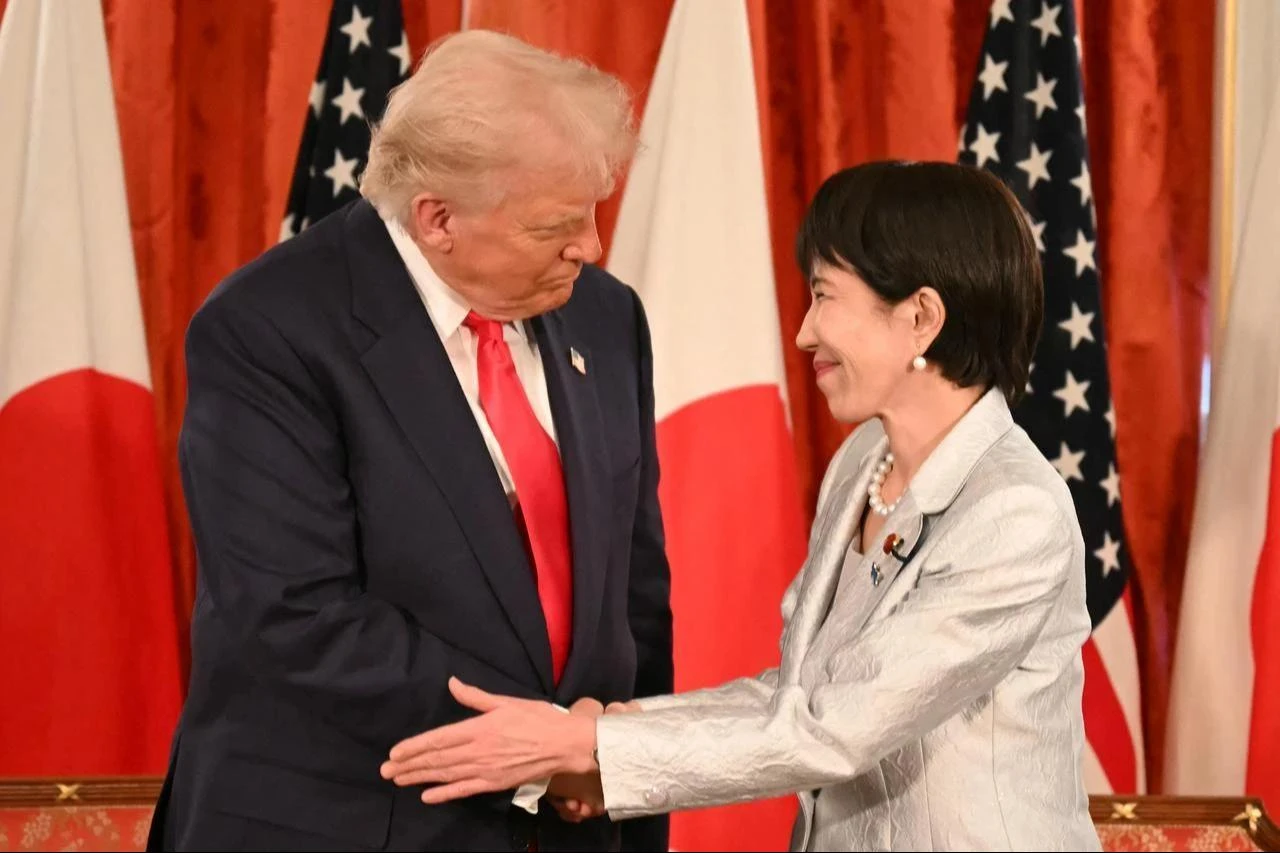
U.S. President Donald Trump also described the operation as "a signal of friendship" toward Japan. "They have a weakening yen, and they wanted a little bit of help. And we're always there for Japan," Trump told reporters aboard Air Force One.
The intervention would be "good for the world economy" and also benefit the U.S. financially, he argued.

Japan has stepped into foreign exchange markets repeatedly over the past three decades, although most operations were intended to weaken an overly strong yen.
In late April, authorities spent a record 11.73 trillion yen ($73.6 billion) to shore up the currency after it weakened beyond 160 per dollar as surging oil prices during the Iran conflict added to selling pressure.
While the U.S. and other G7 nations joined Japan in selling yen after the 2011 earthquake and tsunami, the latest action marks the first coordinated U.S.-Japan purchase of the Japanese currency since the Asian financial crisis in 1998.
The yen has remained under pressure largely because of the wide gap between Japanese and U.S. interest rates, which encourages investors to borrow cheaply in Japan and channel funds into higher-yielding assets abroad through the so-called carry trade.
Although the Bank of Japan raised its policy rate to 1% in June, the highest level in 31 years, it remains well below the U.S. Federal Reserve's 3.5% to 3.75% range, continuing to encourage capital outflows from Japan.


 Set as preferred source
 Set as preferred source


 1 min read
 1 min read