Newsletters


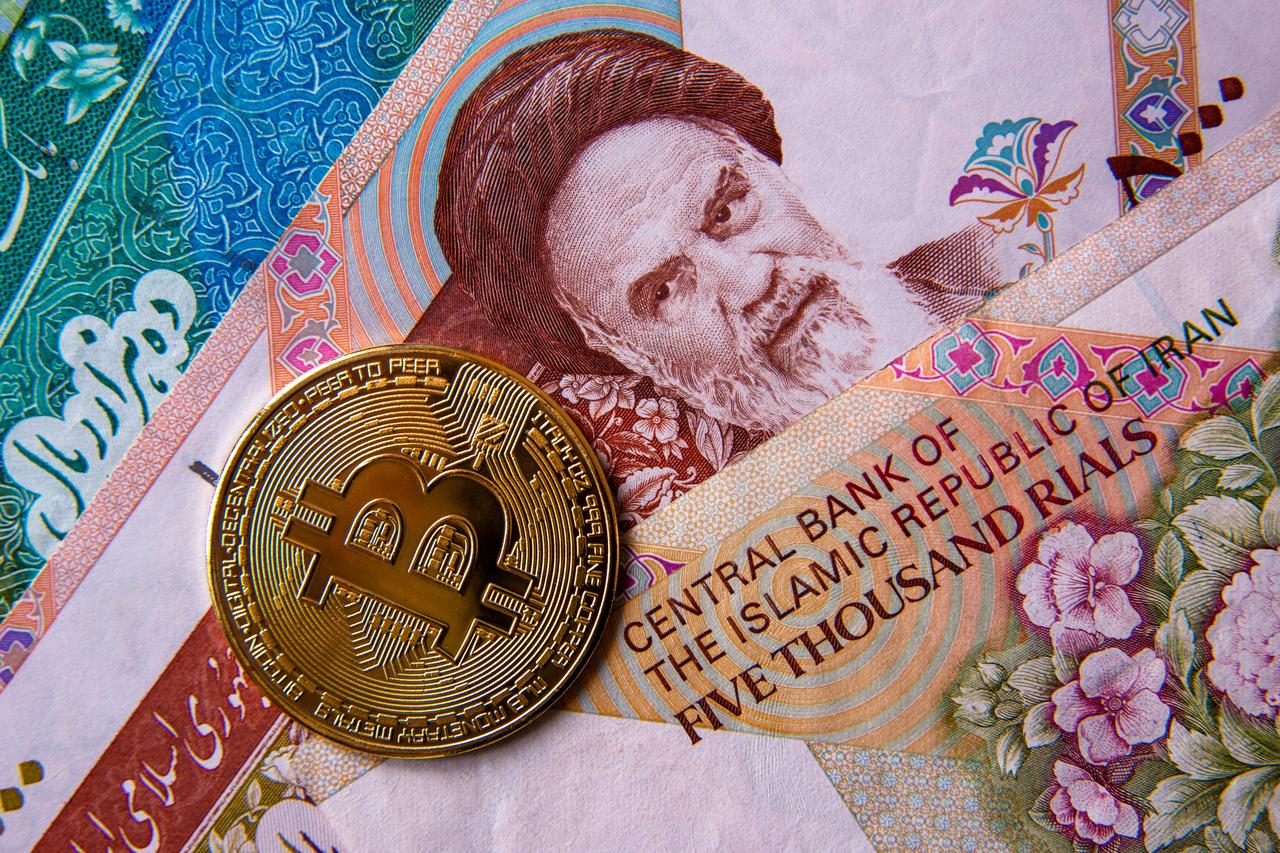


The U.S. has imposed sanctions on Iran’s largest cryptocurrency exchange, Nobitex, along with three other digital asset platforms, accusing them of helping Tehran bypass sanctions and move funds through the global financial system.
The measures were announced by the U.S. Treasury Department’s Office of Foreign Assets Control (OFAC) on Tuesday as part of its "Economic Fury" campaign against Iran. According to the department, Nobitex processed more than 50% of all digital asset inflows into Iran in 2025, making it the country’s dominant cryptocurrency exchange.
Nobitex sits at the heart of Iran’s crypto ecosystem, serving roughly 11 million users and recording about $5 billion in observed trading volume from 2025 to the present, according to TRM Labs.
Treasury accused the platform of facilitating transactions linked to the Islamic Revolutionary Guard Corps (IRGC), sanctions-evasion networks and wallets used by ransomware actors associated with the group.
According to the department, Nobitex helped the Central Bank of Iran access hundreds of millions of dollars in stablecoins and enabled Iranian officials to reach international crypto exchanges despite existing sanctions. Treasury also claimed the platform helped move funds out of Iran after U.S. military operations began, even during internet blackouts.
Several Nobitex executives were also added to the sanctions list, including Chairman and co-founder Amir Hossein Rad and CEO Seyed Ali Khoee.
The sanctions also target Wallex, Bitpin and Ramzinex. Treasury described Wallex as Iran’s second-largest digital asset exchange by trading volume, accounting for 12% of the country’s crypto inflows in 2025.
Bitpin handled about 10% of those inflows, while Tehran-based Ramzinex has processed more than $2.5 billion in transactions since its launch in 2018, according to the department.
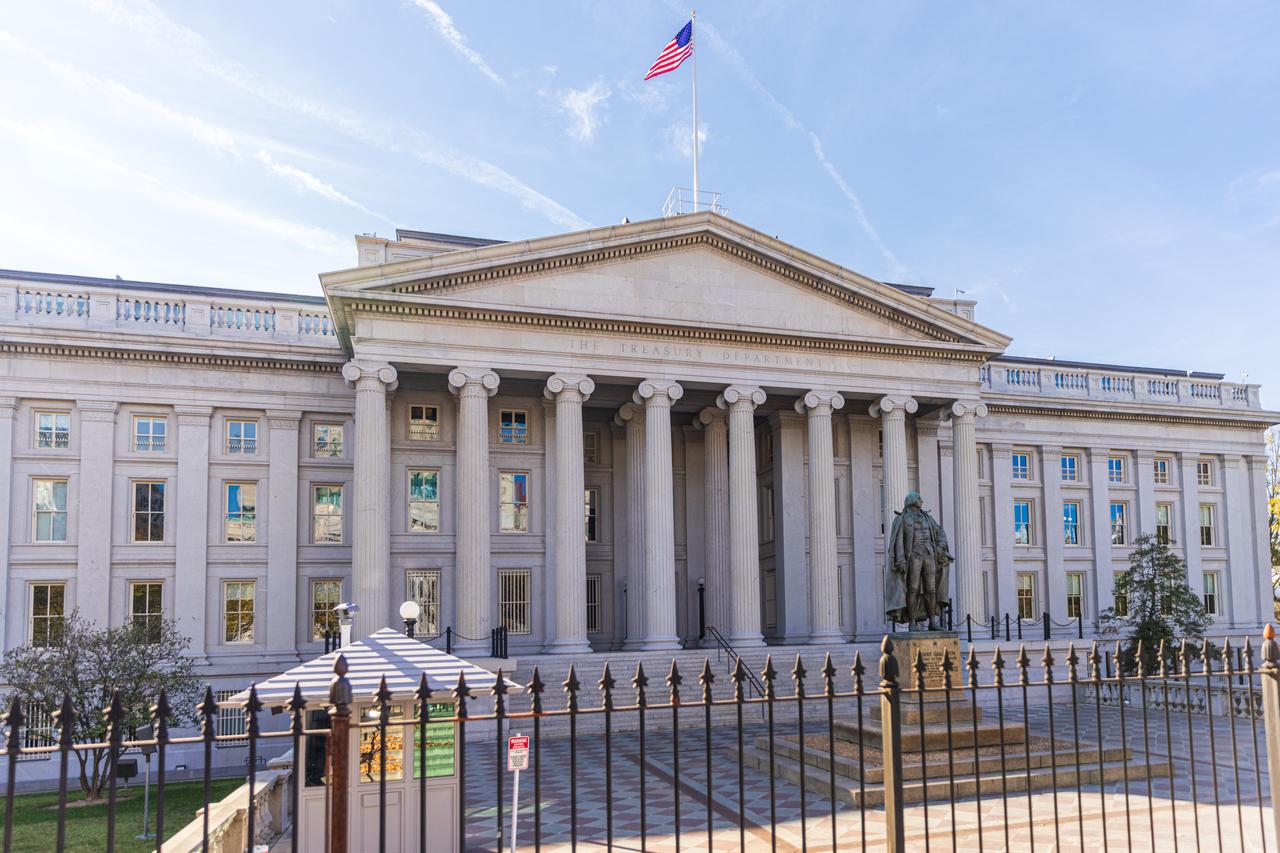

Treasury Secretary Scott Bessent argued that Iranian authorities have increasingly turned to digital asset technologies to move money and work around international restrictions.
"While Iran’s economy is in free fall, the regime has chosen to co-opt digital asset technologies for its own corrupt agenda, including evading sanctions and transferring wealth out of the country," Bessent said.
He added that Washington would continue tracking Iranian financial activity through both traditional banking channels and digital assets as part of efforts to prevent Tehran from developing a nuclear weapon.
The latest measures form part of a wider U.S. effort to restrict Iran’s access to revenue and international financial networks.
The department said it has already disrupted tens of billions of dollars in funds affiliated with the Iranian government and its proxies, including actions that led to the freezing of nearly half a billion dollars in cryptocurrency tied to the regime.
It warned that individuals, companies, and financial institutions that engage with sanctioned entities could face civil or criminal penalties under U.S. sanctions laws.
Under the sanctions, all property and interests in property belonging to the designated individuals and companies that fall under U.S. jurisdiction are blocked, and U.S. persons are generally prohibited from conducting transactions with them.


 Set as preferred source
 Set as preferred source


 1 min read

 1 min read