Newsletters


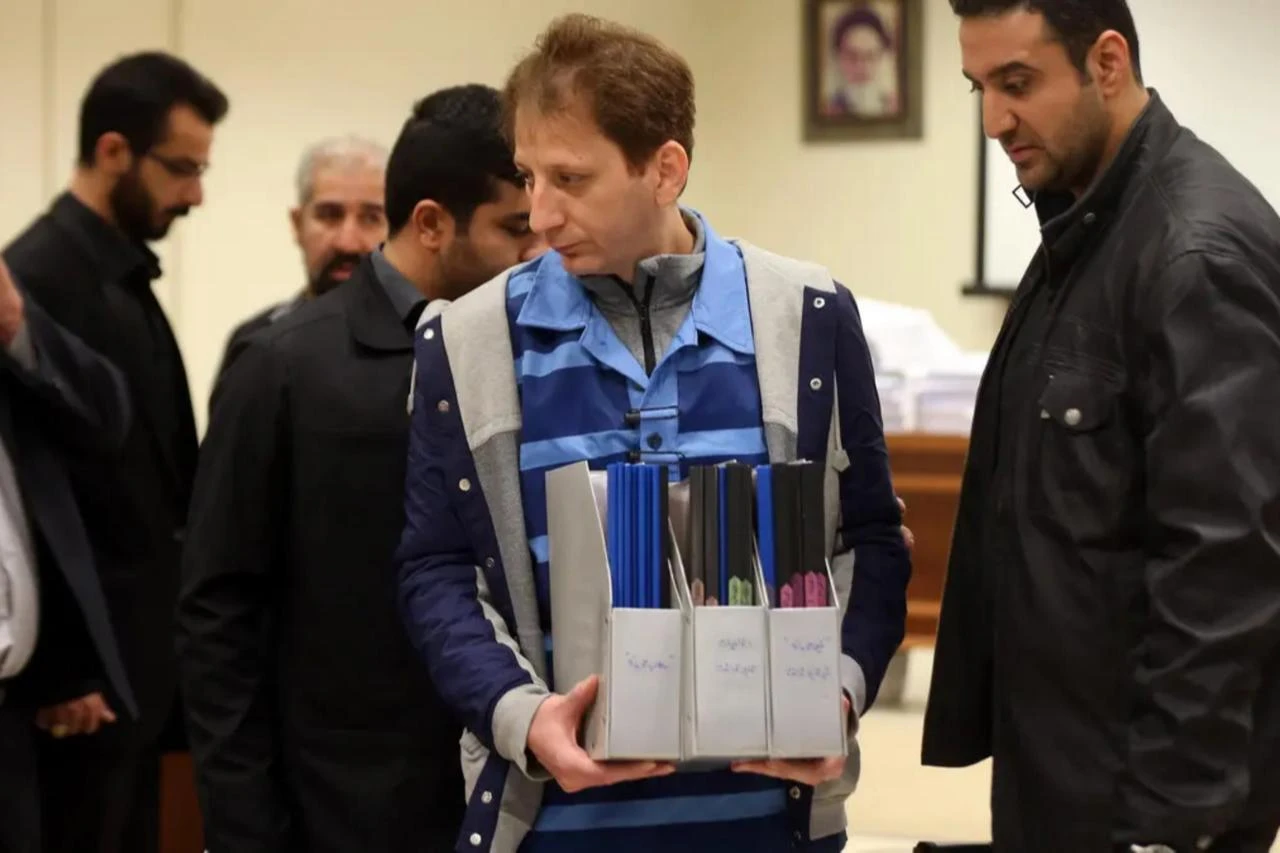


The U.S. imposed sanctions on Friday on four individuals and nine entities, including Turkish and United Arab Emirates-based companies allegedly tied to Iranian businessman Babak Zanjani's cryptocurrency exchanges, ZEDXION and ZEDCEX.
The Treasury Department said the businesses helped Iran move funds covertly through financial services, digital assets, gold trading, transportation and infrastructure projects while concealing ownership and laundering revenue.
The designated companies were accused of supporting Zanjani's previously sanctioned cryptocurrency exchanges, ZEDXION Exchange Ltd. and ZEDCEX Exchange Ltd., which OFAC blacklisted in January 2026 for facilitating financial transactions that benefited the Islamic Revolutionary Guard Corps (IRGC).
ZEDCEX, one of Zanjani's two largest digital asset projects, has processed more than $94 billion in cryptocurrency transactions since its establishment in 2022, according to blockchain analytics firm Chainalysis.
Among the companies sanctioned were Turkish payment services firm Zedpay Finansal Sistem ve Hizmetleri A.S., Dubai-based ZEDX DMCC, BZ Diamond DMCC, Dot One Information Systems L.L.C-FZ, Dot One Information Systems L.L.C, and Iranian firms Bonyan Rasaneh Ertebat Gostar, Pouya Tarh Pars, Saman Tejarat Barman Trading Co. and Saman Tejarat Barman Holding Co.
The Treasury also designated Mehdi Rezazadeh, identified as ZEDXION's chief executive officer, along with Hossein Shekarabi, Mohammad Hashemi and Mohammad Mehdi Shafiei, alleging they held senior roles in companies that enabled the network's financial operations.

According to the Treasury, the network used front companies across multiple jurisdictions to obscure the origin of Iranian funds and generate revenue through commercial activities, cryptocurrency services, precious metals trading, transportation and engineering projects.
Officials said the proceeds ultimately supported the Iranian regime and entities linked to the IRGC.
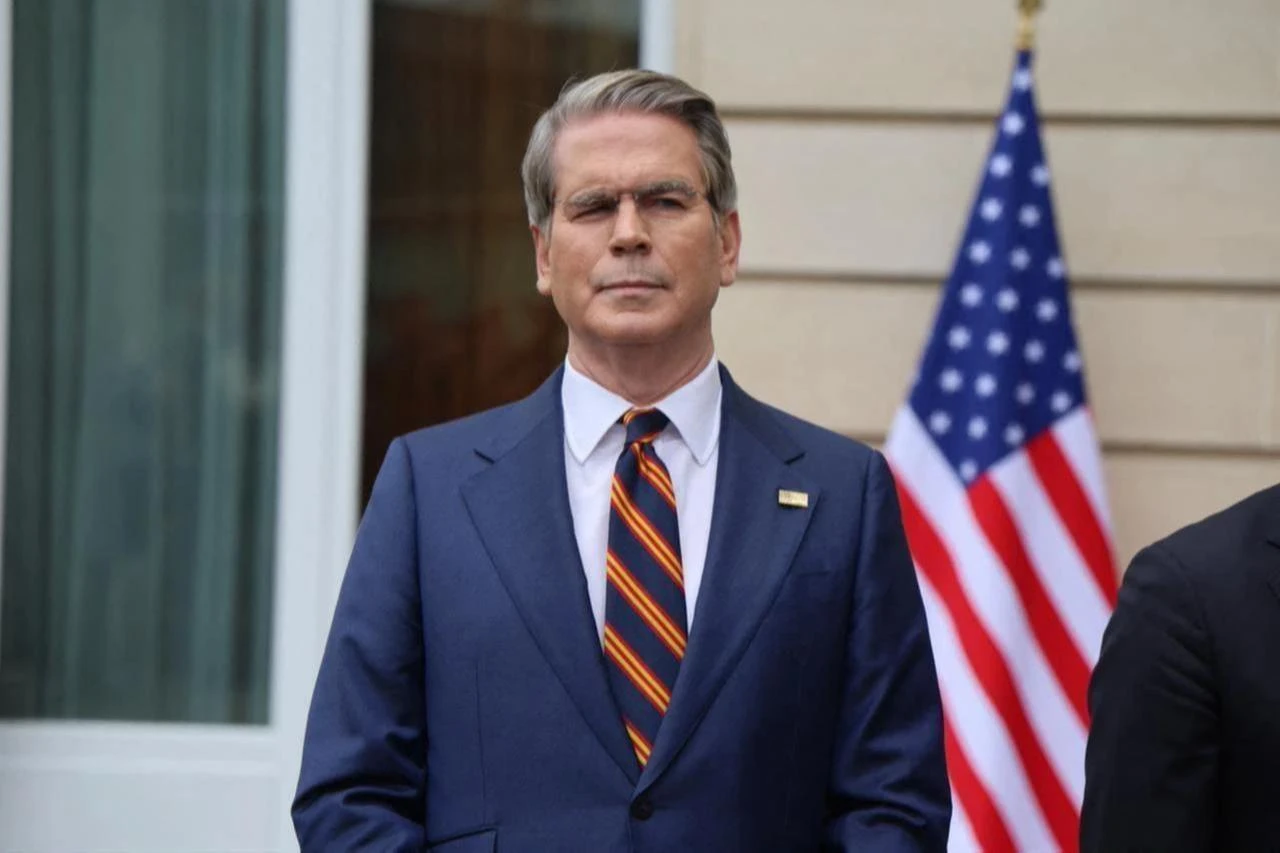
"The United States remains committed to exposing and dismantling the financial networks that enable the Iranian regime and its proxies to circumvent sanctions, generate revenue and fund malign activities," Treasury Secretary Scott Bessent said in OFAC's statement.
Zanjani, one of Iran's wealthiest businessmen, was sanctioned by the United States in 2013 for helping the Iranian government bypass international sanctions through an extensive network of companies and intermediaries.
He was sentenced to death in Iran in 2016 on corruption charges related to missing oil revenues, though his sentence was later commuted after authorities said he cooperated in recovering state assets.


 Set as preferred source
 Set as preferred source


 1 min read
 1 min read