Newsletters


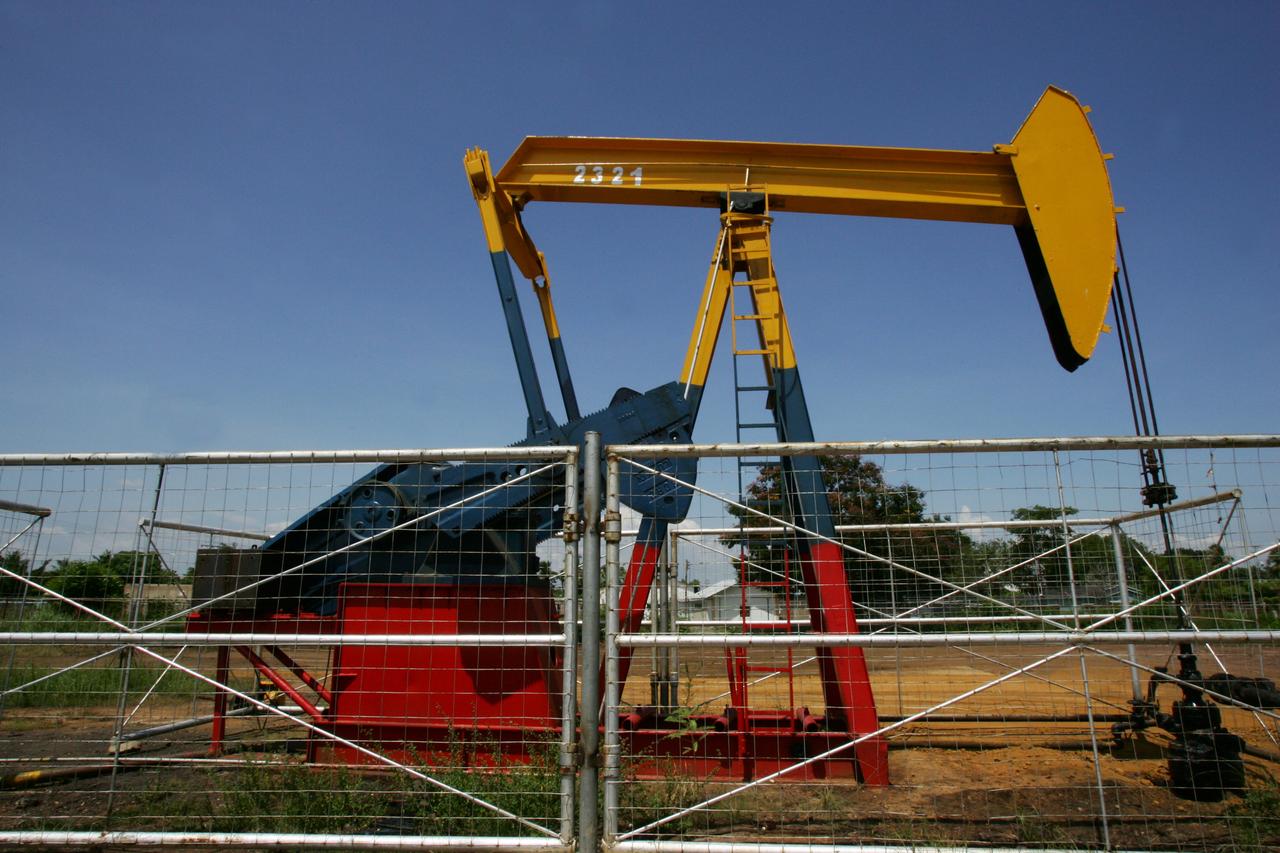


The White House unveiled key details of a major Venezuela oil deal on Monday, covering 17 oil fields with more than 65 billion barrels of proven reserves, as President Donald Trump said Washington will be "taking all of that" oil out and directing it to American refineries.
The agreement gives North American Blue Energy Partners (NABEP) 100-year concessions for the fields and plans to invest up to $100 billion in new Venezuelan oil infrastructure to ramp up production, according to the White House.
NABEP will give the U.S. Department of War’s Office of Strategic Capital a 35% stake in its parent company. The State Department will also have the right to buy 20% of NABEP’s current and future output at production cost, plus first refusal on the remaining 80%.
Trump told reporters in the Oval Office that Venezuela’s oil reserves represented "unbelievable value" that had remained untapped before the agreement.
"It was also a very good deal for Venezuela because you have the most powerful, the richest companies in the world going into Venezuela, where before it was just this unbelievable value that was sitting dormant," Trump said. "But we’re going to be taking all of that. We’re going to be taking that oil out."
Trump said the crude would be sent to the U.S. for refining, pointing to American refineries that are equipped to process Venezuelan heavy oil.
"Our refineries are specifically meant for Venezuelan heavy oil. Heavy oil is good thing, not a bad thing," he said. "It’s good for other things. You know that heavy oil is good for asphalt, roadways, all of that," he added.
Calling the agreement "a deal that nobody’s ever heard of," Trump said it was "maybe the greatest deal ever made" and claimed it would have "a tremendous impact" on prices. "It’s going to ultimately, prices are going to come down," he said.
However, an analysis by Swiss lender UBS assessed that the agreement is unlikely to have a major near-term impact on oil prices because any significant increase in Venezuela’s production will take years.
The bank noted that restoring output capacity will require large-scale investment, technical expertise, new transport infrastructure and a stable operating environment.
Trump described relations with Caracas as "great," calling the two sides "a team in a sense." He said millions of barrels would be sent to Houston, Louisiana and other destinations in the U.S. and abroad. "We’re making a fortune, and they’re making a fortune," he added.
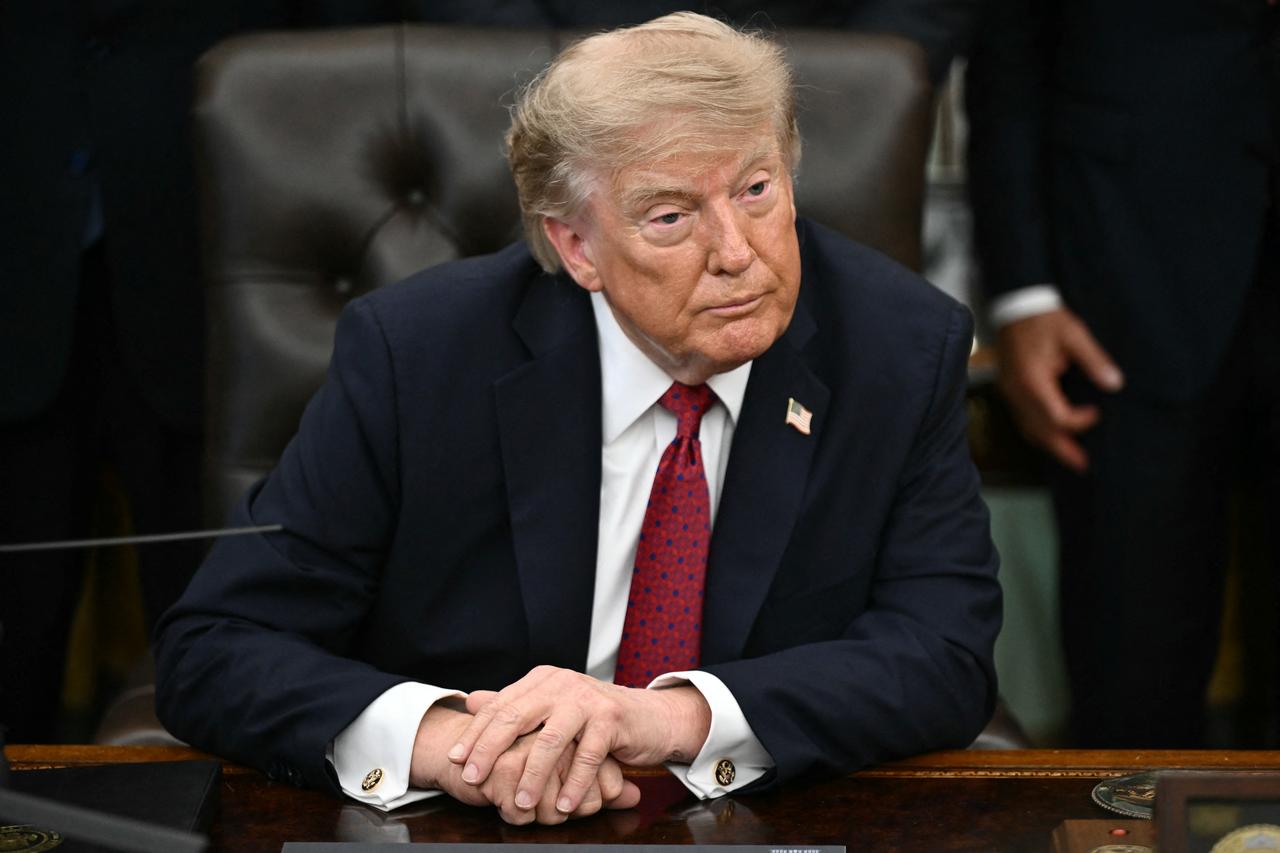

The agreement comes months after then-President Nicolas Maduro was captured by U.S. forces in January following a military operation and brought to the U.S. to face longstanding narco-terrorism and drug-trafficking charges in federal court in New York.
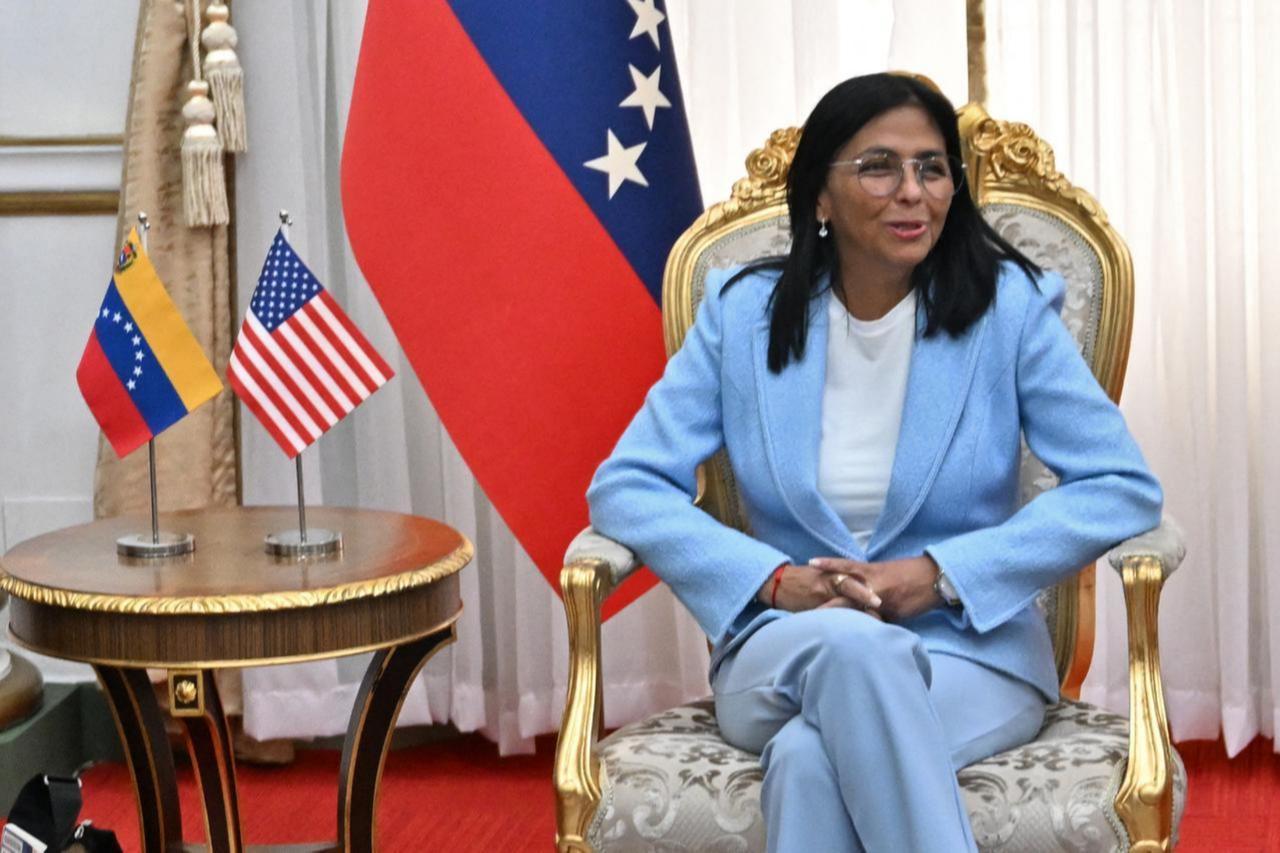
Since then, Vice President Delcy Rodriguez has risen to power as interim president.
Last week, Rodriguez defended the oil agreement with Washington, saying it will remain in effect for 25 years, cover 17 strategic oil fields and aim to raise Venezuela’s crude production to more than 1.5 million barrels per day. She also stressed that Venezuela will retain ownership and sovereignty over its natural resources.
Rodriguez said the broader energy plan could generate about $209.3 billion for Venezuela based on a benchmark oil price of $65 per barrel, with about $19 from each barrel produced and sold going directly to the country.
She also said Caracas plans to pursue additional agreements with major energy companies, including Chevron, Repsol, Eni, Shell and BP.
Venezuela has the world’s largest proven crude oil reserves, estimated at about 303 billion barrels in 2023, accounting for roughly 17% of global reserves, according to the U.S. Energy Information Administration.
Most of those reserves are extra-heavy crude concentrated in the Orinoco Belt, which requires specialized technology and infrastructure to develop.


 Set as preferred source
 Set as preferred source


 2 min read
 1 min read