Newsletters




Nineteen dollars.
That is what a barrel of Venezuelan crude nets the Venezuelan state under the agreement signed on Aug. 28, once the arithmetic clears the press releases and lands on something a ledger can actually hold.
Everything else in the deal—the 65 billion barrels, the "greatest oil deal in world history," the earnest talk of partnership—sits on top of that number like decoration on a cake nobody wants to eat.
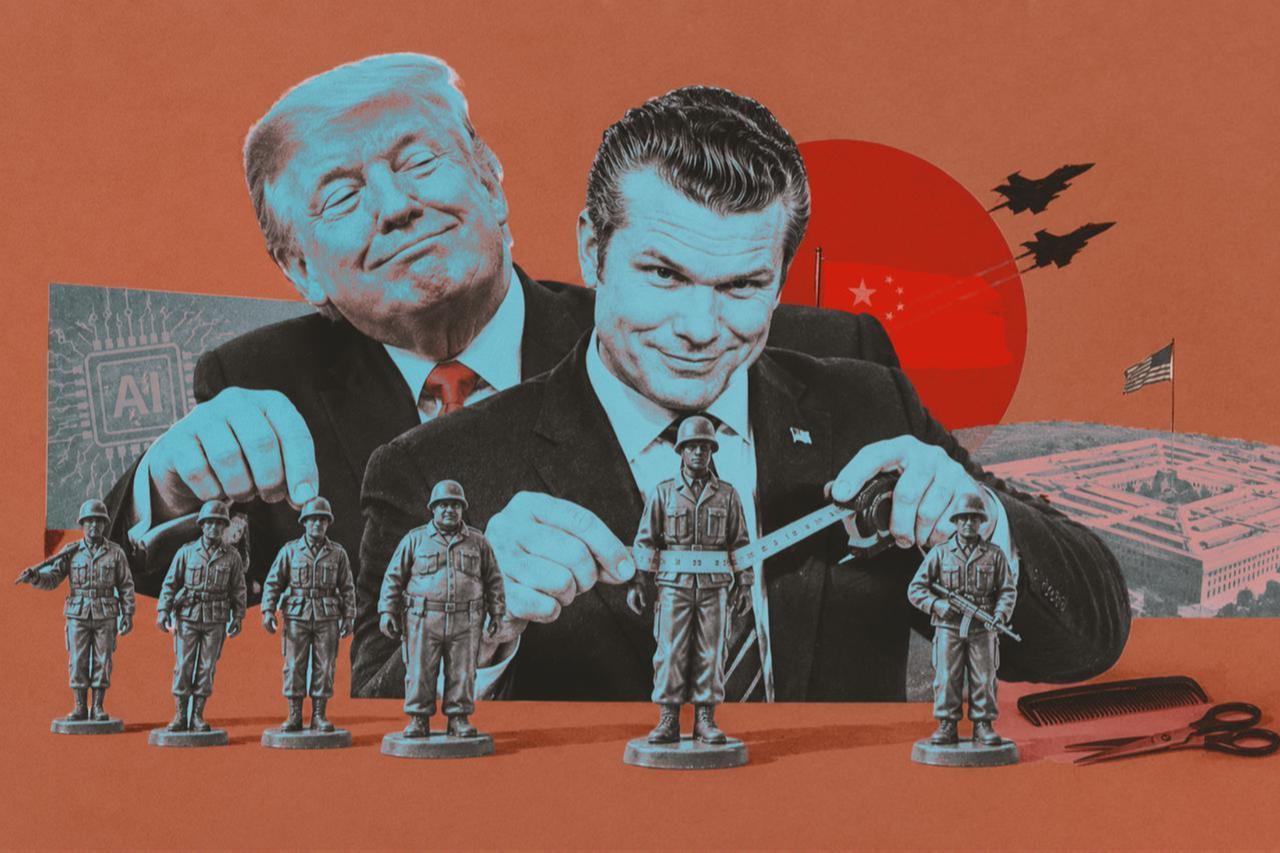
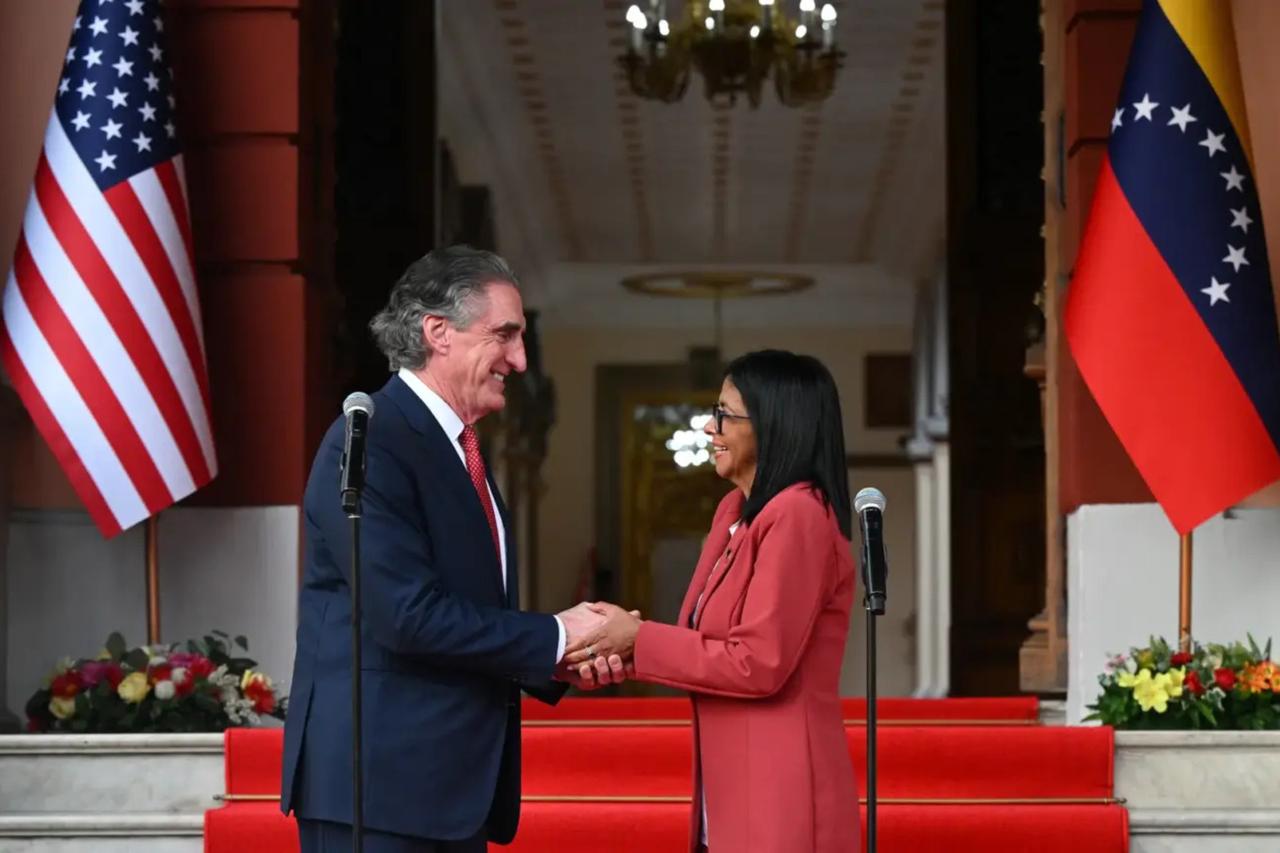
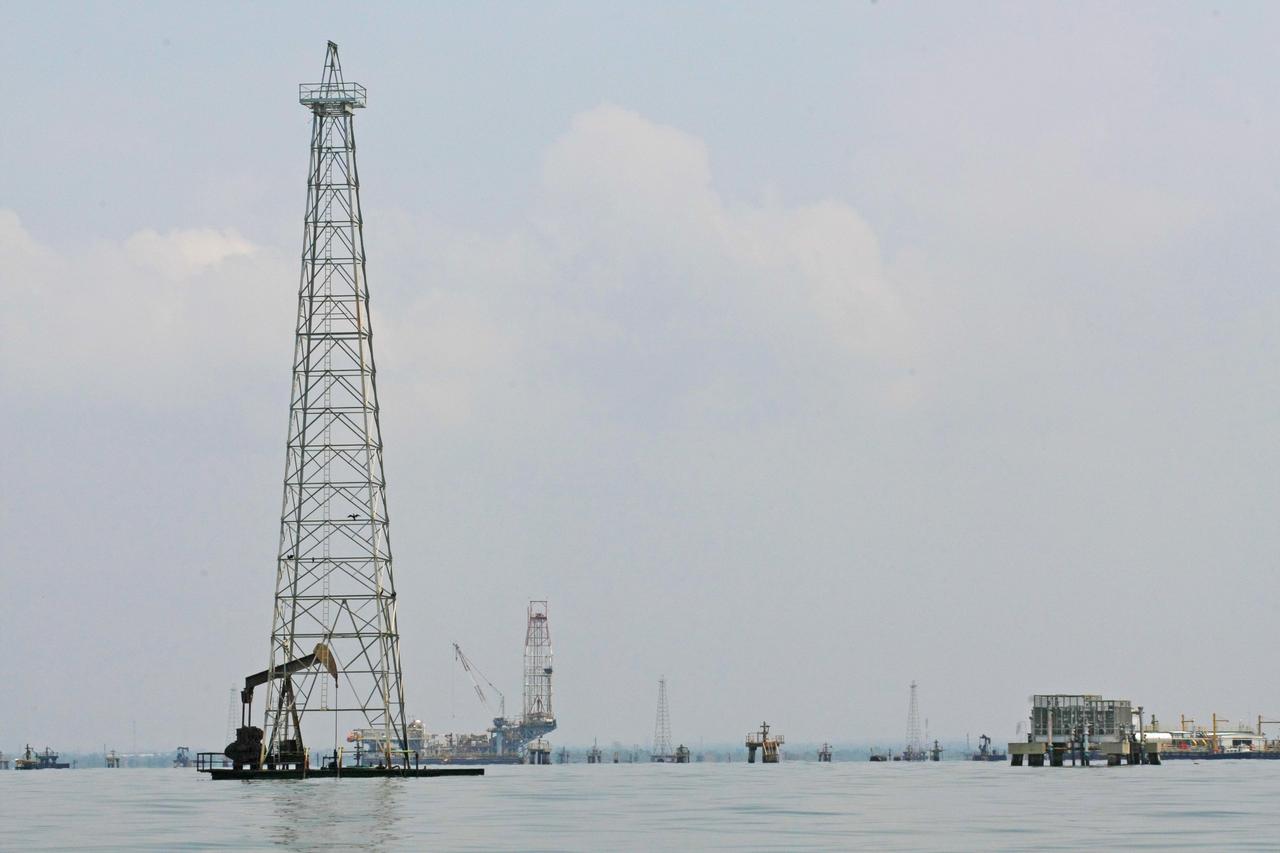
The agreement covers 17 strategic oil fields in Venezuela. Production at these fields was structured through a public-private partnership following negotiations led by U.S. Secretary of State Marco Rubio and Secretary of Defense Pete Hegseth.
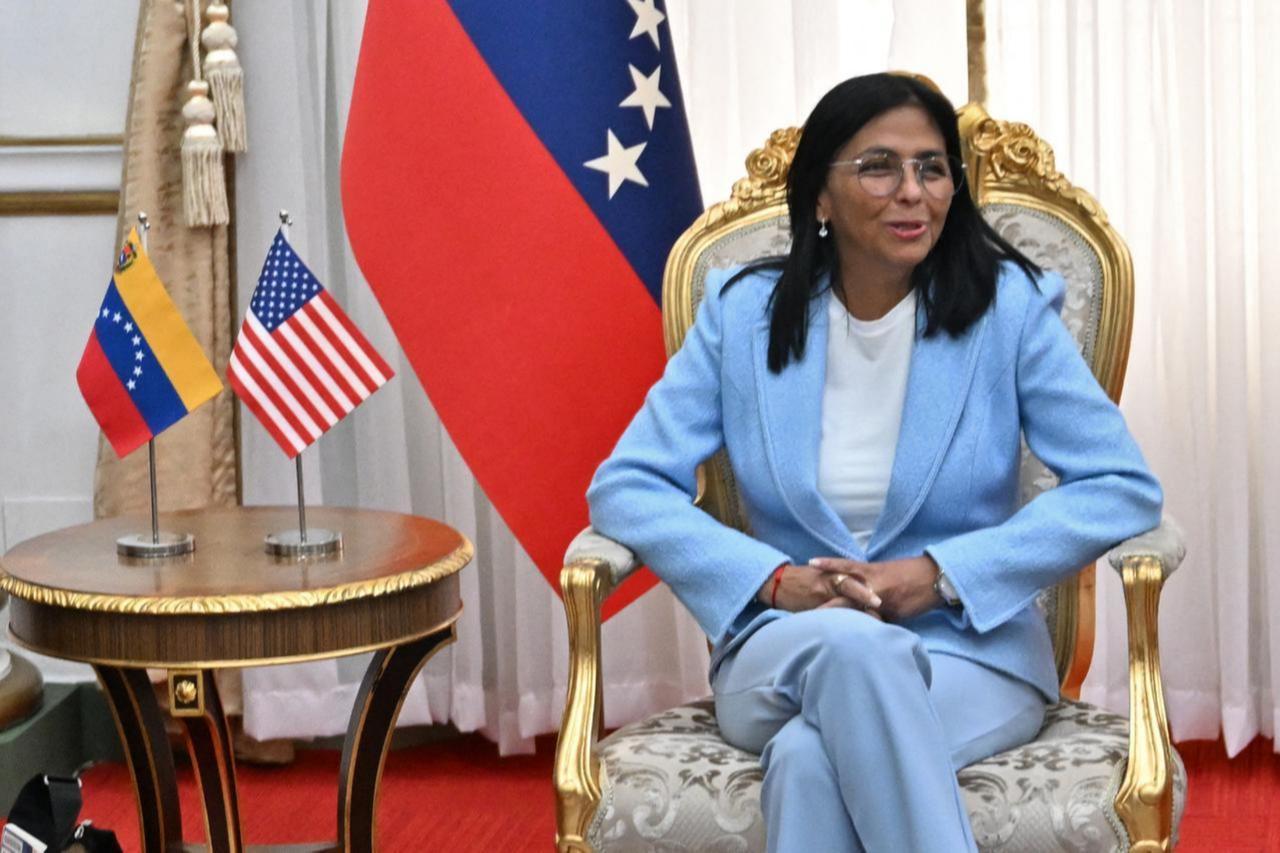
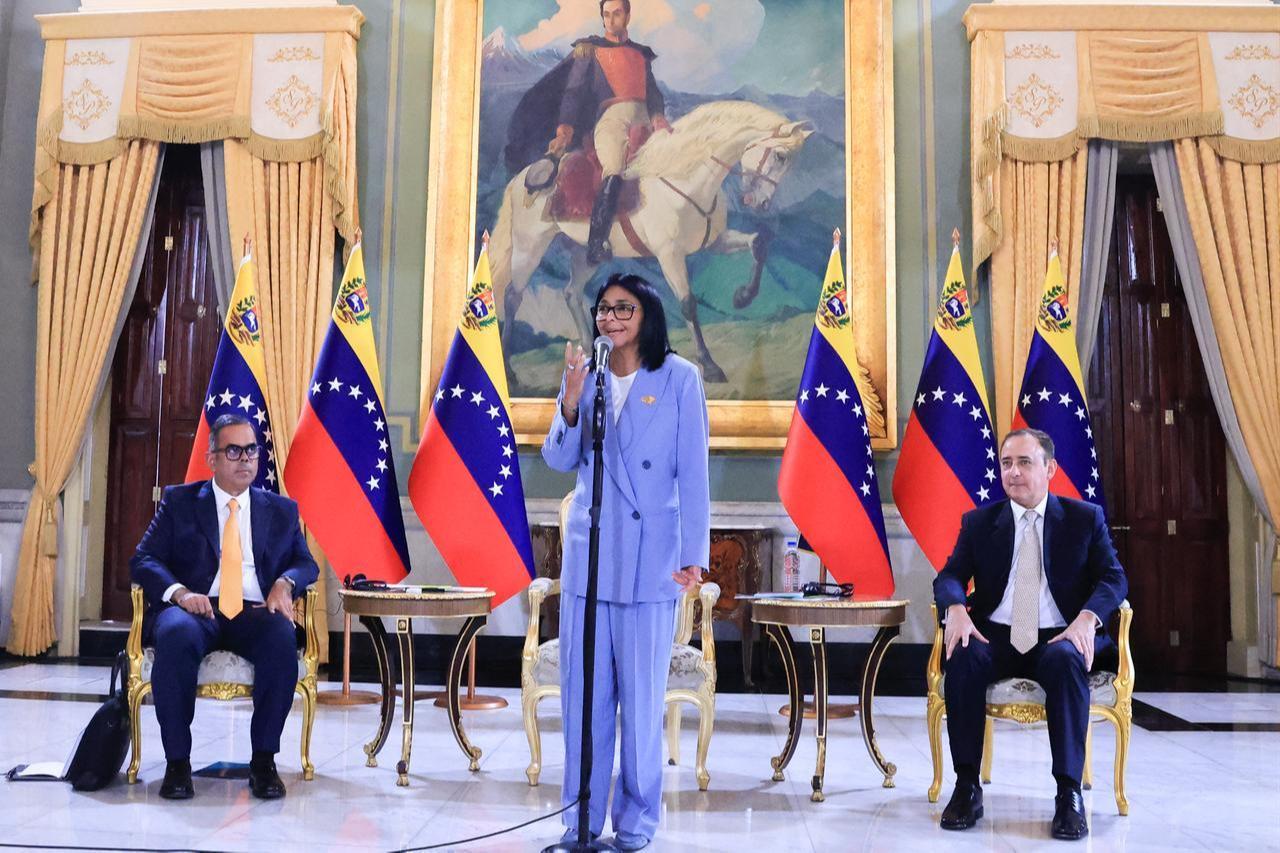
Venezuela’s de facto president, Delcy Rodriguez, argues that her country has not lost its ownership and sovereignty over its oil, and that foreign companies were granted only 25-year operating contracts. In contrast, Trump’s rhetoric paints a much sharper picture: he emphasizes that the U.S. has seized “majority control."
The difference between these two narratives is one of the most contentious aspects of the agreement, and the lack of transparency further deepens this uncertainty.
On the financial side, the figures are as follows: According to Rodriguez, the agreement will attract approximately $100 billion in private investment to Venezuela in the medium and long term; it will also generate a total of $209.3 billion in tax revenue for the state treasury, calculated based on a reference price of $65 per barrel.
However, while Venezuela receives approximately $19 for every barrel it sells, approximately 55% of production will flow directly to the U.S. through corporate partnerships and purchases at cost. These figures clearly reveal the power imbalance behind the rhetoric of “partnership.”

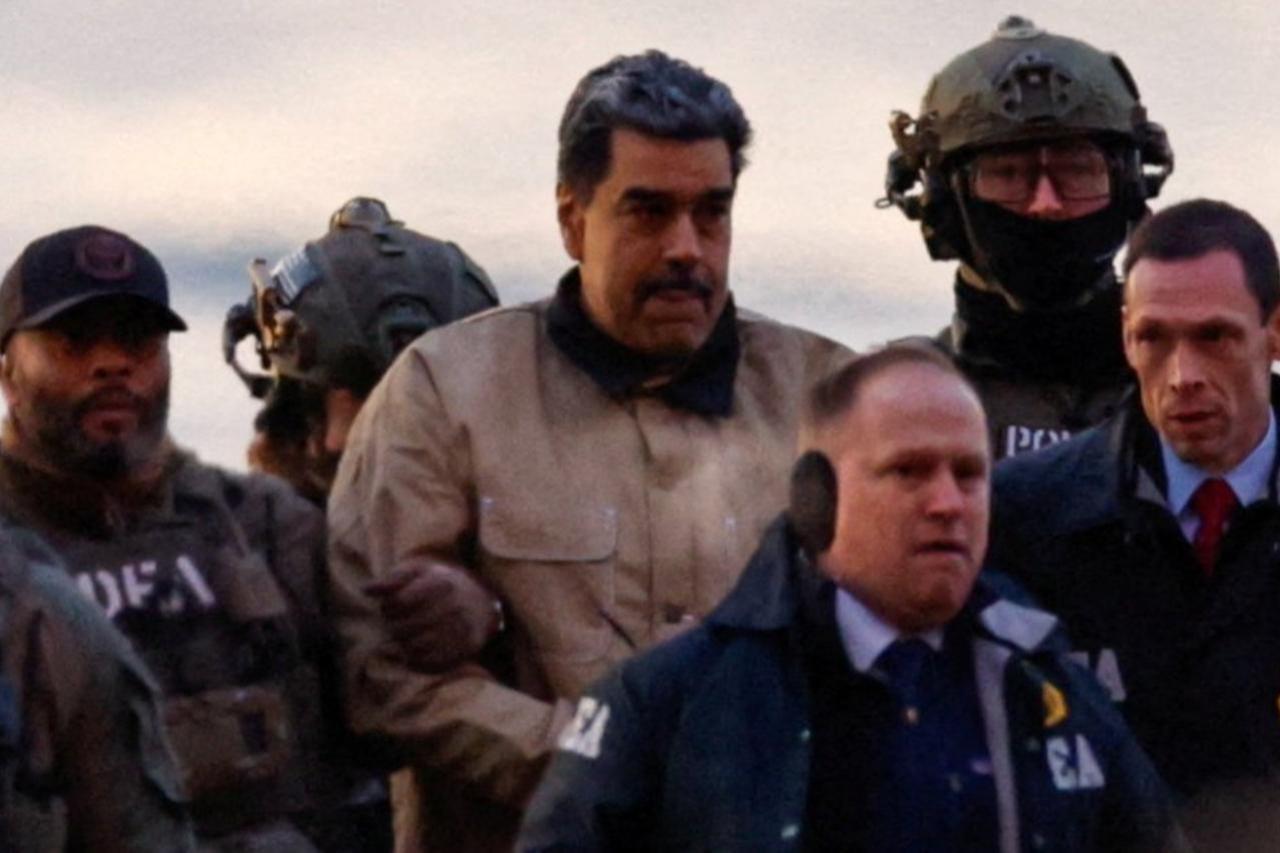
This agreement must be read within its context. In January 2026, the U.S. captured then-President Nicolas Maduro and his wife in a military operation and brought them to New York; the two are set to stand trial in 2027 on charges of drug-related terrorism and smuggling.
Following the operation, Washington effectively imposed an embargo on Venezuela’s oil exports, seized tankers, and forced the country to hand over its “sanctioned oil” to the U.S.
In other words, today's agreement is not the product of a classic commercial negotiation between equal parties; it took shape as the direct result of military pressure, a change in leadership, and an economic blockade. That context makes the framing of the deal as a "win-win" controversial from the very start.
From the Trump administration’s perspective, the timing is no coincidence. The conflict with Iran, which began six months ago, had driven up global oil prices, and the U.S. Strategic Petroleum Reserve had fallen to levels not seen since the 1980s.
With the midterm elections in November approaching, rising gas prices posed a serious domestic political risk for the Trump administration. The release of Venezuela’s reserves offers a convenient solution for both replenishing the strategic reserves and lowering domestic gas prices.
The reactions to the agreement within Venezuela are also far more complex than the optimistic picture painted in the headlines.
William Rodriguez, a longtime figure in the Chavista movement, described the agreement as “the greatest oil betrayal in history,” arguing that 22% of the country’s reserves were put on the table and that this amounted to holding the country’s future hostage.
Reactions from the opposition have also been harsh: At protests held in the streets of Caracas, demonstrators emphasized that sovereignty belongs to the people under the constitution and that Rodriguez lacked the legal authority to sign such an agreement.
Even Maria Elvira Salazar, a Cuban-American Republican member of Congress in Washington, objects not to the content of the agreement but to the signatory: In her view, a century-long commitment requires democratic institutions, the rule of law, and free elections, implying that Delcy Rodriguez’s administration lacks this legitimacy.
Experts in the energy sector, however, are issuing a more technical warning: While Venezuela was once able to produce over 2.5 million barrels per day, it now falls far short of that capacity. Given the collapse of the infrastructure, it will take years for an investment on the scale envisaged in the agreement to materialize on the ground.
It is also noteworthy that U.S. companies already operating in the region, such as Chevron, have refrained from commenting on the agreement; this silence is an indication of the sector’s cautious stance in the face of political uncertainty.
As I was writing these lines, I also spoke with my Venezuelan friends in Caracas; what they told me reflected a level of concern that went far beyond the official narrative.
According to them, this agreement is not a negotiation between two equal parties sitting at the table, but rather a situation that has effectively been imposed; they say that even though there are no troops in the country, a kind of de facto guardianship is in place where decisions are now made in Washington.
Above all, they are deeply troubled by the fact that, in a country with the world’s largest oil reserves, it is no longer the country itself but an external power that will decide who has access to these resources.
A friend of mine, referring to the concept of the “century of humiliation” in Chinese history, said that Venezuela is also experiencing its own “era of humiliation”; he believes that a foreign power, indifferent to the well-being of its people, has once again deprived the country of its wealth.
These firsthand accounts once again highlight the huge gap between the official narrative of the agreement in Washington and the sentiment on the streets of Caracas.
The U.S.-Venezuela oil agreement paints an attractive picture on paper for both sides: Washington gains access to a cheap and reliable energy source, while Caracas attracts a fresh wave of investment into its devastated economy. But when you dig beneath the surface of this narrative, the picture that emerges is far more nuanced.
On one hand, there is a government brought to the negotiating table through military intervention and sanctions; on the other, a structure in which revenue sharing is structured to significantly favor the U.S. This inevitably raises the question: Is this truly a commercial agreement signed between two sovereign states, or is it a new model of resource dependency for the 21st century?
Whether the legal text of the agreement will be fully shared with the public in the coming months, whether the Venezuelan National Assembly will be included in the process, and whether the investments will actually materialize on the ground—these factors will shape the answer to this question.
As someone who has been following Latin America’s energy geopolitics for a long time, I can say that history teaches us this: unless oil wealth is combined with a fair and transparent system of governance, it continues to be more of a burden than a blessing for countries.
We will see in the coming years whether Venezuela will truly benefit from this agreement.


 Set as preferred source
 Set as preferred source


 2 min read
 1 min read