Newsletters





Smartphones, wearables, connected cars, store cameras, and everyday apps constantly collect personal data. Artificial intelligence now makes it easier than ever to turn this data into detailed profiles of people, often without their knowledge or consent.
A report published on March 26, 2026, by the U.S. Government Accountability Office (GAO) identifies 10 distinct privacy risks arising when AI systems are used to collect data.
These risks include data persistence, which means collected information is hard to remove once it is captured. Another is data re-identification, where AI cross-references different datasets to identify people who were meant to stay anonymous.
There is also the aggregation of personal details, such as health metrics, location, and financial history, which allows AI to draw conclusions far beyond what any single source could reveal.
The report also flags the generation of deceptive outputs, including deepfakes, as well as the lack of transparency in how AI models make decisions based on personal data.


The scale of data collection is broad. Connected cars record speed, route, passengers and biometric signals such as facial expressions and heart rate.
Earbuds and fitness rings capture heart rate variability, blood oxygen and stress levels. Smartphones track location through GPS, cell towers, Wi-Fi and Bluetooth while logging app usage, communications and health data.
When consumers make purchases through digital payment systems, that transaction data also enters the commercial ecosystem.
Data brokers aggregate and sell this information, making it available for purchase by corporations and governments.

Users of apps and devices typically agree to lengthy terms-of-service agreements that grant companies permission to collect and sell their personal data.
Critics argue this form of consent is not meaningful, as it is a condition of using the service rather than a genuine choice.
The commercial data market mostly operates without federal regulation. Data brokers sell personal information collected from many sources, including government agencies.
These agencies use purchases to access information they would otherwise need a court warrant to obtain. Legal experts say this practice circumvents Fourth Amendment protections against unreasonable search and seizure.
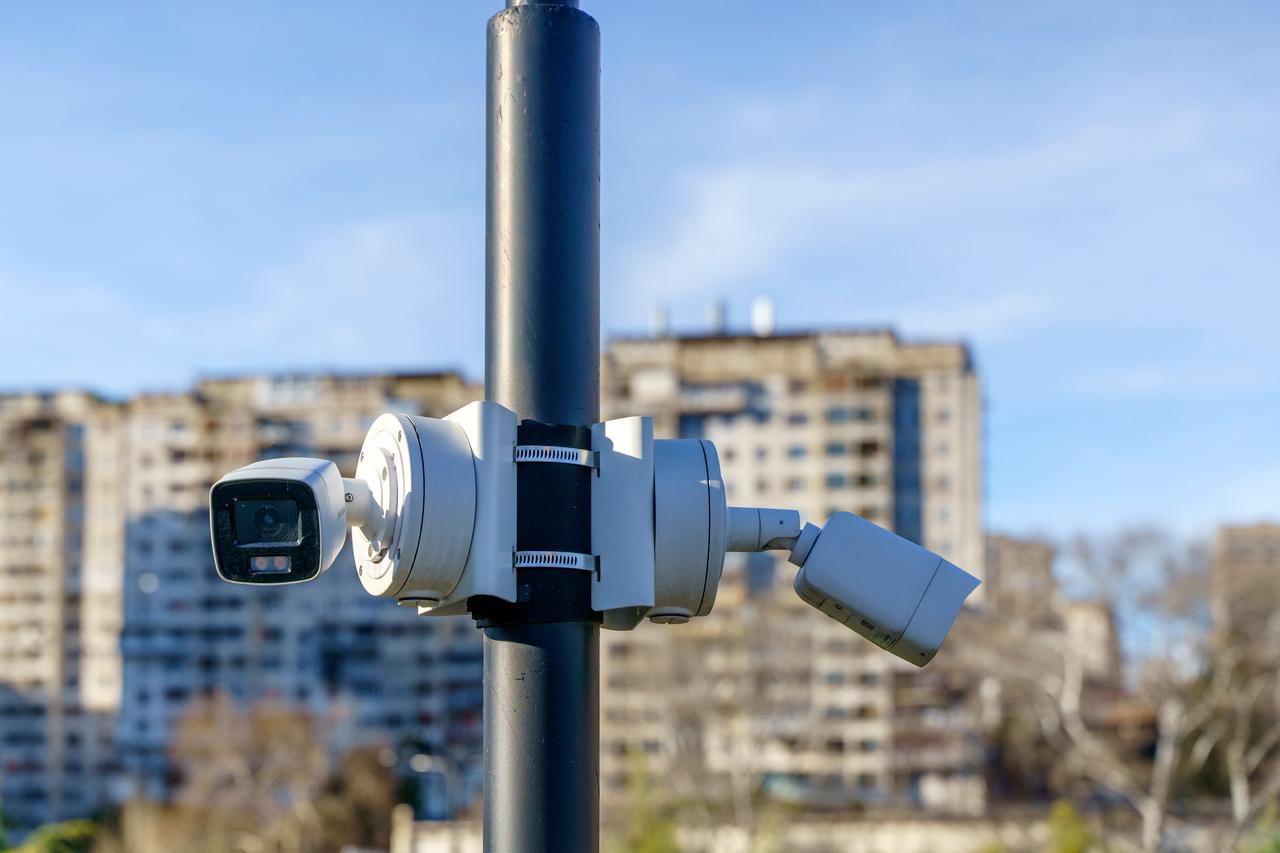
The use of AI systems intensifies these risks. Platforms can now detect sentiment and emotion in social media posts.
Predictive tools build geospatial heat maps from aggregated incident data. Facial recognition is deployed at retail locations and public spaces.
The GAO report also points to larger challenges in protecting privacy. It notes that AI can repurpose data, make inferences, and work without users knowing, which makes each of the 10 risks even more serious.
Congress has so far not passed comprehensive federal data privacy legislation, leaving individuals with limited legal recourse when their data is collected, aggregated, or sold.


 Set as preferred source
 Set as preferred source



 2 min read