Newsletters


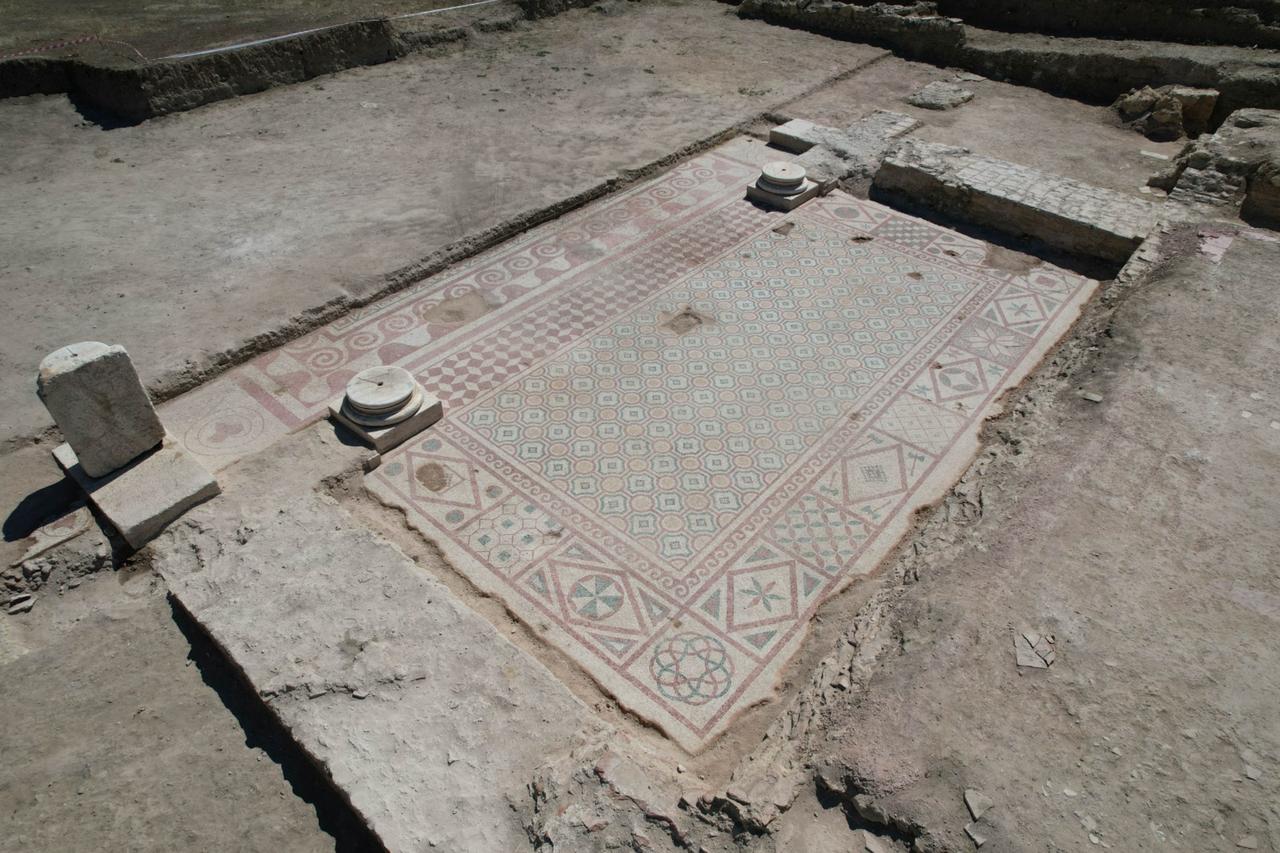


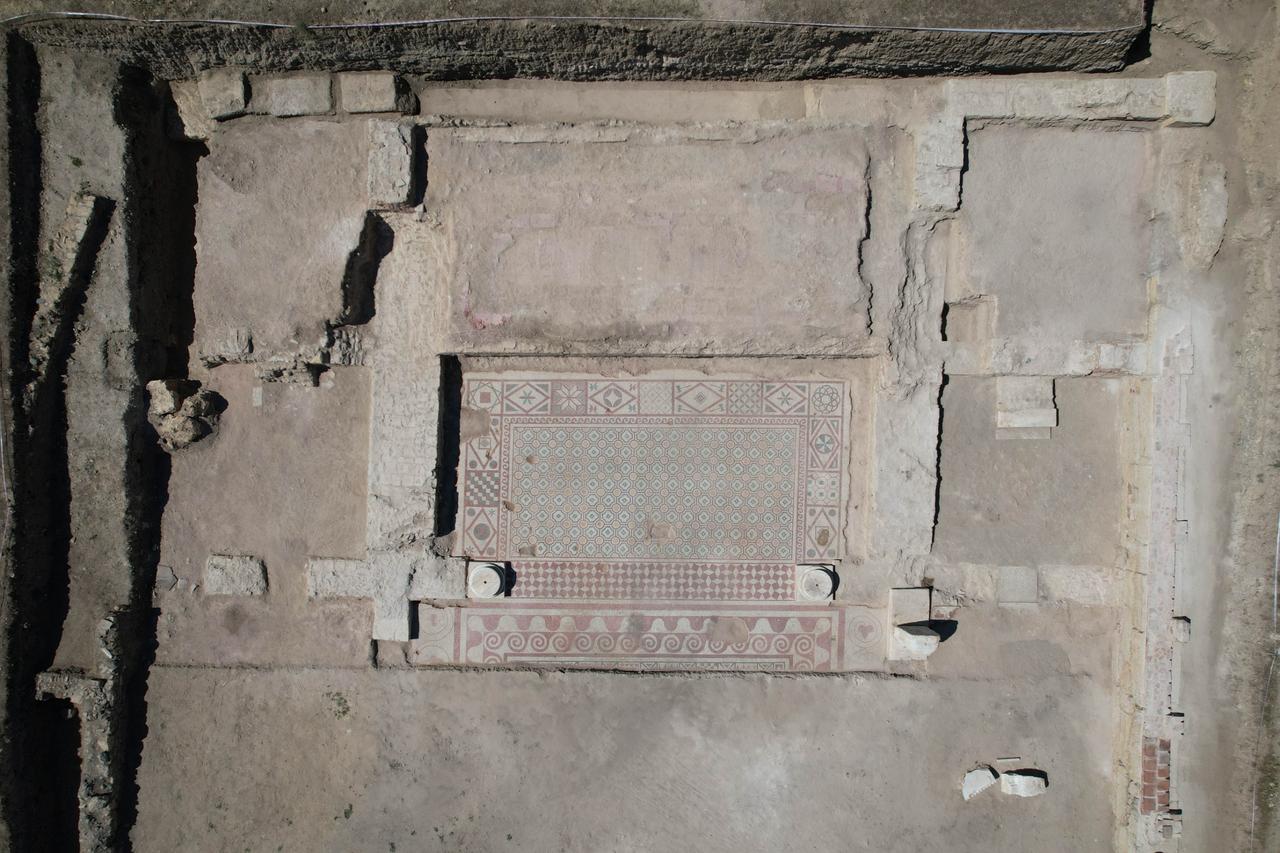
A well-preserved floor mosaic covering about 105 square meters and dating back to the fourth century A.D. has been uncovered at the ancient city of Pompeiopolis in northern Türkiye, while excavations have also brought to light an Eros head from the second century A.D.
Culture and Tourism Minister Mehmet Nuri Ersoy announced the discoveries from ongoing excavation, documentation and conservation work at Pompeiopolis, located in the Taskopru district of Kastamonu.
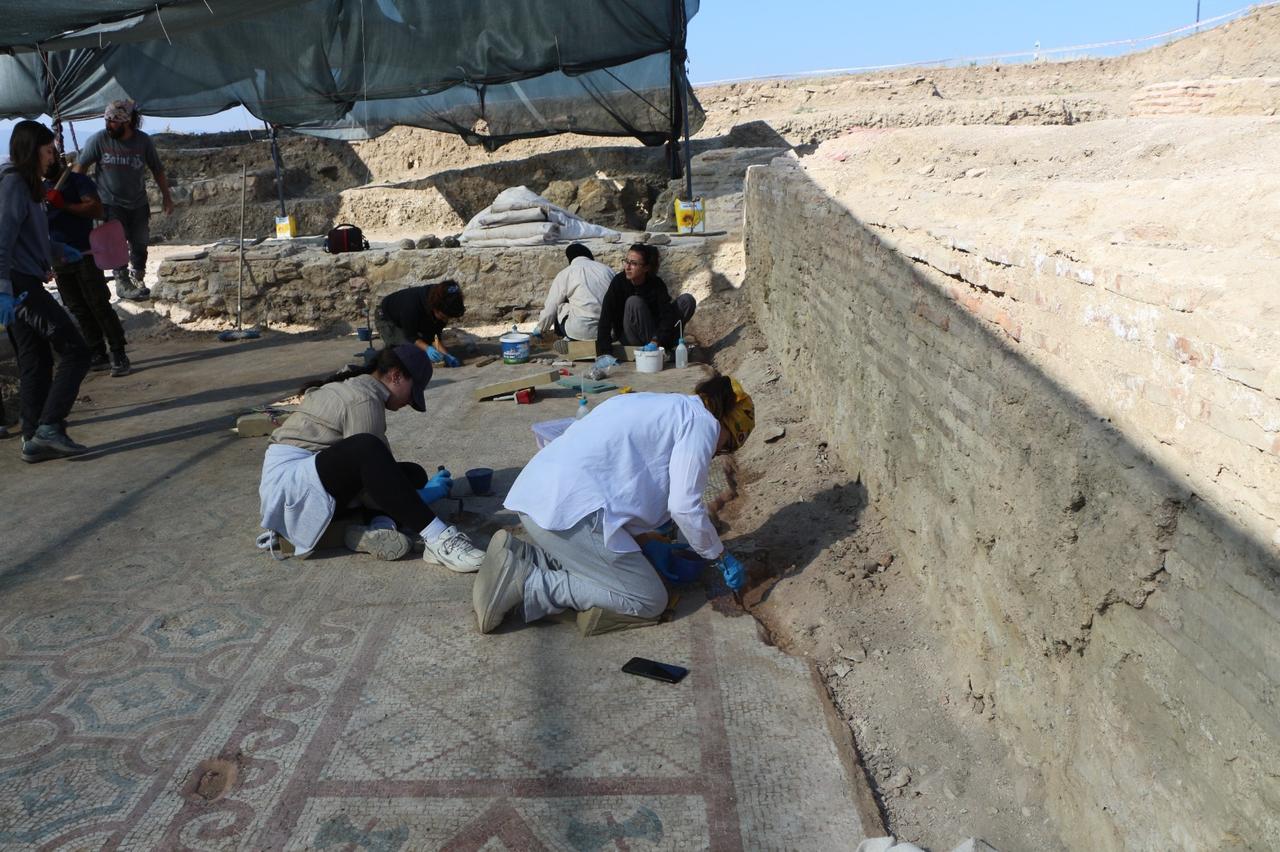

The mosaic was found in the central nave, the main longitudinal section of the basilica, and consists of different geometric compositions. Ersoy said archaeologists have not yet uncovered the entire mosaic pavement.
"We uncovered approximately 105 square meters of well-preserved floor mosaics dating to the fourth century A.D. and made up of geometric compositions," Ersoy said, adding: "Our excavations are continuing."
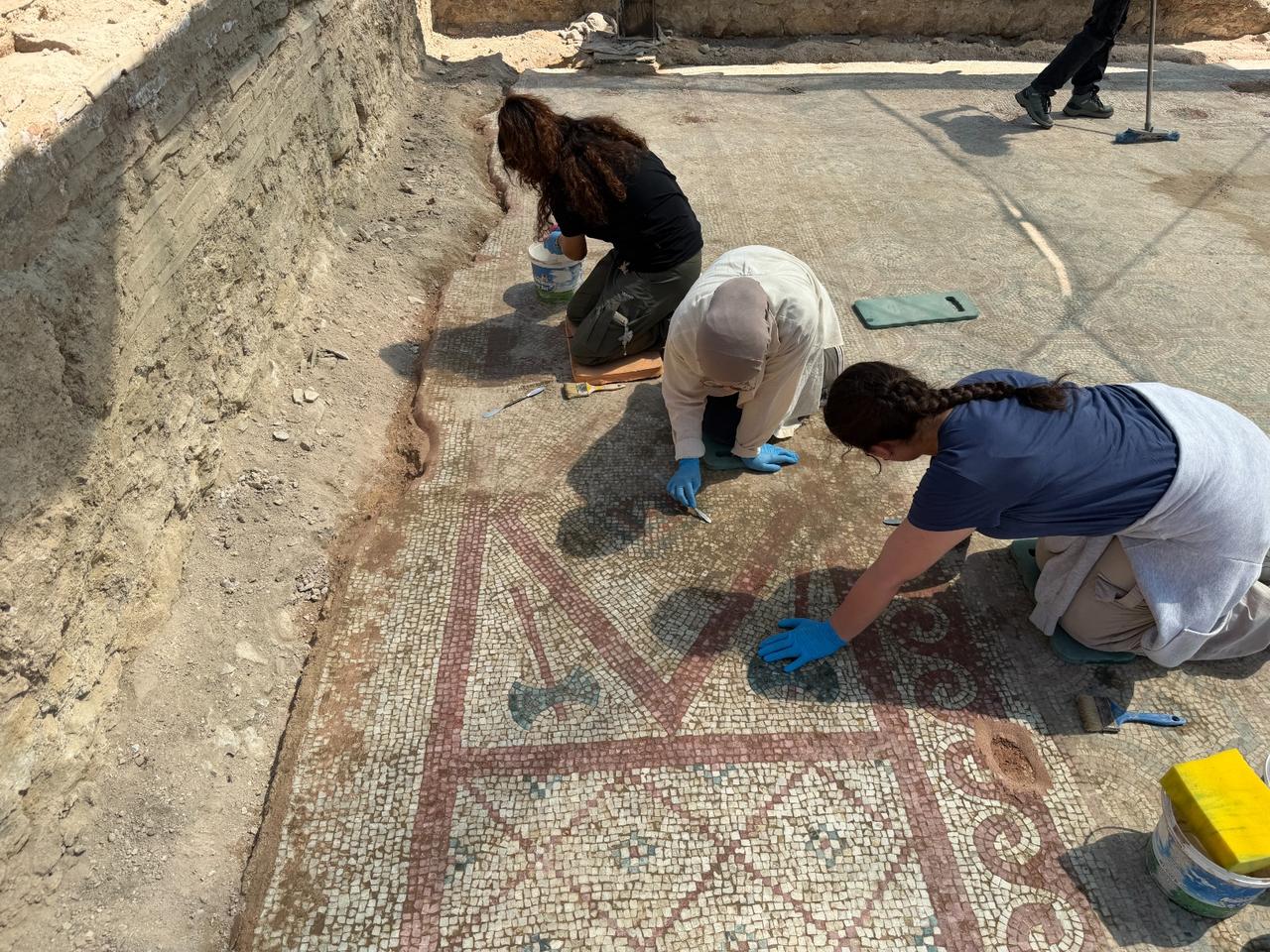
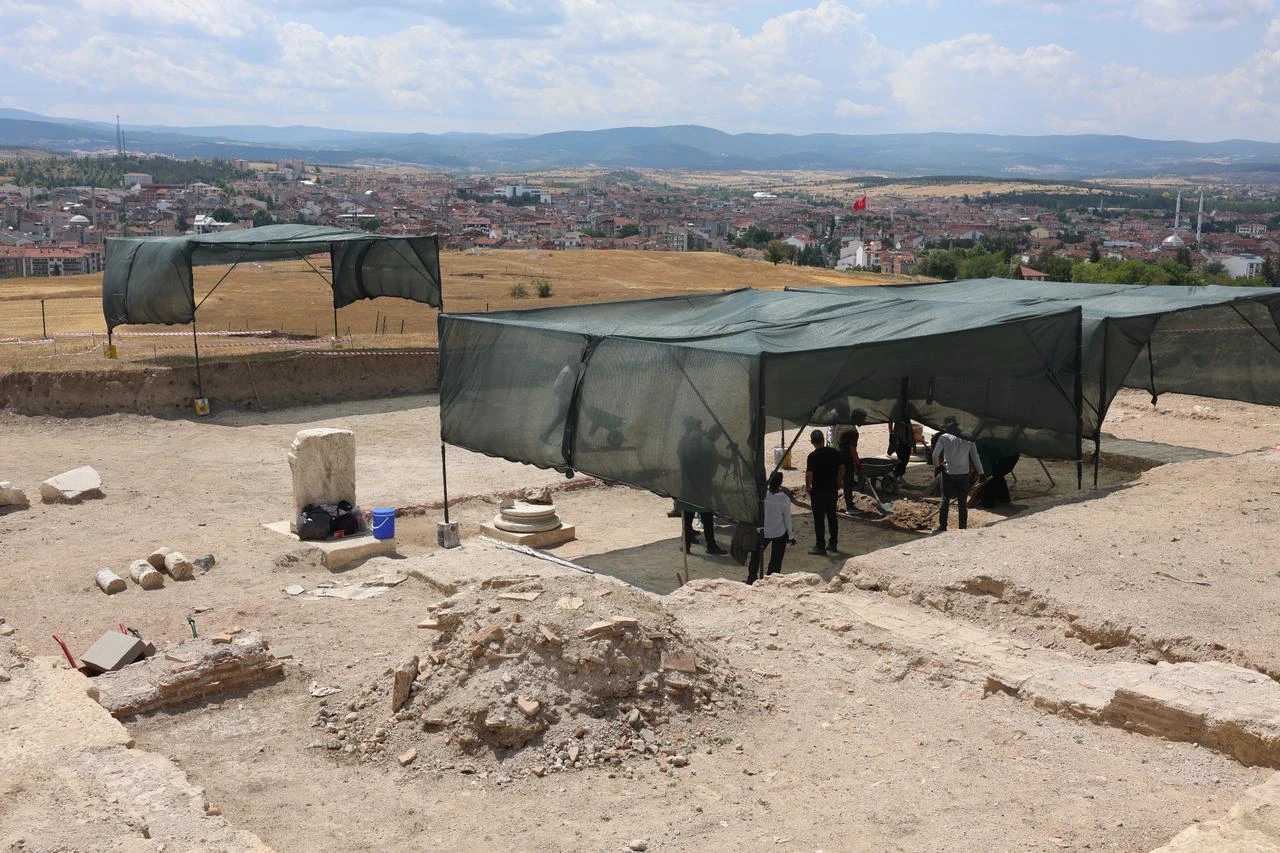
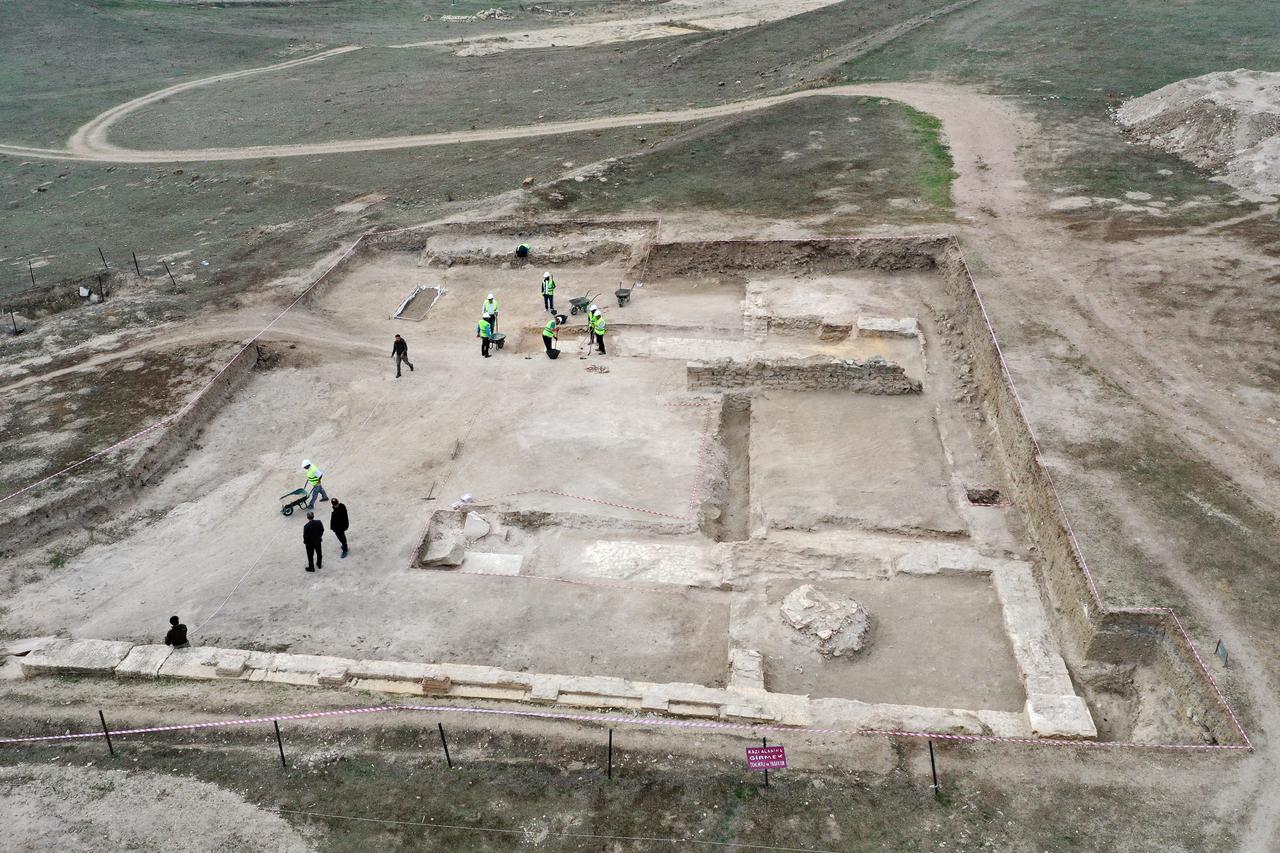
Excavations at the basilica, which first began in 2025, have continued throughout the 2026 season as researchers work to trace the building's development from the Roman Imperial period into Late Antiquity.
Pompeiopolis was an important center and provincial capital in the Paphlagonia region during the Roman Imperial period.
Based on the building's architectural characteristics, stratigraphic evidence and finds uncovered during the excavations, researchers assess that the basilica's first construction phase dates back to the second half of the second century A.D., around A.D. 150-160.
The structure later underwent significant architectural and functional changes, while the fourth-century mosaics uncovered in its central nave belong to a later stage of its history.
Conservation work on the exposed mosaic sections has already been completed to help preserve their current condition, although excavations are still moving forward to uncover the remaining parts of the pavement.
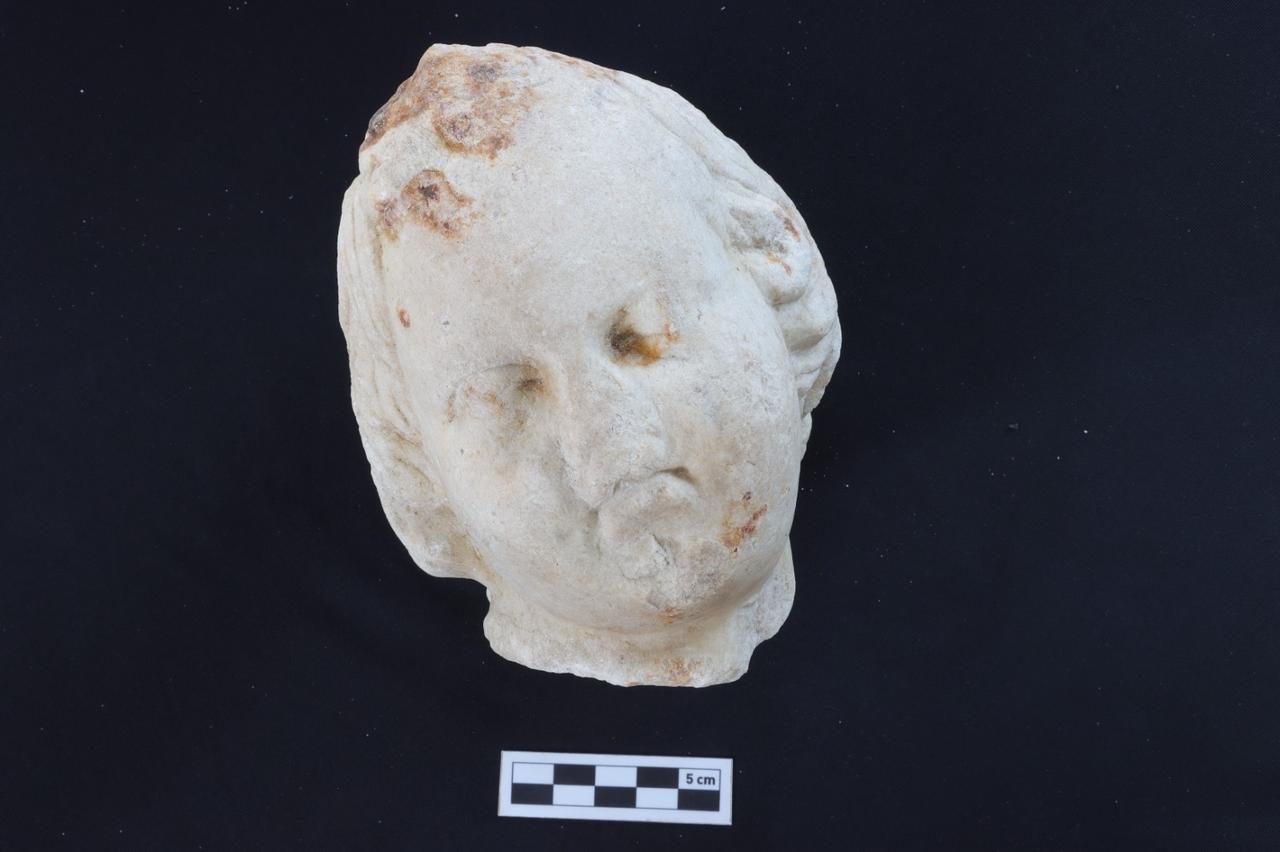
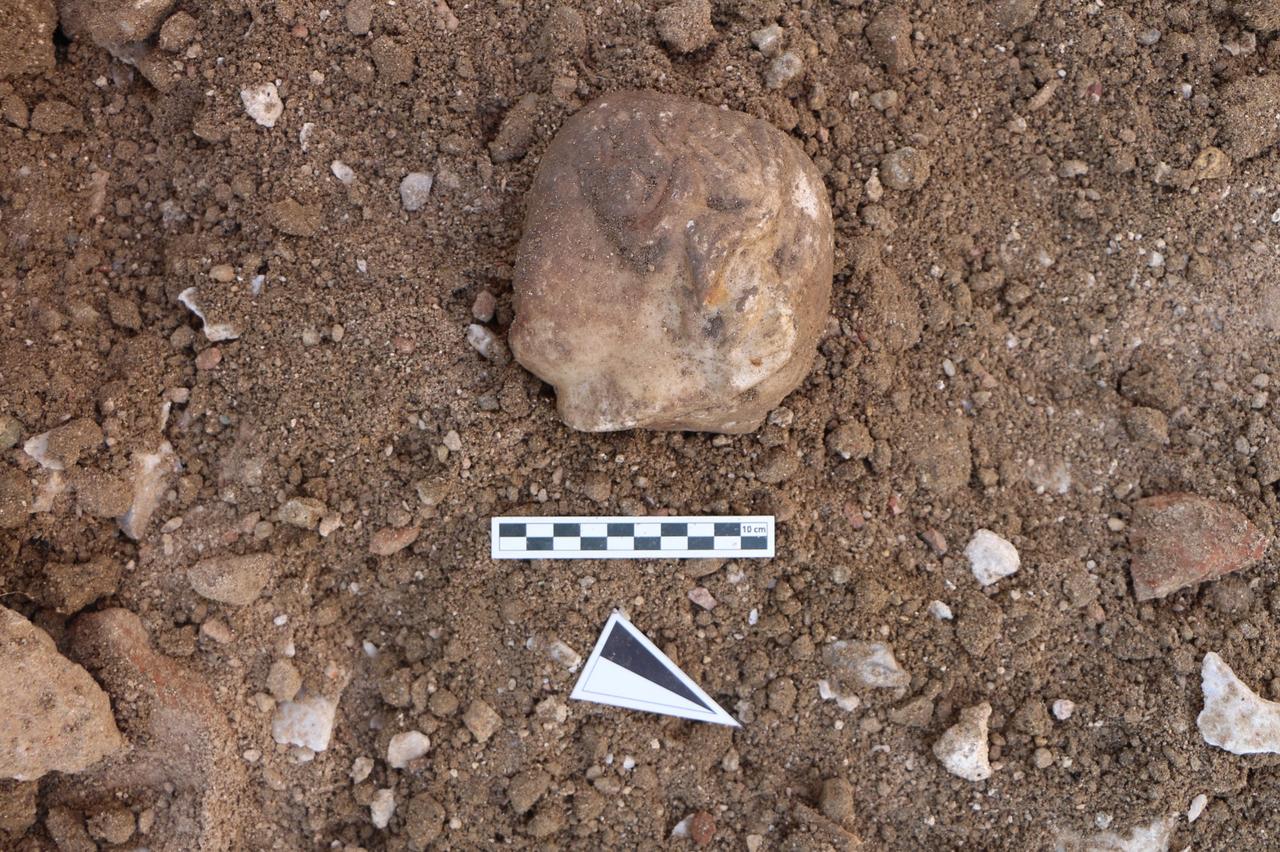
Another major discovery from the 2026 excavation season came from the basilica's Pastophorion section, where archaeologists uncovered the head of Eros dating to the second half of the second century A.D.
The find dates to roughly the same period as the basilica's earliest construction phase and provides further evidence related to Pompeiopolis' artistic and cultural environment during the Roman Imperial era.
The city later took on the role of a bishopric center in the fifth century A.D., reflecting its growing religious and administrative importance during Late Antiquity.
Architectural arrangements, decorative elements and floor mosaics uncovered in the basilica indicate that the building's later phase was connected with the Christianization of the city and the period when Pompeiopolis gained importance as an episcopal center.
Ersoy said excavation, documentation and conservation work would continue in an effort to build up a more comprehensive understanding of Pompeiopolis' urban and religious history.
Ongoing work aims to reveal the basilica's architectural plan and different phases of use more fully, while also documenting and preserving the remaining mosaic floors.
Ersoy thanked the excavation team and those involved in the project, particularly the teams working under the Culture and Tourism Ministry's General Directorate of Cultural Heritage and Museums.


 Set as preferred source
 Set as preferred source


 1 min read
 1 min read