Newsletters


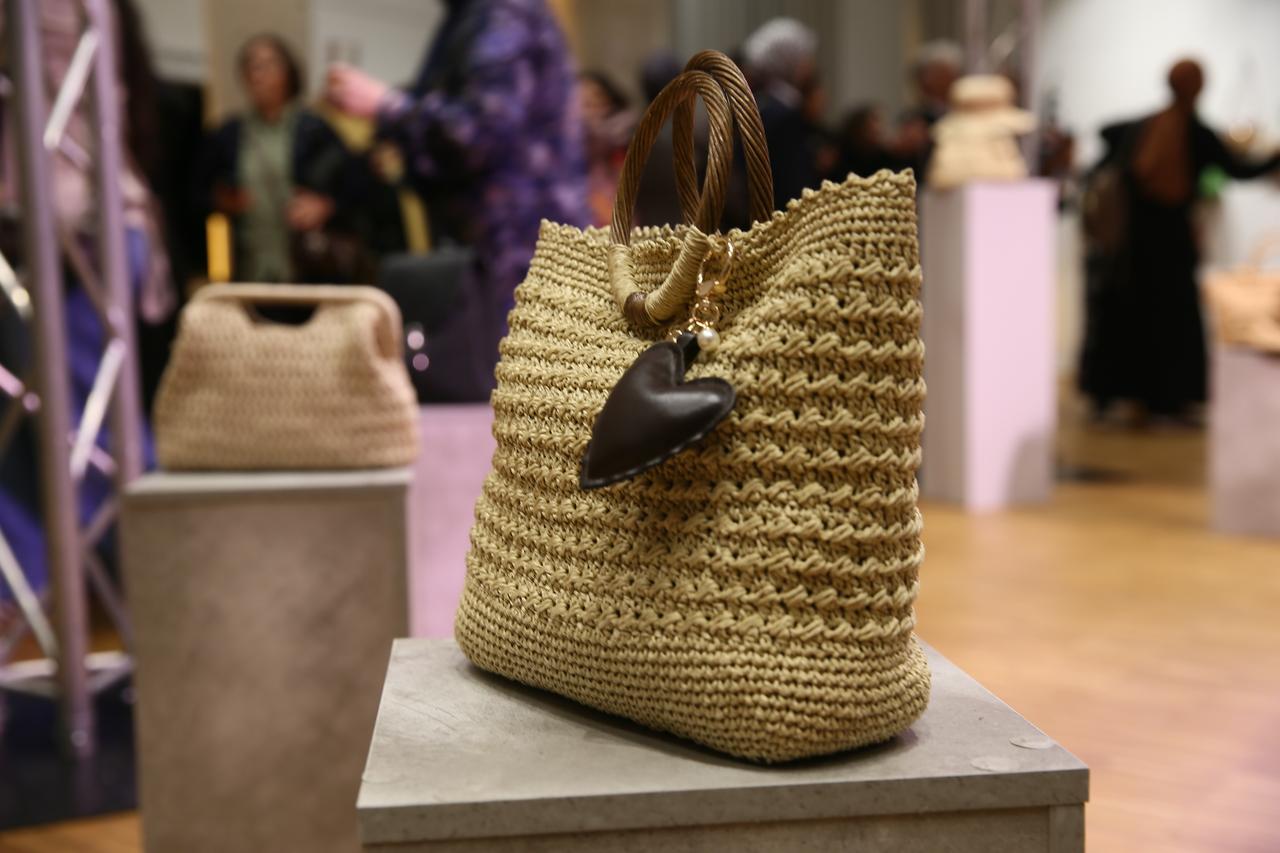


A new exhibition in Vienna is bringing together ancient symbolism and modern craftsmanship through a collection of handmade bags inspired by Gobeklitepe, one of the world’s earliest known monumental sites.
Organized by the Vienna Adult Education Center, the exhibition titled “Gobeklitepe-Bags” showcases 150 handcrafted items created as part of training courses attended by women from different cultural backgrounds.
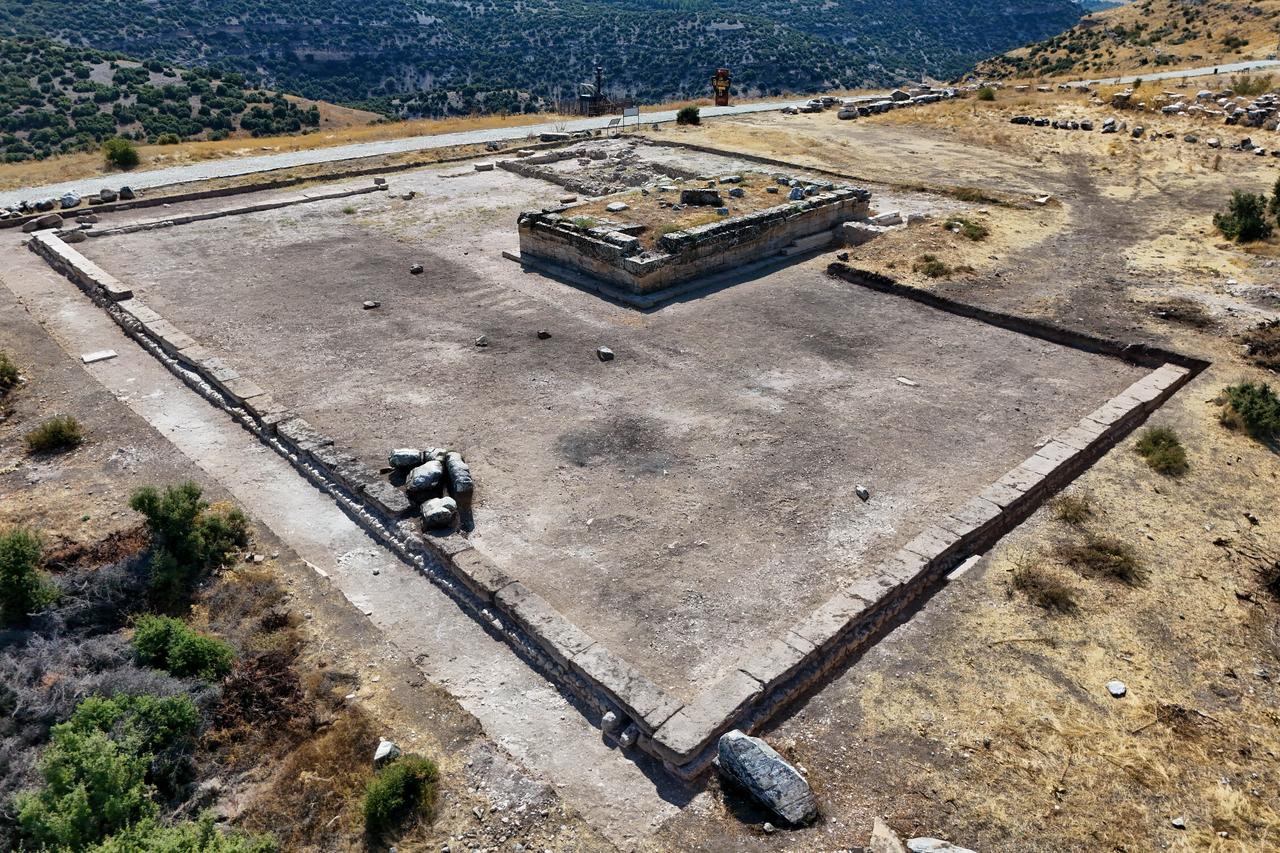
The designs draw directly on motifs dating back roughly 12,000 years, linking prehistoric imagery with present-day artistic production.


At the opening ceremony, Türkiye’s Deputy Minister of Culture and Tourism Gokhan Yazgi emphasized that the earliest traces of the transition from hunter-gatherer societies to settled life emerged in the Sanliurfa region.
He pointed out that these early communities not only developed agriculture but also advanced architecture, sculpture, belief systems, and forms of social organization.
Yazgi underlined that the "Tas Tepeler Project" extends beyond Gobeklitepe itself, incorporating nearby Neolithic settlements such as Karahantepe, Sayburc and Sefertepe, all of which contribute to understanding this transformative period.
He stated, “We aim not only to uncover archaeological sites but also to protect them, interpret them, and share them with the world as a common heritage of humanity.”
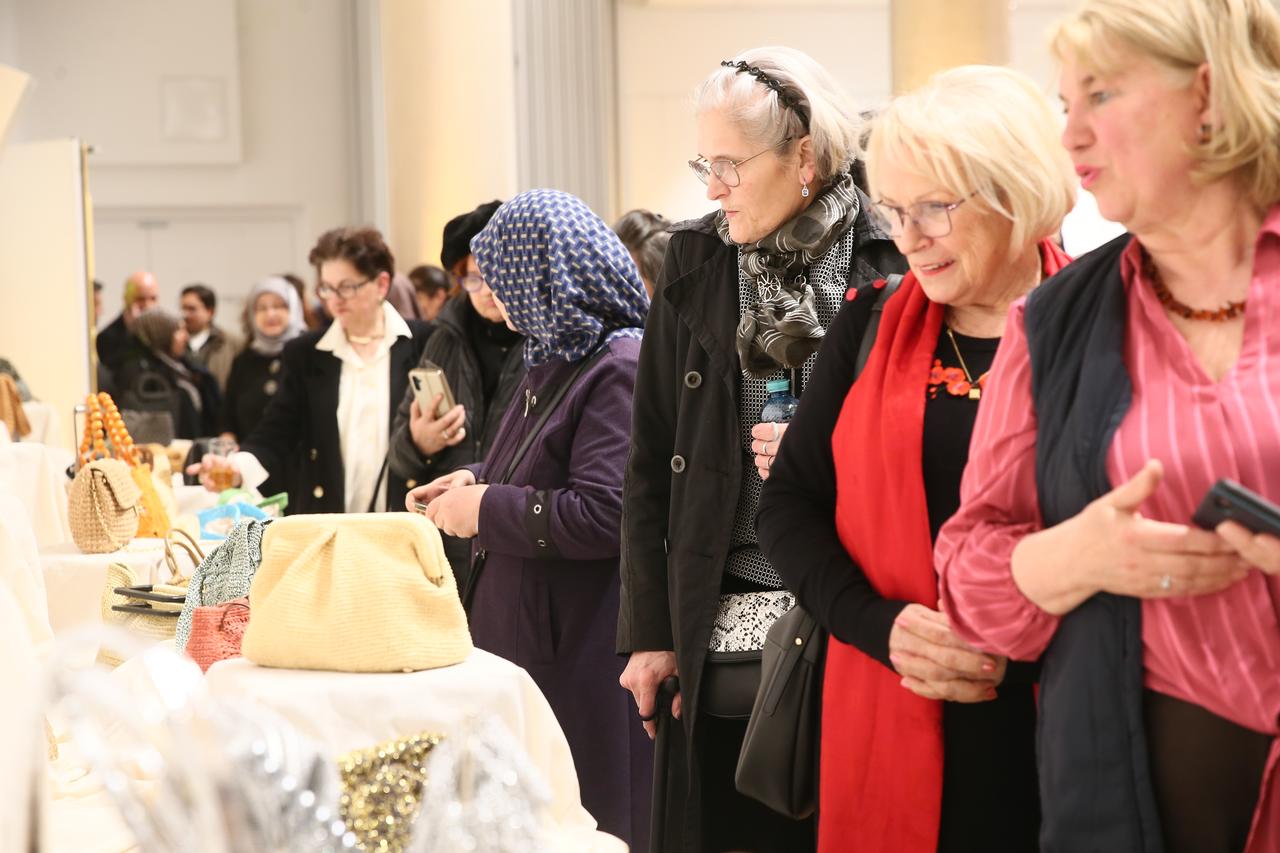
The event brought together officials from both countries, including Vienna State Premier Michael Ludwig, who noted the strong ties between Vienna and Turkish cities and stressed the importance of continued cooperation between them.
He also highlighted the scale of the exhibition, noting that the 150 bags on display represent a significant collective effort.
Sanliurfa Metropolitan Municipality Mayor Mehmet Kasim Gulpinar described the exhibition as a bridge between past and future, bringing together cultural heritage and contemporary production.
He emphasized that Gobeklitepe demonstrates how early human societies developed systems of belief and artistic expression even before the transition to settled life.
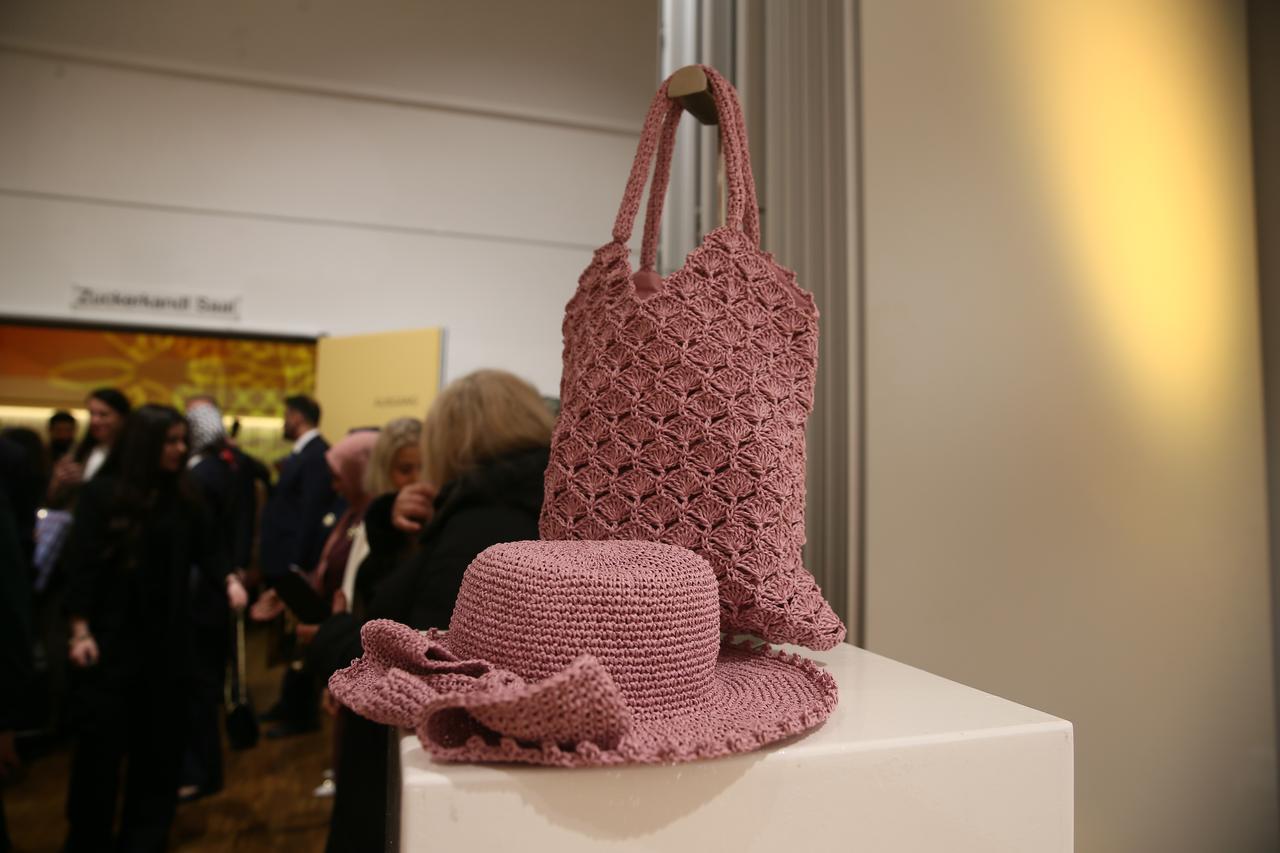
The project’s producer and course instructor, Gulbahar Bozatemur introduced the participants who created the bags and praised their work during the opening.
The items, produced using paper yarn, were presented as examples of both cultural diversity and sustainable production practices.


 Set as preferred source
 Set as preferred source


 3 min read