Newsletters


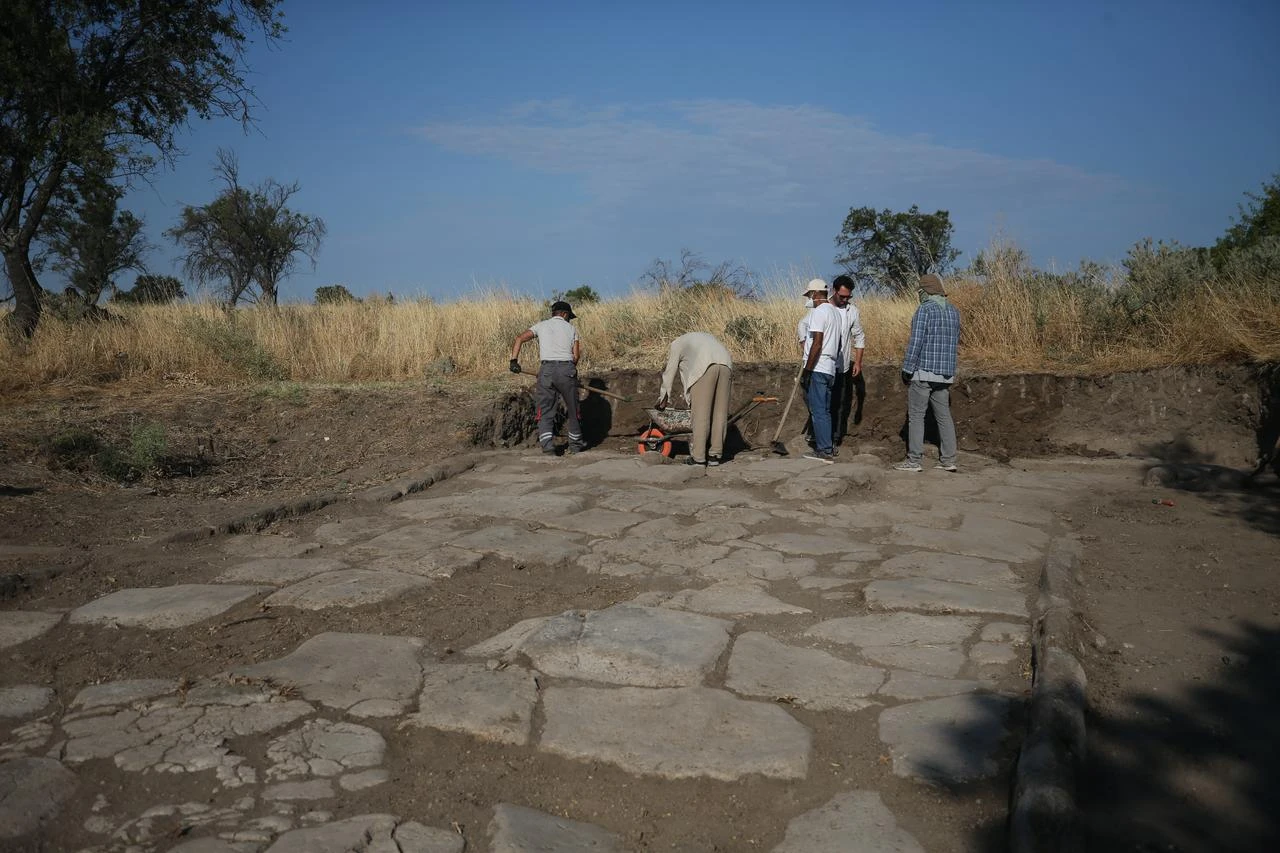


Archaeologists have identified traces of a major earthquake that struck ancient Troy around 1,500 years ago, with newly uncovered damage along a Roman-era street offering evidence of the disaster that brought about the city's final large-scale destruction.
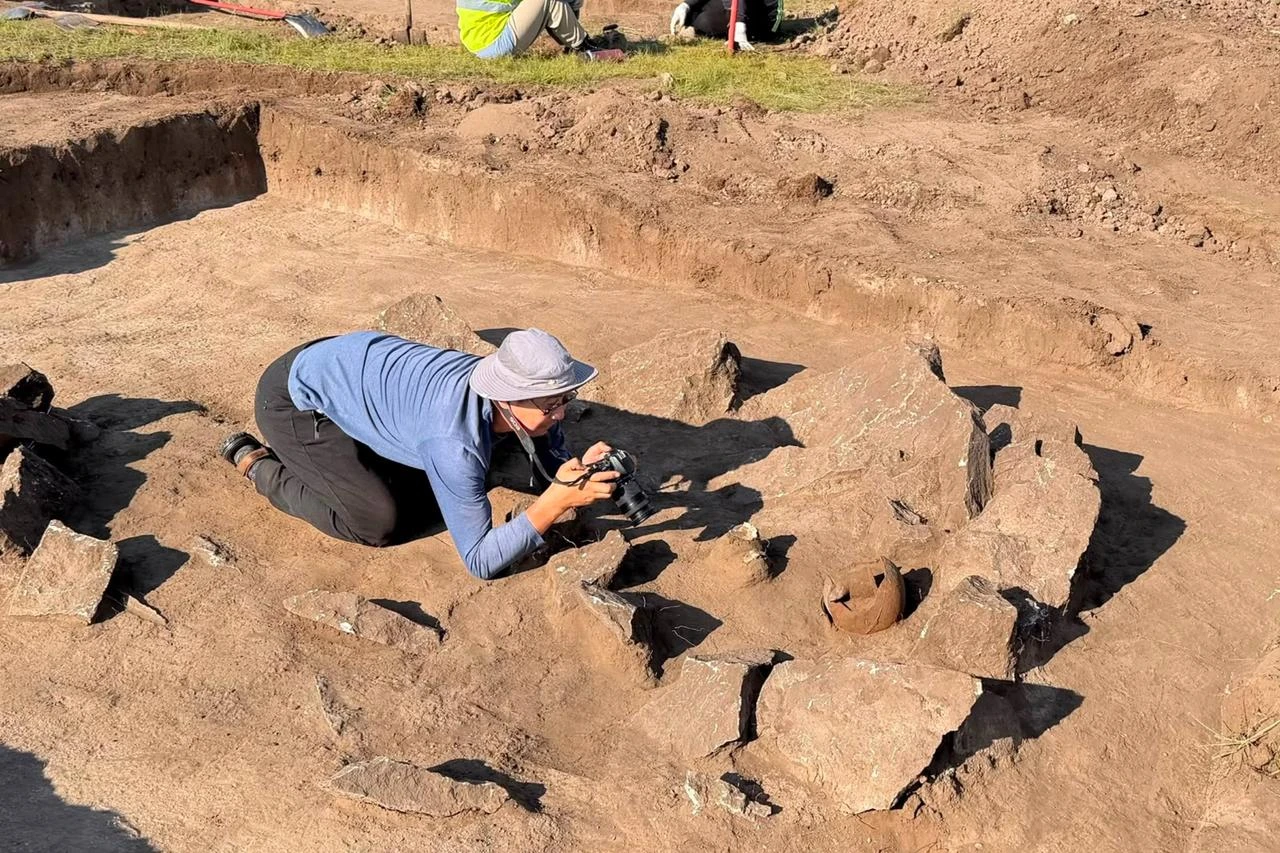
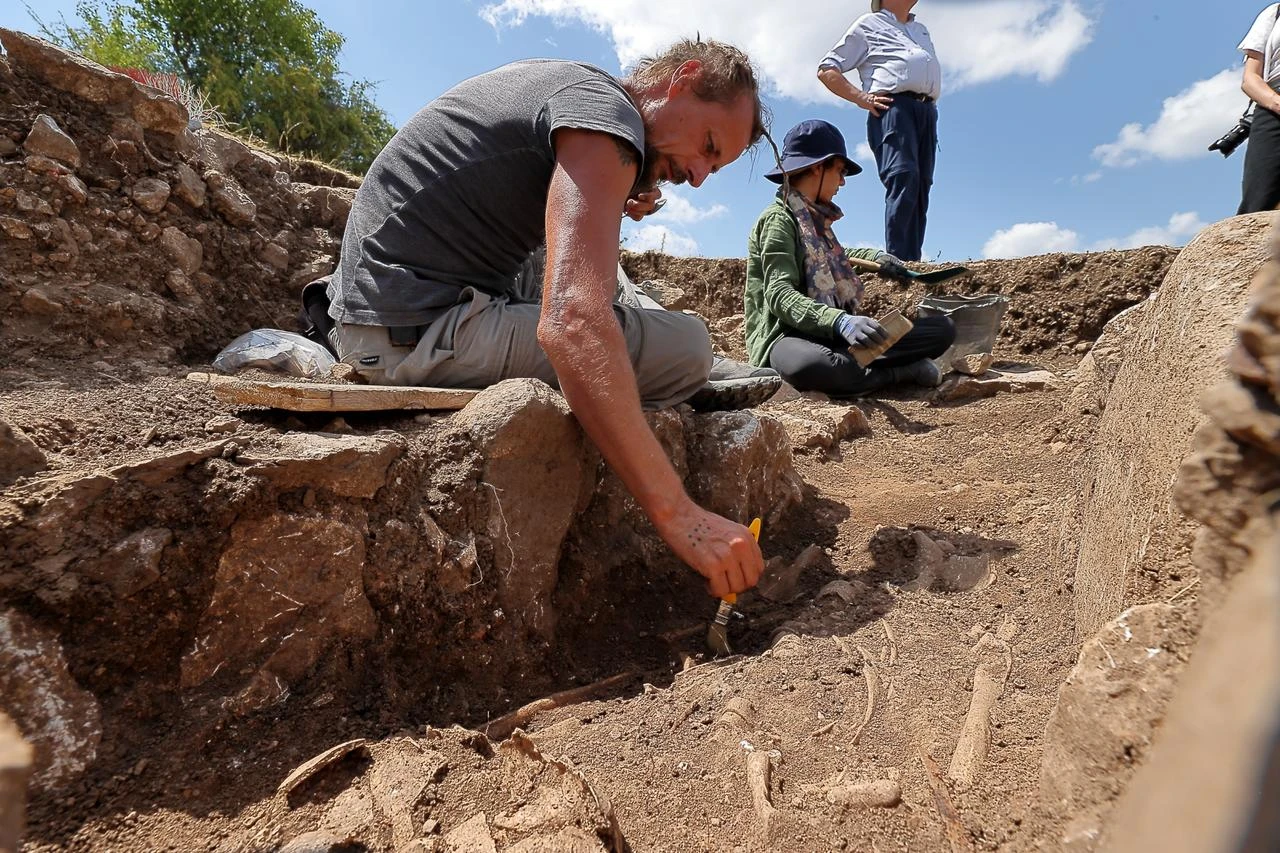
The findings emerged during this year's excavations at Troy, a UNESCO World Heritage site in Canakkale, northwestern Türkiye. The work is being carried out with the permission of the Culture and Tourism Ministry, under the coordination of Canakkale Onsekiz Mart University and with ICDAS as the main sponsor.
Excavation director Professor Rustem Aslan said the team had focused its work on the lower city dating back to the Hellenistic and Roman periods. The lower city refers to the settlement area that spread out beyond Troy's fortified central citadel.
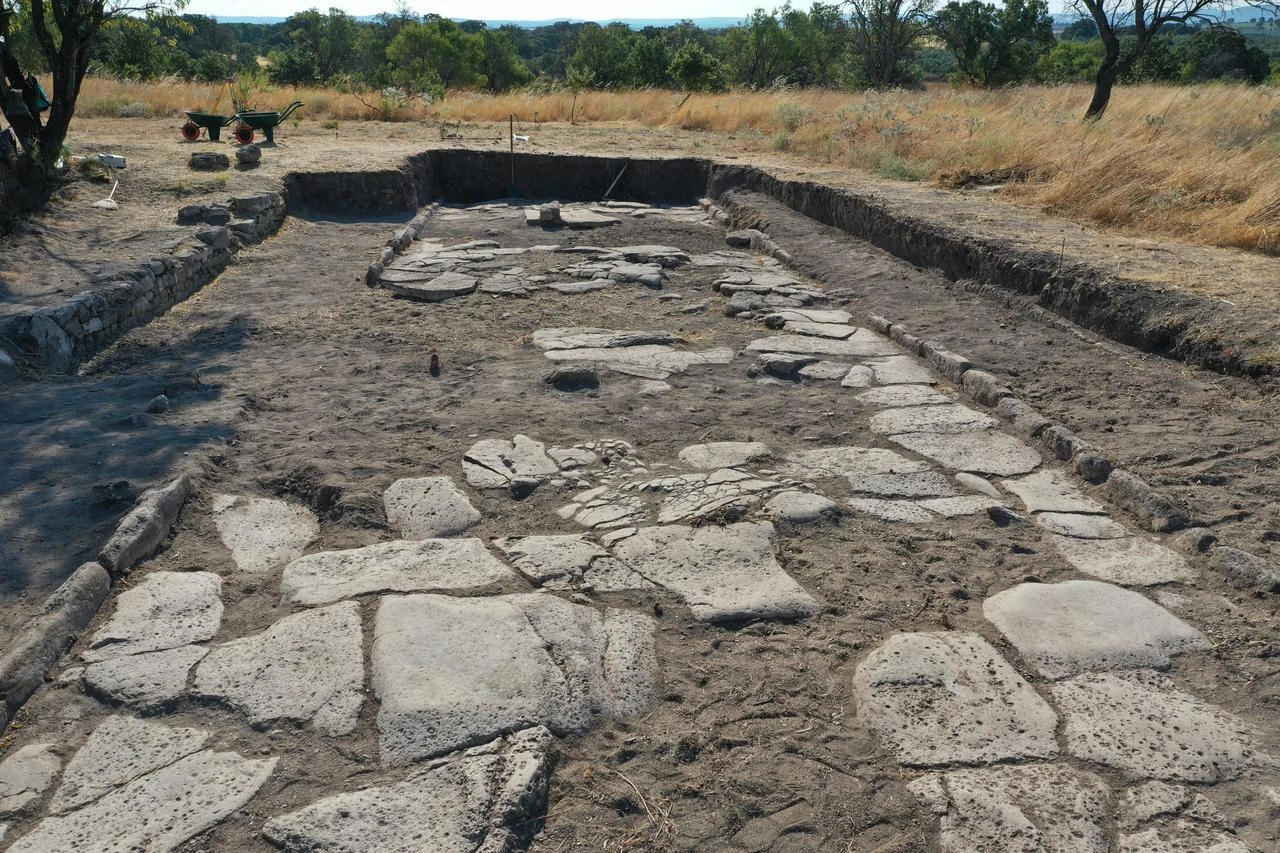

The excavated section formed part of a broad Roman street network running through the lower city, where villas and shops once stood on both sides of the roads.
Aslan said Roman Troy entered a particularly prosperous period after Emperor Augustus visited the city in the late first century B.C. The settlement was laid out with major streets running parallel to one another from north to south and east to west.
The excavations were launched to better understand how visitors moved from the fortified citadel into the lower city and to bring out further details about the Roman settlement plan.
However, the remains have also turned up visible signs of earthquake damage.
"An earthquake destroyed Troy. We know that the last major destruction in Troy took place with an earthquake around 1,500 years ago. We can see this quite clearly in the remains of the Roman street here," Aslan said.
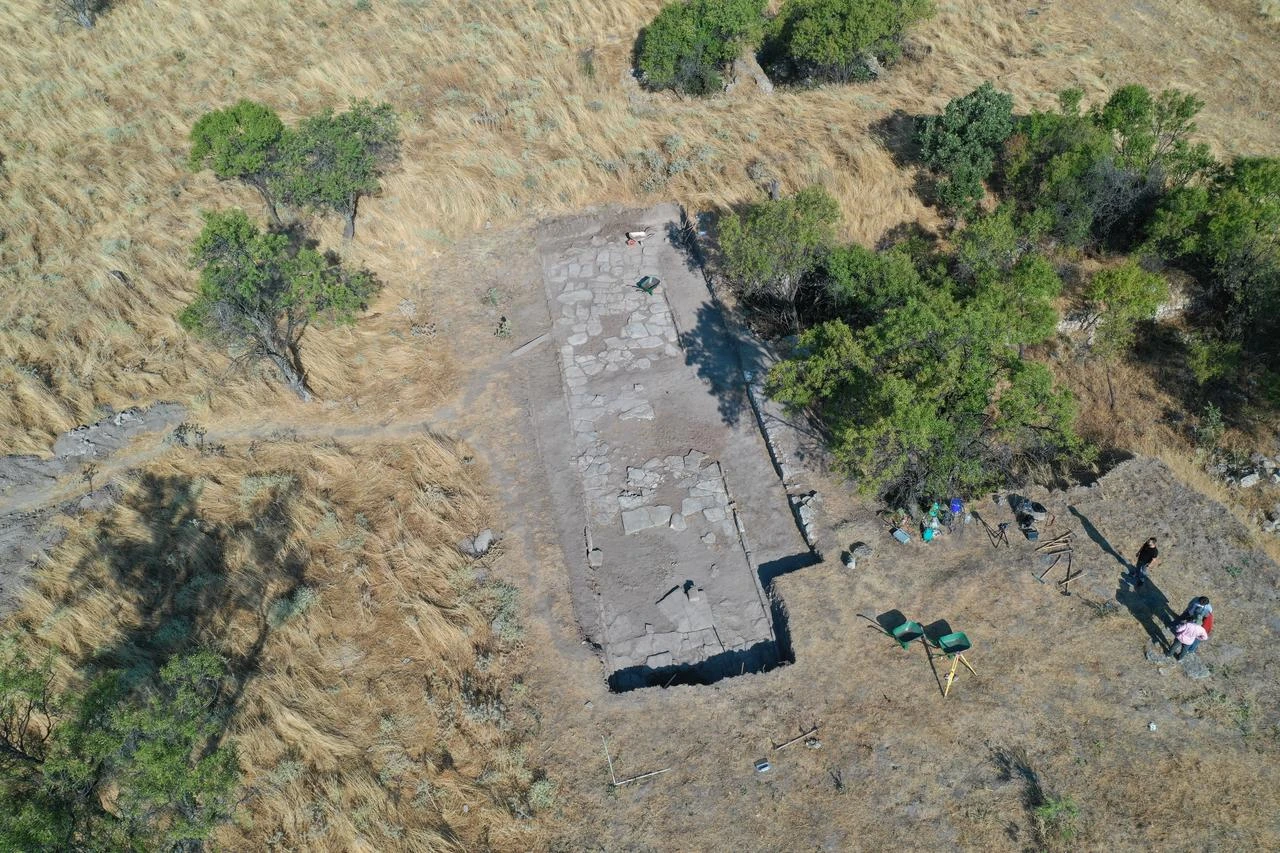
Historical records indicate that Roman-era Troy was hit by two major earthquakes, with the final severe destruction taking place around the sixth century A.D.
Aslan said the damage uncovered along the street backed up existing evidence about the impact of earthquakes toward the end of the Roman period.
Although Troy had repeatedly been rebuilt after earlier earthquakes, the city did not regain its former vitality following the major disasters of the late Roman era.
Settlement at Troy continued from around 3000 B.C. until approximately A.D. 500. Despite surviving several earthquakes over thousands of years, urban life eventually faded out after the final destructive events.


 Set as preferred source
 Set as preferred source


 3 min read