Newsletters


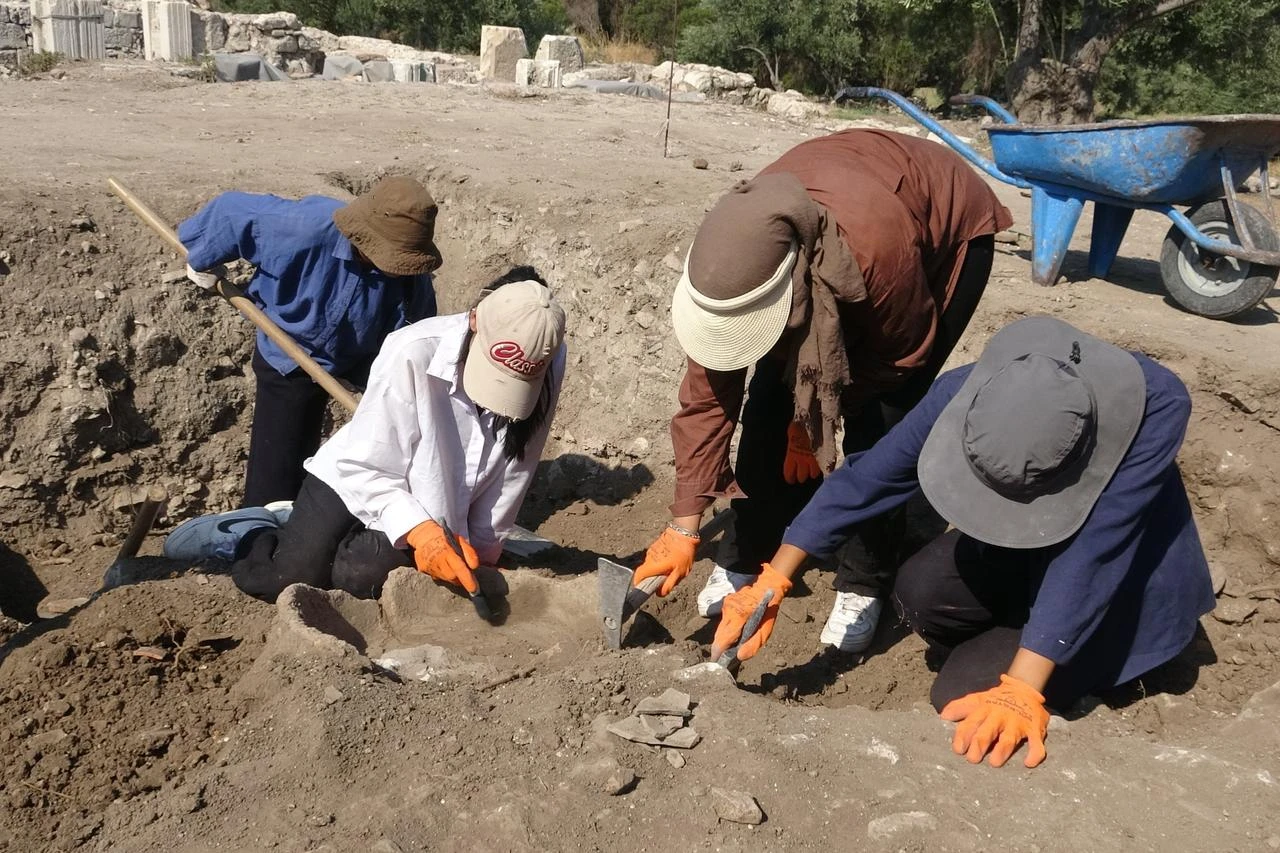


Archaeologists working at the Apollo Smintheus Sanctuary in northwestern Türkiye have uncovered a 1,500-year-old stone mortar and large storage jars dating back around 1,300 years, offering new evidence of how Christian communities turned a former Roman bath complex into an agricultural settlement.
The discoveries were made during the 2026 excavation season in the western section of the sanctuary, located in Gulpinar village in Canakkale's Ayvacik district.
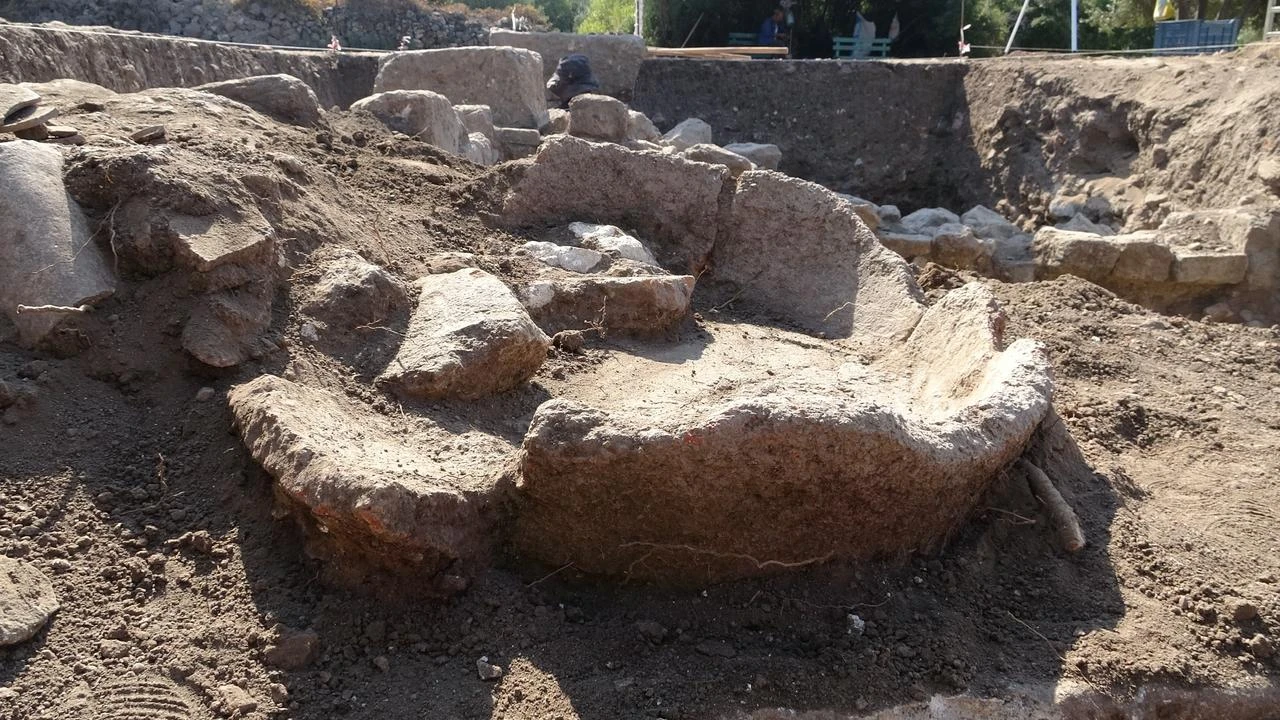
The stone mortar, known locally as a "dibek," was used to crush or process agricultural products and has been linked to one of the earliest Christian communities that settled at the site. The large storage vessels, known as "pithoi or pithos," belonged to a later Christian occupation and were commonly used in antiquity to store grain, oil, and other agricultural goods.
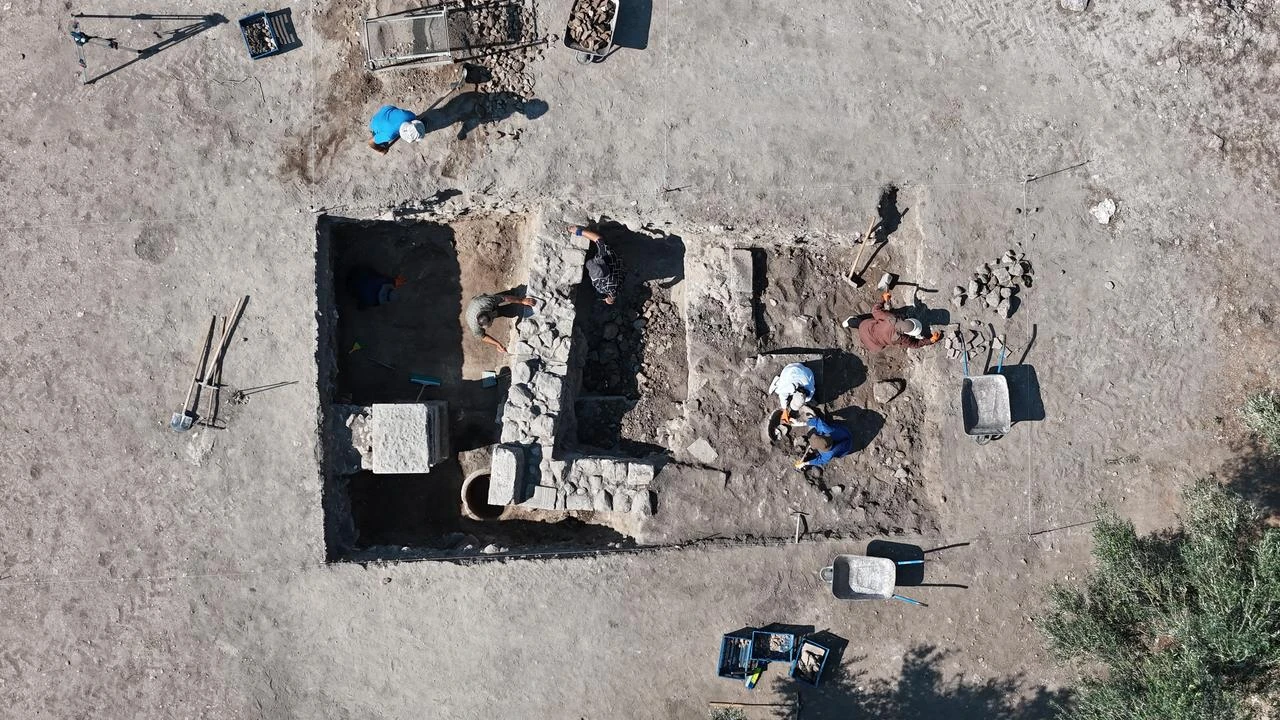

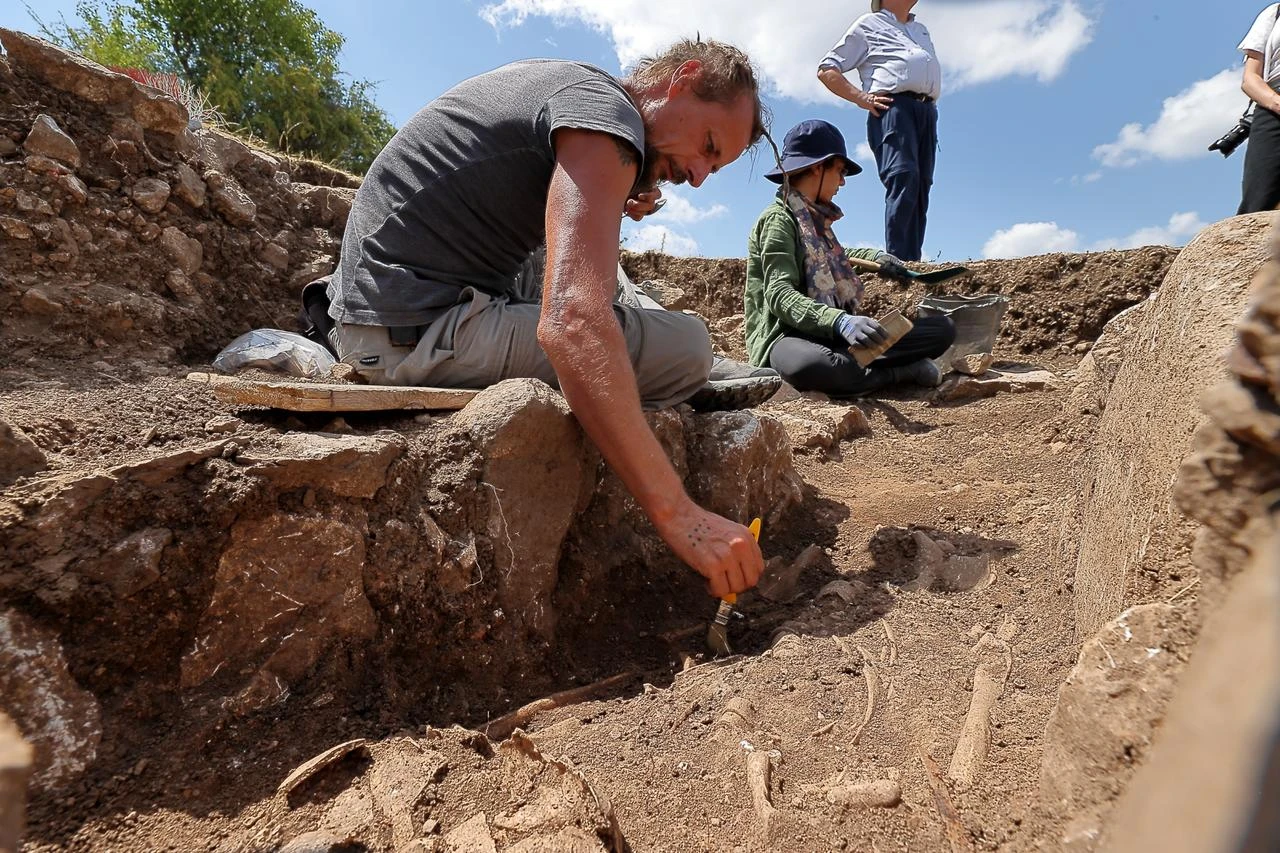
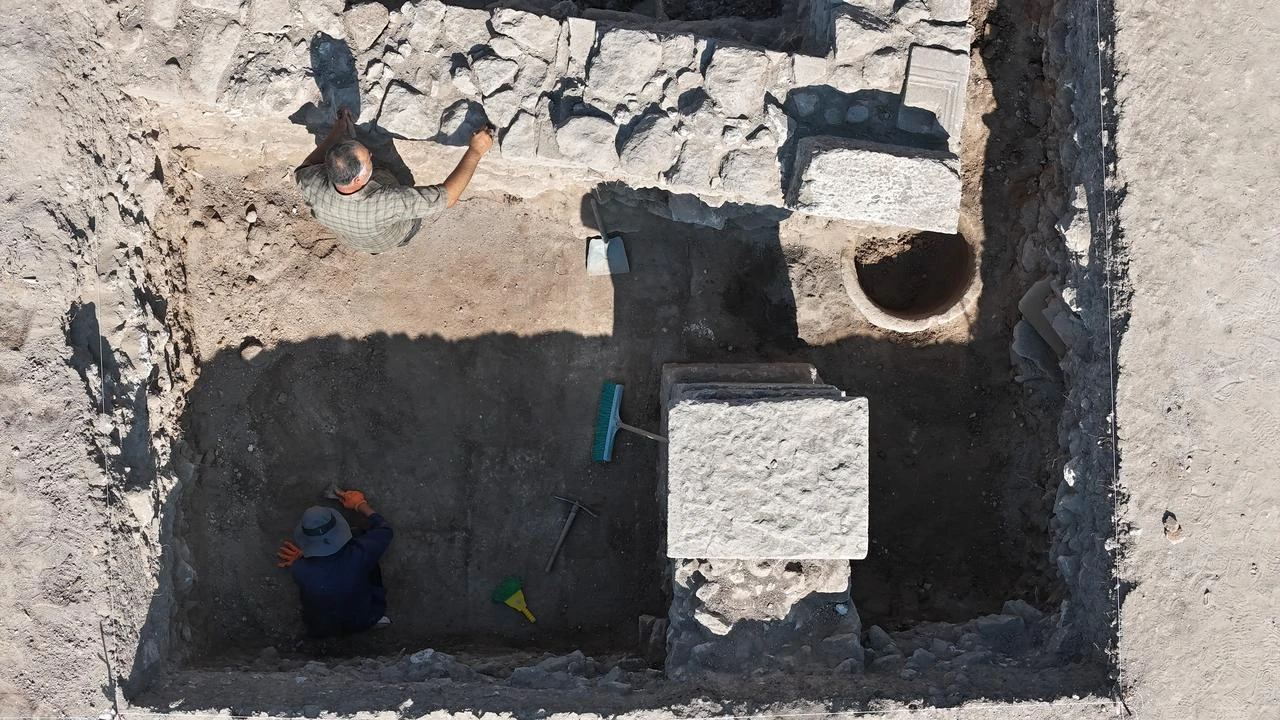
The excavation team is currently working inside the third bath structure in an area known as the Western Bath complex. Work began there during the previous excavation season and has now moved into the entrance and changing-room section, known in Roman architecture as the apodyterium.
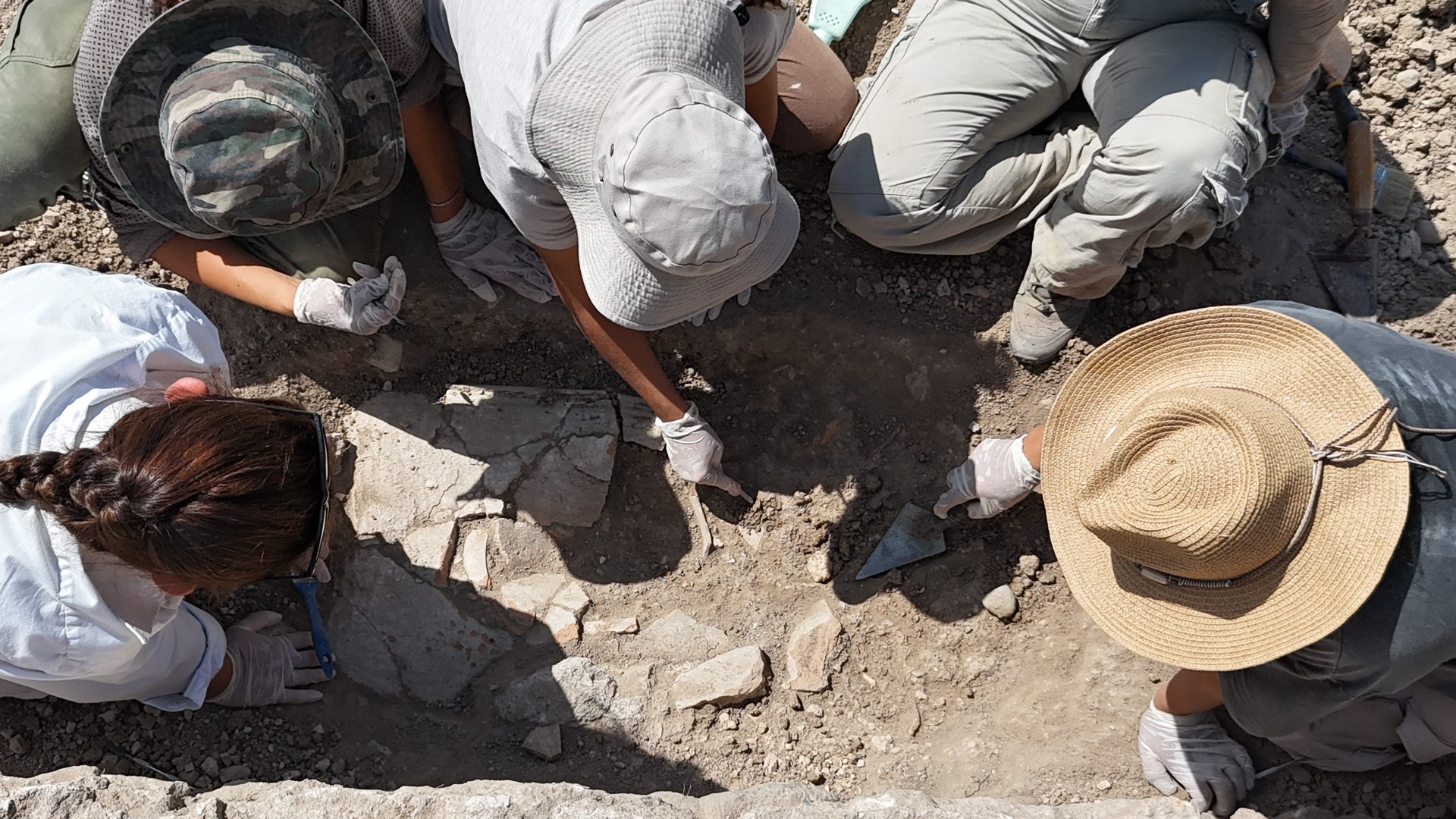
Excavation director Professor Davut Kaplan of Ondokuz Mayis University's Archaeology Department said researchers had reached the original floor and identified two separate occupation layers dating to different stages of the Late Antique Christian period.
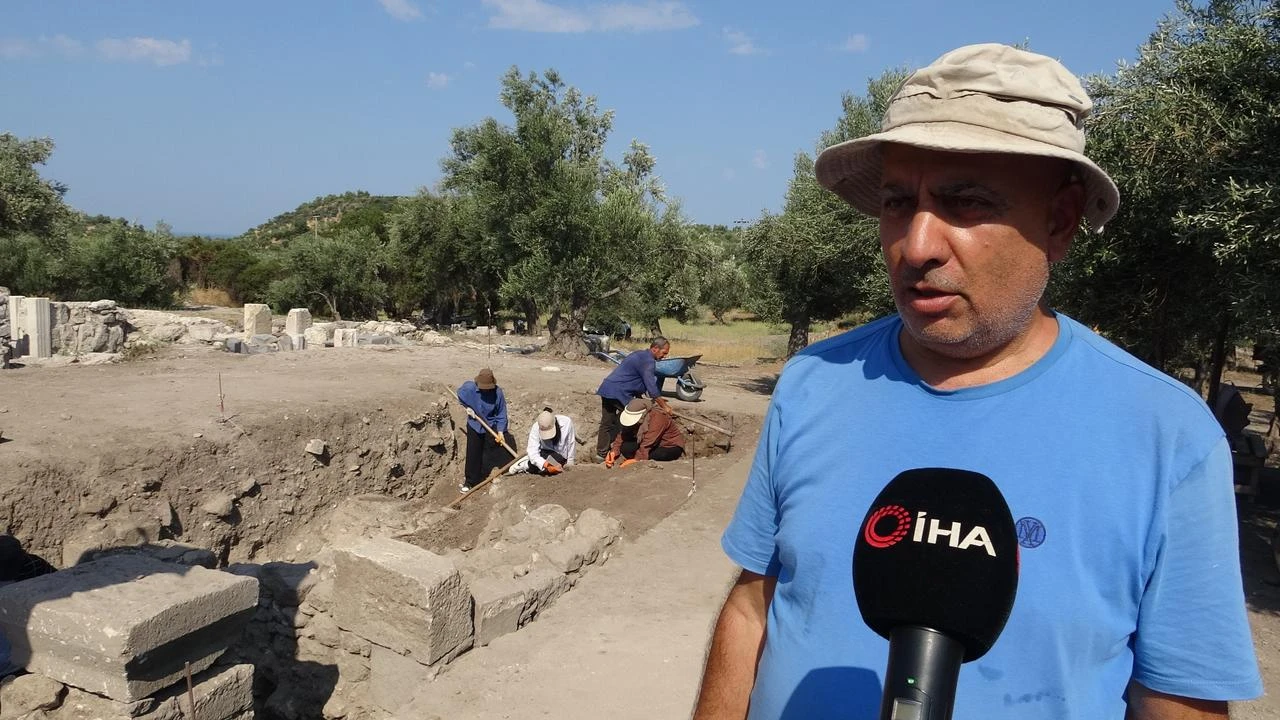
Kaplan explained that after pagan worship was prohibited, Christian communities reused the sanctuary's buildings and construction materials, setting up a new settlement directly above the abandoned Roman bath.
The lower Christian layer rested on the bath floor and contained living areas, including the stone mortar. A later occupation layer was found above it, although much of that level had been damaged by agricultural activity and plowing.
"Within two weeks, we identified two different Late Antique layers belonging to separate Christian periods above the Roman bath," Kaplan said. "One belonged to the first Christians, whose living area also included mortars. What we have here is a settlement dominated by agriculture."
According to Kaplan, the remains show that the Christian residents used the former sanctuary primarily for farming, animal husbandry, food preparation and storage.
The 1,400- to 1,500-year-old mortar was found in the earlier Christian settlement, where residents cultivated crops, built a church and set up domestic spaces.
The later Christian community returned to the area around the eighth or ninth century, although fewer traces of this settlement have survived. Archaeologists have so far identified large storage jars dating back approximately 1,200 to 1,300 years and have begun cleaning the vessels.
Kaplan said the material remains included tools and containers connected to the production, storage and preparation of agricultural goods, extending from farming activities to kitchen use.
He added that the settlement went through periods of invasion and economic hardship, while Christian occupation appears to have weakened during parts of the eighth and ninth centuries before residents moved back into the area.
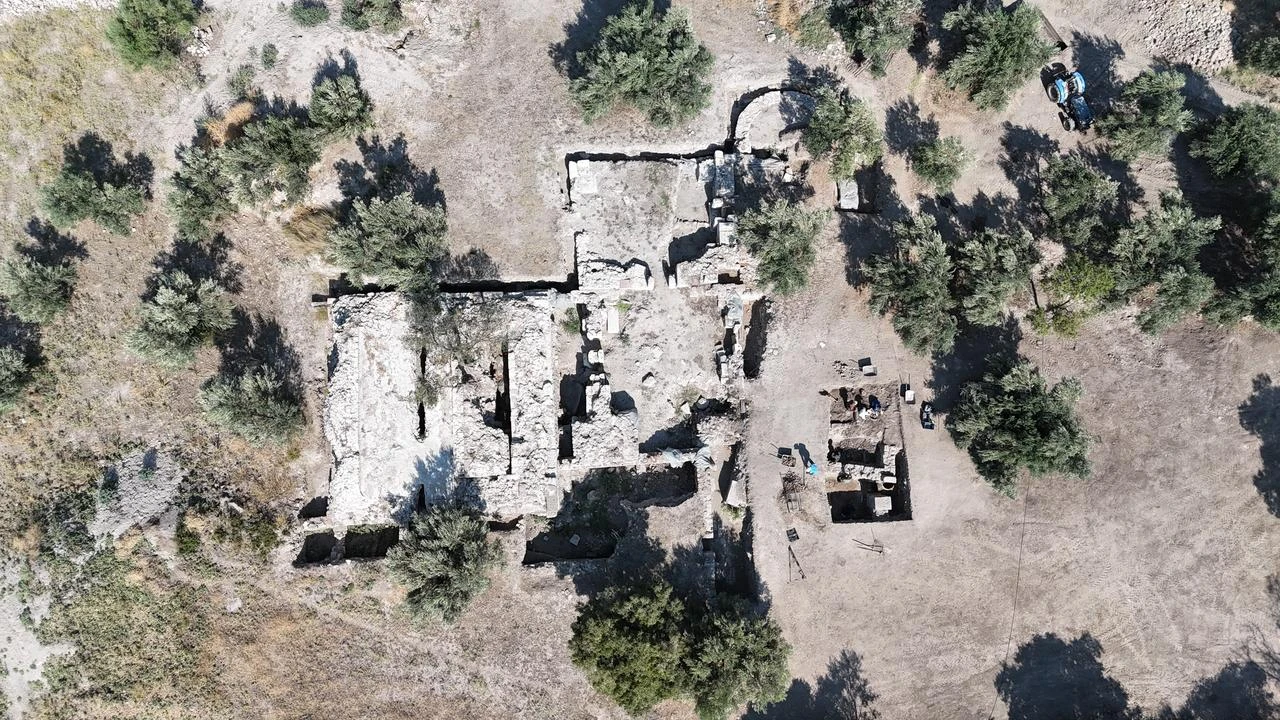
Earlier excavations at the bath complex also brought to light a roughly 1,700-year-old caldarium, the heated room of a Roman bath, together with wall and floor heating installations.
Researchers identified a hypocaust system, an ancient heating method in which hot air circulated beneath a raised floor and through spaces inside the walls. The discovery has helped the team work out how the Roman bath operated before it was abandoned and taken over by Christian settlers.
Kaplan said the Romans had run the bath complex extensively, while the later Christian communities did not appear to maintain the same bathing traditions.
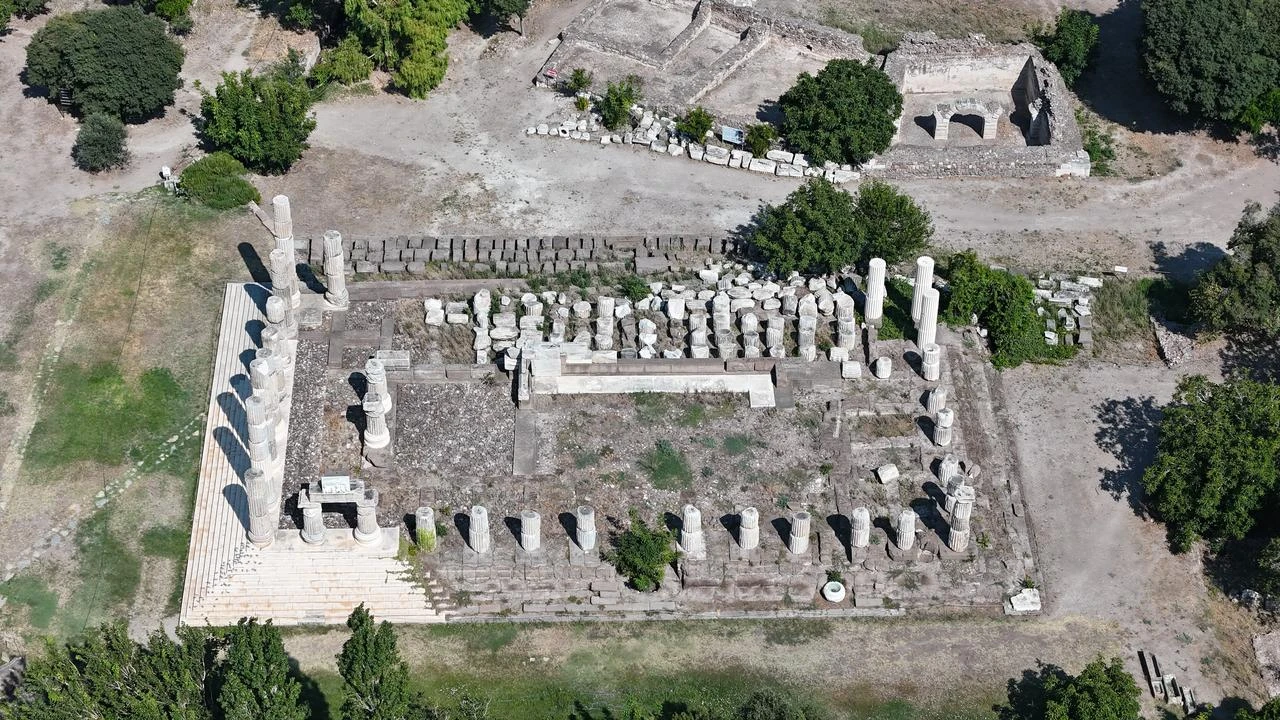
"The baths lost their function, and afterward we see that the area became a settlement occupied by a Christian community engaged in agriculture and animal husbandry," he said.
Excavation and restoration work at the Apollo Smintheus Sanctuary began in 1980 and continues with permission from Türkiye's Culture and Tourism Ministry and under the coordination of the Canakkale Governor's Office.
The 2026 excavations, which began around two weeks ago, are being carried out under Kaplan's direction by a team of workers and volunteer archaeology students.


 Set as preferred source
 Set as preferred source


 1 min read
 1 min read