Newsletters


Archaeologists working in the historic center of Lima have uncovered the remains of a 16th-century hospital that treated sick sailors during Peru's Spanish colonial period, along with parts of an adjoining church and several human burials.
The Espiritu Santo Hospital, which began operating in 1575, was found near the sanctuary of Santa Rosa de Lima, the first Catholic saint born in the Americas. Excavations have brought to light walls, decorated tiles, stone flooring and other architectural remains that had been buried for centuries.
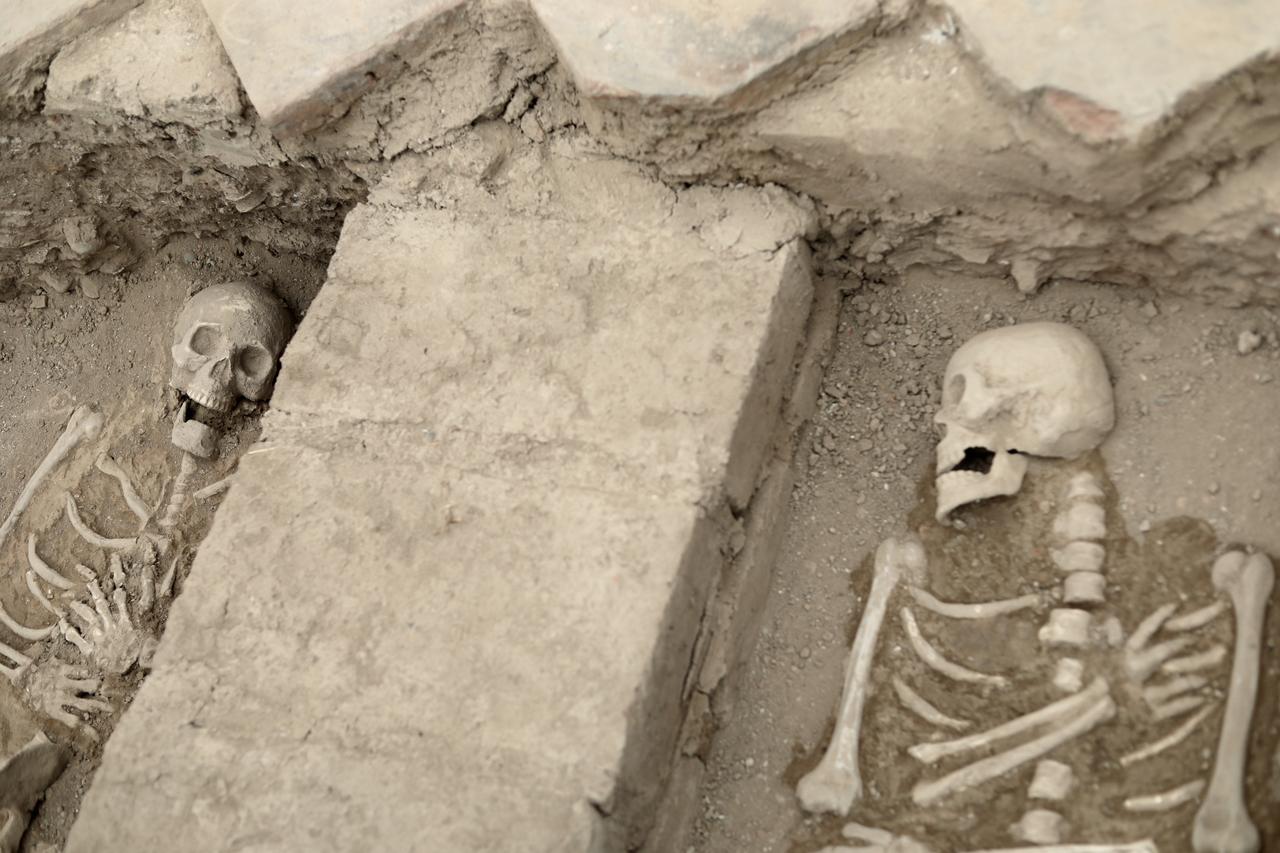
Researchers also uncovered six human skeletons inside rectangular burial structures, which are believed to have belonged to former patients. A ceramic oil lamp, used to provide light with candles, was found near the hand of one of the individuals.
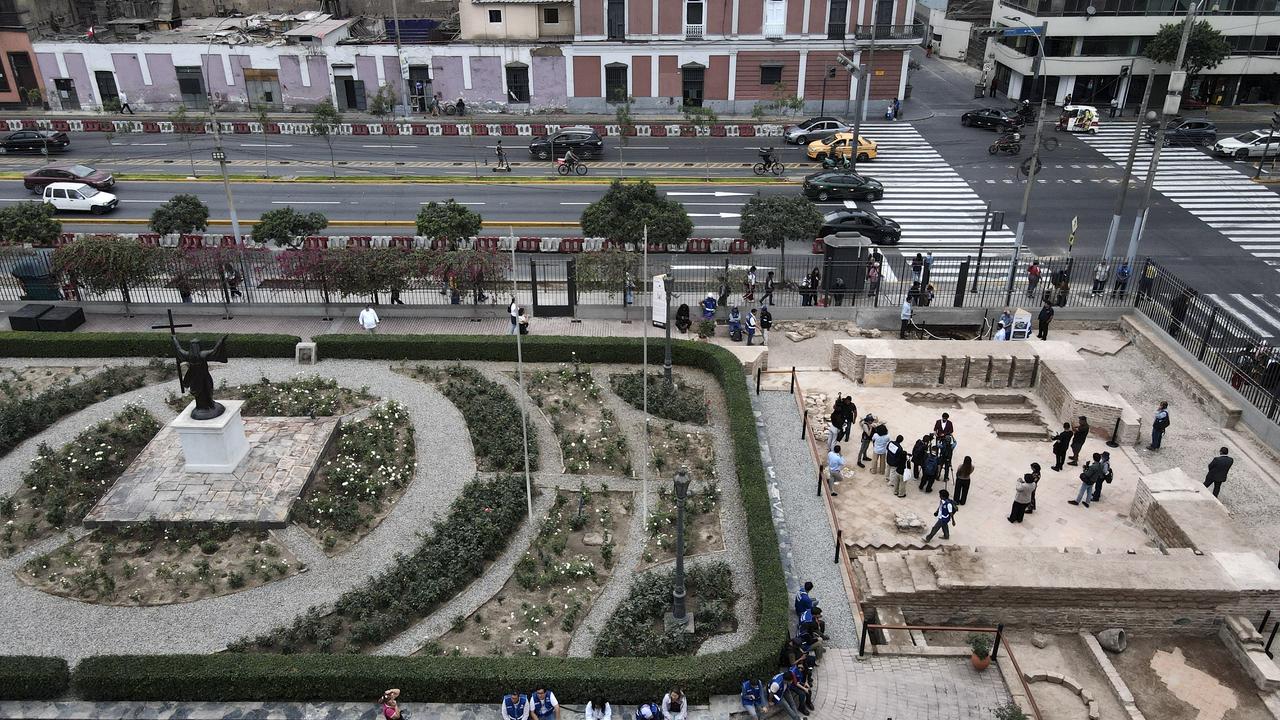

According to Spanish Jesuit priest Bernabe Cobo's chronicle The History of the Founding of Lima, the hospital was likely established in the 1570s by Greek sailor Miguel de Acosta and could accommodate as many as 70 patients.
The institution mainly took in sick sailors stopping at Pacific ports while Peru was under Spanish rule. Part of sailors' wages was deducted to help cover the hospital's upkeep.
The hospital remained in operation until shortly before 1821, when Peru proclaimed its independence, although the reason it eventually closed remains unknown.
Archaeologists also identified the entrance to the neighboring Church del Espiritu Santo, where religious services were held for patients. Historical accounts of Lima had previously documented the church's existence.
Excavation coordinator Ernesto Olazo explained that placing hospitals beside churches was common at the time because it allowed sick patients to attend mass.
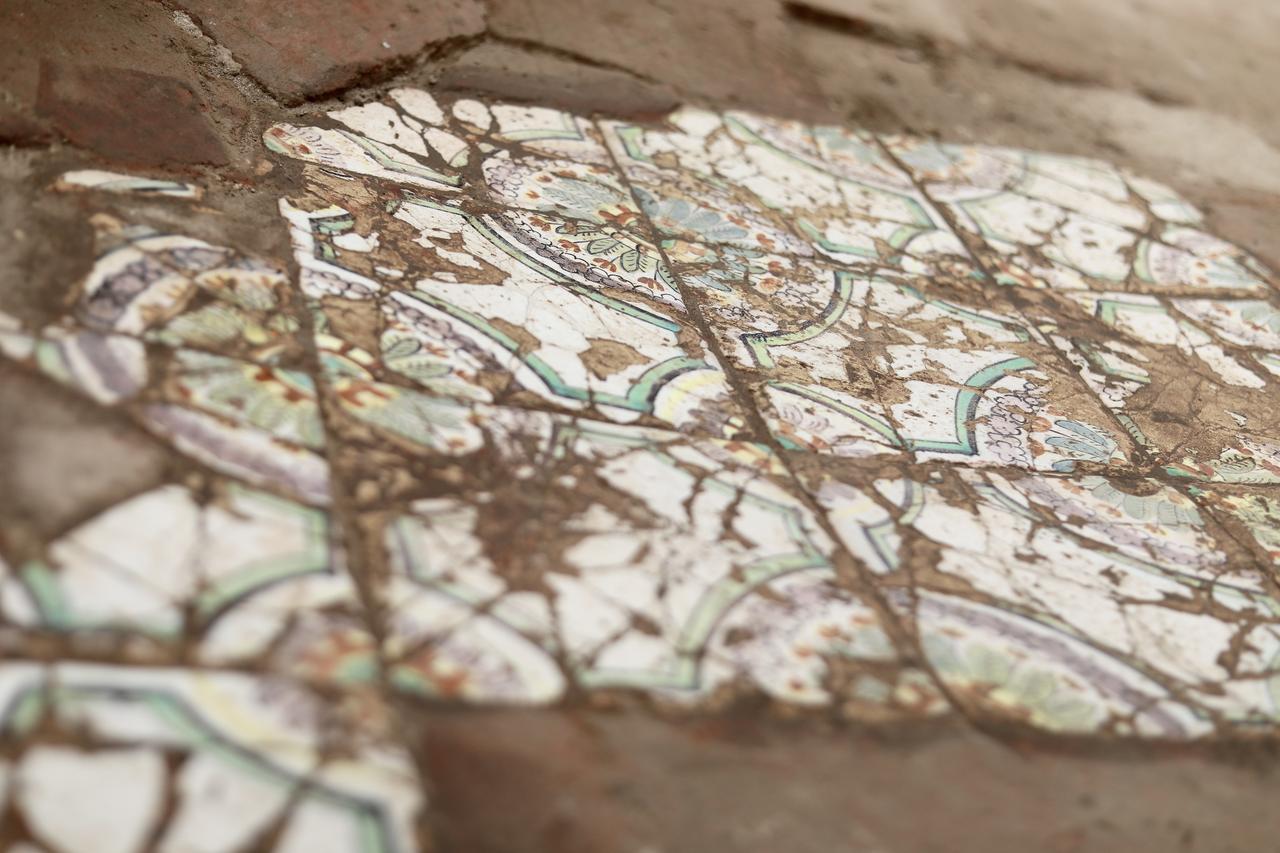
Among the remains uncovered were stone, brick and adobe walls held together with lime, sand and water, as well as clay tiles covered with an opaque white glaze and decorated with mineral pigments.
Olazo highlighted the survival of the site's original building methods and decorative features, saying: "In my view, the most significant aspect is the architecture itself, which preserves traditional materials and techniques, which we have restored, including an 18th-century Valencian tiled floor and an area containing some very interesting pre-Hispanic remains."
Conservation work is continuing as specialists expose and preserve the structures beneath the Santa Rosa de Lima area.


 Set as preferred source
 Set as preferred source



 1 min read