Newsletters


Türkiye recovered 180 cultural artifacts in 2025 that had been taken abroad through illegal means, marking another milestone in the country’s long-running effort to reclaim its cultural heritage, according to Culture and Tourism Minister Mehmet Nuri Ersoy.
According to experts, with these latest returns, the total number of artifacts brought back to Türkiye since 2002 has reached 13,448, reflecting years of coordinated legal, scientific, and diplomatic work.
Minister Ersoy explained that the returns achieved in 2025 were the result of systematic work carried out by the Anti-Smuggling Department under the General Directorate of Cultural Heritage and Museums.
He noted that artifacts removed illegally from Türkiye were tracked down one by one through academic research, legal documentation, and international diplomacy.
Museums, auction houses, and private collections abroad were carefully reviewed, while cooperation with foreign authorities helped move legal processes forward.
As part of this broader campaign, the number of cultural assets returned between 2018 and 2025 alone has reached 9,133, underlining what Ersoy described as a long-term and determined struggle to protect national heritage.
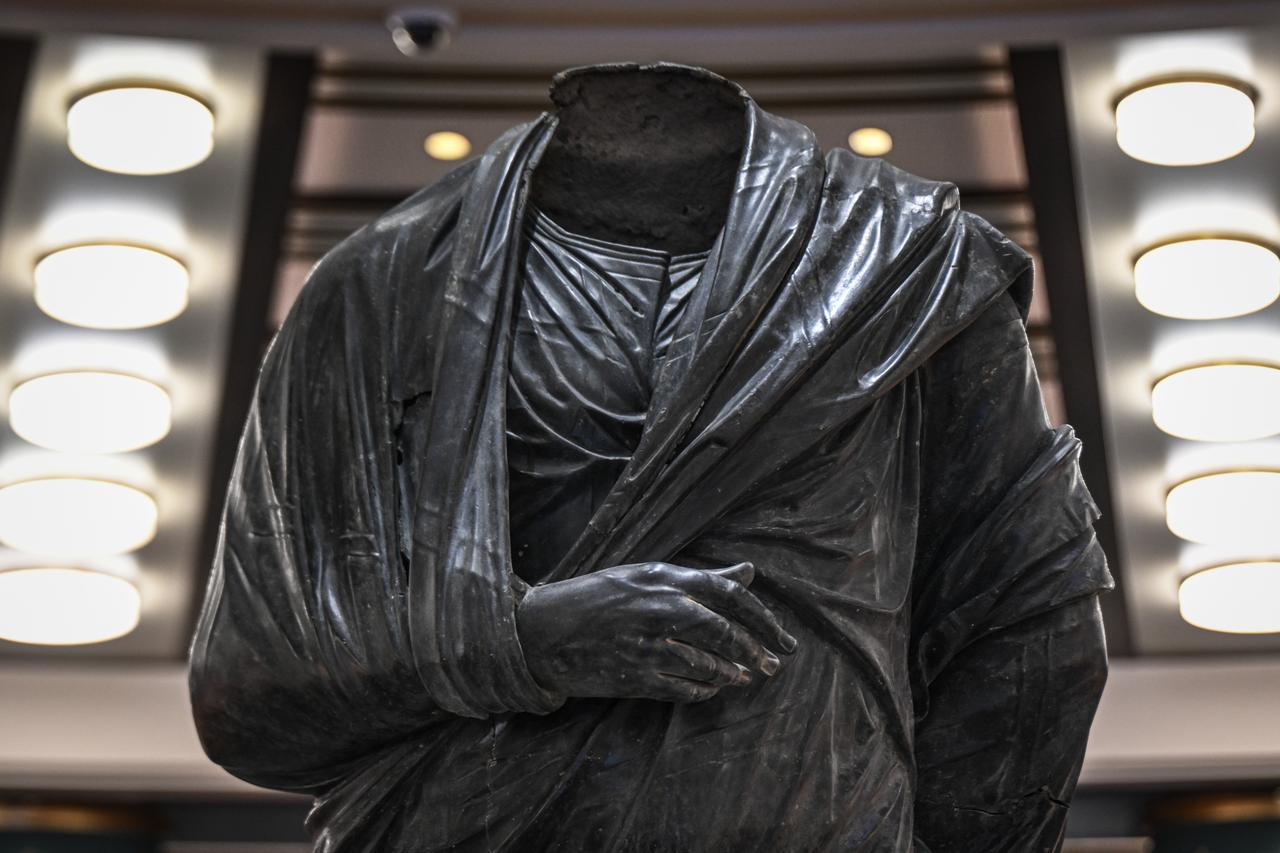
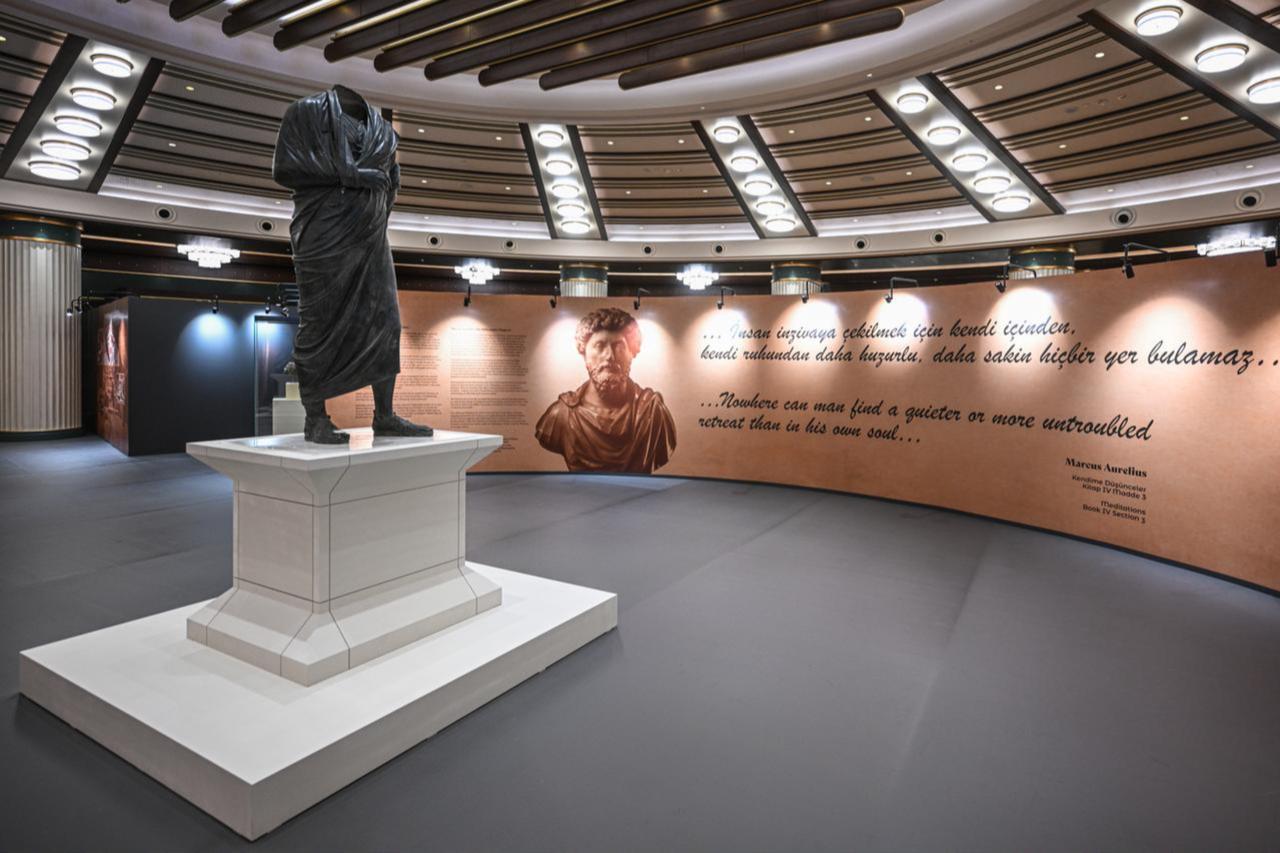
Among the most high-profile recoveries of 2025 was a bronze statue of Roman Emperor Marcus Aurelius, originally from the ancient city of Boubon in southwestern Anatolia.
The statue was brought back from the United States and is now on public display at the Presidential National Library in Ankara as part of the exhibition The Golden Age of Archaeology.
The work dates to the Roman Imperial period and is considered a key example of Anatolia’s ancient artistic legacy.
The minister also pointed to successful cooperation with Switzerland, where seven Anatolian-origin artifacts seized in the canton of St. Gallen were returned to Türkiye.
In another case, Bahrain voluntarily handed back a 13th-century manuscript titled Kitab Sherhu’l-Esma, written by the Islamic scholar Ibn-i Berrecan.
The manuscript was formally delivered to the Yusuf Aga Manuscript Library in Konya on July 3.
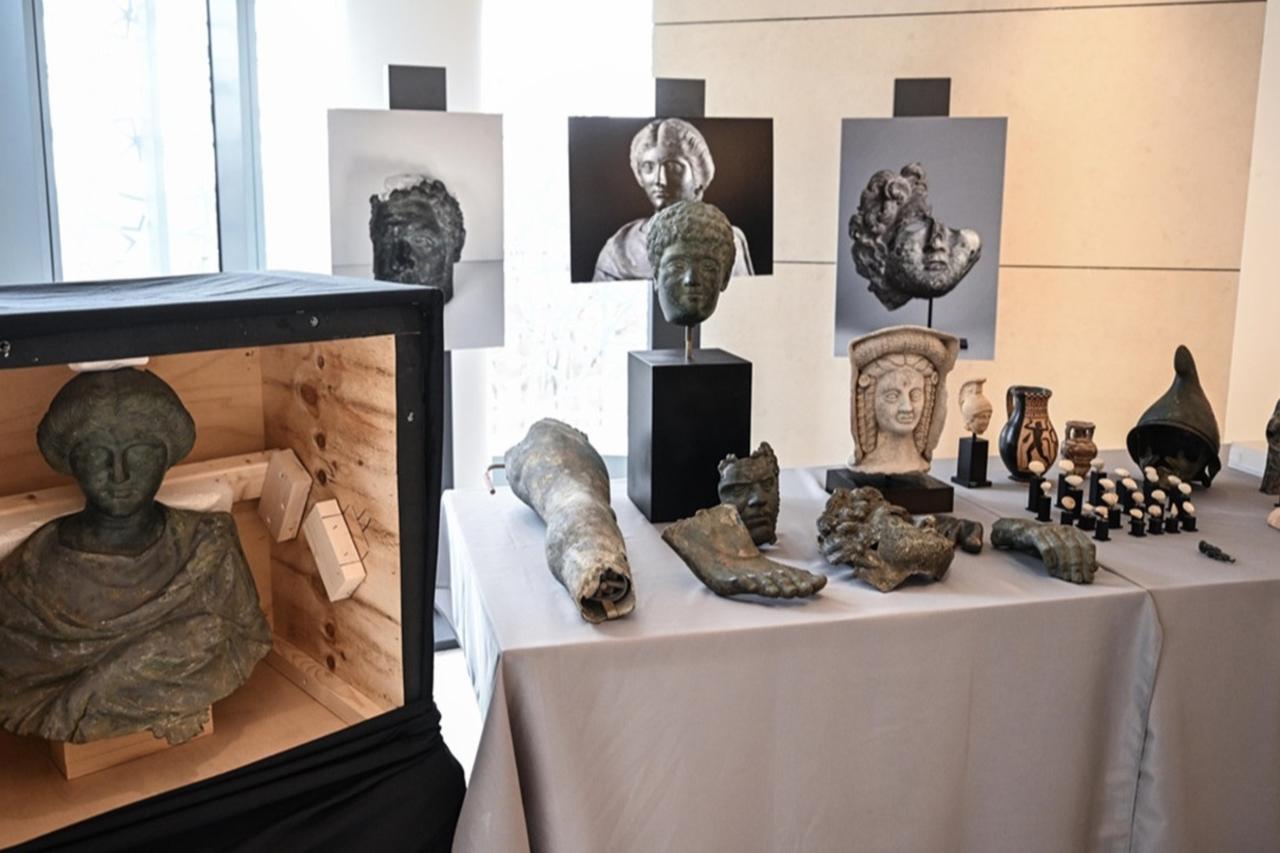
Further returns were carried out through ceremonies held in New York, where several important pieces were handed over to Turkish authorities.
These included an Urartian bronze belt, bull-headed helmets, a Lydian silver phiale, a Roman Imperial armored emperor statue, and 83 bronze coins linked to an Anatolian mint.
For international readers, Urartu and Lydia refer to ancient civilizations that flourished in Anatolia in the first millennium B.C.
Ersoy underlined that each return represented more than the physical recovery of an object, framing them as acts of reclaiming history, collective memory, and cultural sovereignty.
He stressed that these efforts aligned with broader policies aimed at strengthening culture, art, and tourism, adding that such steps were part of building what the government calls the “Century of Türkiye.”


 Set as preferred source
 Set as preferred source


 2 min read
 1 min read