Newsletters


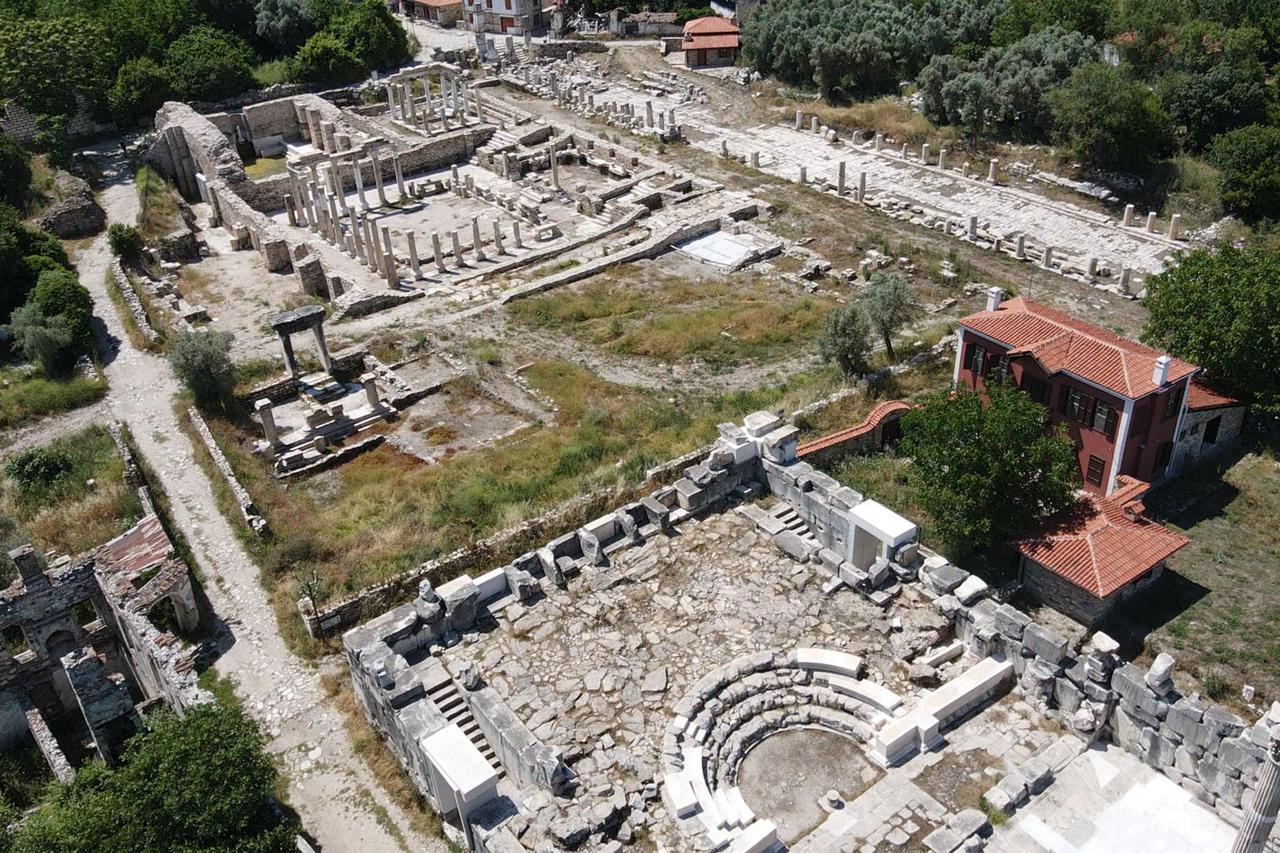


Stratonikeia, called the "City of Gladiators," is in the Eskihisar neighborhood of Yatagan, Mugla. It is one of the few ancient settlements in Anatolia with a continuous record of human life from antiquity to the Republican era.
The site is on UNESCO's World Heritage Tentative List, and teams work year-round on excavation, restoration, and conservation.
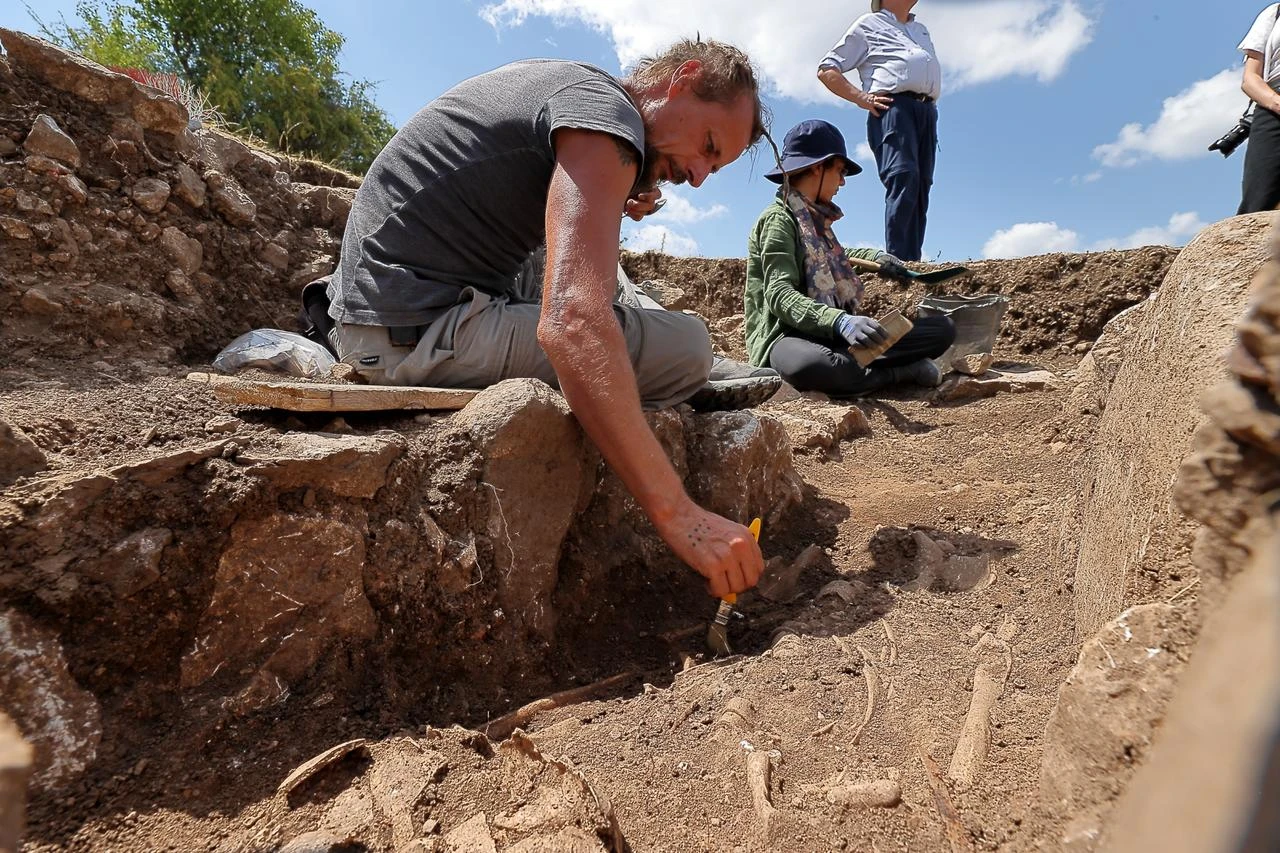
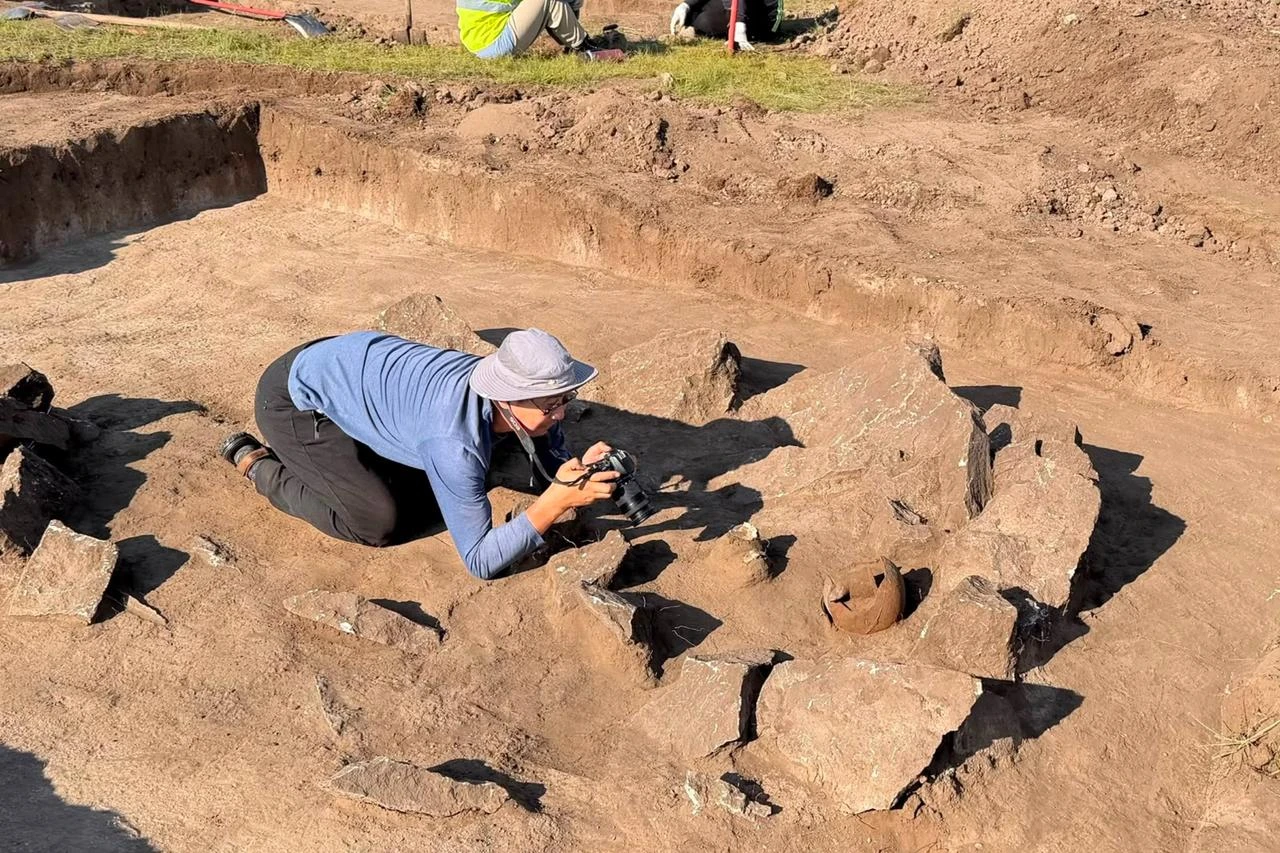
Sogut, who also leads excavations at the Lagina Ancient Sacred Site, told Anadolu Agency (AA) that this year's work focuses on the ancient library, theater, bathhouses and buildings from the Turkish period.
The team is also documenting evidence of daily life from different eras as they uncover the site's remains.

Last year, archaeologists found 1,115 artifacts from both ancient and Turkish-period buildings, all of which were sent to the Mugla Museum.
Sogut said this season is off to a similar start, with ongoing work at the bouleuterion (council building), nearby areas, the bathhouses, and the library, where they are also conserving mosaics.
A third bathhouse found last year will be excavated further this season.
The artifacts found include items made of marble, terracotta, metal, glass, and bone.
These objects help reveal what commercial and social life was like in the city during different times. Among the finds, jewelry linked to women's social status in ancient times stands out.
"At least one-third of the artifacts we recover belong to the Turkish period," Sogut said.
"We are conducting intensive work on structures from the Mentese Beylik, Ottoman and Republican periods.
In our excavations, we find original artifacts from different eras—Seljuk, Alaiye, Saruhanogullari, Candarogullari, Aydinogullari and the Mentese Beylik," he added.
Sogut explained that all objects sent to the museum are conserved and restored before delivery. The artifacts are handed over, ready to be displayed.
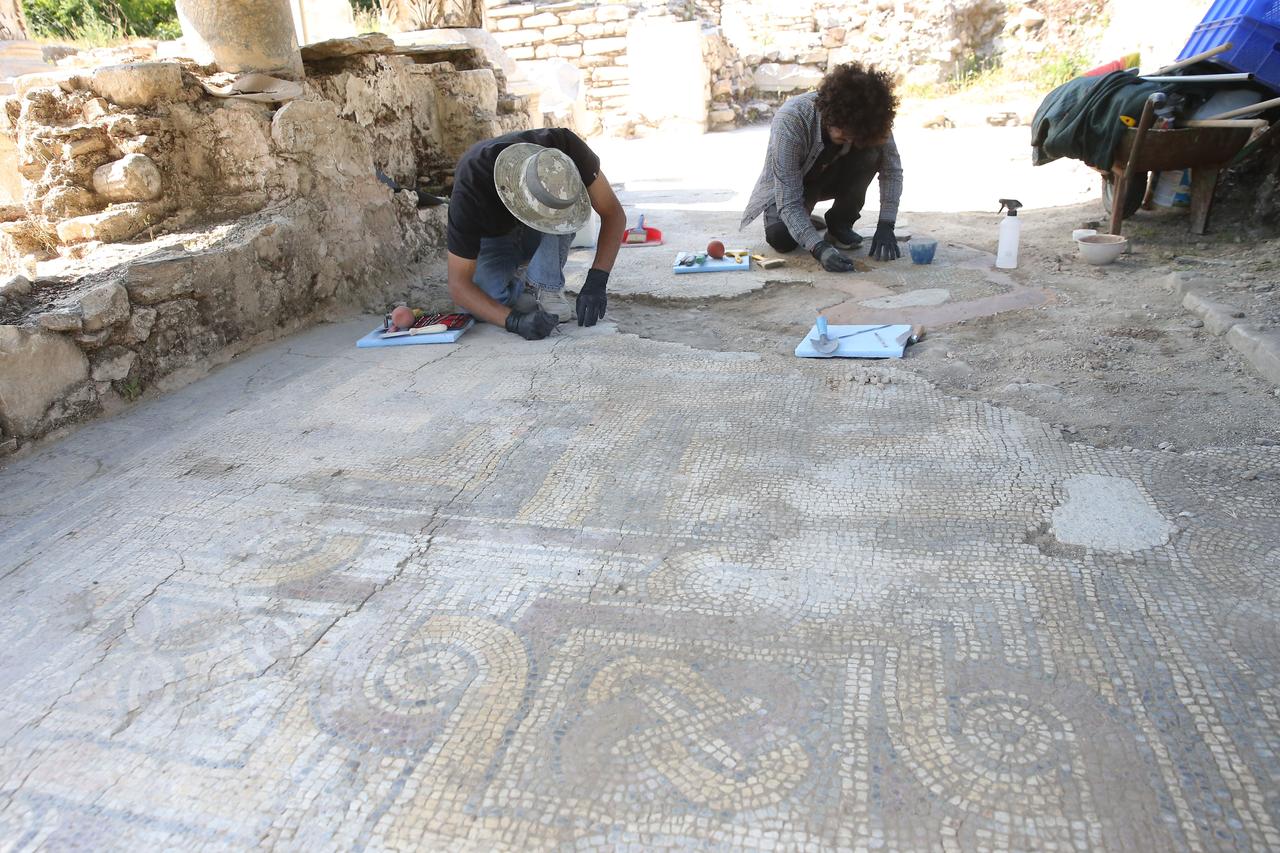
Work at the ancient library has led to one of the most important architectural finds in recent years. The building, which was not previously known as a library, is now regarded as one of the most distinctive examples in Anatolia because of its floor plan and design.
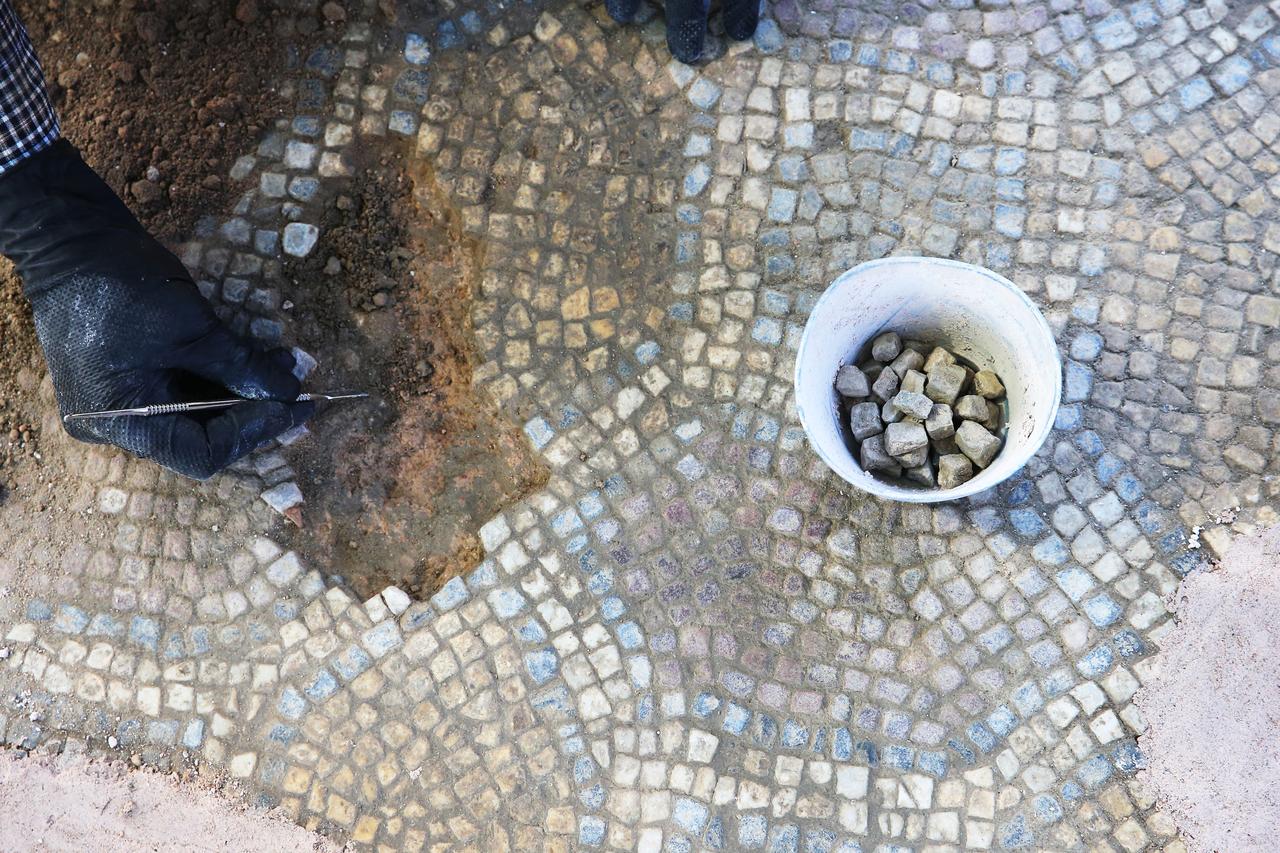
The mosaics found there are about 1,600 years old and have inscriptions from the early Byzantine period. They show that a bishop from that time commissioned the mosaics.
The mosaics, which feature mostly geometric and plant designs in many colors, are being prepared for public viewing. The team is working to make the library a place where visitors can experience its historic atmosphere.


 Set as preferred source
 Set as preferred source


 3 min read