

 Newsletters


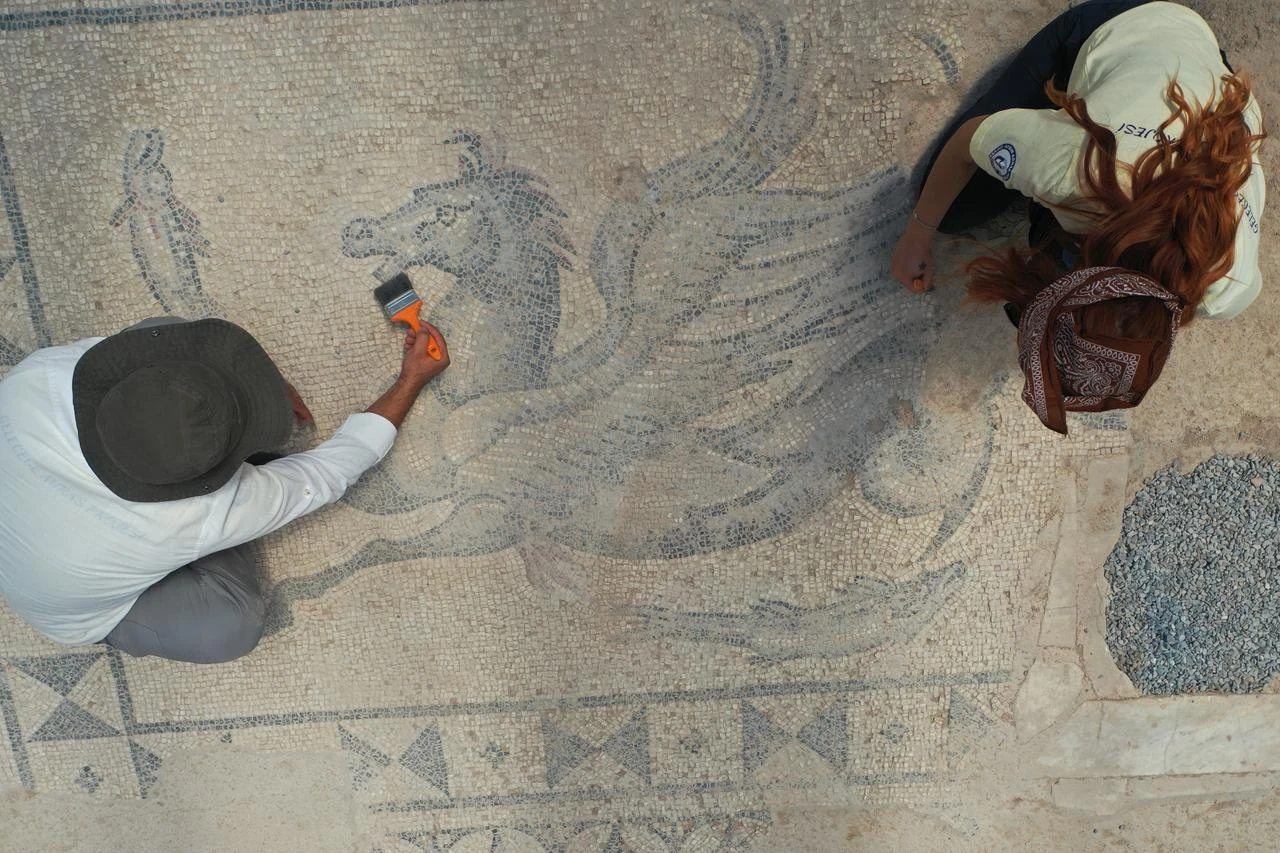


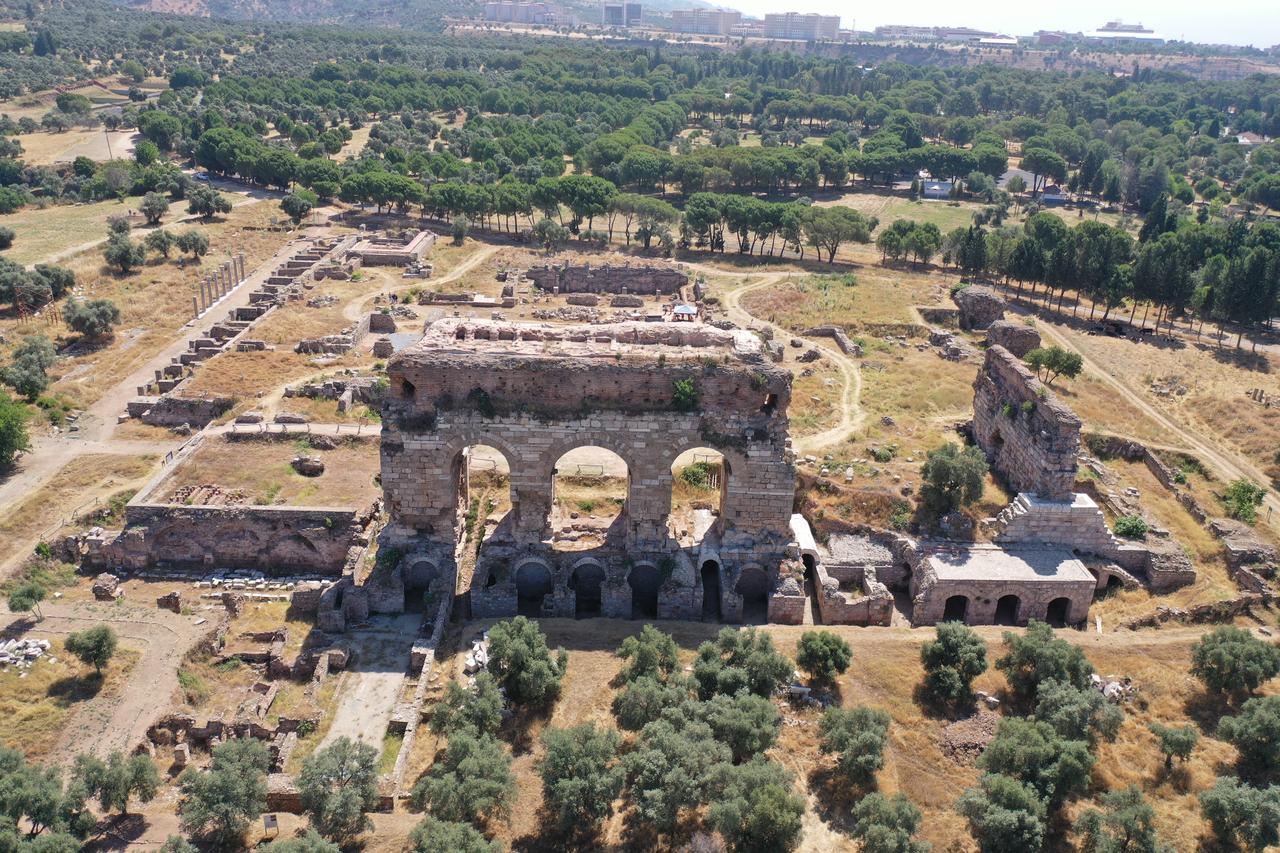
A remarkably well-preserved Roman-era mosaic hall featuring a hippocampus, a mythical sea creature associated with the god Poseidon, has been uncovered at the ancient city of Tralleis in western Türkiye.
Archaeologists found the decorated hall inside the northern section of a bath-gymnasium complex in Aydin province. The floor mosaic, believed to date back approximately 2,000 years to the Roman Imperial period, indicates that the hall was actively used during that era.
Excavations at the site, located near the modern district of Efeler, are being led by Professor Murat Cekilmez of Adnan Menderes University as part of Türkiye's Culture and Tourism Ministry-backed "Heritage for the Future" project.
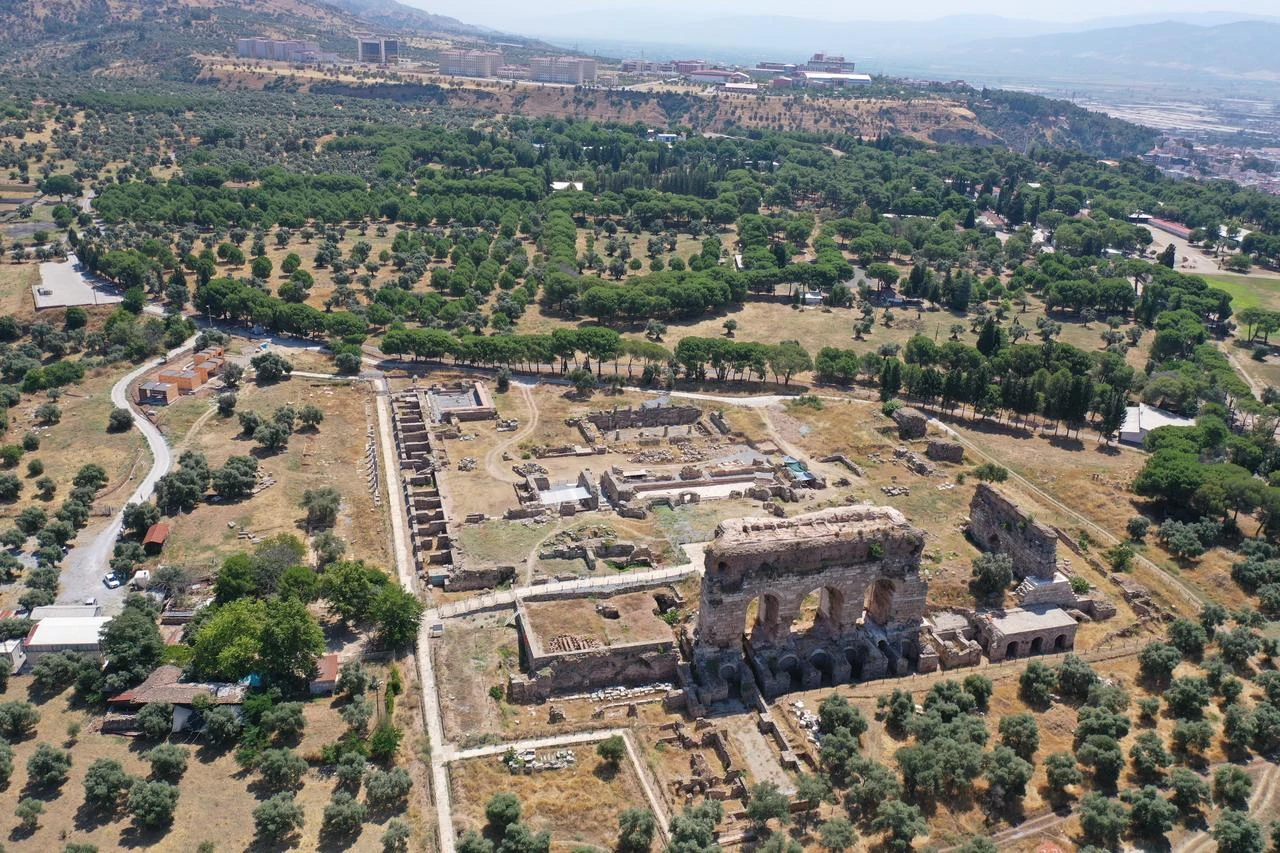

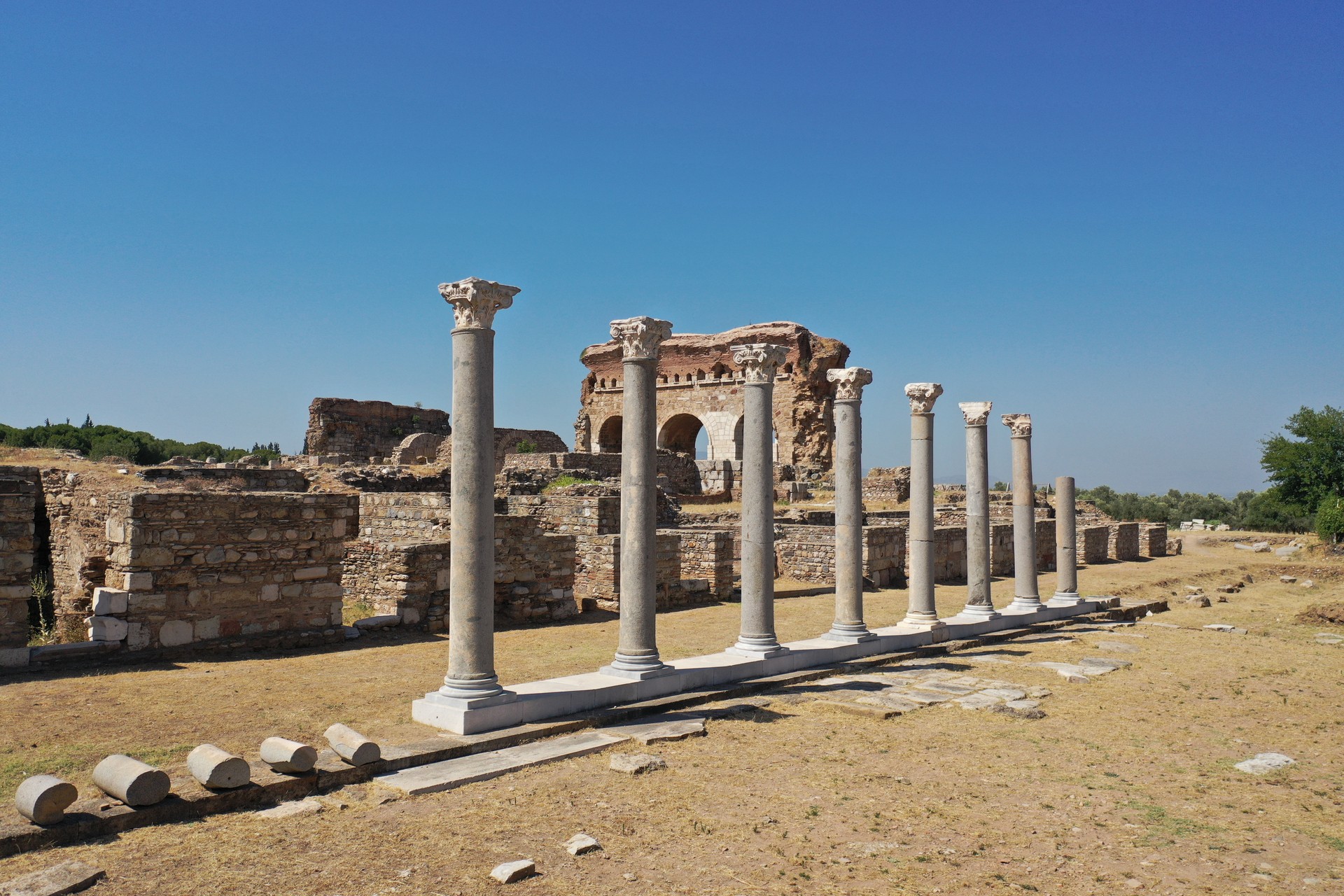
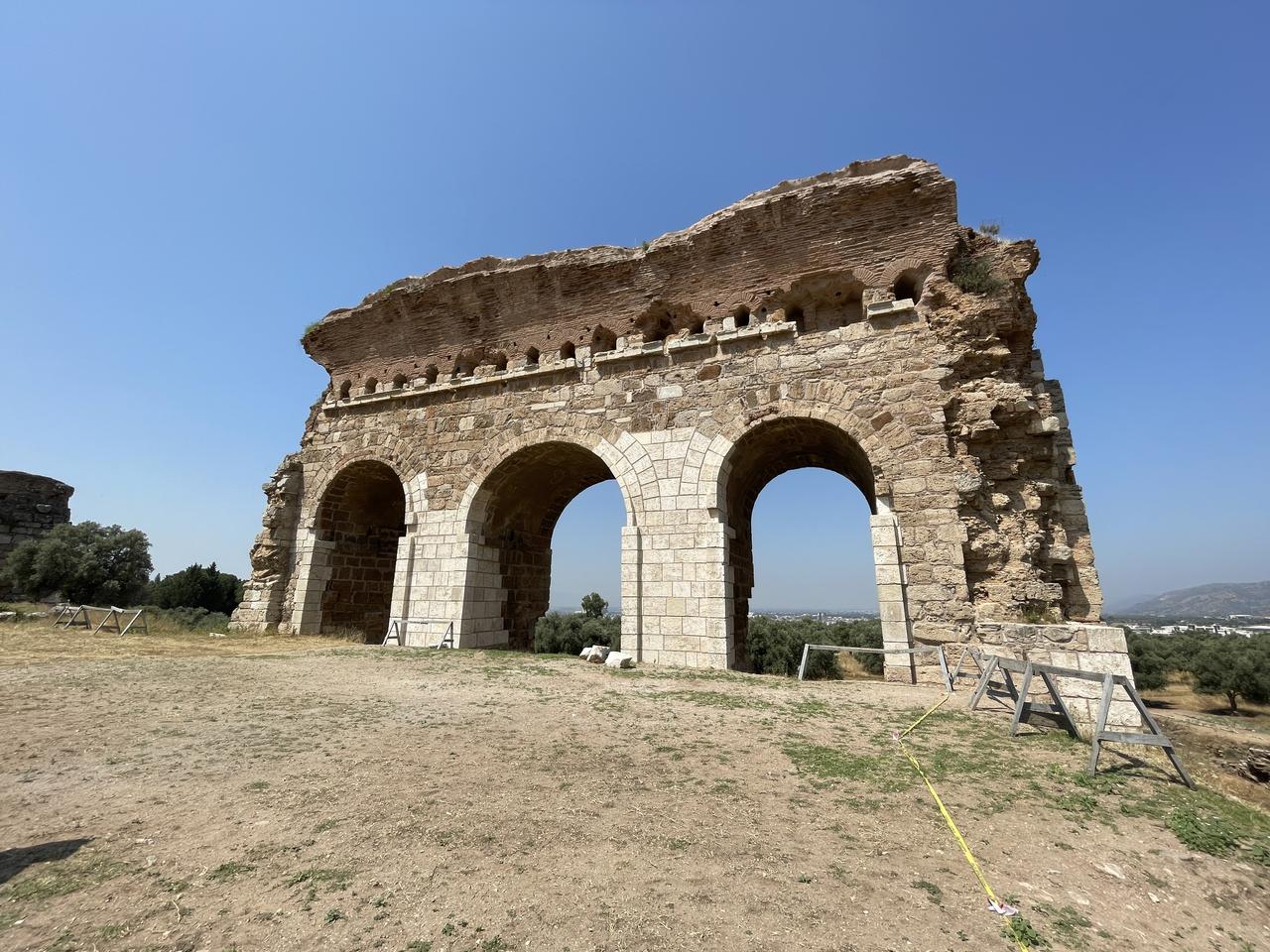
The discovery came to light during ongoing work at the bath-gymnasium, a multifunctional complex that combined bathing facilities with spaces used for education, exercise and social life.
Cekilmez said the complex had served as an important center where children received education from an early age, while physical training also played a central role. Archaeologists believe the structure included school-related rooms and may have functioned as a center for scientific study.
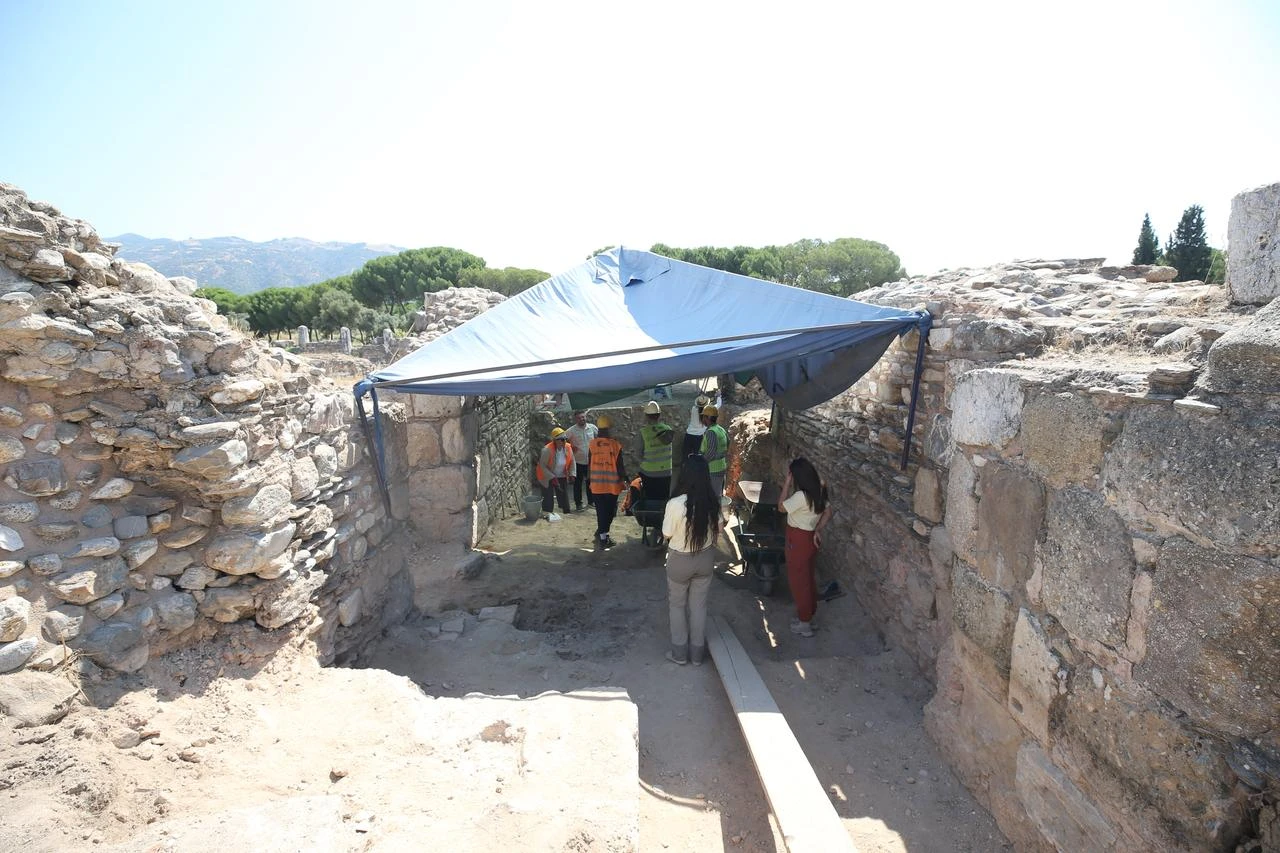
Tralleis was known in antiquity for producing writers and scholars, including people working in fields such as medicine and engineering, according to Cekilmez.
Earlier excavations within the same complex had also brought out a swimming pool believed to have been among the large-scale "Olympic-style" pools of its period. The team has additionally found objects connected to daily life in the complex, as well as remains dating from the Byzantine period.
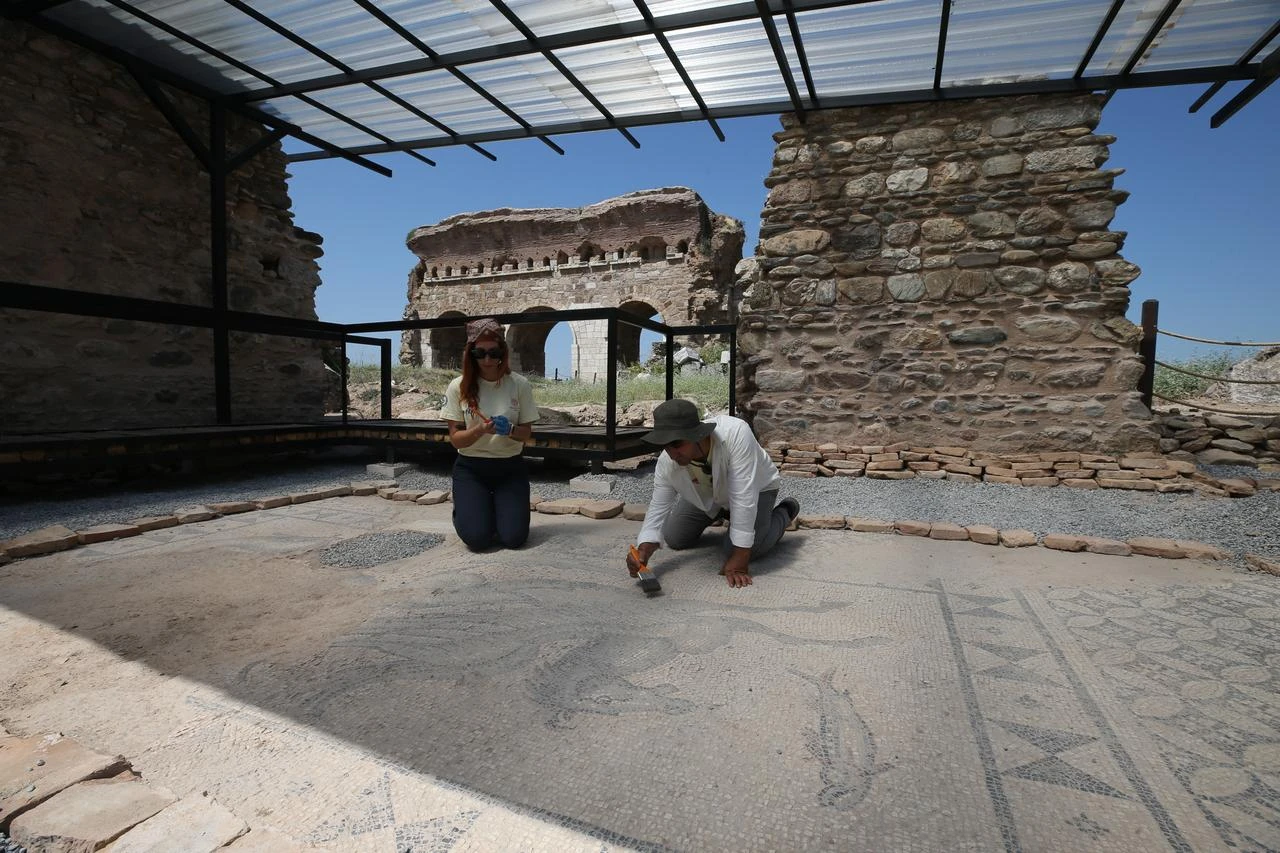
The mosaic hall was uncovered after archaeologists began digging through a later Byzantine-era workshop constructed above it.
Cekilmez said the team initially believed the area had only been used as a workshop. Further excavation, however, revealed the mosaic floor underneath, including the depiction of a hippocampus, regarded as a sacred creature of Poseidon, the ancient god of the sea.
 1 min read
"This made us very excited. A very well-preserved mosaic inside the bath-gymnasium complex at Tralleis is extremely important both scientifically and for what it tells us about the daily life and mythology of that period," Cekilmez said.
Parts of the roughly 2,000-year-old mosaic have survived without significant damage. The excavation team aims to open the area to visitors in the near future.


 Set as preferred source
 Set as preferred source


 1 min read


